Check Engine Light vs Maintenance Required Light Difference
The check engine light signals a serious engine or emissions problem that needs immediate attention, while the maintenance required light simply reminds you that scheduled service is due. Both lights sit on your dashboard, but they serve very different purposes. Understanding the difference can save you money, prevent damage, and keep your car running safely.
Your dashboard lights up with a strange symbol, and suddenly your heart drops. You wonder, “Is this serious? Should I pull over right now?” Two of the most common lights drivers see are the check engine light and the maintenance required light. They look similar, they both live on your dashboard, and they both grab your attention. But they mean very different things.
Many people confuse these two lights. They assume both mean the same thing, or they ignore one while panicking over the other. That confusion can lead to missed repairs or unnecessary trips to the shop. This guide breaks down everything you need to know about the check engine light vs maintenance required light difference. By the end, you will know exactly what each light means, what to do, and how to stay safe on the road.
## What Is the Check Engine Light?
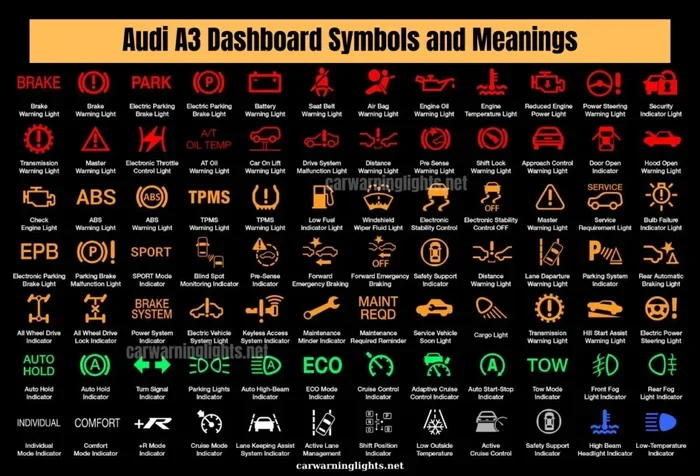
The check engine light is one of the most recognized symbols on any dashboard. It usually looks like an engine silhouette, and it can appear in different colors. Most often, it shows up as yellow or amber. But sometimes it glows red, which signals a more urgent problem.
This light is part of your vehicle’s onboard diagnostics system. Modern cars have a computer called the powertrain control module that monitors dozens of sensors. These sensors track everything from fuel mixture to exhaust emissions. When something falls outside the normal range, the computer triggers the check engine light.
The light stores a diagnostic trouble code, or DTC. This code gives mechanics a starting point for finding the problem. You can read these codes with an OBD-II scanner, which is a simple tool that plugs into your car’s diagnostic port.
### Common Reasons the Check Engine Light Comes On
Many things can trigger the check engine light. Some are minor, and others are serious. Here are the most common causes:
- Loose or faulty gas cap: A loose cap can let fuel vapors escape, triggering the light.
- Oxygen sensor failure: This sensor measures unburned oxygen in the exhaust. When it fails, fuel efficiency drops.
- Catalytic converter issues: A failing converter can hurt emissions and engine performance.
- Mass airflow sensor problems: This sensor measures the air entering the engine. Dirt or damage can throw it off.
- Spark plug or ignition coil issues: Worn spark plugs can cause misfires and rough idling.
- EVAP system leaks: The evaporative emission control system can develop small leaks over time.
Some of these fixes are cheap and easy. A new gas cap might cost just a few dollars. Other problems, like a bad catalytic converter, can run into hundreds or even thousands of dollars.
### What Does a Flashing Check Engine Light Mean?
A flashing check engine light is a serious warning. It usually means the engine is misfiring, and unburned fuel is entering the exhaust system. This can damage the catalytic converter quickly and lead to expensive repairs.
If you see a flashing light, you should pull over safely as soon as possible. Avoid heavy acceleration. Get the car towed or driven very carefully to a mechanic. Ignoring a flashing light can turn a small repair into a major one.
## What Is the Maintenance Required Light?
The maintenance required light is a service reminder. It does not mean something is broken. Instead, it tells you that your car is due for routine maintenance based on mileage or time intervals.
This light often looks like a wrench or the words “MAINT” on the dashboard. It is part of the vehicle’s maintenance reminder system. The automaker programs it to come on after a set number of miles, usually between 5,000 and 10,000 miles.
The maintenance required light is a helpful nudge. It reminds you to change your oil, rotate your tires, inspect your brakes, or perform other scheduled services. It is not a sign of a breakdown or a serious problem.
### What Triggers the Maintenance Required Light?
The light is triggered by the car’s onboard computer based on mileage. Here is how it typically works:
- The automaker sets a service interval, such as every 7,500 miles.
- As you drive, the computer counts the miles.
- When you reach the interval, the light turns on.
- After the service is done, a mechanic or you can reset the light.
Some cars use a more advanced system that considers driving habits, such as short trips, towing, or extreme temperatures. These systems adjust the service interval based on actual driving conditions.
### How to Reset the Maintenance Required Light
Resetting the maintenance required light is usually simple. Here are common methods:
- Using the trip meter: Turn the ignition to the “on” position without starting the engine. Press and hold the trip meter reset button, then turn the ignition off. Release the button, then turn the ignition back on.
- Using the steering wheel controls: Some newer cars let you reset the light through the steering wheel buttons and the instrument cluster display.
- Asking a mechanic: Many auto parts stores and service centers will reset the light for free when you get your oil changed.
Always check your owner’s manual for the exact reset procedure for your specific vehicle.
## Key Differences Between the Two Lights
Understanding the check engine light vs maintenance required light difference comes down to a few key points. Let us break them down clearly.
### Purpose
The check engine light warns you about a real problem with the engine or emissions system. The maintenance required light simply reminds you that routine service is due. One is a warning, and the other is a reminder.
### Severity
The check engine light can signal anything from a loose gas cap to a failing engine component. A flashing version demands immediate attention. The maintenance required light is never urgent. It is just a gentle prompt to keep up with your car care schedule.
### Diagnostic Codes
The check engine light stores trouble codes that a mechanic can read with an OBD-II scanner. The maintenance required light does not store any codes. It is purely a mileage-based reminder.
### Driving Impact
You can usually keep driving when the maintenance light is on, as long as your car feels normal. With a check engine light, you should pay close attention to how the car runs. If you notice shaking, stalling, or loss of power, stop driving and seek help. If you are ever unsure whether it is safe to drive, check if you can still drive with a P0171 code or similar trouble codes to understand your situation better.
### Cost of Ignoring
Ignoring the maintenance required light might mean you skip an oil change or tire rotation. This can lead to wear over time. Ignoring the check engine light can lead to much worse outcomes, including engine damage, failed emissions tests, and costly repairs.
### Color and Symbol
The check engine light usually shows an engine icon and is yellow, orange, or red. The maintenance required light often shows a wrench or the letters “MAINT” and is typically yellow or orange.
## When to See a Mechanic
Knowing when to visit a mechanic depends on which light is on and how it behaves. Here are some clear guidelines.
### See a Mechanic for the Check Engine Light If:
- The light is flashing, not steady.
- You notice a loss of power or rough idling.
- The car stalls or shuts off unexpectedly.
- You see other warning lights on, like the oil pressure light or temperature gauge.
- The light stays on for more than a few days without going away.
Many drivers wonder if they can just ignore a steady check engine light. Sometimes a loose gas cap can trigger it, and tightening the cap may turn the light off after a few drive cycles. But if the light persists, it needs professional attention. You can visit a shop like Autozone, which offers a full diagnostic test to read the trouble codes for free in many locations.
### See a Mechanic for the Maintenance Required Light If:
- The light comes on and you have not had service in a long time.
- You are unsure what maintenance is due based on your mileage.
- The light does not turn off after you reset it following a service.
The maintenance required light is not an emergency, but it does mean your car needs attention soon. Keeping up with regular maintenance helps your car last longer and run better.
## Quick Tips for Dashboard Warning Lights
Dashboard lights can be confusing, but a few simple tips can help you stay on top of things.
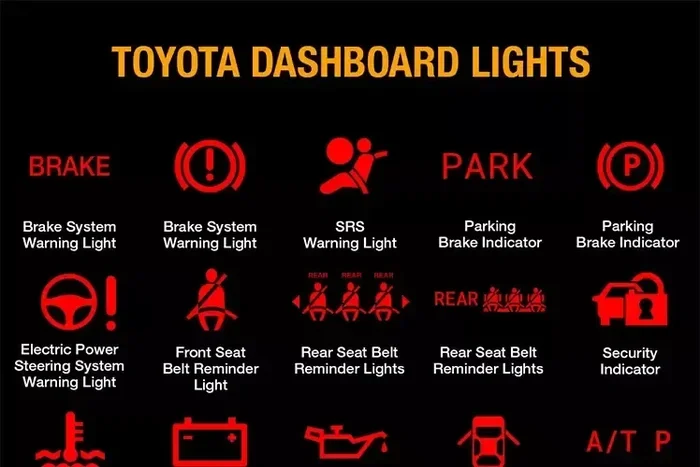
- Learn your symbols: Take a few minutes to study your owner’s manual. Know what each light looks like and what it means.
- Do not panic: A steady check engine light is not always an emergency. But do not ignore it either.
- Check the gas cap first: If the check engine light comes on shortly after filling up, try tightening or removing and reattaching the gas cap.
- Keep a scanner handy: An inexpensive OBD-II scanner can read trouble codes at home. This helps you understand the problem before you reach the mechanic.
- Stay on top of scheduled service: Regular oil changes and inspections prevent many issues that trigger the check engine light.
- Watch for patterns: If a light comes on and goes off, note when it happens and what you were doing. This information helps mechanics diagnose the problem.
## Expert Insights on Dashboard Warning Lights
Experienced mechanics often say that the biggest mistake drivers make is treating all dashboard lights the same way. Some people ignore every warning until something breaks. Others panic at every little symbol and rush to the shop for minor issues.
The truth is somewhere in the middle. The check engine light vs maintenance required light difference is a perfect example. Both lights are useful tools, but they serve different roles. The maintenance required light is your car’s calendar reminder. The check engine light is your car’s alarm system.
One mechanic shared that the most common check engine light causes he sees are loose gas caps and worn spark plugs. Both are easy and inexpensive fixes. The problem becomes expensive when drivers wait too long to address the issue. A small misfire today can become a damaged catalytic converter tomorrow.
Another expert pointed out that the maintenance required light is often overlooked in older vehicles. Many drivers do not realize their car is overdue for an oil change until the engine starts making unusual noises. Staying on top of this light can extend the life of your engine significantly.
## Common Mistakes Drivers Make with Warning Lights
Mistakes happen, and they are usually avoidable. Here are the most common errors drivers make with their dashboard lights.
- Ignoring the check engine light: Some drivers cover the light with a piece of tape or simply pretend it is not there. This can lead to bigger problems over time.
- Panic over the maintenance light: Some people think the maintenance light means the car is broken. It does not. It just means service is due.
- Resetting the light without fixing the problem: Clearing the check engine light without addressing the root cause will just bring the light back.
- Delaying oil changes: Ignoring the maintenance required light can lead to dirty oil, which reduces engine lubrication and increases wear.
- Not reading the owner’s manual: The manual contains specific information about every dashboard symbol and what to do when each one appears.
Avoiding these mistakes keeps your car healthy and your wallet happy.
## How to Stay Ahead of Car Problems
Prevention is always better than repair. Staying ahead of car problems means paying attention to your vehicle and acting quickly when something seems off.
- Follow the maintenance schedule: Stick to the service intervals in your owner’s manual. Do not wait for the maintenance required light to remind you.
- Listen to your car: Unusual sounds, smells, or vibrations are early warning signs. Do not wait for a light to appear.
- Monitor fluid levels: Check your oil, coolant, and brake fluid regularly. Low levels can cause serious damage.
- Keep your gas cap tight: This simple habit prevents fuel vapor leaks and avoids unnecessary check engine lights.
- Address small issues early: A small vibration or a slight decrease in fuel economy could signal a problem that is easy and cheap to fix now but expensive later.
Taking these steps reduces the chance of unexpected breakdowns and keeps your car running smoothly for years.
## Understanding Your Car’s Warning System
Your car’s warning system is designed to communicate with you. Each light, symbol, and sound has a specific purpose. The dashboard is essentially your car’s way of talking to you.
Warning lights generally fall into three categories:
- Red lights: These signal urgent problems that require immediate action, such as low oil pressure or overheating.
- Yellow or amber lights: These indicate warnings that need attention soon but are not emergencies. The check engine light and maintenance required light usually fall into this category.
- Green or blue lights: These are informational. They let you know a system is active, such as high beams or cruise control.
Understanding this color system helps you respond appropriately. A yellow maintenance light means keep your calendar. A yellow check engine light means schedule a diagnostic. A red light means stop and address the issue immediately.
## Frequently Asked Questions
Can I drive my car with the check engine light on?
You can usually drive a short distance with a steady check engine light if the car runs normally. However, you should get the problem diagnosed as soon as possible. If the light is flashing, stop driving and seek help immediately. A flashing light often signals a misfire that can damage your catalytic converter.
How long can I ignore the maintenance required light?
You should not ignore it for long. The light means your car is due for service, and pushing too far past the recommended interval can lead to wear on engine components. Get your oil changed and the light reset as soon as you can.
Will the check engine light turn off by itself?
Sometimes, yes. If the issue was temporary, such as a loose gas cap, the light may turn off after a few drive cycles. However, if the problem persists, the light will stay on. You need to fix the underlying issue and clear the code for the light to go off permanently.
Can low oil cause the check engine light to come on?
Low oil typically triggers the oil pressure warning light, not the check engine light. However, in some vehicles, very low oil levels can affect engine performance and trigger the check engine light. Always check your oil level if you see any warning light on your dashboard.
Is it safe to reset the check engine light without fixing the problem?
No. Resetting the light without fixing the problem will only cause it to come back. The light is a symptom of an underlying issue. Clearing it without addressing the cause means you are hiding a real problem that could get worse over time.
What is the difference between the maintenance required light and the oil change light?
They are similar but not always the same. The maintenance required light is a general service reminder that may include oil changes, tire rotations, and inspections. Some cars have a separate oil change light that only tracks oil service intervals. Check your owner’s manual to understand what your specific vehicle’s lights mean.
## Conclusion
The check engine light vs maintenance required light difference is simple once you understand the basics. The check engine light is your car’s warning system. It tells you something needs attention right away. The maintenance required light is your car’s calendar. It reminds you that routine service is coming due.
Both lights are important, but they serve very different roles. Responding correctly to each one keeps your car safe, reliable, and road-ready. Do not ignore either light, but do not panic when they appear either. Stay informed, act promptly, and your car will reward you with years of dependable service.
Now that you know the difference, take a moment to familiarize yourself with your own dashboard. When the next light appears, you will know exactly what to do. That confidence makes you a smarter, safer driver.
Key Takeaways
- Different Purposes: The check engine light warns of a real problem, while the maintenance required light is just a service reminder.
- Severity Levels: A check engine light can indicate urgent issues, whereas the maintenance light is non-emergency.
- Diagnostic Codes: The check engine light stores OBD-II trouble codes that can be read with a scanner.
- Reset Methods Differ: Each light has its own reset process after the underlying issue is resolved.
- Driving Safety: You can usually drive with a maintenance light, but a check engine light may require caution or immediate stops.
- Professional Help: A flashing check engine light always demands urgent attention from a mechanic.
Frequently Asked Questions
What is Difference Between a Check Engine Light and Maintenance Required Light?
Difference Between a Check Engine Light and Maintenance Required Light is an important topic with many practical applications.