Can You Lift a Toyota Prius And What You Need To Know
Yes, you can lift a Toyota Prius, but you need to know the right jack points, tools, and weight limits first. The Prius is a lightweight hybrid, typically weighing between 2,800 and 3,100 pounds, which makes it easier to lift than many other sedans. This guide covers everything you need about lifting a Toyota Prius, from the best jack types to safety precautions and common reasons you might need to get under one.
Have you ever stood next to a Toyota Prius and wondered if you could actually lift it? Maybe you need to change a tire, inspect the undercarriage, or swap out a part. The good news is that the Prius is one of the lighter cars on the road, which makes lifting it a lot more manageable than you might think. But there are some important things you need to know before you grab a jack and get to work.
Lifting any car comes with risks, and the Toyota Prius is no exception. Even though it weighs less than many SUVs and trucks, it still tips the scales at nearly 3,000 pounds. That is a lot of weight resting on a few small jack contact points. In this article, we will walk you through everything you need to know about lifting a Toyota Prius safely and effectively. From the right tools to the correct jack points, we have you covered.
Whether you are a DIY mechanic or just someone who wants to be prepared for a roadside emergency, understanding how to properly lift your Toyota Prius is a valuable skill. Let us dive in.
Key Takeaways
- A Toyota Prius weighs roughly 2,800 to 3,100 pounds: This makes it lighter than most sedans and easier to lift with standard equipment.
- Always use the designated jack points: The Prius has specific reinforced areas on the frame designed for lifting safely.
- A hydraulic floor jack is the best choice: Scissor jacks work for quick tire changes, but a floor jack offers more stability and lift height.
- Never rely solely on a jack: Always use jack stands to support the vehicle when working underneath it.
- Lifting a Prius is needed for several reasons: Tire changes, undercarriage inspections, heat shield repairs, and routine maintenance all require getting the car off the ground.
- Safety comes first: Work on a flat surface, engage the parking brake, and never get under a car supported only by a jack.
📑 Table of Contents
- How Much Does a Toyota Prius Weigh?
- Can You Physically Lift a Toyota Prius?
- The Right Tools for Lifting a Toyota Prius
- Where to Place the Jack on a Toyota Prius
- Safety Tips When Lifting Your Toyota Prius
- Maintenance Tasks That Require Lifting a Toyota Prius
- Can You Lift a Toyota Prius With a Standard Garage Lift?
- Common Mistakes People Make When Lifting a Toyota Prius
- Final Thoughts
How Much Does a Toyota Prius Weigh?
Before you even think about lifting, it helps to know what you are dealing with. The weight of your Toyota Prius changes depending on the model year and trim level. Here is a quick breakdown of what you can expect.
curb weight of the Prius
The Toyota Prius curb weight generally falls between 2,800 and 3,100 pounds. The base model sits at the lower end, while the Prius Prime and other heavier trims push closer to 3,100 pounds. For comparison, a mid-size SUV can weigh anywhere from 4,000 to 5,000 pounds. So the Prius is genuinely one of the lighter vehicles you will encounter.
This lower weight is one reason the Prius is so popular among DIYers. It is easier to maneuver, easier to lift, and puts less stress on your lifting equipment. That said, 3,000 pounds is still a significant amount of mass, so you should never take the process lightly.
Why Weight Matters When Lifting
The weight of your vehicle directly affects the type of jack you need and the quality of jack stands required. A lightweight Toyota Prius can be lifted with a standard 2-ton hydraulic floor jack. Heavier trucks might need a 3-ton or 4-ton unit. Always check your jack’s weight rating before you start. Using an under-rated jack is one of the most common and dangerous mistakes people make.
Also, keep in mind that weight distribution matters. The Toyota Prius has a front-heavy design because of the hybrid battery pack and gasoline engine. When lifting the front end, take extra care and make sure the jack is seated firmly on a flat, hard surface.
Can You Physically Lift a Toyota Prius?
The short answer is yes, but with a big asterisk. You cannot simply grab the bumper and hoist a Toyota Prius into the air. Even the strongest person cannot lift a 3,000-pound car by hand. You need mechanical assistance, and that means using the right lifting tools.
What Makes the Prius Different from Other Cars
The Toyota Prius has a few features that make lifting it a bit different from lifting a conventional car. First, the hybrid battery is located in the rear, which shifts the weight balance. Second, the Prius has a relatively low ground clearance, which means you do not need to lift it very high for most maintenance tasks.
Third, the Toyota Prius frame is designed to be lightweight but still rigid. The body-on-frame construction is not as heavy as a truck frame, but it is strong enough to handle the stress of being lifted. Just make sure you are lifting from the correct points to avoid bending or damaging the frame.
Common Scenarios Where You Need to Lift a Prius
There are several reasons you might find yourself needing to lift your Toyota Prius:
- Tire change: A flat tire is the most common reason to lift any car, and the Prius is no different.
- Undercarriage inspection: Checking for rust, damage, or worn components requires the car to be off the ground.
- Heat shield repair: If your heat shield has come loose, you will need to access the bottom of the car to tighten a loose heat shield properly.
- Exhaust system work: Replacing mufflers, catalytic converters, or exhaust pipes often requires getting underneath.
- Oil changes and fluid checks: Some fluid drains and filters are easier to access with the front end raised.
- Suspension work: Replacing shocks, struts, or control arms requires full access to the undercarriage.
The Right Tools for Lifting a Toyota Prius
Using the wrong tools can damage your car or, worse, cause a serious injury. The Toyota Prius is not a heavy vehicle, but it still demands the right equipment. Here is what you should have on hand.
Hydraulic Floor Jack
A hydraulic floor jack is the best option for lifting a Toyota Prius for any extended work. A 2-ton jack is more than sufficient for the Prius. Look for a jack with a low-profile design, since the Prius sits close to the ground. A wide base provides better stability, which is always a plus.
Position the jack on a flat, hard surface. Concrete or asphalt is ideal. Never place a jack on grass, dirt, or a sloped surface, as it can slip or sink. Before lifting, make sure the jack head is fully seated on the designated jack point.
Jack Stands
This cannot be stressed enough: never work under a car supported only by a jack. Jack stands are essential. A set of 2-ton or 3-ton jack stands will safely hold your Toyota Prius in the raised position. Place the stands on solid ground and adjust them to the correct height before lowering the car onto them.
Scissor Jack (Emergency Use Only)
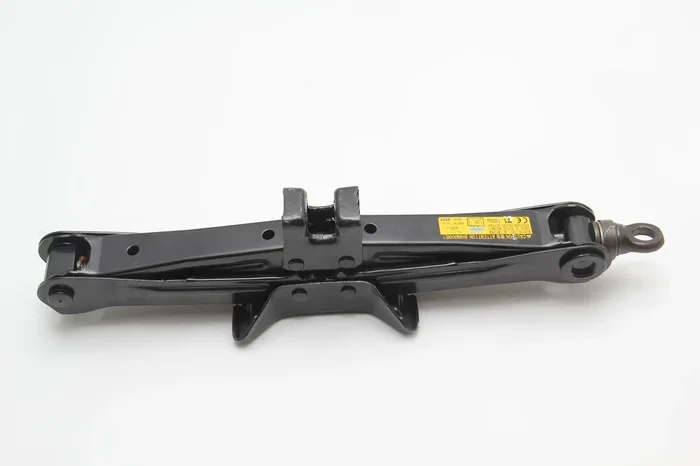
Most Toyota Prius models come with a scissor jack and a lug wrench in the trunk. This is fine for a quick tire change on the roadside, but it is not suitable for extended work. A scissor jack has a narrow base and limited lift height, making it unstable for anything beyond swapping a wheel.
Car Ramps as an Alternative
If you prefer not to use a jack and stands, car ramps are another option. You simply drive the Toyota Prius up onto the ramps. This method is very safe because the car is supported by its own weight on a wide surface. Ramps work great for oil changes, undercarriage inspections, and light maintenance.
One thing to keep in mind: the Toyota Prius has a low front bumper and clearance. Make sure your ramps are rated for the vehicle’s weight and have a gentle incline so you do not scrape the bottom.
Where to Place the Jack on a Toyota Prius
Finding the correct jack points on your Toyota Prius is crucial. Lifting from the wrong spot can damage the body, pinch lines, or even cause the car to slip off the jack. Here is how to find the right spots.
Front Jack Points
The front of the Toyota Prius has reinforced pinch welds or designated lift points on each side of the frame. These are the only safe spots to place your jack. Look for a small notch or raised area on the frame rail just behind the front wheel. Your owner’s manual will also show these locations with diagrams.
If you cannot find the front jack points, look for the factory markings or arrows on the undercarriage. They are usually stamped or painted on the frame to guide you.
Rear Jack Points
The rear of the Toyota Prius also has designated lift points. Because the hybrid battery sits in the rear, the frame is slightly different back there. Look for the same type of reinforced areas on each side of the rear axle. The rear is generally heavier than the front, so extra caution is warranted when lifting from the back.
Common Jack Point Mistakes
Here are some mistakes to avoid when finding jack points on your Toyota Prius:
- Lifting from the plastic body panels: The Prius has smooth, aerodynamic panels that will crack or break if you place a jack on them.
- Using the oil pan as a support point: The oil pan is not designed to take the weight of the car and can crack.
- Lifting from the suspension components: Control arms and other suspension parts can be damaged by improper jack placement.
Safety Tips When Lifting Your Toyota Prius
Safety should always be your number one priority when lifting any vehicle, including the Toyota Prius. Even though it is a lighter car, the risks are real. Follow these guidelines every time you lift your vehicle.
Prepare Your Workspace
Before you start, make sure your workspace is clean, level, and well-lit. Park the Toyota Prius on a flat surface and engage the parking brake fully. Put the transmission in park (or first gear for manual models). Place wheel chocks behind the rear tires to prevent any rolling.
Never Work Under a Car on Just a Jack
This is the golden rule of car maintenance. A hydraulic jack can fail, a scissor jack can slip, and the car can come down in an instant. Always use jack stands as a secondary support system. Double-check that the stands are stable before you crawl underneath.
Interestingly, if you are dealing with electrical warnings after lifting, you should know that you can still drive with a check charging system warning in some cases, but it is always safer to address the issue before driving a lifted vehicle.
Use the Right Jack for the Job
As mentioned earlier, a 2-ton hydraulic floor jack is ideal for the Toyota Prius. Do not use a bottle jack unless it is rated for at least 2 tons and has a wide enough base. Do not use a scissor jack for anything other than a quick roadside tire change.
Keep Your Body Clear
When lowering the car onto jack stands, do so slowly. Keep your hands and body away from the vehicle’s path. If you hear any unusual sounds or feel the car shifting, stop immediately and reposition everything.
Maintenance Tasks That Require Lifting a Toyota Prius
Now that you know how to lift your Toyota Prius safely, let us talk about what you can do once the car is up in the air. There are several maintenance tasks that benefit greatly from having the front or rear end raised.
Tire Rotation and Inspection
Raising the Toyota Prius makes it easy to rotate your tires and inspect them for wear, damage, or embedded objects. With the car on jack stands, you can spin each wheel and check the tread depth, sidewalls, and alignment. This is a great way to extend the life of your tires and improve fuel efficiency.
Undercarriage Cleaning and Inspection
Salt, mud, and road debris can build up under your Toyota Prius over time. With the car lifted, you can spray off the undercarriage and inspect for rust, damage, or loose components. This is especially important if you live in a coastal area or a region that uses road salt in winter.
Brake System Inspection
Checking your brake pads, rotors, and brake lines is much easier when the Toyota Prius is raised. You can see the brake components more clearly and get better access for cleaning or replacement. Do not forget to check the brake fluid level while you are at it.
Exhaust System Check
The exhaust system runs underneath the Toyota Prius and is exposed to road conditions. Lifting the car lets you inspect the exhaust manifold, pipes, muffler, and catalytic converter for rust, holes, or loose connections. If you need to work on the exhaust, you might also want to learn how to manually open a power liftgate if you need access to the rear cargo area for tools or parts.
Oil Change and Fluid Top-Off
While you can change the oil on a Toyota Prius without lifting it, raising the front end gives you better access to the drain plug and oil filter. It also makes it easier to check and top off other fluids like transmission fluid, brake fluid, and coolant.
Can You Lift a Toyota Prius With a Standard Garage Lift?
If you have access to a two-post or four-post garage lift, lifting a Toyota Prius is straightforward. These lifts are designed to handle much heavier vehicles, so the Prius is well within their capacity. Just make sure the lift pads are positioned on the correct lift points on the Toyota Prius frame.
Most professional garages use four-post lifts for general maintenance. If you are using a two-post lift, always use the appropriate adapter pads to prevent damage to the vehicle’s body or frame. The low ground clearance of the Toyota Prius means you need to be careful when driving onto the lift, so take it slow and steady.
One thing to note: if your Toyota Prius has been sitting for a while or has been driven through deep water, you may notice some unusual behavior once lifted. For instance, if you have been dealing with water damage, you might find that you can open a car door underwater more easily than you think, but that is a different issue entirely. The point is that lifting your car can reveal hidden problems that were not visible while driving on level ground.
Common Mistakes People Make When Lifting a Toyota Prius
Even with the right tools and knowledge, mistakes happen. Here are the most common errors people make when lifting a Toyota Prius and how to avoid them.
Skipping Jack Stands
This is the number one mistake. Some people lift the car with a jack and immediately start working underneath without placing jack stands. This is incredibly dangerous. A jack can slip, tip, or fail, and a 3,000-pound car falling on you can be fatal. Always use jack stands.
Lifting on an Uneven Surface
Even a slight slope can cause a jack to shift. Always park on a flat, hard surface before lifting. If you are on a driveway with a slight grade, use wheel chocks and consider parking on a piece of plywood to create a level base.
Over-Tightening the Jack
When using a hydraulic floor jack, do not over-pump it. The Toyota Prius does not need to be lifted very high for most tasks. Lift it just enough to get jack stands underneath, then lower the car gently onto the stands.
Ignoring the Owner’s Manual
Your Toyota Prius owner’s manual contains specific jack point diagrams and lifting instructions. Ignoring this resource means you might be guessing, and guessing can lead to costly mistakes or injuries.
Final Thoughts
So, can you lift a Toyota Prius? Absolutely. It is one of the more manageable cars to lift thanks to its lightweight design and accessible jack points. But the process requires the right tools, the correct technique, and a serious commitment to safety.
Remember to use a hydraulic floor jack rated for at least 2 tons, always pair it with jack stands, and lift only from the designated frame points. Whether you are changing a tire, rotating your Toyota Prius tires, or doing a full undercarriage inspection, taking the time to lift the car properly will make the job safer and more effective.
If you are new to DIY car maintenance, start with simple tasks like tire changes and fluid checks before moving on to more complex undercarriage work. As you build confidence and experience, you will find that lifting your Toyota Prius becomes second nature. Just always respect the weight, use the right equipment, and put safety first every single time.
The Toyota Prius is a reliable, efficient, and practical car, and keeping it well-maintained starts with knowing how to work on it properly. Now that you know how to lift it the right way, you are ready to tackle your next maintenance project with confidence.
Frequently Asked Questions
Can I use a scissor jack to lift my Toyota Prius for extended work?
A scissor jack is fine for a quick roadside tire change, but it is not stable enough for extended work. Always use a hydraulic floor jack and jack stands for any maintenance that requires you to spend time under the vehicle.
How high do I need to lift a Toyota Prius for a tire change?
You only need to lift the Toyota Prius high enough to get the flat tire off the ground, usually about 6 to 8 inches. A standard scissor jack or hydraulic floor jack can easily achieve this height.
Is it safe to lift a Toyota Prius on a gravel driveway?
It is not recommended. Gravel and loose surfaces can cause a jack to slip or sink. Always lift your Toyota Prius on a flat, hard surface like concrete or asphalt for maximum safety.
What is the load capacity I need for a jack to lift a Toyota Prius?
A 2-ton hydraulic floor jack is more than sufficient for a Toyota Prius, which weighs between 2,800 and 3,100 pounds. Always check the jack’s rated capacity before use, and choose a jack rated well above the vehicle’s weight.
Can I drive my Toyota Prius while it is on jack stands?
No. Never drive a vehicle while it is supported by jack stands. Jack stands are designed to hold the car stationary while you work underneath. Once your maintenance is complete, remove the stands and lower the car to the ground before driving.
Are there special jack points for the Toyota Prius hybrid battery area?
Yes. The rear of the Toyota Prius houses the hybrid battery, and the frame in that area is reinforced with specific lift points. Always refer to your owner’s manual to find the correct rear jack points and avoid placing a jack near the battery or exhaust components.
=== CONCLUSION ===
Lifting a Toyota Prius is a straightforward process when you have the right knowledge and equipment. The car’s lightweight design makes it one of the easier vehicles to work on, but safety should always come first. Use a hydraulic floor jack, pair it with sturdy jack stands, and always lift from the designated frame points. Whether you are a seasoned DIYer or a beginner, following these guidelines will help you get the job done safely and efficiently. Now you have everything you need to confidently lift your Toyota Prius and tackle your next maintenance project.