Can You Open a Car Door Underwater Here Is the Answer
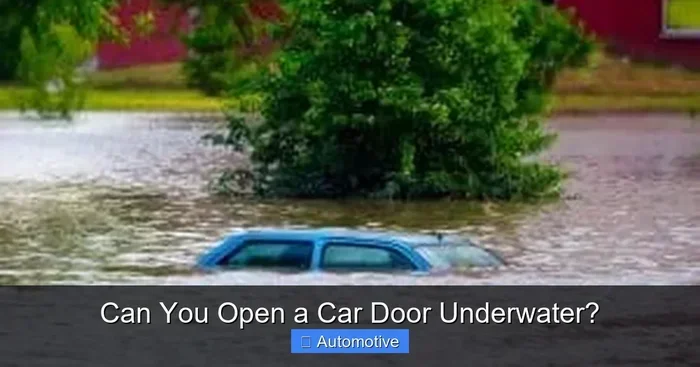
Yes, you can open a car door underwater, but only after the water pressure inside and outside the vehicle equalizes. This guide breaks down the science, safety steps, and real-world tips to help you escape a submerged vehicle. Understanding how car door underwater scenarios work can save your life or the life of someone you love.
Imagine driving on a rainy road. The water is rising fast. Your car slides off the pavement and into a ditch. Before you know it, water is flooding the cabin. Your heart races. Your hands shake. The only thing on your mind is getting out. But there is one big problem. The car door underwater feels like it is welded shut. You push. You pull. Nothing happens.
So can you open a car door underwater? The short answer is yes. But the full answer is more complicated than most people think. Water pressure plays a huge role. Timing matters more than strength. And knowing what to do before it happens can mean the difference between a scary story and a tragedy. This article walks you through everything you need to know about opening a car door underwater, from the science behind it to practical steps you can use right now.
Key Takeaways
- Water pressure prevents door opening: You cannot open a car door underwater until pressure equalizes on both sides.
- Act fast but stay calm: Panic wastes oxygen and time. Staying focused gives you the best chance of escape.
- Break the window as a backup: A spring-loaded emergency tool or heavy object can shatter a car window when the door won’t open.
- Unbuckle your seatbelt first: This is the first step in any underwater escape plan.
- Children need extra help: Kids may need guidance and assistance to stay calm and exit safely.
- Prevention matters: Keeping an emergency escape tool in your car reduces risk significantly.
- Know your vehicle: Understanding how car door lock mechanisms and power windows behave in water helps you plan ahead.
📑 Table of Contents
- Why Can’t You Open a Car Door Right Away Underwater?
- Can You Open a Car Door Underwater Once the Pressure Equalizes?
- Step-by-Step Guide to Escaping a Sinking Vehicle
- Common Mistakes People Make When Trapped in a Sinking Car
- Tools and Gear That Can Help You Escape a Submerged Vehicle
- How Car Doors and Locks Behave in Water
- Special Considerations for Families and Children
- Expert Insights on Vehicle Flotation and Escape
- Quick Tips for Staying Safe Around Flooded Roads
- Key Takeaways
- FAQ
- Conclusion
Why Can’t You Open a Car Door Right Away Underwater?
The biggest reason you cannot open a car door the moment it goes underwater is simple physics. Water is heavy. A single cubic foot of water weighs over 60 pounds. When your car enters water, the outside of the door faces enormous pressure. The inside of the car still has air. This creates a massive pressure difference. The door feels like it is locked in concrete.
You might push with all your strength. You might even kick. But until the pressure on both sides of the door balances out, the door will not move. This is the same reason it is hard to open a car door when you are swimming and the water pushes against it. The deeper the water, the greater the pressure. And the heavier the water, the harder it is to open the door.
The Role of Water Pressure in Vehicle Submersion
Water pressure increases with depth. Every 33 feet of water adds about 14.7 pounds per square inch of pressure. A car door is not built to withstand that kind of force from the outside. But it also does not need to. The air trapped inside the car pushes back against the water from the inside. This balance keeps the door stuck in place.
The good news is that this pressure difference does not last forever. As water fills the car, the air escapes through windows, vents, and seams. Slowly, the pressure inside and outside starts to equalize. Once that happens, the door becomes much easier to open. The key is waiting for the right moment. Patience is your best friend in a vehicle submersion scenario.
Can You Open a Car Door Underwater Once the Pressure Equalizes?
Yes. Once enough water fills the car and the pressure inside and outside the vehicle balances, you can open the car door underwater. At that point, it feels almost like opening a door in normal conditions. You just pull the handle and push or pull the door.
But here is the catch. By the time the pressure equalizes, the car is mostly or fully filled with water. You are now trying to escape underwater. This is why you need a plan. You need to know how to hold your breath. You need to know which exit to use. And you need to act quickly once the door opens or the window breaks.
How Long Does Pressure Equalization Take?
The time it takes for pressure to equalize depends on several factors. The depth of the water matters a lot. A car that sinks in shallow water, like a flooded ditch, may equalize faster than one that sinks in deep water. The condition of the car windows and seals also plays a role. Older cars with cracked windows may let water in faster. Newer cars with tight seals may hold air longer.
On average, it can take anywhere from 30 seconds to a couple of minutes for the pressure to balance out enough to open a door. That sounds like a long time when you are underwater. But remember, most vehicles do not sink instantly. You usually have some time before the car goes fully under. Use that time wisely.
Step-by-Step Guide to Escaping a Sinking Vehicle
Knowing what to do in a car sinking situation can save your life. The steps are simple but need to be practiced so they become second nature. Here is exactly what you should do if your vehicle goes underwater.
Step 1: Unbuckle Your Seatbelt
This is always the first move. Before you do anything else, release your seatbelt. A locked seatbelt can trap you in a sinking car. Most modern seatbelts have a quick-release button. Push it and the belt comes free. If you are traveling with children, help them unbuckle too. Kids can panic quickly, so staying calm and talking them through it helps a lot.
Step 2: Open or Break the Window
Do not wait for the car to fill with water to open the door. Instead, focus on the windows. Electric windows may still work for the first few seconds after the car enters the water. Roll them down immediately. If the power fails, you need a backup plan. A spring-loaded emergency tool kept in the glove box or door pocket can break a car window in seconds.
Avoid trying to break the windshield. It is made of laminated glass and is very hard to crack. Side windows and rear windows are made of tempered glass. They shatter into small, less dangerous pieces when hit with the right tool. Aim for the corner of the window, not the center. The corners are the weakest points.
Step 3: Exit Through the Window
Once the window is broken or rolled down, climb out. Push children out first if you are traveling with kids. Hold your breath and swim to the surface. If the water is murky or dark, feel for the direction of light or bubbles. Always move upward.
Step 4: Open the Door If Necessary
If the windows are not an option, wait for the car to fill with water. Take a deep breath. The car will fill in stages. When the water reaches chest level, the pressure inside and outside the car will be nearly equal. At that point, grab the door handle and pull or push the door open. Swim out and head for the surface.
Common Mistakes People Make When Trapped in a Sinking Car
Many people make avoidable mistakes during a vehicle flooding event. Knowing what not to do is just as important as knowing what to do. Here are the most common errors.
- Waiting too long to act: Some people freeze and wait for the car to fill completely. This wastes precious oxygen and time. Act as soon as you can.
- Trying to open the door immediately: Pushing against a door under full water pressure wastes energy and can exhaust you before you have a chance to escape another way.
- Opening the windows too early: If you open the windows before unbuckling, water rushes in and you may not be able to move freely enough to climb out.
- Ignoring children: Kids may not know what to do. They need clear, calm instructions from an adult. Practice escape plans with your family ahead of time.
- Not having an escape tool: Relying only on the door or power windows is risky. A broken power window or a stuck door means you need a backup. Always keep a car emergency tool within reach.
- Panic and hyperventilation: Panic burns oxygen fast. Take slow, deep breaths. Focus on each step one at a time.
Tools and Gear That Can Help You Escape a Submerged Vehicle
Having the right tools in your car makes a huge difference. You do not want to be stuck without options when seconds count. Here are the most effective tools for a car door underwater emergency.
| Tool | Purpose | Where to Keep It |
|---|---|---|
| Spring-loaded window breaker | Cracks tempered glass windows quickly | Driver door pocket or center console |
| Seatbelt cutter | Severs a stuck seatbelt in seconds | Attached to the window breaker tool |
| Flashlight | Provides light in murky water | Glove box or center console |
| Waterproof phone pouch | Keeps your phone usable for calling for help | Glove box or center console |
| Emergency whistle | Signals for help if you are trapped or injured | Keychain or door pocket |
The best tool is a combo device that includes both a window breaker and a seatbelt cutter. These are small, affordable, and easy to store. Look for one that is brightly colored so you can find it quickly in an emergency. Keep it somewhere you can reach it even if the car is filling with water.
How Car Doors and Locks Behave in Water
Understanding your vehicle’s car door lock mechanism helps you plan for emergencies. Most modern cars have power door locks. These locks rely on electricity. When the car’s electrical system short-circuits in water, the locks may default to unlocked. This can actually work in your favor. You may be able to open the door once the pressure equalizes even if the lock was engaged.
Older vehicles with manual locks behave differently. The lock mechanism itself may rust or corrode over time, especially if the car has been in water before. Car door hinge corrosion is another concern. Rusty hinges make the door heavier and harder to move, even after pressure equalizes. Keeping your vehicle well-maintained reduces these risks.
Power Window Failure in Water
Power windows are convenient but vulnerable in a vehicle submersion. The moment water touches the electrical components, the windows may stop working. This is why you should roll down the windows as soon as you enter the car on a rainy or flooded road. Do not wait. Get in the habit of checking that all windows roll down smoothly every time you start the car.
If your power windows have already failed, you need the window breaker tool. Practice using it at home so you know how much force is needed. Most people have never used one and fumble in the real situation. A few minutes of practice can save lives.
Special Considerations for Families and Children
Traveling with children adds another layer of complexity to a car door underwater scenario. Kids are smaller, weaker, and more likely to panic. Here are some tips to keep your family safe.
- Teach kids about water safety early: Even young children can learn to unbuckle their seatbelt and climb out of a window.
- Keep emergency tools within a child’s reach: If an older child needs to take the lead, the tool should be accessible to them.
- Practice escape drills: Role-play different scenarios with your kids. Make it fun but educational. They will remember what to do if it ever happens for real.
- Assign roles: In a family with multiple kids, assign an older child to help younger ones. This creates a clear chain of action.
- Never leave children unattended in a car near water: Even a few inches of standing water can be dangerous. Always supervise.
Expert Insights on Vehicle Flotation and Escape
Experts in car rescue techniques agree that the first 60 seconds after a vehicle enters water are the most critical. During this window, the car is still floating or just starting to sink. The doors may still be openable because the water has not yet reached the top of the door frame. Use this time to escape if possible.
Some rescue professionals also recommend keeping the emergency hammer or escape tool in the center console rather than the glove box. In a panic, people often forget where they put things. The center console is more visible and easier to reach. It is also less likely to be blocked by water flooding in from the glove box area.
Another expert tip is to break the window on the side away from the water current. If the car is sinking nose-first, the rear windows may be less affected by turbulence. Choose the window that gives you the clearest path to the surface.
Quick Tips for Staying Safe Around Flooded Roads
Prevention is always better than escape. Here are some quick tips to reduce your risk of ending up in a submerged vehicle situation.
- Never drive through flooded roads: Just six inches of water can cause you to lose control. Twelve inches can float your car.
- Follow detour signs and emergency alerts: Local authorities close flooded roads for a reason. Respect those warnings.
- Keep your escape tool visible and accessible: Store it in the door pocket or center console, not buried under papers in the glove box.
- Teach your family the escape plan: Everyone in the car should know what to do if the vehicle goes into water.
- Check your vehicle’s seals and drains regularly: Good maintenance reduces the chance of water ingress in normal driving conditions.
- Stay calm and think clearly: A clear mind makes better decisions than a panicked one. Take a deep breath before you act.
Key Takeaways
- Water pressure prevents immediate door opening: You must wait for pressure to equalize or use a window to escape.
- Act within the first 60 seconds: The car is still floating and doors may still be openable during this window.
- Break the side window, not the windshield: Tempered glass shatters easily with the right tool.
- Keep an emergency escape tool in your car: A combo window breaker and seatbelt cutter is essential.
- Practice with your family: Drills make the steps second nature when panic sets in.
- Unbuckle first, then escape: A stuck seatbelt can be deadly in a submerged vehicle.
- Prevention reduces risk: Avoid flooded roads and maintain your vehicle’s seals and electrical systems.
FAQ
Can you open a car door underwater immediately after it enters the water?
No, you cannot open a car door immediately underwater because the water pressure outside is much greater than the air pressure inside the car. You need to wait for the pressure to equalize or find another exit like a window. This is why having an emergency escape tool for the windows is so important.
How long does it take for a car to fill with water after it sinks?
It depends on the depth of the water and the condition of the car. In most cases, a car fills within 30 seconds to a few minutes. Newer cars with tight seals may take longer. Older cars or those with damaged windows may fill faster. The key is to act immediately and not wait for the car to fill completely.
Is it better to break the window or wait for the door to open?
Breaking the window is almost always the better option. It gives you a faster escape route before the car fills completely. Waiting for the door to open means you are escaping through a fully submerged car, which is more dangerous. Use a spring-loaded window breaker to shatter the side window quickly.
Can electric car doors be opened underwater?
Electric door locks may unlock automatically when the car’s electrical system fails in water. However, the door itself still faces the same water pressure problem. Even if the lock is unlocked, you cannot open the door until the pressure equalizes. Focus on the windows first, then the door if needed.
What should parents do if a child is trapped in a sinking car?
Help the child unbuckle their seatbelt first. If the child is old enough, guide them to a window and help them climb out. If the child is too young to exit on their own, carry them out once you have broken the window. Practice escape drills with your children so they know what to expect.
Does the type of car affect your ability to open a door underwater?
Yes, the type of car can make a difference. Vehicles with heavier doors, tighter seals, or corroded hinges may be harder to open after pressure equalizes. Electric vehicles with electronic systems may behave differently than traditional cars. Regardless of the vehicle type, the core escape principles remain the same: unbuckle, break the window, and exit quickly.
Conclusion
So can you open a car door underwater? The answer is yes, but not right away. Understanding the role of water pressure, having the right tools, and knowing the escape steps can make all the difference. The most important thing you can do today is keep an emergency escape tool in your car and practice the steps with your family.
Nobody plans for a vehicle to go underwater. But when it happens, preparation is everything. A few minutes of planning now can save lives later. Share this knowledge with your loved ones. Talk about it at dinner. Review it with your kids. Make it part of your family’s safety routine.
The next time you drive near water or on a rainy day, remember what you have learned here. Stay alert. Stay prepared. And most importantly, stay calm. You now know the answer to can you open a car door underwater, and that knowledge could one day save someone’s life.