Can You Fit a 4×8 Sheet of Plywood in a Toyota Highlander
Yes, you can fit a 4×8 sheet of plywood in a Toyota Highlander, but it requires some careful planning and smart positioning. The Highlander’s cargo area offers decent space when you remove or fold down the rear seats, but the sheet will likely hang past the tailgate. Understanding your Highlander’s exact dimensions and using a few simple tricks can make the job much easier and safer.
Key Takeaways
- The Toyota Highlander can fit a 4×8 plywood sheet when the rear seats are folded down or removed.
- The cargo floor length is around 41 inches behind the rear seats, which means the plywood will extend beyond the tailgate.
- Securing the plywood properly is essential for safe driving and preventing damage to the sheet.
- Using a roof rack or trailer are great alternatives if the plywood doesn’t fit inside comfortably.
- Measuring your specific Highlander model year matters because dimensions vary slightly across generations.
- Never drive with improperly secured cargo — it is dangerous and may violate traffic laws.
📑 Table of Contents
- Can You Fit a 4×8 Sheet of Plywood in a Toyota Highlander?
- Understanding the Toyota Highlander’s Cargo Space
- Standard 4×8 Plywood Sheet Dimensions
- Can You Actually Fit a 4×8 Sheet in a Highlander?
- Tips for Transporting Plywood Safely in a Highlander
- Alternative Options When the Highlander Won’t Work
- Common Mistakes to Avoid
- Expert Insights on Hauling Large Materials in SUVs
- Final Verdict
Can You Fit a 4×8 Sheet of Plywood in a Toyota Highlander?
So you need to haul a full sheet of plywood in your Toyota Highlander. Maybe you are building a deck, finishing a garage, or tackling a DIY project this weekend. The big question is simple: can you fit a 4×8 sheet of plywood in a Toyota Highlander? The short answer is yes. But the real answer involves a few important details you need to know before you load up and hit the road.
The Toyota Highlander is a popular three-row SUV known for its spacious cabin and family-friendly design. But when it comes to hauling large, flat materials like plywood, the Highlander has some limitations. A standard 4×8 sheet is four feet wide and eight feet long. That is a big piece of material to fit inside any SUV, let alone a family hauler. Understanding the Highlander’s cargo dimensions will help you plan your haul properly and avoid frustrating trips to the hardware store.
In this guide, we will walk through everything you need to know. We will cover the Highlander’s cargo measurements, practical tips for fitting the plywood, safety considerations, and alternative options if the sheet does not fit inside. Whether you own a 2020 Highlander or a 2024 model, this article has you covered.
Understanding the Toyota Highlander’s Cargo Space
The Highlander offers different cargo configurations depending on how you set up the seats. Before you try to load any plywood, you need to know what space you actually have to work with. Let us break down the key measurements and options.
Cargo Dimensions With All Seats Up
With all three rows of seats in place, the Highlander’s cargo area is quite small. The space behind the third row is roughly 15 cubic feet. That is barely enough for a few grocery bags and a suitcase. A 4×8 sheet of plywood will absolutely not fit in this configuration. You need to fold down or remove seats to make any progress.
Cargo Space With the Third Row Folded
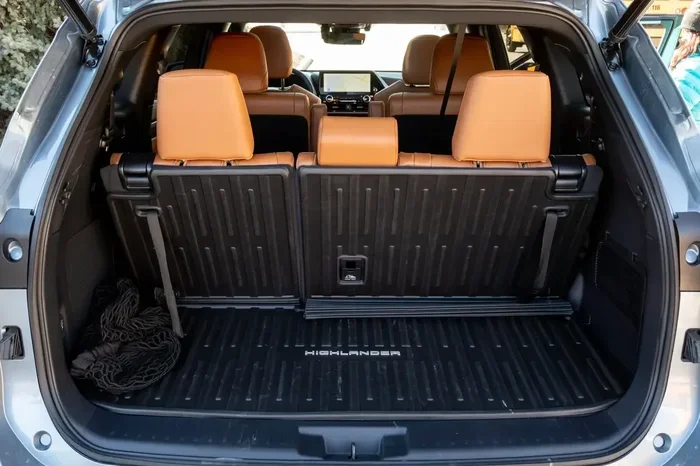
When you fold down the third-row seats, you gain more room. The cargo area behind the second row expands to approximately 41 inches in length. The width between the wheel wells is around 49 inches. This gives you a flat surface area of roughly 41 by 49 inches. A 4×8 plywood sheet is 96 inches long, so the sheet will extend well past the back of the cargo area. You will need to position the plywood so it sticks out through the rear opening or fold the second row as well.
Maximum Cargo Space With All Rear Seats Folded
If you fold down both the second and third rows, the Highlander opens up significantly. The total cargo floor length reaches about 72 to 80 inches depending on the model year. The width is around 49 inches at the floor. This is the configuration you want when trying to fit a 4×8 sheet. Even with everything folded, the 96-inch length of the plywood will extend past the tailgate. However, the sheet will lay mostly flat on the cargo floor and extend out the back.
Pro Tip: If you have a Highlander with a power liftgate, you can partially open the tailgate and slide the plywood through. This gives you a few extra inches of vertical clearance and makes loading much easier.
Standard 4×8 Plywood Sheet Dimensions
Before we go further, let us make sure we are working with the right numbers. A standard sheet of plywood sold at most home improvement stores measures 4 feet by 8 feet. That translates to 48 inches wide and 96 inches long. The thickness can vary from a thin quarter inch for craft projects to a full three-quarters inch for heavy-duty construction.
The weight of a 4×8 sheet also matters. A standard half-inch-thick sheet of plywood weighs around 50 to 60 pounds. A thicker three-quarter-inch sheet can weigh 75 pounds or more. This weight affects how you load the plywood and whether your Highlander can handle the load safely. Always check your Highlander’s maximum cargo weight capacity before loading heavy materials.
For reference, a standard 2023 Toyota Highlander has a maximum cargo capacity of about 1,500 pounds with all seats removed. So weight is generally not the limiting factor. The limiting factor is almost always the physical dimensions of the cargo area.
Can You Actually Fit a 4×8 Sheet in a Highlander?
Now for the real answer. The answer depends on how you position the plywood and which Highlander configuration you use. Let us look at the different scenarios.
Fitting the Plywood Flat on the Cargo Floor
With all rear seats folded down, you can place the plywood flat on the cargo floor. The 48-inch width of the sheet fits within the 49-inch cargo width. The 96-inch length extends past the tailgate by about 16 to 24 inches. This means the plywood sticks out the back of the vehicle. You will need to secure it properly so it does not shift during driving.
This method works well for short trips. However, if you are driving on the highway, the overhang can cause aerodynamic drag and make the vehicle feel less stable. It also exposes the plywood to road debris and weather.
Standing the Plywood Upright
Another option is to stand the plywood upright against the rear seatbacks. The 48-inch width of the sheet becomes the height when stood on its edge. The 96-inch length becomes the depth. With the second row folded down, the 72 to 80 inches of cargo length is not enough to accommodate a 96-inch sheet standing upright. The sheet will stick out past the front seats.
This method is less common and harder to secure. We do not recommend it for highway driving. The plywood can shift forward and block your view or become a projectile in a sudden stop.
Using a Roof Rack or Cargo Carrier
If the plywood does not fit comfortably inside, a roof rack is a great alternative. Most Toyota Highlanders come with roof rails or can be fitted with aftermarket crossbars. You can strap the plywood sheet on top of the vehicle securely. This keeps the cargo inside the vehicle’s footprint and avoids overhang issues.
Just make sure your roof rack is rated for the weight. A 4×8 sheet of plywood weighs 50 to 75 pounds. Most roof racks can handle this easily, but always check the manufacturer’s weight rating. Also, remember that a load on the roof raises your vehicle’s center of gravity, so drive more carefully, especially in turns.
Some owners have also had success using a cargo carrier or hitch-mounted carrier for transporting plywood. These options keep the load off the roof and lower to the ground, which improves stability.
Tips for Transporting Plywood Safely in a Highlander
Loading and securing a 4×8 sheet of plywood takes some effort, but it is worth it for safety and peace of mind. Here are practical tips that make the process smoother.
Use Ratchet Straps or Bungee Cords
Never let a sheet of plywood ride freely in your cargo area. Use at least two ratchet straps to secure the sheet to the cargo anchors in the Highlander. Loop the straps around the plywood and attach them to the tie-down points on the floor or seat anchors. Pull the straps tight so the plywood cannot shift in any direction.
Place a Moving Blanket Under the Plywood
Plywood sheets can scratch your Highlander’s cargo floor. Placing a moving blanket or old towel underneath the sheet protects the interior. It also provides a bit of friction, which helps prevent the plywood from sliding around during turns.
Check Local Laws on Cargo Overhang
If your plywood extends past the rear of the vehicle, check your local traffic laws. Many states require that cargo overhang beyond the vehicle by no more than a certain distance — often three to four feet. You may need to mark the overhanging portion with a red flag or reflective tape to alert other drivers.
Drive Carefully With a Long Load
A long piece of plywood sticking out the back changes how your Highlander handles. The vehicle may feel longer in turns, and braking distance can be affected. Keep your speed moderate, leave extra following distance, and avoid sharp turns when possible.
Ask for Help When Loading
A full sheet of plywood is awkward to handle alone. Get a friend or family member to help you load and secure the sheet. One person can hold the sheet steady while the other attaches the straps. This is faster, safer, and reduces the risk of damaging the plywood or your vehicle.
Alternative Options When the Highlander Won’t Work
Sometimes the plywood simply will not fit safely inside the Highlander, no matter how you position it. In those cases, you have several solid alternatives.
Rent a Larger Vehicle
If you only need to transport plywood once or twice, consider renting a larger vehicle. Many rental companies offer full-size SUVs and cargo vans with much more interior space. A full-size van can easily accommodate multiple sheets of plywood flat on the floor. This is a smart choice if you do not want to buy or borrow a bigger vehicle just for one project.
Use a Trailer or Utility Trailer
A small utility trailer is an excellent option for regular plywood hauling. Trailers attach to your Highlander’s tow hitch and provide a flat, open platform. You can carry several sheets at once without worrying about fitting them inside the vehicle. Just make sure your Highlander’s towing capacity can handle the trailer weight. Most Highlanders can tow between 1,500 and 5,000 pounds depending on the engine and configuration.
Have the Hardware Store Cut the Plywood
If you only need a smaller piece, ask the store to cut the plywood for you. Most home improvement stores will make a few free cuts with their panel saw. Getting a half-sheet (4×4) or a quarter-sheet (2×4) makes the material much easier to transport in any vehicle, including the Highlander.
Compare With Other SUVs
If you frequently haul large materials, you might want to compare the Highlander with other SUVs that offer more cargo space. Some midsize SUVs have longer cargo floors or wider openings that make fitting plywood easier. You can also look at how other vehicles handle the same challenge. For example, checking how a 4×8 sheet fits in a Transit Connect or another compact SUV can give you useful comparison data. The key is finding a vehicle that matches your hauling needs.
Common Mistakes to Avoid
- Forgetting to measure your specific model year. Highlander dimensions vary across generations. Always measure your own vehicle’s cargo area before assuming the plywood will fit.
- Securing the plywood too loosely. A poorly secured sheet can fly out of the vehicle at highway speeds. This is extremely dangerous for you and other drivers.
- Ignoring the weight of the plywood. Even though the Highlander has a high cargo capacity, stacking heavy items on top of the plywood can exceed safe limits.
- Driving with obstructed rear visibility. If the plywood blocks your rearview or side mirrors, do not drive until you can see clearly in all directions.
- Overloading the vehicle. Check your owner’s manual for the maximum cargo weight. Exceeding this limit affects handling and braking.
Expert Insights on Hauling Large Materials in SUVs
Experienced DIYers and contractors often share the same advice when it comes to hauling plywood in an SUV. First, always plan your route before you load up. Avoid roads with speed bumps, sharp turns, and rough terrain if you have a long overhang. Second, invest in a good set of ratchet straps. They cost under twenty dollars and make a huge difference in cargo security.
Some professionals recommend using a foam pad or old carpet piece under the plywood. This prevents scratches and adds grip. Others suggest tilting the plywood at a slight angle against the rear seatbacks to reduce the overhang length. Whatever method you choose, the most important thing is that the load is secure and does not obstruct your view or other drivers on the road.
If you regularly transport large sheets, consider adding a roof rack or cargo system to your Highlander. These accessories turn your SUV into a versatile hauling machine. They are especially useful for people who work in construction, remodeling, or furniture building.
Final Verdict
So, can you fit a 4×8 sheet of plywood in a Toyota Highlander? Yes, you can. With the rear seats folded down, the plywood will lay flat on the cargo floor, though it will extend past the tailgate. You will need to secure it properly with straps and be mindful of local traffic laws regarding cargo overhang. For occasional trips, this setup works well. For regular hauling, a roof rack, trailer, or having the store cut your sheets to size are excellent alternatives.
The Toyota Highlander is a capable family SUV, and with a little creativity, it can handle more than just groceries and soccer gear. Just remember to measure twice, secure everything tightly, and drive safely. Your next DIY project is one load of plywood away from getting started.
Before you head out, take a moment to review your Highlander’s owner manual for exact cargo dimensions and weight limits. This small step can save you time, money, and a lot of frustration on hauling day.
Frequently Asked Questions
Can a 4×8 sheet of plywood fit flat in a Toyota Highlander with all seats up?
No, a 4×8 sheet of plywood cannot fit with all seats in the upright position. The cargo space behind the third row is too small. You must fold down or remove the rear seats to fit the plywood inside the Highlander.
What is the cargo length of a Toyota Highlander with rear seats folded?
With both the second and third rows folded, the Highlander offers approximately 72 to 80 inches of cargo floor length. This varies slightly by model year. The 96-inch length of a 4×8 plywood sheet will extend past the tailgate by about 16 to 24 inches.
Do I need a roof rack to transport plywood in a Highlander?
A roof rack is not strictly necessary but is highly recommended. It allows you to strap the plywood on top of the vehicle, keeping the load secure and avoiding overhang issues. If you do not have a roof rack, you can also secure the plywood inside the cargo area with the rear seats folded down.
How do I secure a 4×8 plywood sheet in my Highlander?
Use at least two ratchet straps to secure the plywood to the cargo tie-down anchors. Place a moving blanket or foam pad underneath to prevent scratching. Make sure the straps are tight and the plywood cannot shift in any direction while driving.
Is it legal to have plywood sticking out of my vehicle?
Laws vary by state and jurisdiction. Many places allow cargo overhang of three to four feet beyond the rear of the vehicle, but you may need to mark the overhanging portion with a red flag or reflective tape. Always check your local traffic regulations before driving with an overhanging load.
Can I cut plywood at the store to make it fit better in my Highlander?
Yes, most home improvement stores like Home Depot and Lowe’s will cut plywood sheets for free or a small fee. Cutting a full 4×8 sheet into smaller pieces like a 4×4 or 2×4 makes it much easier to fit inside the Highlander’s cargo area without any overhang.
=== CONCLUSION ===
Fitting a 4×8 sheet of plywood in a Toyota Highlander is absolutely doable with the right approach. Fold down the rear seats, position the plywood flat on the cargo floor, and secure it tightly with ratchet straps. The sheet will extend past the tailgate, so drive carefully and follow local cargo laws. If the plywood does not fit comfortably inside, a roof rack or utility trailer offers excellent alternatives. Always measure your specific Highlander model, account for the weight of the plywood, and never compromise on cargo security. With these tips in mind, you can confidently haul your plywood and get your project started without any hassle.