Can a Toyota Corolla Last 20 Years and Still Run Great
A Toyota Corolla can absolutely last 20 years and still run great with proper care and regular maintenance. The Corolla is one of the most reliable cars ever built, and thousands of owners prove this every year. Regular oil changes, timely belt replacements, and smart driving habits make all the difference. Let us show you exactly what it takes to keep your Corolla running strong for two decades or more.
Key Takeaways
- Toyota Corollas routinely last 200,000+ miles with basic maintenance and care.
- Regular oil changes are the single most important factor in extending your Corolla’s lifespan.
- Timing belt and fluid replacements on schedule prevent costly breakdowns down the road.
- Rust prevention and body care play a bigger role in longevity than most owners realize.
- Driving habits matter — gentle acceleration and proper warming up reduce engine wear significantly.
- Corollas hold their value well and remain affordable to maintain even after 15+ years.
- Common problems are fixable and inexpensive when caught early through routine inspections.
📑 Table of Contents
- Can a Toyota Corolla Last 20 Years and Still Run Great?
- Why the Toyota Corolla Has Legendary Longevity
- Essential Maintenance for a 20-Year Corolla
- Common Issues That Affect Corolla Longevity
- Driving Habits That Extend Your Corolla’s Life
- Cost of Ownership After 15 Years
- Quick Tips for Maximum Longevity
- Expert Insights on Toyota Corolla Longevity
- Conclusion
Can a Toyota Corolla Last 20 Years and Still Run Great?
The short answer is yes. A Toyota Corolla can last 20 years and still run great. In fact, the Corolla has earned a reputation as one of the most reliable cars on the road for decades. People buy Corollas specifically because they want a vehicle that will keep going and going. And for the most part, Toyota delivers on that promise.
But let us be real. A Corolla does not just last 20 years on its own. It needs help. It needs regular Toyota Corolla maintenance, smart driving choices, and a little bit of attention here and there. Think of it like a friendship — you have to put in the work to keep it strong.
The good news is that maintaining a Corolla for 20 years is not complicated. It does not require expensive specialty work or rare parts. The basics are the same things every car owner should be doing anyway. Oil changes, fluid checks, belt replacements, and keeping the body clean. That is really it. The Toyota Corolla longevity story is one of the best in the automotive world, and we are going to break down exactly why.
Whether you already own a Corolla and want to keep it for another decade, or you are thinking about buying a used one, this guide has you covered. We will walk through everything you need to know about making your Corolla last 20 years and beyond.
Why the Toyota Corolla Has Legendary Longevity
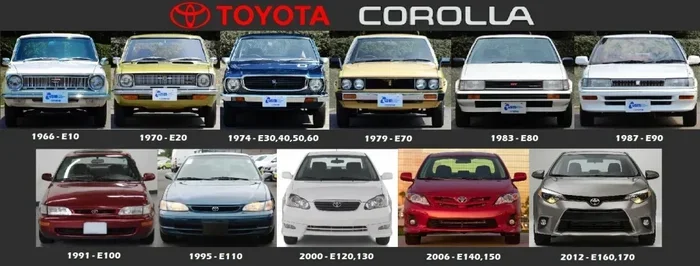
The Toyota Corolla has been around since 1966. That is over 55 years of continuous production. During that time, Toyota has refined the design, improved the engineering, and listened to what owners actually need. The result is a car that is built to endure. Here is why the Corolla stands out when it comes to vehicle longevity.
Simple, Proven Engineering
Toyota keeps things simple for a reason. The Corolla uses straightforward engine designs that have been tested and refined over many generations. There are no flashy gimmicks. No overly complex technology that breaks down. Just solid, dependable engineering that works. The Corolla engine durability is one of the main reasons these cars reach 200,000 miles and beyond without major issues.
Toyota also uses high-quality materials in the engine and transmission. The pistons, rings, and bearings are built to handle years of daily driving. The transmissions in modern Corollas are either well-built automatics or continuously variable transmissions (CVTs) that have been improved over time. These components are designed to last the life of the vehicle.
Global Track Record of Reliability
The Toyota reliability rating speaks for itself. Consumer Reports, J.D. Power, and other automotive organizations consistently rank the Corolla among the most reliable cars on the market. When millions of people around the world drive the same car for 20 years, you know the design works.
Many Corolla owners share stories online about crossing the 300,000-mile mark. Some even hit 400,000 miles. These are not rare exceptions. They are the norm when the car receives proper care. This track record gives the Corolla a huge advantage over many competitors in the long lasting car category.
Essential Maintenance for a 20-Year Corolla
Maintenance is the backbone of any Toyota Corolla upkeep plan. Without it, even the best-built car will eventually fall apart. The good news is that Corolla maintenance is affordable and straightforward. Here is what you need to do to keep your car running strong for two decades.
Oil Changes: The Most Important Step
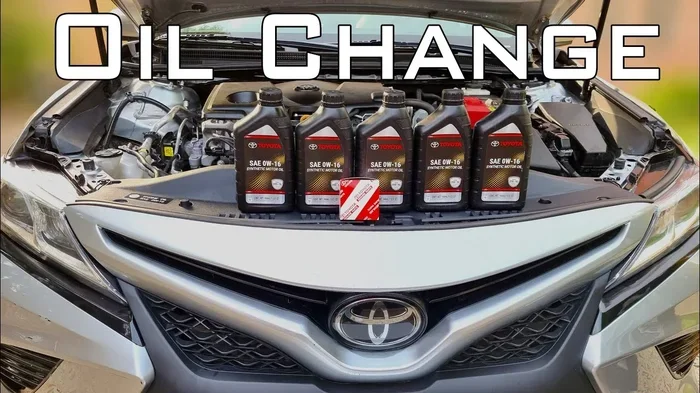
Nothing matters more than regular oil changes. Clean oil keeps the engine lubricated, cool, and free of harmful deposits. Skip oil changes, and you are asking for trouble. Most experts recommend changing your oil every 5,000 to 7,500 miles with conventional oil, or every 7,500 to 10,000 miles with synthetic oil.
For a high mileage Toyota, consider switching to high-mileage synthetic oil. It contains additives that help seal small gaps in older engines and reduce wear. This simple change can add years to your engine’s life.
Also, do not forget to replace the oil filter every time you change the oil. A clogged filter can restrict oil flow and cause engine damage over time. This is one of the cheapest maintenance tasks you can do, and it pays off enormously.
Timing Belt and Chain Maintenance
The timing belt or chain is one of the most critical components in your Corolla. If it fails, it can cause catastrophic engine damage. Most Toyota Corollas require a timing belt replacement every 60,000 to 105,000 miles, depending on the model year. Check your owner’s manual for the exact interval.
Replacing the timing belt on schedule is one of the best investments you can make. The cost is modest compared to the cost of engine repair from a belt failure. Some Corolla models use a timing chain instead, which is designed to last the life of the engine. But even chains can stretch over time, so get it inspected regularly.
Fluid Replacements
Your Corolla relies on several fluids to operate properly. Here is a quick list of what needs regular attention:
- Coolant — Flush and replace every 30,000 to 50,000 miles to prevent overheating and corrosion.
- Transmission fluid — Change every 60,000 to 100,000 miles for automatic transmissions. CVT models may need more frequent changes.
- Brake fluid — Replace every 20,000 to 40,000 miles to maintain safe braking performance.
- Power steering fluid — Check and top off as needed. Replace if the fluid looks dark or dirty.
Skipping fluid replacements is one of the most common Toyota Corolla problems that owners face after 15 years. Fresh fluids keep everything running smoothly and prevent expensive repairs.
Belt and Hose Inspections
Rubber belts and hoses degrade over time. They crack, swell, and eventually fail. Inspect your serpentine belt, drive belts, and all rubber hoses every 20,000 miles. Replace anything that shows signs of wear. This is a quick and inexpensive task that prevents roadside breakdowns.
Common Issues That Affect Corolla Longevity
Even the most reliable car can develop problems over time. The key is knowing what to watch for and addressing issues early. Here are some common concerns that can affect your Toyota Corolla longevity if ignored.
Rust and Body Corrosion
Rust is one of the biggest enemies of any car, and the Corolla is no exception. Older models were particularly susceptible to rust on the wheel wells, rocker panels, and undercarriage. If you live in a area that uses road salt in winter, rust can become a serious problem.
To prevent rust, wash your Corolla regularly, especially the underside. Apply a rust-proofing treatment every few years. Fix any chips or scratches in the paint promptly. Rust that starts small can spread quickly and cause structural damage. A clean, well-protected Corolla body can easily last 20 years without rust issues.
Engine Oil Consumption
Some older Corolla models, particularly those with higher mileage, tend to use a little extra oil. This is not necessarily a sign of a serious problem, but it should not be ignored. Check your oil level every week and top off as needed. If you are adding more than a quart between changes, have a mechanic inspect the engine for leaks or worn piston rings.
CVT Transmission Concerns
Continuously variable transmissions, or CVTs, have been a topic of debate among car owners. Some Corolla models use CVTs, and while they are fuel-efficient and smooth, they can develop issues over time. Common problems include whining noises, shuddering, and delayed response. Regular fluid changes are the best way to prevent CVT problems. If you notice any unusual behavior, get it checked immediately.
Suspension Wear Over Time
After 15 to 20 years, suspension components like shocks, struts, and control arm bushings wear out. You might notice more noise over bumps, a rougher ride, or uneven tire wear. Replacing these parts is relatively affordable and keeps the car safe and comfortable to drive. Do not ignore suspension issues — they affect handling and braking performance.
Driving Habits That Extend Your Corolla’s Life
How you drive your Corolla matters just as much as how you maintain it. Good driving habits reduce wear and tear on the engine, transmission, and other components. Here are some habits that will help your car reach the 20-year mark and beyond.
Warm Up the Engine Gently
When you start your Corolla in the morning, let it idle for 30 seconds to a minute before driving. This allows the oil to circulate and the engine to reach operating temperature. Avoid revving the engine hard during the first few minutes of driving. A gentle warm-up reduces engine wear significantly over the long term.
Avoid Aggressive Driving
Hard acceleration and sudden braking put extra stress on every part of your car. The engine works harder, the transmission takes more of a beating, and the brakes wear out faster. Smooth, steady driving is kinder to your car and also improves fuel efficiency. Think of yourself as a gentle driver, not a race car driver.
Keep the RPMs in the Right Range
Avoid holding the engine at very high RPMs for extended periods. This causes extra wear on internal components. On the highway, use cruise control when possible to maintain a steady speed. In the city, shift gears smoothly and avoid lugging the engine at low RPMs.
Do Not Ignore Warning Lights
That check engine light is trying to tell you something. Do not ignore it. Even a small issue like a loose gas cap can trigger the light, but it could also signal something more serious. Get any warning lights checked as soon as possible. Early detection prevents small problems from becoming big expenses.
Cost of Ownership After 15 Years
One of the biggest advantages of owning a Toyota Corolla long-term is the cost of ownership. Compared to many other cars, the Corolla remains affordable to maintain and repair even after 15 years. Here is a realistic look at what to expect.
Maintenance Costs Stay Low
Corollas use widely available parts that are not expensive. Oil changes, brake pads, filters, and wiper blades are all affordable. Even major repairs like a water pump or alternator replacement cost a fraction of what you would pay for a luxury brand. The Toyota Corolla longevity story includes keeping costs low throughout the vehicle’s life.
Fuel Efficiency Holds Up
Even after 20 years, a well-maintained Corolla still delivers excellent fuel economy. Older models may not match the efficiency of newer ones, but they still get good mileage. This keeps your monthly driving costs low and makes the car even more affordable to own long-term.
Resale Value and Reliability
Corolla resale value remains strong because of the car’s reputation for reliability. Even a 15-year-old Corolla in good condition holds its value reasonably well. This makes it easy to sell or trade in when you are ready for a new vehicle. The long lasting car reputation of the Corolla benefits owners at every stage of ownership.
Quick Tips for Maximum Longevity
Here are some quick tips that make a big difference over 20 years of ownership:
- Change the oil every 5,000 to 7,500 miles without fail.
- Replace the timing belt on schedule — do not wait until it is overdue.
- Keep all fluid levels topped off and replace fluids at recommended intervals.
- Wash the car regularly and apply rust protection, especially in winter months.
- Store the car in a garage or covered area whenever possible.
- Address small problems immediately before they become big ones.
- Keep a maintenance log to track all services and repairs.
- Use quality parts and fluids — cheap alternatives can cause problems down the road.
Expert Insights on Toyota Corolla Longevity
Automotive experts agree that the Toyota Corolla is one of the best choices for long-term ownership. According to mechanics and automotive analysts, the Corolla’s simple design and high-quality manufacturing are the primary reasons it outlasts many competitors. The Toyota reliability rating is not just a marketing claim — it is backed by decades of real-world data.
Many mechanics recommend treating your Corolla like a daily companion rather than a disposable vehicle. When you care for it properly, it rewards you with years of dependable service. The key is consistency. Do not skip maintenance just because the car seems fine. Prevention is always cheaper and easier than repair.
One expert tip from long-time Corolla owners is to pay attention to the small things. Listen for unusual noises. Feel for vibrations in the steering wheel. Notice any changes in how the car drives. These small observations can catch problems early and save you thousands of dollars in repairs over the life of the vehicle.
Another valuable insight is to find a trusted mechanic who knows Toyota vehicles well. A good mechanic who understands the Corolla’s quirks can spot potential issues before they become serious. Building a relationship with a reliable shop is one of the best investments you can make for long-term car ownership.
Conclusion
So, can a Toyota Corolla last 20 years and still run great? Absolutely. The Corolla is built to last, and with the right care, it will easily reach the 20-year mark without missing a beat. The key is consistent maintenance, smart driving habits, and paying attention to the small things before they become big problems.
The Toyota Corolla longevity is not a mystery. It comes down to simple, proven practices that any car owner can follow. Regular oil changes, timely fluid replacements, rust prevention, and gentle driving all add up over two decades. The result is a car that still feels reliable, safe, and efficient long after most vehicles would have given up.
If you take care of your Corolla, it will take care of you. That is the beauty of owning one of the most long lasting cars ever made. Start following these tips today, and your Corolla will keep running great for years to come.
And remember, the care you put into your car now pays off big time down the road. Whether you are at 50,000 miles or 150,000 miles, it is never too late to start treating your Corolla right. A 20-year-old Corolla that still runs great is not a dream — it is a realistic goal that thousands of owners achieve every single year.
One final thought — if you are considering buying a used Corolla, do not hesitate. A well-maintained Corolla from 15 or 20 years ago is one of the best values on the used car market. Just make sure to get a thorough inspection and request the maintenance records. With the right history, a Toyota Corolla will keep going strong for another decade or more.
Also, if you are wondering about smaller details like whether a worn key could affect starting, check out can a worn out key prevent a car from starting — it is a common issue that affects older vehicles. And for fuel-related questions, many owners ask can you mix ethanol and non ethanol gas in a car, which is an important consideration for Corolla owners who want to protect their engine. Finally, proper oil selection matters for long engine life, so it is worth reading about can you use 5w 20 instead of 0w 20 to make the best choice for your vehicle.
Frequently Asked Questions
How many miles can a Toyota Corolla last with proper maintenance?
A well-maintained Toyota Corolla can easily last 200,000 to 300,000 miles or more. Many owners report crossing the 300,000-mile mark without major engine or transmission failures. The key is staying consistent with oil changes, fluid replacements, and timely belt services.
What is the most common reason a Corolla does not last 20 years?
The most common reason is neglected maintenance. Skipping oil changes, ignoring fluid replacements, and failing to address small problems early leads to major breakdowns. Rust is also a significant factor, especially in areas that use road salt during winter months.
Is it expensive to maintain a Toyota Corolla after 15 years?
No, maintaining a Corolla after 15 years is generally quite affordable. Parts are widely available and reasonably priced. Routine services like oil changes, brake jobs, and fluid flushes cost much less than many other vehicles. Major repairs are uncommon if you stay on top of maintenance.
Can I still drive my 20-year-old Toyota Corolla every day?
Yes, many people drive their 20-year-old Corollas as daily drivers. The Corolla’s reputation for reliability means these cars remain safe and dependable even after two decades. Just make sure to stay current with all maintenance and address any issues promptly.
What should I check before buying a high-mileage Corolla?
Before buying a high-mileage Corolla, request a full service history and have a trusted mechanic perform a thorough inspection. Check the oil condition, transmission operation, suspension components, and look for any signs of rust or previous accident damage. A clean maintenance record is the best sign of a well-cared-for Corolla.
Do newer Corolla models last longer than older ones?
Newer Corolla models benefit from improved technology and materials, but older models are often simpler and easier to maintain. Both can last 20+ years with proper care. The key difference is that newer models may have more complex electronics that can develop issues, while older models have fewer things to go wrong mechanically.