Can Skipping Oil Changes Cause Overheating in Your Car
Skipping oil changes is one of the fastest ways to wreck your engine. Old oil loses its ability to lubricate and cool, which means your engine can overheat fast. Regular oil changes keep your engine running smooth and prevent overheating.
Your car’s engine is a marvel of engineering. It has hundreds of moving parts that spin, slide, and collide at incredible speeds. All of that motion creates heat. A lot of it. And without proper engine oil, that heat has nowhere to go. So, can skipping oil changes cause overheating? The short answer is yes. The longer answer is yes, and it can cost you a fortune if you ignore it.
Most car owners don’t think about their oil until something goes wrong. You might be running low, or you might have skipped an oil change entirely. Maybe you told yourself you’d get to it next week. Then next month. Then you forget about it altogether. This is a common mistake, and it can lead to engine overheating, engine damage, and even a complete engine failure.
This article breaks down exactly what happens when you skip oil changes, how oil keeps your engine cool, and what you can do to prevent car overheating. Whether you are a new driver or someone who has been behind the wheel for years, this guide will help you understand why regular oil changes matter more than you might think.
Key Takeaways
- Old oil breaks down: It loses viscosity and can no longer protect your engine from heat and friction.
- Overheating is a real risk: Without fresh oil, engine temperatures can spike dangerously.
- Warning signs are clear: Dashboard lights, strange noises, and steam under the hood all point to trouble.
- Cost of ignoring it is high: A new engine costs thousands, while an oil change costs a fraction of that.
- Follow your manual: Most cars need an oil change every 5,000 to 7,500 miles, but check your owner’s guide.
- Prevention is easy: Stick to a schedule and your engine will thank you for years.
📑 Table of Contents
What Happens When You Skip Oil Changes
Engine oil does more than just lubricate. It cleans, cools, and protects every moving part inside your engine. When you skip an oil change, all of that breaks down. Here is what happens step by step.
Oil Degrades Over Time
Fresh oil is golden and smooth. It flows easily through your engine’s passages. But over time, heat breaks it down. This is called thermal breakdown. The oil loses its oil viscosity, which means it gets thinner or thicker than it should be. Either way, it stops doing its job.
Dirty oil also picks up dust, metal shavings, and debris. These particles float around inside your engine and cause extra wear. Think of it like trying to run a marathon with sand in your shoes. It is not a good feeling, and it only gets worse over time.
Friction Increases
When oil breaks down, metal parts start rubbing against each other. This creates friction. Friction creates heat. And heat is the enemy of your engine. Without proper lubrication, the internal components wear out faster. This is one of the main reasons engine overheating happens.
You might not notice this at first. The damage builds slowly. But one day, your temperature gauge spikes, and you are stranded on the side of the road.
Oil Pressure Drops
Old oil does not flow as well. This means oil pressure drops. Low oil pressure means less oil reaches the parts that need it most. Your engine’s hottest areas, like the cylinder walls and bearings, suffer the most. Without enough oil reaching these spots, temperatures can rise fast.
If you ever notice your oil pressure warning light on the dashboard, pull over safely. This is your engine telling you something is seriously wrong.
How Oil Prevents Engine Overheating
Most people think the coolant system is the only thing keeping their engine from overheating. That is not true. Oil plays a huge role in heat dissipation. Here is how it works.
Oil Absorbs Heat
As oil circulates through your engine, it picks up heat from the pistons, crankshaft, and camshaft. It carries that heat away from these hot spots and brings it back to the oil pan. From there, the heat dissipates into the air. This process is called heat transfer, and it is essential for keeping your engine at a safe temperature.
Without fresh oil, this heat transfer slows down. The engine runs hotter than it should. Over time, this leads to overheating.
Oil Works With the Cooling System
Your engine has two cooling systems: the coolant system and the oil system. They work together. Coolant handles the big heat loads. Oil handles the smaller, more targeted heat areas. When your oil is old and dirty, the oil system cannot do its part. This puts extra stress on the coolant system, which can eventually fail too.
Think of it like a team. If one player stops doing their job, the others have to pick up the slack. Eventually, everyone gets overwhelmed.
Warning Signs Your Engine Is Overheating
Catching car overheating early can save you from a massive repair bill. Here are the warning signs you should never ignore.
Temperature Gauge Spiking
This is the most obvious sign. If your temperature gauge moves into the red zone, pull over immediately. Do not keep driving. Continuing to drive with an overheating engine can cause warped cylinder heads, blown head gaskets, or even a cracked engine block.
If you have ever wondered, can a car overheat on a hot day, the answer is yes. But engine overheating from old oil is different. It can happen on any day, no matter the weather.
Strange Noises From the Engine
Old oil does not lubricate well. This means metal parts start knocking, ticking, or clunking. If you hear new sounds coming from under the hood, get your oil checked. These noises often mean the oil level is low or the oil quality has degraded.
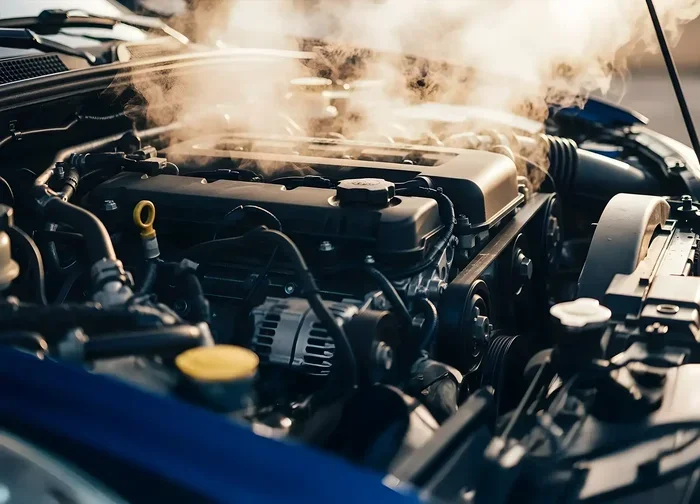
Steam or Smoke Under the Hood
If you see steam or smoke coming from your engine bay, stop driving. This is a sign that something is overheating. It could be old oil, a coolant leak, or both. Call a tow truck and get your car to a mechanic.
Oil Smell Inside the Car
A burnt oil smell inside your cabin is a red flag. This usually means oil is leaking onto hot engine parts. It can also mean your oil is so old and degraded that it is burning inside the engine. Either way, you need to address this right away.
How Often Should You Change Your Oil?
The old rule of thumb was every 3,000 miles. But modern engines and oils have changed things. Most cars today can go longer between oil changes. Still, the right interval depends on several factors.
Check Your Owner’s Manual
Your car’s owner manual has the manufacturer’s recommended oil change interval. For most newer cars, this is between 5,000 and 7,500 miles. Some synthetic oils can last up to 10,000 miles. But these are just guidelines. Your driving habits matter too.
Driving Conditions Matter
Do you drive in stop-and-go traffic? Do you tow heavy loads? Do you drive in extreme heat or cold? These are all considered “severe” driving conditions. If any of these apply to you, you should change your oil more often than the manual suggests.
Severe driving causes oil to break down faster. The oil filter gets clogged sooner. And the engine temperature rises higher than normal. All of this increases the risk of overheating.
Set Reminders
Do not rely on memory. Set a reminder on your phone or use your car’s maintenance tracking system. Many newer cars have oil life monitoring systems that tell you exactly when it is time for a change. Use them.
The Cost of Ignoring Oil Changes
Let us talk numbers. An oil change costs between $35 and $75 for most cars. Synthetic oil changes might run $65 to $125. That is a small price to pay for engine protection.
Now let us talk about what happens if you skip oil changes and your engine overheats.
A new engine can cost anywhere from $4,000 to $8,000 or more. A blown head gasket repair can run $1,000 to $2,000. A cracked engine block? That might mean a total loss. The numbers speak for themselves.
And what if you keep driving with an overheating engine? You might face issues like a P0171 code, which is related to fuel trim and engine performance. If you are wondering, can I still drive with a P0171 code, the honest answer is you should not. The same logic applies to an overheating engine. Continuing to drive only makes things worse.
Some people worry about the cost of regular maintenance. But the truth is, preventive maintenance like oil changes is the cheapest form of car care. It keeps small problems from becoming big, expensive ones.
Insurance and Resale Value
Did you know that skipping oil changes can also hurt your car’s resale value? Buyers and dealers look at maintenance records. A car with a history of skipped oil changes is worth less. It also raises red flags about hidden engine problems.
On the insurance side, if your engine fails due to neglect, your policy might not cover the repair. Most standard auto insurance policies do not cover mechanical breakdowns caused by lack of maintenance. This is another reason to keep up with your oil changes.
Quick Tips for Keeping Your Engine Cool
Preventing engine overheating is easier than you think. Here are some simple tips that make a big difference.
- Check your oil level monthly: Pop the hood and use the dipstick. If the oil is low, top it off. If it looks dark and gritty, it is time for a change.
- Watch your temperature gauge: Keep an eye on it while driving. If it starts climbing, pull over safely and let the engine cool down.
- Change your oil filter too: A dirty oil filter restricts oil flow. Always replace the filter when you change the oil. This is a small step that makes a big difference.
- Use the right oil: Check your manual for the recommended oil viscosity. Using the wrong oil can affect how well it lubricates and cools your engine.
- Do not ignore leaks: If you see oil spots under your car, get it checked. Low oil means less cooling and more friction.
- Keep up with all maintenance: Oil changes are just one part of the puzzle. Regular tune-ups, coolant flushes, and radiator checks all help prevent overheating.
Final Thoughts
Can skipping oil changes cause overheating? Without a doubt. Old oil loses its ability to lubricate, cool, and protect your engine. The result is increased friction, rising temperatures, and eventually, engine overheating. The damage can be expensive and sometimes irreversible.
The good news is that prevention is simple. Stick to a regular oil change schedule. Watch for warning signs. And never ignore your temperature gauge. Your engine is the heart of your car. Treat it well, and it will keep running strong for years to come.
Do not wait until something goes wrong. Schedule your next oil change today. Your wallet, your engine, and your peace of mind will all thank you.
Frequently Asked Questions
Can I still drive my car if it is overheating?
No, you should not. Driving with an overheating engine can cause severe damage like warped cylinder heads or a blown head gasket. Pull over safely, turn off the engine, and let it cool down. Call for a tow if needed.
How long can you drive with old oil before the engine overheats?
It depends on the condition of the oil and your driving habits. In some cases, engine damage can start within a few hundred miles of the oil change due date. The longer you wait, the higher the risk of overheating and permanent engine wear.
Does oil type affect how often I need a change?
Yes, it does. Conventional oil typically needs changing every 3,000 to 5,000 miles. Synthetic oil can last 7,500 to 10,000 miles. Always check your owner’s manual and follow the manufacturer’s recommendation for your specific vehicle.
Can low oil cause the same overheating as old oil?
Absolutely. Low oil means less lubrication and less heat absorption. Whether the oil is old or the level is low, the result is the same: increased friction and rising engine temperatures. Check both regularly.
What should I do if my oil light comes on while driving?
Pull over immediately and turn off the engine. Driving with the oil light on can lead to catastrophic engine failure. Check the oil level once the engine has cooled. If it is low, add oil. If the light stays on, call a mechanic.
Is it worth switching to synthetic oil for better engine protection?
Yes, in most cases. Synthetic oil performs better at extreme temperatures and lasts longer than conventional oil. It provides superior heat dissipation and protection against engine wear. It costs a bit more, but the benefits are well worth it.