Can You Wash Your Car Too Much And Ruin It Forever
Can you wash your car too much? The answer might surprise you. Yes, over washing your vehicle can strip away protective wax, damage the clear coat, and lead to long-term paint problems. But washing too little can be just as harmful, causing rust and buildup that eats into your car’s body. Finding the sweet spot is all about understanding your car’s needs, your local environment, and the right car care routine. This guide breaks down everything you need to know about car wash frequency and how to keep your ride looking great without causing harm.
You love your car. You want it to look shiny and clean every single day. But here is the thing most car owners do not think about. Can you wash your car too much? It sounds like a strange question. After all, clean is good, right? Not always. Washing your vehicle too often can actually do more harm than good. The paint, the clear coat, and the protective layers on your car are not invincible. They wear down over time, and every wash takes a tiny toll. In this article, we will explore why over washing is a real problem, how it damages your car, and what the right car wash frequency should be. By the end, you will know exactly how to care for your vehicle without putting it at risk.
Let us be honest. Most of us wash our cars because it looks good. A shiny car feels great to drive. It makes you proud. But there is a fine line between keeping your car clean and accidentally ruining it. Paint damage, wax wear, and clear coat erosion are all real consequences of washing too often or using the wrong methods. The good news is that a little knowledge goes a long way. You do not need to choose between a dirty car and a damaged one. There is a middle path, and this guide will show you exactly how to find it.
Key Takeaways
- Yes, you can wash your car too much: Over washing strips wax, damages the clear coat, and accelerates paint oxidation.
- Wax and protective coatings wear down: Each wash removes a thin layer of protection, especially with harsh methods.
- Car wash frequency depends on conditions: Where you live, how you drive, and what your car encounters daily all matter.
- Hand washing is gentler than automatic car washes: The right technique makes a huge difference in long-term paint health.
- Water spots and soap residue cause real damage: Letting either sit on your car’s surface leads to etching and dullness.
- A smart car detailing routine beats frequent washing: Focus on quality over quantity with proper products and methods.
📑 Table of Contents
The Surprising Truth About Washing Your Car Too Much
Most car owners believe that more washing equals better protection. If you wash away dirt and grime, you protect the paint. That logic makes sense on the surface. But underneath that shiny exterior, things are not so simple. Every time you wash your car, you are removing something. Dirt, yes. But also protective wax, sealant, and sometimes even tiny layers of the clear coat itself. Over time, this adds up. Can you wash your car too much? Absolutely. And the damage is often invisible until it is too late.
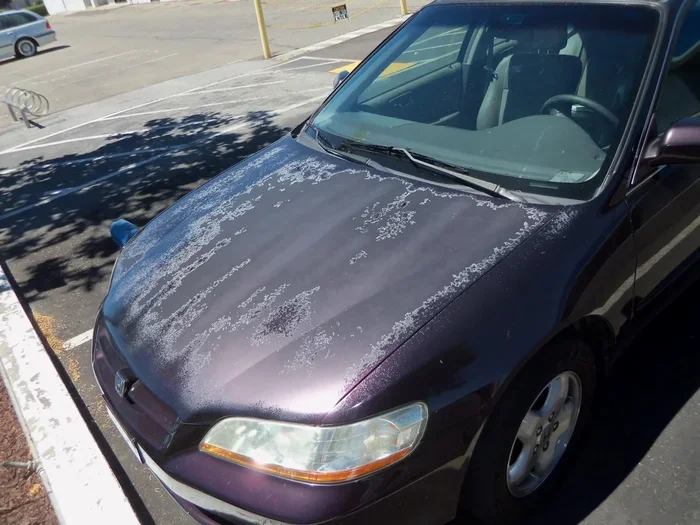
The paint on your car is made up of layers. There is the base coat, which gives your car its color. Then there is the clear coat, a transparent shield that protects the base coat from UV rays, road debris, and environmental contaminants. When you wash too frequently or use harsh methods, you thin out this clear coat. Once it is compromised, the base coat underneath is exposed. That is when you start seeing paint oxidation, fading, and dullness. No amount of wax can fully fix that once it starts.
What Happens When You Over Wash
So what exactly goes wrong when you wash your car too much? Let us break it down. First, the soap strips away the wax layer. Wax is your car’s first line of defense. It repels water, blocks UV rays, and creates a smooth surface that dirt has a hard time sticking to. Once the wax is gone, your car is vulnerable. Second, repeated washing can cause micro scratches. Even with a soft microfiber cloth, if you are washing frequently, you are rubbing the surface more often. Over time, these micro scratches build up and create a dull, hazy appearance known as swirl marks.
Third, water spots become a bigger problem. When hard water dries on your car’s surface, it leaves behind mineral deposits. These spots can etch into the paint if left untreated. The more often you wash, the more often you expose your car to water, and the more opportunities water spots have to form. Finally, if you live in a dry climate, frequent washing can actually accelerate paint oxidation by removing the thin layer of oils that naturally protect the paint surface.
How Over Washing Damages Your Vehicle
Understanding the damage is the first step toward preventing it. Let us look at the specific ways over washing harms your vehicle. Each of these problems starts small but grows worse with repeated exposure.
Stripping Wax and Protective Coatings
Your car’s wax or sealant is designed to last for weeks or even months. But every wash removes some of it. If you are washing your car every few days, you are essentially never letting the wax fully do its job. Protective coating wear is the most common result of over washing. Without wax, your car loses its ability to repel water, resist bird droppings, and block harmful UV rays. The result? A surface that dulls faster and attracts dirt more easily.
Clear Coat Erosion
The clear coat is the hardest layer of your car’s paint. But it is not indestructible. Harsh washing techniques, especially those involving abrasive sponges or automatic car wash brushes, can erode the clear coat over time. Once the clear coat is thin or damaged, it cannot be repaired easily. You would need a professional car detailing service or even a full paint job to fix it. This is one of the most expensive consequences of washing too much or too aggressively.
Water Spots and Mineral Buildup
Every time water touches your car and evaporates, it leaves behind minerals. Calcium, magnesium, and other dissolved solids create hard water spots. These spots are not just ugly. Over time, they eat into the paint. If you wash your car frequently, you are constantly exposing it to this cycle. The spots become harder to remove with each occurrence. In severe cases, they can permanently stain the paint and require sanding and repainting.
Rust Prevention Becomes Harder
Here is a twist that surprises many car owners. You wash your car to prevent rust, but over washing can actually promote it. How? When you strip away wax and protective layers, moisture has an easier time reaching the metal underneath. If your car has any small chips or scratches in the paint, those areas become entry points for water and road salt. Without a protective barrier, rust can start forming in hidden spots. Rust prevention depends on balance. You need to keep contaminants off, but you also need to keep protection on.
How Often Should You Actually Wash Your Car
Now that you know the risks of over washing, the next question is obvious. How often should you wash your car? The truth is there is no single answer. It depends on several factors, including where you live, how you use your car, and what kind of environment your vehicle spends most of its time in.
Factors That Affect Car Wash Frequency
Let us look at the key factors that determine how often you should wash:
- Climate and weather: If you live in a rainy area, your car gets washed naturally by the rain. But rain also leaves water spots and carries pollutants. In dry climates, dust and UV exposure are the main concerns. Coastal areas bring salt air, which is especially damaging to paint and metal.
- Driving conditions: Do you drive on salted roads in winter? Do you park under trees that drop sap and bird droppings? These conditions call for more frequent washing, but not daily washing.
- Parking location: A car parked in a garage stays cleaner longer. A car parked outside is exposed to bird droppings, tree sap, dust, and UV rays every day.
- Vehicle color: Lighter colored cars show dirt less but also show water spots more clearly. Darker cars show every speck of dust and every swirl mark.
A General Guideline for Washing
For most car owners, washing every two weeks is a solid baseline. This keeps contaminants from building up without stripping away protective layers too quickly. If your car is exposed to harsh conditions, you might need to wash it weekly. But even then, you should not wash it more than once a week unless absolutely necessary. And when you do wash, use gentle methods and quality products to minimize damage.
The Right Way to Wash Your Car Without Causing Harm
Knowing how often to wash is only half the battle. The other half is how you wash. Even if you wash less frequently, using the wrong method can still cause damage. Here is how to wash your car the right way and protect your paint at the same time.
Choose the Right Method
Not all washing methods are created equal. Let us compare the most common options:
- Hand washing: This is the gentlest method. You control the pressure, the temperature, and the products. Use a soft wash mitt, a high-quality car soap, and plenty of clean water. Dry with a plush microfiber cloth to prevent water spots.
- Automatic car wash: Convenience is the big advantage. But many automatic washes use harsh brushes and high-pressure jets that can scratch the paint and strip wax quickly. Touchless car washes are gentler but may not remove heavy grime effectively.
- Waterless wash: These spray-on products are great for light cleaning between full washes. They contain lubricants that lift dirt without scratching. But they are not a replacement for a proper wash when your car is heavily soiled.
Use the Right Products
Your choice of soap matters more than most people realize. Dish soap and household cleaners are too harsh for automotive paint. They strip wax aggressively and can dry out the clear coat. Invest in a pH-balanced car wash soap that cleans effectively without removing protection. Look for products that are specifically designed for automotive use and avoid anything with strong detergents.
Dry Properly
One step that many people skip is proper drying. When you let your car air dry, the water evaporates and leaves behind mineral deposits. These become water spots that are difficult to remove. Use a clean, soft microfiber cloth or a chamois to dry your car gently. Pat rather than rub, and work in sections to prevent water from drying before you can wipe it away.
Apply Protection After Washing
Every time you wash your car, you should think about reapplying protection. Wax, sealant, or ceramic coating all help restore the barrier that washing removes. A good car detailing routine includes washing, drying, and then applying a fresh layer of protection. This keeps your car safe between washes and reduces the need for frequent cleaning.
Common Mistakes People Make When Washing Their Car
Even well-meaning car owners make mistakes that lead to damage. Here are the most common ones to avoid.
Using the Same Sponge for the Whole Car
This is one of the biggest mistakes. A sponge picks up dirt and grit from the surface and then drags it across the paint. Over time, this creates fine scratches. Use a dedicated wash mitt made from microfiber or lambswool. These materials trap dirt in their fibers instead of dragging it across the surface. Rinse the mitt frequently and use a separate one for the wheels and the body.
Washing in Direct Sunlight
Washing your car in direct sunlight might feel natural on a sunny day, but it is a bad idea. The sun causes the soap and water to dry too quickly, leaving spots and residue. It also heats up the paint, which can cause the soap to bond to the surface before you rinse it off. Always wash in the shade or on a cloudy day. If that is not possible, work in small sections and rinse each one immediately.
Ignoring the Undercarriage
Your car’s undercarriage takes the biggest beating from road salt, mud, and debris. If you never rinse the bottom of your car, rust and corrosion can develop in hidden areas. Make sure your car care routine includes an undercarriage rinse, especially during winter months when road salt is in use. Many automatic car washes offer an undercarriage flush for this purpose.
Skipping the Drying Step
We mentioned this earlier, but it is worth repeating. Skipping the dry step is one of the fastest ways to ruin a freshly washed car. Water spots form within minutes of the water evaporating. Always dry your car thoroughly after every wash. Keep a dedicated drying towel in your garage so it is always ready to go.
Expert Tips for a Perfect Car Care Routine
Building a smart car care routine does not have to be complicated. Here are some expert-backed tips that will help you keep your car looking great without over washing it.
Rinse More, Wash Less
If your car gets dirty during the week, do not reach for the hose and soap just yet. A quick rinse with plain water removes loose dirt, pollen, and bird droppings without disturbing the wax layer. Save the full soap wash for your scheduled wash day. This simple habit can cut your washing frequency in half while keeping your car cleaner between washes.
Invest in a Good Ceramic Coating
If you want long-lasting protection without constant maintenance, consider a ceramic coating. These coatings bond chemically with the paint and create a hydrophobic surface that repels water, dirt, and contaminants. A quality ceramic coating can last for months or even years, reducing the need for frequent washing and waxing.
Keep a Detailing Schedule
Instead of washing on a random schedule, create a car detailing calendar. Plan your washes, wax applications, and deep cleanings in advance. This keeps you consistent without over doing it. A typical schedule might include a light rinse once a week, a full wash every two weeks, and a wax application once a month. Adjust based on your driving conditions and local environment.
Pay Attention to What Your Car Is Telling You
Your car gives you signals when it needs attention. Water beading on the surface means the wax is still doing its job. A dull, flat appearance means the protection has worn off and a fresh wax is needed. Visible dirt and grime mean it is time for a wash. Learning to read these signs helps you wash only when necessary and avoid unnecessary over washing.
Quick Tips for Better Results
- Always use two buckets when hand washing. One for soapy water and one for rinsing your mitt. This prevents you from dragging dirt back across the paint.
- Use a grit guard in your wash bucket. It traps dirt at the bottom so your mitt stays clean.
- Never use a dirty towel to dry your car. Always start with a clean, dry microfiber cloth.
- Wash your wheels and tires first. They are the dirtiest part and the dirty water can splash onto your clean paint.
- Use a pH-neutral soap that is safe for wax and sealant. Harsh soaps undo all your hard work.
Conclusion
Can you wash your car too much? The answer is a clear yes. Over washing strips away wax, erodes the clear coat, causes water spots, and can even promote rust. But the good news is that with the right knowledge, you can avoid all of these problems. The key is balance. Wash your car often enough to keep contaminants from building up, but not so often that you remove the protection your car needs. Follow a smart car wash frequency based on your environment and driving conditions. Use gentle methods and quality products. And always dry your car properly after every wash.
Your car is a big investment. Taking care of it does not mean washing it every day. It means being smart about when and how you clean it. With the tips and insights from this guide, you are now equipped to build a car care routine that keeps your vehicle looking its best for years to come. So the next time you reach for the hose, ask yourself if it is really necessary. Your paint will thank you for it.
Frequently Asked Questions
How do I know if I am washing my car too much?
If your car looks dull even after washing, if you notice more water spots than usual, or if the wax seems to wear off faster than it should, you are likely washing too frequently. Another sign is visible swirl marks or micro scratches on the paint surface. These indicate that the clear coat is being worn down by repeated washing.
Can washing my car too often cause rust?
Yes, it can. When frequent washing strips away wax and protective layers, moisture has an easier path to reach the metal underneath. If your car has any chips or scratches in the paint, water can seep through and cause rust. This is especially true in winter when road salt is present on the roads.
What is the best car wash frequency for most drivers?
For most drivers, washing every two weeks is ideal. However, this can vary based on your local environment. If you live near the coast, drive on salted roads, or park outside under trees, you may need to wash more often. Always balance cleanliness with protection.
Is a touchless automatic car wash safe for my paint?
Touchless automatic car washes are generally safer than brush-based ones because they do not use physical contact. However, the high-pressure water jets can still push dirt into the paint if the system is not well-maintained. For the safest option, hand washing with proper technique remains the gold standard.
Should I wax my car after every wash?
No, waxing after every wash is unnecessary and can lead to wax buildup. A good rule of thumb is to apply a fresh coat of wax once a month or whenever you notice that water no longer beads properly on the surface. Quality waxes last several weeks with proper care.
What is the difference between car wax and car sealant?
Car wax is a natural or synthetic product that provides a warm, deep shine and lasts for a few weeks. Car sealant is a synthetic product that creates a harder, longer-lasting protective layer, often lasting several months. Many car owners use both, applying sealant for long-term protection and wax for that extra glow before special occasions.