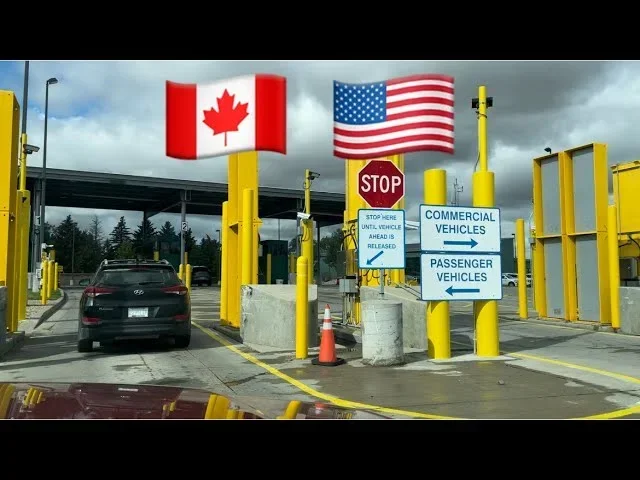
Can I Take a Rental Car to Canada Without Any Hassle
Yes, you can take a rental car to Canada in most cases, but it depends on your rental company’s policies, border crossing rules, and insurance coverage. This guide covers everything you need to know about cross-border driving with a rental car to Canada, including required documents, potential fees, and expert tips for a hassle-free trip.
Key Takeaways
- Not all rental companies allow cross-border travel: Some major brands permit it while others strictly prohibit taking their vehicles into Canada. Always check the rental car policies before booking.
- You’ll need specific documents at the border: A valid driver’s license, passport, rental agreement, and proof of insurance are essential for smooth border crossing requirements.
- Insurance coverage varies by company: Your standard rental car insurance may not apply in Canada. You may need to purchase additional coverage or rely on your personal auto policy.
- Extra fees and charges may apply: Some companies charge cross-border surcharges or one-way fees if you don’t return the car to the same location.
- Plan for Canadian driving rules: Speed limits, road signs, and drinking laws differ. Familiarize yourself with Canadian driving laws before hitting the road.
- One-way rentals offer flexibility: If you don’t want to drive back, consider a one-way rental car option, though it often comes with drop-off fees.
📑 Table of Contents
- Can I Take a Rental Car to Canada Without Any Hassle?
- What You Need to Know Before Driving a Rental Car to Canada
- Rental Car Company Policies on Cross-Border Travel
- Border Crossing Requirements and Documentation
- Insurance Coverage When Driving to Canada
- Tips for a Smooth Cross-Border Rental Car Trip
- Common Mistakes to Avoid When Taking a Rental Car to Canada
- Conclusion
Can I Take a Rental Car to Canada Without Any Hassle?
Planning a road trip to Canada? You might be wondering, “Can I take a rental car to Canada?” The short answer is yes, but it’s not as simple as hopping in the car and crossing the border. There are rules, policies, and paperwork involved. Some rental companies welcome cross-border trips, while others flat-out forbid them. Understanding these details before you drive away from the rental lot can save you from serious headaches at the border.
This guide breaks down everything you need to know about cross-border driving with a rental car. We’ll cover company policies, border requirements, insurance, and practical tips to make your trip smooth. Whether you’re heading to Toronto or Vancouver, read on to avoid costly mistakes and enjoy your road trip to Canada the right way.
Let’s dive in and explore what it really takes to drive a rental car into Canada.
What You Need to Know Before Driving a Rental Car to Canada
Before you even think about crossing the border, there are a few things you should sort out. Not every rental car is eligible for international rental agreements, and not every trip is approved. Here’s what to keep in mind.
Check Your Rental Agreement First
The very first thing you should do is read your rental agreement carefully. Most companies list their rental car restrictions in the fine print. Some brands explicitly ban taking their vehicles across international borders, while others allow it with prior approval. If you skip this step, you risk voiding your entire agreement.
Here’s a quick look at how some major rental companies handle cross-border travel:
- Hertz: Generally allows cross-border travel into Canada with proper documentation.
- Avis: Permits Canada-bound trips but may require advance notice.
- Enterprise: Policies vary by location. Always confirm with your local branch.
- Budget: Often allows cross-border trips under specific conditions.
- National: Similar to Enterprise, policies depend on the rental location.
Never assume. Always call the rental location directly and ask about their car rental terms regarding Canada. Get the approval in writing if possible. This simple step can prevent major problems later.
Understand the Vehicle Restrictions
Some rental cars are restricted from leaving the country entirely. Luxury vehicles, high-end SUVs, and specialty cars often fall under this rule. The rental company wants to protect its assets, so they set limits. If your car has a lien or is under a lease, cross-border travel might be completely off the table.
Also, certain vehicle types may not be allowed into Canada due to emissions or safety standards. Before booking, confirm that the specific vehicle you’re renting meets vehicle import rules for Canadian entry.
Rental Car Company Policies on Cross-Border Travel
Every rental company has its own set of rules. These policies exist because the company is taking a risk by letting you drive their asset across an international border. Understanding these policies helps you plan better and avoid surprises.
Why Companies Restrict Cross-Border Use
Rental companies restrict cross-border use for several reasons. First, there’s the risk of the car not coming back. Second, different countries have different laws, and the company might not be able to enforce its agreement in another jurisdiction. Third, rental car fees and insurance structures change depending on the country.
When you cross the border, you’re essentially entering a different legal system. The company needs to make sure they’re covered no matter what happens. That’s why some companies are cautious about allowing cross-border travel at all.
How to Get Cross-Border Approval
If your chosen rental company allows travel into Canada, you’ll typically need to follow these steps:
- Call the rental location and mention your plan to drive into Canada.
- Provide your travel details, including dates and destination.
- Agree to any additional rental car fees or surcharges.
- Receive written confirmation that cross-border travel is approved.
- Ensure all documentation is ready for the Canada border crossing.
Skipping any of these steps can lead to denied entry or a voided contract. Take your time and do it right.
Border Crossing Requirements and Documentation
Now let’s talk about what happens at the border. Crossing into Canada with a rental car to Canada requires specific documents. Without them, you could face delays or even be turned away.
Essential Documents You Must Have
Here’s a checklist of what you need at the border:
- Valid driver’s license: Your home country license is usually accepted. Some states issue enhanced licenses that work as border documents.
- Passport: A valid passport is almost always required. Make sure it doesn’t expire soon.
- Rental agreement: Carry the original or a printed copy. The border officer may want to see it.
- Proof of insurance: You’ll need evidence that your rental car insurance covers Canada.
- Vehicle registration: Some officers ask for this, especially if the car looks newer.
- Return ticket or travel plan: This shows you intend to leave Canada and aren’t immigrating.
Keep all these documents in a folder or envelope where you can grab them quickly. Border crossings can be busy, and you want to move through efficiently.
What to Expect at the Border
Border officers have the right to ask questions about your trip. They might ask where you’re going, how long you’re staying, and why you’re driving a rental car. Answer honestly and keep your documents handy.
Most US-Canada border crossings are straightforward for tourists. But if you’re driving a rental car, expect a few extra questions about the vehicle. The officer might want to verify that you’re authorized to take the car out of the country. This is exactly why having written approval from the rental company matters.
Border wait times vary. During peak travel seasons, expect longer waits. Plan accordingly and keep food, water, and entertainment in the car.
Insurance Coverage When Driving to Canada
This is where many people trip up. Your rental car insurance might not cover you once you cross the border into Canada. That’s a big deal because driving without insurance in Canada can lead to serious fines and legal trouble.
Does Your Rental Insurance Work in Canada?
It depends. Some rental companies extend their coverage into Canada automatically. Others do not. If you’re using a credit card to rent the car, your card’s rental insurance might also have international driving restrictions. Always call your credit card company and the rental company to confirm.
Here are a few common scenarios:
- Full coverage from the rental company: Some companies offer cross-border coverage as part of their package. Ask for this specifically.
- Personal auto insurance: If you have your own car insurance, it might extend to Canada. Call your provider and verify. Many U.S. policies cover Canada, but not all do.
- Credit card coverage: Some cards offer secondary rental insurance. Check if this applies internationally.
- Purchasing additional coverage: You can often buy extra insurance at the rental counter. Make sure it includes Canadian coverage.
Never assume you’re covered. Get written confirmation from your insurance provider or rental company before you drive across the border. A quick phone call now can save thousands of dollars later.
Canadian Auto Insurance Basics
If your current coverage doesn’t work in Canada, consider purchasing a temporary Canadian driving laws-compliant policy. These are often available online and can cover you for the duration of your trip. They’re affordable and give you peace of mind.
Remember, every province in Canada has its own insurance requirements. What works in Ontario might differ from what works in British Columbia. Research the specific province you’re visiting.
Tips for a Smooth Cross-Border Rental Car Trip
Now that you know the basics, let’s look at how to make your trip truly hassle-free. These practical tips come from experienced travelers who have done this many times.
Plan Your Route Ahead of Time
Know exactly where you’re going and which border crossing you’ll use. Some crossings are busier than others. Use a route planner and check border wait times before you leave. Websites and apps can show real-time border delays.
Also, plan for fuel stops. Rental cars often have specific fuel policies. Fill up before crossing the border so you’re not scrambling at the last minute. One-way rental car options can simplify your return plans too.
Quick Tips for Cross-Border Success
- Notify your rental company before crossing: Don’t just show up at the border with a rental car. Tell them first.
- Carry a physical map: Cell service can be spotty near remote border areas. A paper map never fails.
- Know the speed limits: Canadian speed limits are posted in kilometers per hour, not miles. Watch for speed limit signs carefully.
- Bring Canadian dollars: While many places accept U.S. dollars, you’ll get better rates with local currency.
- Check for toll roads: Some Canadian highways use electronic tolling. Research how this works in your destination province.
- Download offline maps: Google Maps lets you download areas for offline use. Do this before you leave.
Understand Canadian Driving Differences
Driving in Canada has some key differences from the U.S. For one, you drive on the right just like in America, but speed limits are in kilometers. A 100 km/h limit equals about 62 mph.
Also, driving in Canada has some unique rules. Turning right on a red light is allowed in most provinces unless a sign says otherwise. But drinking and driving laws are much stricter. Even a small amount of alcohol can put you over the legal limit. Don’t drink and drive at all.
Winter driving is another concern if you’re visiting during colder months. Many areas require winter tires. Check the weather and road conditions before you go.
Common Mistakes to Avoid When Taking a Rental Car to Canada
Even experienced travelers make mistakes. Here are the most common ones people make when taking a rental car to Canada, and how to avoid them.
Assuming Your Insurance Covers Everything
This is the number one mistake. Many travelers believe their rental insurance automatically applies in Canada. It doesn’t always. Call ahead and confirm. This one step can save you from massive financial risk.
Ignoring the Rental Agreement
Some people toss the rental agreement in the glove box and forget about it. That’s a mistake. The agreement contains critical information about rental car policies, including whether you can leave the country. Read it, understand it, and keep it with you.
Not Getting Written Approval
Telling a rental agent you’re going to Canada and getting a verbal “okay” isn’t enough. Ask for written confirmation. If something goes wrong at the border, that piece of paper is your best friend.
Underestimating Border Wait Times
Border crossings can take anywhere from 15 minutes to several hours. Don’t plan your arrival around a tight schedule. Build in extra time and stay patient.
Forgetting to Return the Car Properly
If you’re taking a one-way rental car, make sure you understand the drop-off process. Some companies require you to return the car to a specific location. Missing this step can lead to extra charges or even collections.
Expert Insight: Plan Like a Pro
Sarah Mitchell, a frequent cross-border traveler and road trip expert, shares her advice: “The biggest thing I tell people is to over-prepare. Call the rental company, call your insurance provider, and check border conditions the day before you travel. A little planning goes a long way. I’ve seen people get turned away because they didn’t bother to confirm their vehicle documentation. Don’t be that person.”
Conclusion
So, can I take a rental car to Canada? Yes, you absolutely can, but it takes preparation. Not all rental companies allow it, not all insurance covers it, and not every border crossing is the same. The key is to plan ahead, read your rental agreement, get written approvals, and understand the rules on both sides of the border.
We’ve covered everything from rental car policies and border crossing requirements to insurance, documentation, and common mistakes. Follow these guidelines and your road trip to Canada should be smooth and memorable for all the right reasons.
The road is calling, and Canada is waiting. Do your homework, pack your bags, and hit the road with confidence. A little extra effort now means you’ll enjoy every mile of the journey ahead.
Frequently Asked Questions
Can I take a rental car to Canada if my rental company doesn’t allow it?
No. If your rental company prohibits cross-border travel, you should not take the car into Canada. Doing so can void your insurance, result in additional charges, and even lead to the car being seized at the border. Always get explicit approval before crossing.
Do I need an international driving permit to drive in Canada?
Most U.S. driver’s licenses are accepted in Canada for short visits. However, an international driving permit can serve as a helpful backup. It translates your license into multiple languages and is inexpensive to obtain through your local AAA office.
Will my personal auto insurance cover me in Canada?
Many U.S. auto insurance policies extend coverage to Canada, but not all of them. Contact your insurance provider before your trip to confirm. If your policy doesn’t cover Canada, consider purchasing a temporary Canadian insurance plan.
What happens if I accidentally drive a rental car into Canada without approval?
This can lead to serious consequences. Your rental agreement may be voided, you could face heavy fines, and the rental company might refuse to cover any damage or loss. The vehicle could also be impounded at the border. Always get approval first.
Are there additional fees for taking a rental car to Canada?
Yes, many rental companies charge a cross-border surcharge or fee. Some also charge one-way drop-off fees if you don’t return the car to the original pickup location. Ask about all potential charges when you book and get them in writing.
Can I return my rental car in a different Canadian city instead of driving it back to the U.S.?
Some rental companies offer one-way rental options that let you drop off the car in a different city, including in Canada. However, these often come with significant drop-off fees. Check with the rental company about availability and pricing before committing to this option.