Can You Safely Drive a Toyota With the Check Engine Light On
You can often drive a short distance with the check engine light on, but it depends on the cause. A loose gas cap or minor sensor issue may not be urgent. However, flashing lights or symptoms like stalling mean you should stop right away. This guide covers what the light means, when it is safe, and what steps to take next.
The check engine light is one of the most confusing dashboard warnings. It can come on for a tiny reason or a big problem. When it flashes on your Toyota, your first thought is probably, “Can I keep driving?” The answer is not a simple yes or no. It really depends on what triggered the light in the first place.
Some causes are harmless. Others can damage your engine fast if you ignore them. This article breaks it all down for you. You will learn what the light means, when it is safe to keep going, and what to do the moment it shows up. Let us get into it.
Key Takeaways
- Understanding Can I Drive My Toyota With the Check Engine Light On?: Provides essential knowledge
📑 Table of Contents
- What Does the Check Engine Light Mean on a Toyota?
- Can You Safely Drive a Toyota With the Check Engine Light On?
- Common Reasons the Check Engine Light Comes on in Toyotas
- What to Do When the Check Engine Light Turns On
- How to Diagnose the Problem Yourself
- Preventing the Check Engine Light from Coming On
- How the Check Engine Light Differs from Other Toyota Warning Lights
- Can You Drive a Toyota With the Check Engine Light On to the Dealership?
- Key Takeaways
- Frequently Asked Questions
- Final Thoughts
What Does the Check Engine Light Mean on a Toyota?
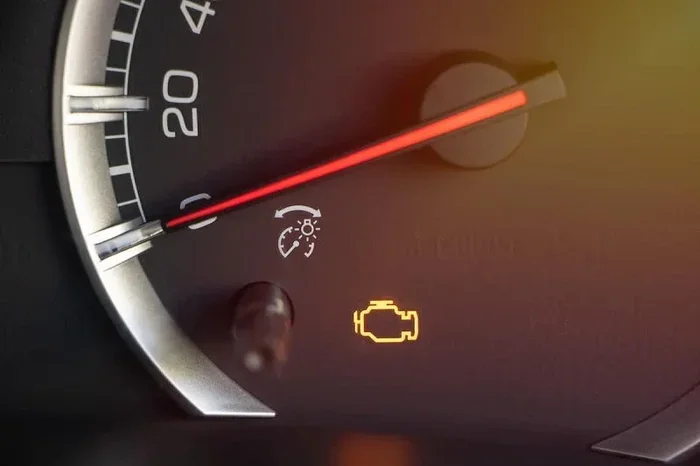
The check engine light is part of your Toyota’s onboard diagnostics system. This system is called OBD-II. It monitors many sensors and parts in your engine and exhaust. When something is off, the system stores a code and turns on the light.
The light can look different. Sometimes it is solid yellow. Other times it flashes red or orange. A solid light usually means a less urgent problem. A flashing light is a warning sign that something is seriously wrong.
Here are a few common reasons the light comes on:
- Loose or damaged gas cap — This is the most common cause. A loose cap lets fuel vapors escape and triggers the EVAP system warning.
- Faulty oxygen sensor — This sensor measures unburned oxygen. If it fails, your engine may run rich or lean.
- Catalytic converter issues — A failing converter can hurt emissions and engine performance.
- Spark plug or ignition coil problems — These parts help ignite fuel. When they fail, you may get an engine misfire.
- Mass airflow sensor failure — This sensor tells the computer how much air enters the engine.
Each of these triggers a specific diagnostic trouble code. A mechanic can read these codes with an OBD-II scanner. You can also read them yourself with a cheap scanner from any auto parts store.
Can You Safely Drive a Toyota With the Check Engine Light On?
The short answer is: it depends. In many cases, you can drive a short distance safely. But you need to pay close attention to how your Toyota feels and behaves. Let us look at the two main scenarios.
When It Is Safe to Keep Driving
If the light is solid yellow and your Toyota runs normally, you are probably okay to drive a little farther. Here are situations where driving a short distance is usually fine:
- The light came on after you filled up gas and the cap was loose.
- You notice no other symptoms — no shaking, no weird sounds, no power loss.
- The light has been on for a while and has not changed.
- You are close to a service center or auto parts store.
In these cases, you can drive to the nearest mechanic or parts store. They can hook up a scanner and read the code. This is a low-risk situation. Just do not ignore it for weeks or months.
When You Should Pull Over Immediately
There are times when the check engine light means you need to stop driving. Here is what to watch for:
- The light is flashing — A flashing check engine light often means a severe engine misfire. This can damage the catalytic converter fast.
- You feel a loss of power — If your Toyota feels weak or sluggish, stop driving.
- Strange noises — Knocking, pinging, or grinding sounds are bad signs.
- Overheating — If your temperature gauge is in the red, pull over and turn off the engine right away. You can also check if a car overheat on a hot day for more context.
- Smoke or smells — Any smoke from the hood or a strong fuel smell means stop immediately.
If you notice any of these signs, pull over safely. Turn off the engine. Call for roadside assistance if needed. Driving with these symptoms can cause thousands of dollars in damage.
Common Reasons the Check Engine Light Comes on in Toyotas
Toyota vehicles are known for reliability. But even the best cars can trigger the check engine light. Here are the top reasons this happens in Toyotas:
1. Loose or Missing Gas Cap
This is the number one cause. The gas cap seals your fuel system. When it is loose or missing, fuel vapors leak out. The EVAP system detects this and turns on the light. The fix is simple — just tighten the cap or replace it. In most cases, the light will turn off after a few drive cycles.
2. Oxygen Sensor Failure
Your Toyota has oxygen sensors that measure exhaust gases. When a sensor fails, the engine computer cannot balance the fuel mix correctly. This can lower fuel economy and hurt emissions over time. Replacing an oxygen sensor is usually not expensive.
3. Catalytic Converter Problems
The catalytic converter cleans your exhaust gases. Over time, it can clog or fail. This is more common in older Toyotas or those with high mileage. A bad converter can cause poor performance and failed emissions tests. Repair costs can be high, so it is best to catch this early.
4. Spark Plug and Ignition Coil Issues
Spark plugs and ignition coils ignite the fuel in your engine. When they wear out, you may get a rough idle or a misfire. A misfire will often trigger the check engine light and may even cause the light to flash. Replacing spark plugs is a simple and cheap fix. Ignition coils cost a bit more but are still affordable.
5. Mass Airflow Sensor Failure
The mass airflow sensor measures the air coming into the engine. If it fails, your Toyota may run rough or stall. This sensor can get dirty over time. Cleaning it sometimes fixes the problem. Replacing it is usually not too costly.
6. EVAP System Leaks
The EVAP system prevents fuel vapors from escaping into the air. A leak in this system can trigger the light. Common causes include cracked hoses, a bad purge valve, or a loose gas cap. Fixing EVAP leaks is important for both your car and the environment.
What to Do When the Check Engine Light Turns On
So the light is on. What now? Here is a clear step-by-step plan:
- Stay calm. A solid yellow light is not an emergency in most cases. Do not panic.
- Check the gas cap. Pull over safely and tighten it. If it was loose, this may fix the problem.
- Look for other warning lights. If you see a temperature warning or oil pressure light, stop driving.
- Note any symptoms. Is the car running rough? Is there a strange sound? Write it down for the mechanic.
- Get the code read. Visit an auto parts store or mechanic. They will plug in a scanner and tell you the code.
- Decide next steps based on the code. Some codes are minor. Others need immediate attention.
If you want to clear the codes yourself after repairs, you can manually clear your car codes with an OBD-II scanner or by disconnecting the battery briefly. However, keep in mind that clearing the code does not fix the problem — it only resets the light. The code will come back if the issue is not resolved.
You should also know that some people wonder if they can keep driving with certain codes. For example, a P0171 code relates to a lean fuel mixture. You can still drive with a P0171 code in many cases, but it is best to get it checked soon. Each code has its own level of urgency.
Also, if your check engine light is on and you are not sure if your charging system is working properly, it is worth checking that too. Sometimes a check charging system warning can appear alongside the check engine light, especially in older Toyotas.
How to Diagnose the Problem Yourself
You do not need to be a mechanic to get basic answers. Here is how you can start diagnosing the problem at home:
Buy or Borrow an OBD-II Scanner
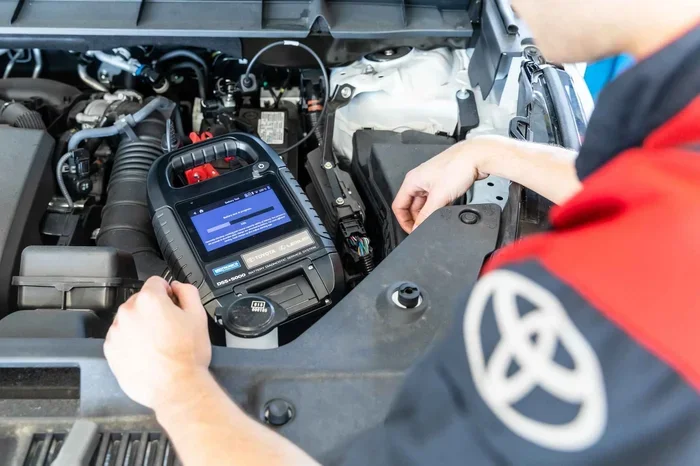
An OBD-II scanner is a small device that plugs into your Toyota’s diagnostic port. The port is usually under the dashboard on the driver’s side. Once plugged in, the scanner reads the stored codes and tells you what is wrong.
Basic scanners cost around $20 to $50. Some even come with apps that work with your phone. This makes it easy to check codes at home.
Understand the Code
Codes start with a letter followed by four numbers. Here is what the letter means:
- P — Powertrain (engine and transmission)
- B — Body (inside the car)
- C — Chassis (suspension and brakes)
- U — Network (communication between systems)
Most check engine light codes start with P. You can look up any code online to get a better idea of the problem.
Reset and Monitor
After you fix the issue, you can reset the light. Some scanners have a reset function. Or you can clear car codes manually by disconnecting the battery for a few minutes. If the light comes back, the problem is not fully fixed yet.
Preventing the Check Engine Light from Coming On
The best way to deal with the check engine light is to prevent it from coming on in the first place. Here are some simple tips:
- Always tighten your gas cap after filling up. Make sure you hear it click.
- Change your spark plugs on schedule. Toyota usually recommends every 30,000 to 100,000 miles depending on the model.
- Use the right fuel. Check your owner’s manual. Using the wrong octane can trigger the light.
- Keep up with regular maintenance. Oil changes, air filter replacements, and spark plug changes all help.
- Do not ignore small issues. A small problem today can become a big repair tomorrow.
- Address warning lights quickly. The sooner you act, the less likely you are to face expensive repairs.
Regular vehicle maintenance is your best defense against unexpected warning lights. A well-maintained Toyota will run better, last longer, and spend less time in the shop.
How the Check Engine Light Differs from Other Toyota Warning Lights
Toyota dashboards have many warning lights. It is easy to confuse them. Here is a quick comparison:
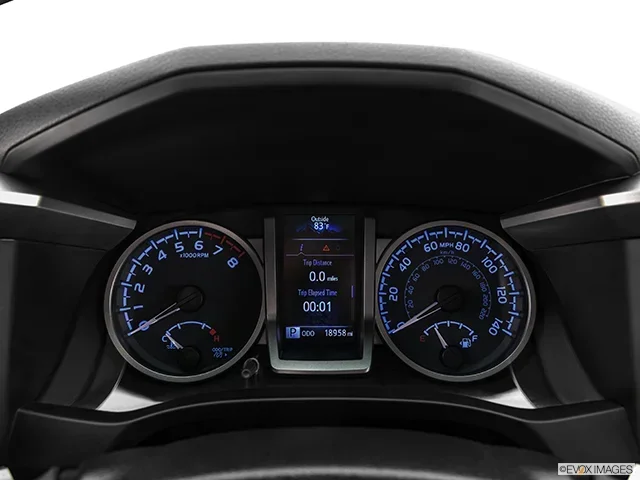
- Check Engine Light (yellow, engine icon) — General engine or emissions problem. Not always urgent.
- Oil Pressure Light (red, oil can icon) — Low oil pressure. Stop driving immediately.
- Temperature Warning (red, thermometer icon) — Engine overheating. Pull over and shut off the engine.
- Battery Warning (red, battery icon) — Charging system issue. You may still drive a short distance but get it checked.
- ABS Light (yellow, ABS icon) — Anti-lock brake system issue. Regular brakes still work but ABS may not.
The check engine light is unique because it covers so many possible issues. Other lights are more specific. That is why it is so important to get the code read when the check engine light comes on.
Can You Drive a Toyota With the Check Engine Light On to the Dealership?
Yes, in most cases you can drive to a dealership with the check engine light on. As long as the light is solid and your Toyota drives normally, a short trip is fine. But if the light is flashing or your car feels wrong, call a tow truck instead.
Dealerships have the latest diagnostic tools and Toyota-specific software. They can read codes and perform repairs with OEM parts. This is a great option if your Toyota is still under warranty.
If you are not near a dealership, a trusted local mechanic works just as well. Many independent shops have quality scanners and experienced Toyota technicians.
Key Takeaways
- A solid yellow check engine light is usually not an emergency but should be checked soon.
- A flashing check engine light means stop driving and get help right away.
- A loose gas cap is the most common cause and the easiest fix.
- Common Toyota causes include oxygen sensor failure, catalytic converter issues, and spark plug problems.
- You can read the code yourself with an OBD-II scanner or at any auto parts store.
- Regular maintenance — like oil changes and spark plug replacements — helps prevent the light from coming on.
- Clearing the code does not fix the problem — the light will return if the issue is not resolved.
Frequently Asked Questions
How far can I drive my Toyota with the check engine light on?
If the light is solid and your Toyota runs normally, you can usually drive a reasonable distance — maybe 30 to 50 miles — to reach a mechanic. However, you should not put off getting it checked for too long. The longer you wait, the more damage a small problem can cause.
Will the check engine light turn off by itself?
Sometimes yes. If the issue was minor, like a loose gas cap, the light may turn off after a few drive cycles. But if the problem is real, the light will stay on or come back. You should never assume the light will go away on its own without fixing the cause.
Is it safe to drive with the check engine light flashing?
No, it is not safe. A flashing check engine light usually signals a severe engine misfire. This can cause serious damage to your catalytic converter and other parts. Pull over safely and call for roadside assistance.
How much does it cost to fix the check engine light on a Toyota?
The cost varies widely depending on the cause. A loose gas cap costs nothing to fix. An oxygen sensor replacement might run $100 to $300. A catalytic converter repair can cost $500 to $2,000 or more. Getting the code read first is the best way to know the actual cost.
Can I clear the check engine light without fixing the problem?
You can clear the code with a scanner or by disconnecting the battery. But the light will come back if the problem is not fixed. Toyota’s computer runs self-tests each time you drive. If the issue is still present, the light will return.
What should I do if the check engine light comes on and my car feels fine?
Even if your Toyota feels fine, do not ignore the light. Some problems do not cause obvious symptoms at first but can get worse over time. Get the code read as soon as possible. Catching issues early saves money and prevents bigger repairs later.
Final Thoughts
The check engine light on your Toyota can be scary, but it does not always mean disaster. In many cases, the cause is simple and cheap to fix. A loose gas cap, a worn spark plug, or a dirty sensor can all trigger the light. The key is to take action quickly.
Do not panic when the light comes on. But also do not ignore it. Use the steps in this guide to figure out what is going on. Get the code read. Understand the severity. And then decide whether to keep driving or pull over.
Your Toyota is a reliable machine. With the right care and attention, you can handle the check engine light like a pro. Stay calm, stay informed, and take care of problems early. Your Toyota — and your wallet — will thank you for it.