Can I Change My Corolla’S Oil Myself
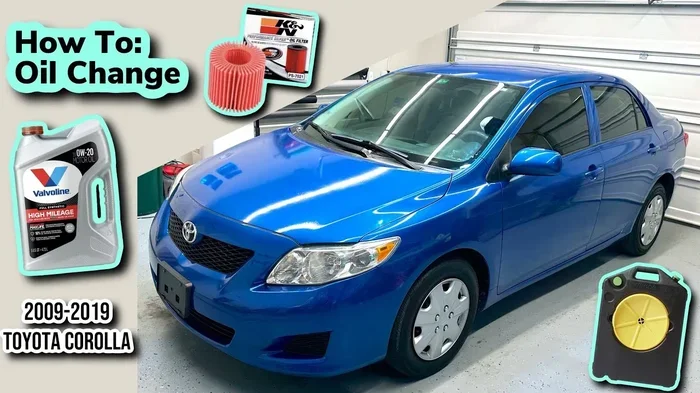
Yes, you can absolutely change your Corolla’s oil yourself with basic tools and a little patience. This guide walks you through every step, from picking the right oil to disposing of the old stuff safely. You will save money, learn valuable car skills, and keep your Toyota in top shape.
There is something really satisfying about doing car maintenance on your own. Changing your Toyota Corolla’s oil is one of the easiest and most rewarding jobs you can tackle at home. It does not require years of experience or expensive equipment. With a few basic tools and this guide, you will be done in about 30 to 45 minutes.
Many car owners feel nervous about getting under their vehicle. That is completely normal. But the truth is, a DIY oil change is a great first project for beginners. You will learn how your car works, save a good chunk of money, and gain real confidence. This guide covers everything you need to know, from choosing the right engine oil type to safely getting rid of the old oil.
Toyota Corollas are known for being reliable and easy to maintain. Whether you drive a newer model or an older one, the process is very similar. You will just need to know a few key details about your specific year and engine. Let us walk through the whole process together, step by step.
Key Takeaways
- DIY oil changes save money: You can cut costs significantly by doing it yourself instead of visiting a shop.
- Basic tools are all you need: A wrench set, jack stands, drain bucket, and a new oil filter are the essentials.
- Pick the right oil type: Synthetic and conventional oils each have benefits for your Corolla’s engine.
- Safety comes first: Always use jack stands and work on a level surface to avoid injury.
- Dispose of old oil properly: Never dump used oil. Take it to a recycling center or auto parts store.
- Check your maintenance schedule: Follow Toyota’s recommended oil change interval for best engine health.
- It builds car confidence: Once you do it once, you will feel empowered to handle more DIY car tasks.
📑 Table of Contents
- Why You Should Change Your Corolla’s Oil Yourself
- What You Need Before You Start
- Step-by-Step Guide to Changing Your Corolla’s Oil
- Choosing the Right Oil for Your Corolla
- How Often Should You Change Your Corolla’s Oil?
- Disposing of Old Oil the Right Way
- Common Mistakes to Avoid
- Benefits of Checking Your Car Value After Maintenance
- Final Thoughts
Why You Should Change Your Corolla’s Oil Yourself
Save Money on Every Oil Change
Taking your car to a shop for an oil change can cost anywhere from $40 to $100 or more. When you do it yourself, you pay for the oil and filter only. That typically runs between $20 and $40 depending on the oil you choose. Over time, those savings add up fast. If you change your oil twice a year, you could save $80 to $120 annually.
Learn How Your Car Works
Understanding your vehicle’s basic maintenance builds a strong foundation. Once you know how to drain and refill oil, you open the door to other DIY repairs. You will start to feel more comfortable under the hood. This knowledge helps you spot problems early before they become expensive repairs.
Control Over Oil Quality
When you do it yourself, you pick exactly what goes into your engine. You can choose synthetic oil, conventional oil, or a blend. You know it is fresh and from a trusted brand. Shops sometimes use lower-quality oil to cut costs, and you would never know.
What You Need Before You Start
Gathering your tools and supplies ahead of time makes the whole process smooth. You do not want to be halfway through and realize you are missing something. Here is a complete list of what you will need.
Tools and Equipment
- Jack and jack stands or a ramp system
- Wrench set (the size depends on your drain plug)
- Oil filter wrench (for removing the old filter)
- Drain bucket (at least 5 quarts capacity)
- Torque wrench (to tighten the drain plug properly)
- Funnel (for pouring new oil without spills)
- Rag or paper towels (for cleanup)
- Gloves and safety glasses
Supplies You Will Need
- New engine oil (check your owner’s manual for the correct amount and oil viscosity)
- New oil filter (OEM or quality aftermarket)
- Drain plug washer (if your model requires one)
Before you buy anything, check your Corolla’s owner manual. It tells you the exact oil type and amount. Using the wrong oil viscosity can hurt your engine. For most Corollas, 0W-20 or 5W-30 is standard. If you are unsure, ask at your local auto parts store and they can point you in the right direction.
Step-by-Step Guide to Changing Your Corolla’s Oil
Step 1: Prepare Your Vehicle
Start by parking your Corolla on a flat, level surface. Turn off the engine and let it cool for at least 10 minutes. Warm oil drains better than cold oil, so you can run the engine for a few minutes if you want it slightly warm. Just make sure it is not hot enough to burn you.
Engage the parking brake firmly. This keeps the car from rolling while you are underneath it. Safety is the number one priority for any DIY oil change project.
Step 2: Lift the Vehicle Safely
Use your jack to lift the front of the car. Place jack stands under the designated lift points. Never work under a car supported only by a jack. Jack stands provide the stability you need to work safely.
If you have ramps, they are an even easier option. Just drive up slowly and make sure the car is centered. Either method works, but jack stands give you more flexibility.
Step 3: Locate the Drain Plug and Oil Filter
Get under the car and look for the oil drain plug. On most Corollas, it is on the bottom of the oil pan near the front of the engine. The oil filter is usually nearby, mounted on the side of the engine block.
Place your drain bucket directly under the drain plug. Make sure it is large enough to hold all the old oil. A 5-quart bucket works for most Corollas.
Step 4: Drain the Old Oil
Using your wrench, slowly loosen the drain plug. Turn it counterclockwise. Be careful, as the oil will start flowing out quickly once the plug is loose.
Remove the plug by hand and let the oil drain completely into the bucket. This usually takes about 5 to 10 minutes. While you wait, take a look at the drain plug and washer. If the washer looks worn or damaged, replace it before you reinstall the plug.
Tip: Keep a rag handy to wipe any spilled oil. A little cleanup now saves a lot of mess later.
Step 5: Replace the Oil Filter
Position your bucket under the oil filter. Use your oil filter wrench to loosen the old filter. Turn it counterclockwise. It may be tight, so be patient and use steady pressure.
Before installing the new filter, put a thin coat of fresh oil on the rubber gasket. This creates a better seal and makes future removal easier. Screw the new filter on by hand until it is snug, then tighten it about three-quarters of a turn. Do not overtighten.
For more information on clearing car codes after maintenance, you can check how to manually clear your car codes if your check engine light comes on.
Step 6: Reinstall the Drain Plug
Once all the oil has drained, reinstall the drain plug. Place a new washer on it if needed. Thread it in by hand first to avoid cross-threading. Then use your wrench to tighten it snugly.
Use your torque wrench to tighten to the manufacturer’s specification. For most Corollas, this is around 25 to 30 foot-pounds. Do not over-tighten, as this can strip the threads or crack the oil pan.
Step 7: Add New Oil
Pop the hood and locate the oil fill cap. It usually has an oil can symbol on it. Remove the cap and place your funnel in the opening.
Pour in the new oil slowly. Check your owner’s manual for the exact amount. Most Corollas take between 4 and 5 quarts. Pour a little less than the full amount, then check the oil level with the dipstick.
Add more oil in small increments until the dipstick shows the oil level between the minimum and maximum marks. Do not overfill. Too much oil can cause pressure problems in the engine.
Replace the oil fill cap and wipe away any spills. A clean engine bay makes it easier to spot leaks later.
Step 8: Check for Leaks and Clean Up
Start the engine and let it run for about 30 seconds. Check under the car for any leaks around the drain plug and oil filter. Turn off the engine and wait a few minutes for the oil to settle.
Check the dipstick again to confirm the oil level is correct. If it is low, add a small amount more. Clean up your workspace and properly store your tools.
Choosing the Right Oil for Your Corolla
Synthetic vs. Conventional Oil
The two most common options are synthetic oil and conventional oil. Synthetic oil offers better protection and lasts longer. It performs well in both hot and cold temperatures. It also costs more than conventional oil.
Conventional oil is more affordable and works well for older Corollas with higher mileage. It needs to be changed more frequently. For most modern Corollas, synthetic or synthetic blend is the recommended choice.
Understanding Oil Viscosity
Oil viscosity refers to how thick or thin the oil is at different temperatures. The numbers on the bottle (like 0W-20) tell you this. The first number (0W or 5W) measures cold-temperature performance. The second number (20 or 30) measures hot-temperature performance.
Always follow what your owner’s manual recommends. Using the wrong viscosity can reduce engine protection and fuel efficiency. When in doubt, ask a professional at your local auto parts store.
How Often Should You Change Your Corolla’s Oil?
Toyota recommends changing your Corolla’s oil every 5,000 to 10,000 miles depending on the model year and the type of oil you use. Newer models with synthetic oil can often go longer between changes. Older models or those using conventional oil may need more frequent service.
Check your maintenance schedule in the owner’s manual. It gives you the exact interval for your specific model. You can also check whether a 000-mile oil change is okay if you have questions about unusual mileage intervals.
Driving conditions also play a role. If you frequently drive in stop-and-go traffic, extreme heat, or dusty roads, you may need to change your oil more often. These are considered “severe” driving conditions and shorten oil life.
Disposing of Old Oil the Right Way
Never pour old oil down a drain, into the ground, or in the trash. Used oil is a hazardous material that can contaminate soil and water. The good news is, disposing of it properly is very easy.
Most auto parts stores, including AutoZone and O’Reilly, accept used oil for free recycling. Just pour your drained oil into a sealed container and bring it in. Many stores also accept old oil filters. Some quick lube shops and service centers will take it too.
Make sure your container is leak-proof and clearly labeled. Store it away from children and pets until you can drop it off. Recycling old oil is one of the simplest ways to be an environmentally responsible car owner.
Common Mistakes to Avoid
- Skipping the drain plug washer: This small part prevents leaks. Always replace it if it looks worn.
- Over-tightening the drain plug: This can strip threads or crack the oil pan, leading to costly repairs.
- Using the wrong oil type: Always match the oil viscosity and type to what your Corolla requires.
- Forgetting to check the oil level: Always check the dipstick after adding new oil to ensure it is at the right level.
- Not disposing of old oil properly: Illegal dumping can result in fines and environmental harm.
- Reusing the old oil filter: Always install a new filter with every oil change for best engine protection.
Benefits of Checking Your Car Value After Maintenance
Keeping up with regular maintenance like oil changes helps preserve your car’s value. When it is time to sell or trade in, a well-maintained vehicle commands a better price. You can check the value of your car anytime using online tools or by visiting a dealer. Regular oil changes are one of the top factors buyers and appraisers look at.
If you want to learn more about evaluating your vehicle, you can read how to check the value of your car for helpful tips and resources.
Final Thoughts
Changing your Corolla’s oil yourself is one of the best things you can do as a car owner. It saves money, teaches you valuable skills, and keeps your engine running smoothly. The process is straightforward, safe, and deeply satisfying once you see it through.
Start with the right supplies, follow each step carefully, and never skip safety precautions. Within an hour, you will have a freshly oiled Toyota and a new skill set. Once you do it a couple of times, it becomes second nature. You may even start looking forward to your next DIY maintenance project.
Remember, every successful oil change builds your confidence. Soon you will be tackling bigger tasks with ease. Your Corolla will thank you with years of reliable performance. So grab your tools, roll up your sleeves, and give it a try. You have got this.
For other car maintenance questions, you can explore topics like starting your car without the remote key or how to start your car for more helpful guides.
Frequently Asked Questions
What type of oil does a Toyota Corolla need?
Most Toyota Corollas use 0W-20 synthetic oil, but you should always check your owner’s manual for the exact specification. Using the wrong oil viscosity can reduce engine performance and protection. When in doubt, ask a professional at your local auto parts store for guidance.
How often should I change my Corolla’s oil?
Toyota recommends oil changes every 5,000 to 10,000 miles for most Corolla models. The exact interval depends on your model year, the type of oil you use, and your driving conditions. Always refer to your owner’s manual for the manufacturer’s recommended oil change interval.
Do I need any special tools to change my Corolla’s oil?
No special tools are required. A basic wrench set, oil filter wrench, jack stands, a drain bucket, and a torque wrench are all you need. These are common tools that most homeowners already have or can pick up cheaply at any hardware store.
Is it safe to change oil at home?
Yes, changing oil at home is safe when you follow proper precautions. Always use jack stands, work on a level surface, and wear gloves and safety glasses. Never get under a car supported only by a jack. Take your time and you will be perfectly fine.
Where can I dispose of my old engine oil?
Most auto parts stores like AutoZone and O’Reilly accept used oil for free recycling. You can also take it to a local service center or quick lube shop. Never pour old oil down a drain or into the trash. Store it in a sealed, leak-proof container until you can drop it off.
Can I reuse my old oil filter?
No, you should always install a new oil filter with every oil change. Reusing an old filter can lead to poor filtration and engine wear. New filters are inexpensive and ensure your fresh oil stays clean and protected.