Can You Mix Ethanol and Non-Ethanol Gas in Your Car
Yes, you can mix ethanol and non-ethanol gas in most cars without causing immediate damage. However, the fuel mixture you create may affect engine performance and fuel economy over time. Understanding your vehicle’s fuel compatibility is the key to making the right choice at the pump.
Have you ever pulled up to the gas pump and wondered, “Can you mix ethanol and non-ethanol gas in a car?” It is a question that many drivers ask, especially when they are low on fuel and only one type of gas is available. The short answer is yes, you can mix them in most vehicles. But the full picture is a bit more nuanced, and it is worth understanding before you top off your tank.
Fuel choices have become more complicated over the years. Gas stations now offer multiple options, from regular E10 gasoline to E85 ethanol blend fuel and even pure non-ethanol gasoline. Each option has its own benefits and drawbacks. Mixing them can feel like a gamble, but with the right knowledge, you can make informed decisions that protect your fuel system and keep your car running smoothly.
In this guide, we will break down everything you need to know about mixing ethanol fuel and non-ethanol gasoline. We will cover what happens inside your combustion engine, which vehicles can handle mixed fuels, and the common mistakes drivers make at the pump. By the end, you will feel confident about your next fuel stop.
Key Takeaways
- Mixing is generally safe: Most modern cars can handle a blend of ethanol and non-ethanol gas without issues.
- Check your owner’s manual: Your vehicle’s fuel system and engine performance depend on using the right gasoline blend.
- Small engines are different: Fuel mixture rules for lawn mowers and boats differ from cars.
- Watch your fuel economy: Mixing fuels may reduce your miles per gallon slightly.
- Avoid long-term mixing: Consistent use of a single fuel type is always better for your fuel lines and fuel pump.
- Ethanol content matters: E10, E15, E85, and non-ethanol fuels all behave differently in your combustion engine.
📑 Table of Contents
- What Is Ethanol Gas and Non-Ethanol Gas?
- Can You Safely Mix Ethanol and Non-Ethanol Gas in Your Car?
- What Happens When You Mix Ethanol and Non-Ethanol Gas?
- Which Vehicles Can Handle Mixed Fuels?
- Common Mistakes to Avoid When Mixing Gas Types
- Expert Tips for Using Ethanol and Non-Ethanol Gas
- Conclusion
What Is Ethanol Gas and Non-Ethanol Gas?
Before we talk about mixing, it helps to understand what each fuel type actually is. Not all gasoline is created equal, and the ethanol content plays a big role in how your car performs.
Ethanol Gasoline Explained
Ethanol is a type of alcohol fuel made from plants, usually corn or sugarcane. Most gas sold in the United States contains some ethanol. The most common type is E10 gasoline, which has 10 percent ethanol and 90 percent regular gasoline. You have probably been filling your car with this blend your entire life without even realizing it.
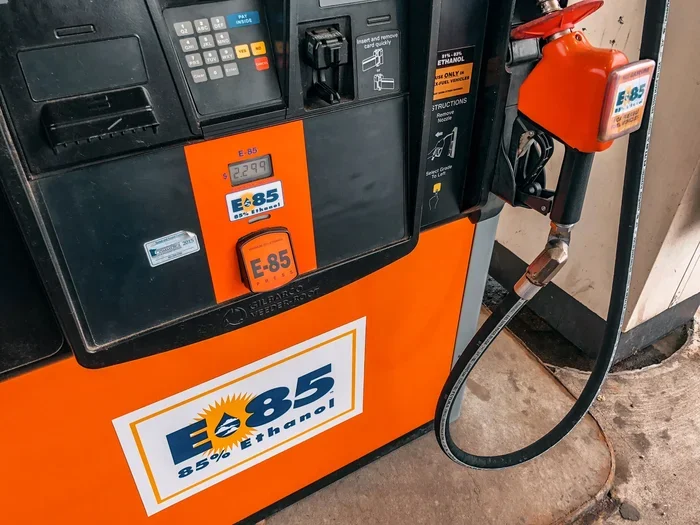
Other blends include E15, which contains 15 percent ethanol, and E85, which is 85 percent ethanol. These higher blends are designed for flex-fuel vehicles that have engines built to handle them. Using E85 in a car that is not flex-fuel compatible can cause serious problems.
Non-Ethanol Gasoline Explained
Non-ethanol gasoline, sometimes called pure gasoline or 100 percent gasoline, contains no alcohol at all. It is often sold at smaller gas stations, marinas, and specialty fuel providers. Many small engine owners prefer it because it is gentler on fuel lines, fuel pumps, and rubber seals inside older equipment.
Non-ethanol gas also tends to have a longer shelf life. It does not absorb water the way ethanol fuel does, which makes it a popular choice for seasonal equipment like boats and lawnmowers. However, it usually costs more per gallon than regular E10 gasoline.
Can You Safely Mix Ethanol and Non-Ethanol Gas in Your Car?
The big question is whether mixing these two fuels will harm your car. The good news is that for most modern vehicles, a one-time mix will not cause any real damage. Your fuel system is designed to handle a range of gasoline blends, and a quick top-off with a different fuel type is usually fine.
Why Mixing Is Generally Safe
Modern cars have engine control units (ECUs) that adjust the fuel-to-air ratio automatically. This means your car can adapt to slight changes in ethanol content without you doing anything. If you usually run E10 and you add a tank of non-ethanol gas, your car will simply adjust its timing and fuel delivery to match.
The octane rating is another factor. Most regular gasoline has an octane rating of 87, whether it contains ethanol or not. As long as the octane levels are similar, mixing the two fuels should not create any knocking or pinging sounds in your combustion engine.
When Mixing Can Be a Problem
There are a few situations where mixing ethanol fuel and non-ethanol gas can cause issues. If your car has a small fuel tank, even a small amount of the wrong blend can change the overall fuel mixture enough to affect performance. Older cars with carburetors rather than fuel injection may not adjust as easily to blended fuels.
Also, if you drive a vehicle that requires premium fuel, mixing in a lower-octane non-ethanol gas could reduce engine performance. Always check your owner’s manual to understand what your fuel system expects.
What Happens When You Mix Ethanol and Non-Ethanol Gas?
Now that we know mixing is generally safe, let us look at what actually happens inside your car when you combine these two fuels. Understanding the science helps you make better choices at the pump.
Effects on Fuel Economy
One of the first things you may notice is a slight drop in fuel economy. Ethanol contains less energy per gallon than pure gasoline. E10 has about 3 percent less energy than non-ethanol gas, which means you may need to fill up slightly more often. When you mix the two, your overall fuel economy will fall somewhere in between.
Do not panic if you notice your miles per gallon dropping after a mix. This is completely normal and not a sign of damage. Over time, your car will burn through the mixed fuel, and your economy will return to normal once you return to a consistent fuel type.
Effects on Engine Performance
Most drivers will not notice any change in engine performance from a single mix. However, repeated mixing or using a very high ethanol blend in a car that is not designed for it can cause problems. These include rough idling, hesitation during acceleration, and difficulty starting the engine.
Ethanol is also a solvent, which means it can loosen deposits inside your fuel lines and fuel tank. This is actually a benefit in small doses, as it can help clean your fuel system. But too much loosened debris can clog your fuel filter or fuel injectors over time.
Effects on Fuel System Components
Ethanol can be tough on certain materials. Older cars with rubber seals, gaskets, and fuel lines made from natural rubber may deteriorate faster when exposed to high ethanol blends. Non-ethanol gas is much gentler on these components.
Modern cars use synthetic materials that resist ethanol damage, so this is rarely a concern for vehicles made after 2001. If you drive an older classic car or a vintage vehicle, you should be more cautious about fuel compatibility and the fuel mixture you use.
Which Vehicles Can Handle Mixed Fuels?
Not all cars respond the same way to mixed fuels. Your vehicle’s age, engine type, and fuel system design all play a role in how well it handles a blend of ethanol fuel and non-ethanol gas.
Modern Cars and Trucks
Most cars and trucks sold in the last 20 years are designed to run on E10 gasoline, which is the standard at nearly all gas stations. These vehicles can easily handle a mix of E10 and non-ethanol gas without any issues. The engine control unit makes real-time adjustments to keep everything running smoothly.
If your car has a flex-fuel engine, it can handle a wide range of ethanol blends, from E10 all the way up to E85. Mixing non-ethanol gas with E85 will simply create a lower ethanol blend, which your car can manage without any problems.
Older Vehicles and Classic Cars
Older cars, especially those built before the 1980s, may not handle mixed fuels as well. These vehicles often have rubber seals and carburetors that can be damaged by ethanol. If you drive a classic car, it is best to stick with non-ethanol gas or use a fuel stabilizer to protect your fuel system.
For cars from the 1980s and 1990s, check with a trusted mechanic before using any mixed fuel. These vehicles may have fuel lines and fuel pumps that are not ethanol-resistant.
Small Engines and Equipment
Small engines in lawnmowers, chainsaws, boats, and generators have different fuel compatibility needs than cars. Many small engine manufacturers recommend non-ethanol gas because ethanol can absorb moisture and cause corrosion in the fuel system. Mixing ethanol and non-ethanol gas in small equipment is not recommended, as it can lead to starting problems and engine performance issues.
Common Mistakes to Avoid When Mixing Gas Types
Mixing fuels is not complicated, but there are a few mistakes that drivers make repeatedly. Avoiding these errors will help protect your fuel system and keep your engine performance at its best.
Assuming All Gas Stations Offer the Same Fuel
Not every gas station carries non-ethanol gas. In fact, many stations only sell E10 or higher ethanol blends. If you are specifically looking for non-ethanol fuel, you may need to visit a specialty station, a marina, or a small-engine fuel provider. Assuming any pump will give you the fuel you want can lead to accidental mixing.
Ignoring the Octane Rating
The octane rating matters just as much as the ethanol content. Mixing a high-octane non-ethanol gas with a low-octane E10 blend can create an inconsistent fuel mixture that your combustion engine may not handle well. Always match the octane rating when possible, or at least stay within one grade of your vehicle’s recommended fuel.
Using E85 in Non-Flex-Fuel Vehicles
This is one of the most dangerous mistakes a driver can make. E85 is an ethanol blend designed only for flex-fuel vehicles. Putting E85 in a regular car can cause severe damage to the fuel system, fuel lines, and engine performance. Never mix E85 with non-ethanol gas in a vehicle that is not flex-fuel compatible.
Neglecting Regular Fuel System Maintenance
Even if you never mix fuels, your fuel system needs regular maintenance. Replace your fuel filter on schedule, use a quality fuel additive when needed, and keep your fuel tank clean. Mixing fuels occasionally is fine, but it should not replace proper maintenance habits.
Expert Tips for Using Ethanol and Non-Ethanol Gas
Getting the most out of your fuel comes down to a few smart habits. These expert tips will help you make the best choices for your car and your wallet.
Read Your Owner’s Manual First
Your owner’s manual is the best source of fuel compatibility information for your specific vehicle. It will tell you the recommended octane rating, the maximum ethanol content allowed, and any special fuel system requirements. Keep a copy in your glove box for quick reference.
Use a Fuel Stabilizer for Seasonal Equipment
If you store small engines or seasonal equipment for part of the year, add a fuel stabilizer to the tank. This prevents the fuel from breaking down and protects your fuel lines and fuel pump from corrosion. Non-ethanol gas with a stabilizer is the best combination for long-term storage.
Fill Up at Reputable Stations
Not all gas stations maintain their fuel tanks with the same level of care. Fill up at reputable stations with high turnover to ensure you are getting clean, fresh fuel. Contaminated fuel can cause more damage than any fuel mixture ever could.
Keep Your Fuel Tank at Least Half Full
Keeping your fuel tank at least half full reduces condensation inside the tank. This is especially important for ethanol fuel, which absorbs moisture from the air. Less moisture means less risk of fuel system corrosion and engine performance issues.
Monitor Your Fuel Economy Over Time
Track your fuel economy over several fill-ups to spot any unusual changes. A sudden drop in miles per gallon could indicate a problem with your fuel system or a poor gasoline blend. Catching these changes early can save you from costly repairs down the road.
Conclusion
So, can you mix ethanol and non-ethanol gas in your car? The answer is yes, for most modern vehicles. A temporary blend will not damage your fuel system or harm your combustion engine. However, consistent use of a single, compatible fuel type is always the best approach for long-term engine performance and fuel economy.
Understanding your vehicle’s fuel compatibility, checking your owner’s manual, and making informed choices at the pump will keep your car running strong for years to come. Whether you choose E10 gasoline, non-ethanol fuel, or a mix of the two, the key is to stay informed and drive with confidence.
Next time you are at the gas station and only one fuel type is available, do not stress. Your car can handle the fuel mixture just fine. Just get back to your preferred fuel type at the next fill-up, and you will be all set.
Frequently Asked Questions
Will mixing ethanol and non-ethanol gas damage my car?
For most modern vehicles, a one-time mix will not cause damage. Your car’s engine control unit adjusts to the fuel mixture automatically. However, repeated mixing or using the wrong blend for your vehicle type can lead to long-term fuel system issues.
What is the difference between E10 and non-ethanol gasoline?
E10 contains 10 percent ethanol and 90 percent gasoline, while non-ethanol gasoline contains no alcohol at all. E10 is the most common fuel sold at gas stations across the country. Non-ethanol gas is often pricier but is gentler on older fuel systems and small engines.
Can I mix E85 with non-ethanol gas?
Only if your vehicle is a flex-fuel model. Mixing E85 with non-ethanol gas in a non-flex-fuel car can cause serious damage to the fuel system, fuel lines, and engine performance. Always check your owner’s manual before using E85.
Does mixing ethanol and non-ethanol gas affect fuel economy?
Yes, slightly. Ethanol contains less energy than pure gasoline, so a blended fuel mixture may reduce your fuel economy by a small margin. This effect is temporary and normal. Your economy will return to normal once you use a consistent fuel type again.
Is non-ethanol gas worth the extra cost?
It depends on your vehicle and how you use it. For classic cars, small engines, and seasonal equipment, non-ethanol gas is often worth the extra cost. For modern daily drivers, regular E10 gasoline works perfectly fine and saves you money at the pump.
How often should I mix different fuel types?
You should avoid making a habit of mixing fuels. Use a consistent gasoline blend that matches your vehicle’s requirements. If you must mix due to limited options, do it occasionally and return to your preferred fuel type as soon as possible.