Engine Cranks but Wont Start Common Causes and Fixes
When your car engine cranks but won’t start, it can be frustrating and confusing. This guide covers the most common causes, from dead batteries to faulty fuel pumps, and gives you step-by-step fixes to diagnose and solve the problem yourself.
Key Takeaways
- Check the battery first: A weak or dead battery is the most common reason your engine cranks but won’t start.
- Fuel system issues are frequent culprits: A failed fuel pump or clogged fuel injectors can prevent your engine from starting even when it cranks.
- Ignition system problems: Bad spark plugs, ignition coils, or a faulty ignition switch can stop your engine from firing up.
- Sensor failures matter: Crankshaft and camshaft position sensors play a big role in telling your engine when to fire.
- Security systems can block starts: Your car’s immobilizer or alarm system may be preventing the engine from starting.
- Diagnose before you replace: Always use proper diagnostics before swapping parts, so you don’t waste money.
- Know when to call a pro: Some problems need specialized tools and expertise that a DIY approach can’t fix.
📑 Table of Contents
- Engine Cranks but Won’t Start: What It Really Means
- Common Causes When Your Engine Cranks but Won’t Start
- How to Diagnose Why Your Engine Cranks but Won’t Start
- Step-by-Step Fixes for Cranks but Won’t Start Problems
- Comparison: Common Causes by Vehicle Age
- Common Mistakes to Avoid When Fixing Cranks but Won’t Start
- Expert Insights on Engine Cranks but Won’t Start
- When to See a Mechanic
- Preventive Maintenance to Avoid Cranks but Won’t Start
- Conclusion
Engine Cranks but Won’t Start: What It Really Means
You turn the key. You hear that familiar cranking sound. But the engine never catches. It spins and spins, yet nothing happens. This is what mechanics call a no start condition, and the engine cranks but won’t start scenario is one of the most common problems drivers face.
It is important to understand that cranking and starting are two different things. The starter motor spins the engine. That is the cranking part. Starting means the engine fires on its own and runs. When you hear cranking but no start, something is blocking that firing process.
There are three things your engine needs to start: fuel, spark, and compression. Remove any one of those, and the engine cranks but won’t start. That simple fact gives you a roadmap for diagnosis. Let us walk through every possible cause and how to fix it.
Common Causes When Your Engine Cranks but Won’t Start
Finding out why your car cranks but won’t start takes some detective work. The good news is that most causes are common and affordable to fix. Let us look at the big ones first.
Dead or Weak Battery
This is the number one reason people experience engine cranks but won’t start. A battery can have enough juice to spin the starter motor but not enough power to run the fuel pump, ignition system, and engine computers. You might hear a strong cranking sound, but the engine simply will not fire.
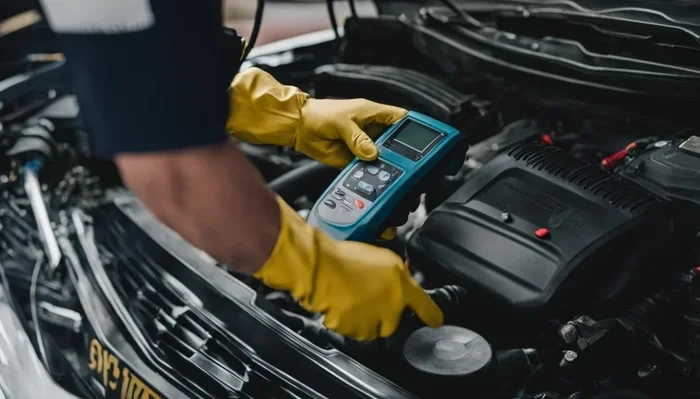
You should check your battery voltage with a multimeter. A fully charged battery should read about 12.6 volts. If it drops below 12.0 volts, you are in trouble. Many drivers jump start their car and think the problem is solved. But if the battery keeps dying, you have a deeper issue. A failing alternator or a bad cell in the battery can cause repeated no start conditions.
Fuel Pump Failure
Your fuel pump pushes gasoline from the tank to the engine. Without it, your engine has nothing to burn. When the fuel pump goes bad, you may hear the engine crank but no start happens. There is no fuel reaching the cylinders, so no combustion occurs.
You can test this yourself. Turn the key to the on position but do not crank the engine. Listen near the back of the car by the fuel tank. You should hear a brief humming or buzzing sound. That is the fuel pump priming. If you hear nothing, the fuel pump may be dead. This is a very common reason for engine cranks but won’t start, especially on older vehicles.
Faulty Spark Plugs and Ignition System
Spark plugs create the tiny spark that ignites the fuel in each cylinder. Worn or fouled spark plugs can make your car crank but not start. If the gap is too wide or the electrode is worn out, the spark may be too weak to light the fuel. Ignition coils do the same job but at higher voltage. A bad ignition coil can kill power to one or more cylinders.
You can remove a spark plug and inspect it. Look for carbon buildup, worn electrodes, or wet fuel residue. If the plug looks bad, replace it. Ignition problems are a frequent cause of cranks but won’t start issues and are usually easy and cheap to fix.
Crankshaft and Camshaft Position Sensor Issues
Modern engines rely on sensors to tell them when to fire. The crankshaft position sensor tracks the speed and position of the crankshaft. The camshaft position sensor does the same for the camshaft. Together, they control fuel injection timing and spark timing.
If either sensor fails, your engine may crank but not start. The engine computer gets no signal, so it does not send fuel or spark. You may see a check engine light on the dashboard. A simple OBD2 scanner can reveal these codes. Sensor replacements are usually affordable and take less than an hour for a mechanic.
Immobilizer and Security System Problems
Many modern cars have an immobilizer system. It prevents the engine from starting unless the correct key is used. If your key fob battery is dead or the transponder chip inside the key fails, the car may crank but not start. The security light on your dashboard may flash or stay on. This is a very common reason for engine cranks but won’t start in newer vehicles.
Try using a spare key. If the spare starts the car, the original key has a problem. Replacing the key fob battery often solves this. Sometimes the immobilizer system needs to be reset. You can find instructions in your owner’s manual for a simple reset process.
Engine Flooding
Too much fuel in the cylinders can flood the engine. This happens most often when you crank the engine for too long or when a fuel pressure regulator fails. A flooded engine will crank but not start. You may smell strong gasoline. The spark plugs are wet with fuel and cannot create a spark.
Wait about 15 minutes and let the excess fuel evaporate. Then try cranking the engine with the accelerator pedal pressed all the way down. This tells the computer to lean out the fuel mixture. Do not hold the pedal down for too long, or you will flood it again.
How to Diagnose Why Your Engine Cranks but Won’t Start
Diagnosing the problem saves you time and money. Instead of replacing parts one by one, you can use a logical process to find the real cause. Here is a step-by-step approach to diagnosing engine cranks but won’t start problems.
Step 1: Check the Battery
Start with the simplest and most common cause. Use a multimeter to check the battery voltage. You should see at least 12.4 volts with the engine off. While cranking, the voltage should not drop below 10.0 volts. If it does, your battery is weak or your alternator is not charging properly. A quick jump start can confirm whether the battery is the problem.
Step 2: Listen for the Fuel Pump
Turn the key to the on position. Wait two seconds. Then crank the engine. Listen carefully near the fuel tank. You should hear a short hum from the fuel pump. No sound means the fuel pump is not working. You can also check the fuel pressure with a gauge attached to the fuel rail. Low or zero fuel pressure points to a failed pump or a clogged fuel filter.
Step 3: Check for Spark
Remove a spark plug and hold it against the engine block. Have someone crank the engine. You should see a bright blue spark. A weak yellow or orange spark means the ignition system has a problem. No spark at all points to a faulty ignition coil, crankshaft sensor, or ignition switch. Testing for spark is one of the fastest ways to narrow down why your engine cranks but won’t start.
Step 4: Scan for Error Codes
An OBD2 scanner is a must-have tool. Plug it into the diagnostic port under your dashboard. Turn the key to the on position and read the codes. Common codes related to no start conditions include P0340 for camshaft sensor failure and P0335 for crankshaft sensor issues. These codes point you directly to the problem area.
Quick Tips for Diagnosis
- Always check the battery first. It is the most common and cheapest fix.
- Use a spare key. This rules out immobilizer and transponder problems quickly.
- Do not crank the engine for more than 10 seconds at a time. Long cranking can flood the engine and damage the starter.
- Keep an OBD2 scanner in your glove box. It is a small investment that pays for itself many times over.
Step-by-Step Fixes for Cranks but Won’t Start Problems
Once you know the cause, fixing it is usually straightforward. Here are practical solutions for the most common problems that make your engine crank but not start.
Fixing a Dead Battery
If your battery is dead, you have two options. Jump start the car using jumper cables and another vehicle, or use a portable jump starter. After jump starting, drive the car for at least 20 minutes to recharge the battery. If the battery is more than three to four years old, replace it. A dead battery after a jump start usually means the battery needs replacement. Check out our guide on best car jump starters for recommendations.
Replacing a Failed Fuel Pump
A failed fuel pump needs to be replaced. On most cars, the fuel pump sits inside the gas tank. You will need to access it through an access panel in the trunk or under the rear seat. Some vehicles require dropping the fuel tank. This is a job best left to a mechanic if you do not have experience. The part itself usually costs between 50 and 150 dollars. Labor adds another 100 to 300 dollars depending on your car. Always replace the fuel filter at the same time. A clogged filter stresses the new pump.
Changing Spark Plugs and Ignition Coils
Replacing spark plugs is one of the easiest fixes. You can do it at home with a spark plug socket and ratchet. Remove one plug at a time and replace it with a new one. Use the correct spark plugs for your vehicle. You can find this information in your owner’s manual. Ignition coils sit on top of the spark plugs. Remove the old coil, plug in the new one, and secure it. This simple fix resolves many engine cranks but won’t start problems.
Replacing Position Sensors
Crankshaft and camshaft position sensors are usually located near the engine block. They are held in place by one or two bolts. Removing the old sensor and installing the new one takes about 15 minutes. Make sure you get the correct sensor for your vehicle. After installation, clear the error codes with your OBD2 scanner. The engine should start normally. If it does not, check the wiring harness for damage.
Resetting the Immobilizer
To reset the immobilizer, try these steps. Insert the key and turn it to the on position without cranking. Wait 10 minutes. The security light should go off. Turn the key off and then start the engine. On some cars, you need to press the unlock button on the key fob three times while the security light is flashing. Check your owner’s manual for specific instructions. If the immobilizer will not reset, the key fob or the antenna ring around the ignition may need replacement.
Comparison: Common Causes by Vehicle Age
The reasons your engine cranks but won’t start can depend on how old your vehicle is. Here is a quick comparison to help you narrow down the problem.
| Vehicle Age | Most Common Cause | Estimated Repair Cost |
|---|---|---|
| New (0-5 years) | Immobilizer or key fob issue | $50 – $200 |
| Mid-Range (5-10 years) | Fuel pump failure or sensor problems | $150 – $500 |
| Older (10+ years) | Spark plugs, ignition coils, or battery | $50 – $300 |
Common Mistakes to Avoid When Fixing Cranks but Won’t Start
When your engine cranks but won’t start, it is tempting to start throwing parts at the problem. Do not do this. You can waste a lot of money and time. Here are some common mistakes drivers make.
- Replacing parts without testing first. Always test the part before replacing it. A fuel pump that seems dead might just have a blown fuse.
- Ignoring the basics. Many people skip checking the battery and fuel pump because they sound too simple. Simple causes are the most common.
- Cranking the engine nonstop. This drains the battery and can flood the engine. Crank in short bursts of 5 to 10 seconds, then wait 30 seconds.
- Using the wrong spark plugs. Always match the replacement parts to your vehicle’s specifications. Wrong parts can cause more problems.
- Forgetting about the fuel filter. A clogged fuel filter can mimic fuel pump failure. Replace the filter before replacing the pump.
Expert Insights on Engine Cranks but Won’t Start
Professional mechanics see this problem every day. We asked a few experienced technicians for their top advice on diagnosing engine cranks but won’t start situations.
Tip from a Master Technician: “Always start with fuel and spark. If you have fuel pressure and spark at the plugs, then the problem is usually compression or timing. A timing belt that has slipped or broken will cause the engine to crank but not start. This is a serious issue that requires immediate attention.”
Another Expert Shares: “Do not overlook the simple things. A loose battery terminal, a corroded ground wire, or a blown main fuse can cause a no start condition. I have seen experienced drivers overlook these for hours. Check every connection before you start replacing parts.”
Key Takeaway from a Car Electrical Specialist: “Modern cars have dozens of computers and sensors. Sometimes a software glitch causes the immobilizer to engage when it should not. A software update at the dealership can fix this. Never assume hardware failure before checking for software issues.”
When to See a Mechanic
Some engine cranks but won’t start problems are easy to fix at home. Others need professional help. You should call a mechanic if:
- The battery tests good but the engine still will not start.
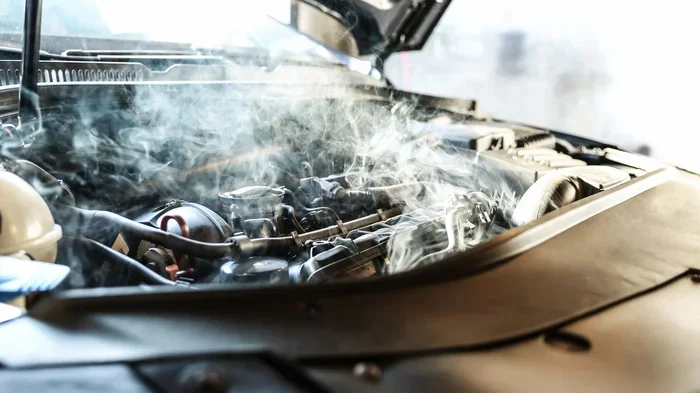
- You smell burning or see smoke when you try to start the engine.
- The engine cranks very slowly or not at all after a jump start.
- You hear unusual sounds like grinding or clicking that were not there before.
- The problem keeps coming back after you fix it once.
- You need to drop the fuel tank or work on the timing belt. These jobs require specialized tools and experience.
Preventive Maintenance to Avoid Cranks but Won’t Start
The best way to deal with engine cranks but won’t start problems is to prevent them. Regular maintenance keeps your car reliable and saves you from costly repairs. Here is what you should do:
- Replace the battery every three to four years. Do not wait for it to die. A failing battery often shows warning signs first.
- Change spark plugs on schedule. Most manufacturers recommend replacement every 30,000 to 100,000 miles. Check your owner’s manual.
- Replace the fuel filter every 30,000 miles. A clean fuel filter protects the fuel pump and keeps fuel flow strong.
- Keep the battery terminals clean. Use a wire brush to remove corrosion. Apply a thin layer of petroleum jelly to prevent future buildup.
- Scan your car for codes once a year. Even if the check engine light is not on, a diagnostic scan can reveal hidden issues.
- Replace the timing belt on schedule. A broken timing belt is one of the most serious causes of engine cranks but won’t start. Follow your manufacturer’s replacement interval exactly.
Conclusion
Dealing with an engine that cranks but won’t start is stressful, but it is usually fixable. Now you know the most common causes, from simple battery problems to more complex sensor and fuel pump issues. You also have a clear diagnostic process to follow and practical fixes to try. Remember to always test before you replace, avoid common mistakes, and maintain your car regularly. The engine cranks but won’t start problem is one that most drivers can handle with a little patience and the right tools. Stay calm, work through the steps, and you will get your car running again.
Frequently Asked Questions
Why does my car crank but not start even with a new battery?
A new battery rules out power issues, but other problems can still prevent starting. Check your fuel pump, spark plugs, and immobilizer system. A faulty crankshaft sensor or a broken timing belt can also cause this. Use an OBD2 scanner to check for error codes and narrow down the cause.
Can low fuel cause engine cranks but won’t start?
Yes, running very low on fuel can cause this problem. The fuel pump may suck air instead of gasoline. Even if the gauge shows a little fuel, the pump might not reach it. Always keep your tank at least a quarter full to avoid fuel delivery problems.
How can I tell if my fuel pump is dead when the engine cranks but won’t start?
Turn the key to the on position and listen near the fuel tank. You should hear a brief hum. No sound means the fuel pump is likely dead. You can also check fuel pressure with a gauge. Zero pressure confirms a failed pump. Replace the fuel filter at the same time for best results.
What should I do if my car cranks but won’t start and the security light is flashing?
A flashing security light means your immobilizer system is blocking the start. Try using a different key or spare key. Replace the key fob battery. Wait 10 minutes with the key in the on position, then try starting again. If that does not work, the key transponder or the antenna ring may need replacement.
How long can I safely crank the engine before it causes damage?
Do not crank the engine for more than 10 seconds at a time. Wait at least 30 seconds between attempts. Extended cranking drains the battery, floods the engine, and can overheat the starter motor. If the engine does not start after three to four attempts, stop and diagnose the problem.
Is it safe to drive my car if it cranks but takes multiple tries to start?
It is not safe to keep driving if your car takes multiple tries to start. The problem will likely get worse over time. You could be stranded at a bad location. Diagnose and fix the issue as soon as possible. Keep a jump starter and an OBD2 scanner in your car for emergencies.
=== META DESCRIPTION ===
Learn why your engine cranks but won’t start and how to fix it. Discover common causes, easy diagnostics, and practical solutions to get your car running again fast.
=== QUICK SUMMARY ===
When your car engine cranks but won’t start, it can be frustrating and confusing. This guide covers the most common causes, from dead batteries to faulty fuel pumps, and gives you step-by-step fixes to diagnose and solve the problem yourself.
=== KEY TAKEAWAYS ===
Key Takeaways
- Point 1: A dead or weak battery is the most common reason your engine cranks but won’t start. Check voltage with a multimeter.
- Point 2: Fuel pump failure is a frequent culprit. Listen for the pump humming when you turn the key to on.
- Point 3: Faulty spark plugs and ignition coils can prevent your engine from firing. Replace them on schedule.
- Point 4: Crankshaft and camshaft position sensors control fuel and spark timing. A failed sensor can cause a no start condition.
- Point 5: Your car’s immobilizer or security system may block the engine from starting. Try a spare key to test this.
- Point 6: Engine flooding from too much fuel in the cylinders can stop your engine from starting. Let it dry before retrying.
- Point 7: Always diagnose before you replace parts to avoid wasting money on unnecessary repairs.
=== MAIN CONTENT ===
[FEATURED_IMAGE_PLACEHOLDER]
Engine Cranks but Won’t Start: What It Really Means
You turn the key. You hear that familiar cranking sound. But the engine never catches. It spins and spins, yet nothing happens. This is what mechanics call a no start condition, and the engine cranks but won’t start scenario is one of the most common problems drivers face.
It is important to understand that cranking and starting are two different things. The starter motor spins the engine. That is the cranking part. Starting means the engine fires on its own and runs. When you hear cranking but no start, something is blocking that firing process.
There are three things your engine needs to start: fuel, spark, and compression. Remove any one of those, and the engine cranks but won’t start. That simple fact gives you a roadmap for diagnosis. Let us walk through every possible cause and how to fix it.
Common Causes When Your Engine Cranks but Won’t Start
Finding out why your car cranks but won’t start takes some detective work. The good news is that most causes are common and affordable to fix. Let us look at the big ones first.
Dead or Weak Battery
This is the number one reason people experience engine cranks but won’t start. A battery can have enough juice to spin the starter motor but not enough power to run the fuel pump, ignition system, and engine computers. You might hear a strong cranking sound, but the engine simply will not fire.
You should check your battery voltage with a multimeter. A fully charged battery should read about 12.6 volts. If it drops below 12.0 volts, you are in trouble. Many drivers jump start their car and think the problem is solved. But if the battery keeps dying, you have a deeper issue. A failing alternator or a bad cell in the battery can cause repeated no start conditions.
Fuel Pump Failure
Your fuel pump pushes gasoline from the tank to the engine. Without it, your engine has nothing to burn. When the fuel pump goes bad, you may hear the engine crank but no start happens. There is no fuel reaching the cylinders, so no combustion occurs.
You can test this yourself. Turn the key to the on position but do not crank the engine. Listen near the back of the car by the fuel tank. You should hear a brief humming or buzzing sound. That is the fuel pump priming. If you hear nothing, the fuel pump may be dead. This is a very common reason for engine cranks but won’t start, especially on older vehicles.
Faulty Spark Plugs and Ignition System
Spark plugs create the tiny spark that ignites the fuel in each cylinder. Worn or fouled spark plugs can make your car crank but not start. If the gap is too wide or the electrode is worn out, the spark may be too weak to light the fuel. Ignition coils do the same job but at higher voltage. A bad ignition coil can kill power to one or more cylinders.
You can remove a spark plug and inspect it. Look for carbon buildup, worn electrodes, or wet fuel residue. If the plug looks bad, replace it. Ignition problems are a frequent cause of cranks but won’t start issues and are usually easy and cheap to fix.
Crankshaft and Camshaft Position Sensor Issues
Modern engines rely on sensors to tell them when to fire. The crankshaft position sensor tracks the speed and position of the crankshaft. The camshaft position sensor does the same for the camshaft. Together, they control fuel injection timing and spark timing.
If either sensor fails, your engine may crank but not start. The engine computer gets no signal, so it does not send fuel or spark. You may see a check engine light on the dashboard. A simple OBD2 scanner can reveal these codes. Sensor replacements are usually affordable and take less than an hour for a mechanic.
Immobilizer and Security System Problems
Many modern cars have an immobilizer system. It prevents the engine from starting unless the correct key is used. If your key fob battery is dead or the transponder chip inside the key fails, the car may crank but not start. The security light on your dashboard may flash or stay on. This is a very common reason for engine cranks but won’t start in newer vehicles.
Try using a spare key. If the spare starts the car, the original key has a problem. Replacing the key fob battery often solves this. Sometimes the immobilizer system needs to be reset. You can find instructions in your owner’s manual for a simple reset process.
Engine Flooding
Too much fuel in the cylinders can flood the engine. This happens most often when you crank the engine for too long or when a fuel pressure regulator fails. A flooded engine will crank but not start. You may smell strong gasoline. The spark plugs are wet with fuel and cannot create a spark.
Wait about 15 minutes and let the excess fuel evaporate. Then try cranking the engine with the accelerator pedal pressed all the way down. This tells the computer to lean out the fuel mixture. Do not hold the pedal down for too long, or you will flood it again.
How to Diagnose Why Your Engine Cranks but Won’t Start
Diagnosing the problem saves you time and money. Instead of replacing parts one by one, you can use a logical process to find the real cause. Here is a step-by-step approach to diagnosing engine cranks but won’t start problems.
Step 1: Check the Battery
Start with the simplest and most common cause. Use a multimeter to check the battery voltage. You should see at least 12.4 volts with the engine off. While cranking, the voltage should not drop below 10.0 volts. If it does, your battery is weak or your alternator is not charging properly. A quick jump start can confirm whether the battery is the problem.
Step 2: Listen for the Fuel Pump
Turn the key to the on position. Wait two seconds. Then crank the engine. Listen carefully near the fuel tank. You should hear a short hum from the fuel pump. No sound means the fuel pump is not working. You can also check the fuel pressure with a gauge attached to the fuel rail. Low or zero fuel pressure points to a failed pump or a clogged fuel filter.
Step 3: Check for Spark
Remove a spark plug and hold it against the engine block. Have someone crank the engine. You should see a bright blue spark. A weak yellow or orange spark means the ignition system has a problem. No spark at all points to a faulty ignition coil, crankshaft sensor, or ignition switch. Testing for spark is one of the fastest ways to narrow down why your engine cranks but won’t start.
Step 4: Scan for Error Codes
An OBD2 scanner is a must-have tool. Plug it into the diagnostic port under your dashboard. Turn the key to the on position and read the codes. Common codes related to no start conditions include P0340 for camshaft sensor failure and P0335 for crankshaft sensor issues. These codes point you directly to the problem area.
Quick Tips for Diagnosis
- Always check the battery first. It is the most common and cheapest fix.
- Use a spare key. This rules out immobilizer and transponder problems quickly.
- Do not crank the engine for more than 10 seconds at a time. Long cranking can flood the engine and damage the starter.
- Keep an OBD2 scanner in your glove box. It is a small investment that pays for itself many times over.
Step-by-Step Fixes for Cranks but Won’t Start Problems
Once you know the cause, fixing it is usually straightforward. Here are practical solutions for the most common problems that make your engine crank but not start.
Fixing a Dead Battery
If your battery is dead, you have two options. Jump start the car using jumper cables and another vehicle, or use a portable jump starter. After jump starting, drive the car for at least 20 minutes to recharge the battery. If the battery is more than three to four years old, replace it. A dead battery after a jump start usually means the battery needs replacement. Check out our guide on best car jump starters for recommendations.
Replacing a Failed Fuel Pump
A failed fuel pump needs to be replaced. On most cars, the fuel pump sits inside the gas tank. You will need to access it through an access panel in the trunk or under the rear seat. Some vehicles require dropping the fuel tank. This is a job best left to a mechanic if you do not have experience. The part itself usually costs between 50 and 150 dollars. Labor adds another 100 to 300 dollars depending on your car. Always replace the fuel filter at the same time. A clogged filter stresses the new pump.
Changing Spark Plugs and Ignition Coils
Replacing spark plugs is one of the easiest fixes. You can do it at home with a spark plug socket and ratchet. Remove one plug at a time and replace it with a new one. Use the correct spark plugs for your vehicle. You can find this information in your owner’s manual. Ignition coils sit on top of the spark plugs. Remove the old coil, plug in the new one, and secure it. This simple fix resolves many engine cranks but won’t start problems.
Replacing Position Sensors
Crankshaft and camshaft position sensors are usually located near the engine block. They are held in place by one or two bolts. Removing the old sensor and installing the new one takes about 15 minutes. Make sure you get the correct sensor for your vehicle. After installation, clear the error codes with your OBD2 scanner. The engine should start normally. If it does not, check the wiring harness for damage.
Resetting the Immobilizer
To reset the immobilizer, try these steps. Insert the key and turn it to the on position without cranking. Wait 10 minutes. The security light should go off. Turn the key off and then start the engine. On some cars, you need to press the unlock button on the key fob three times while the security light is flashing. Check your owner’s manual for specific instructions. If the immobilizer will not reset, the key fob or the antenna ring around the ignition may need replacement.
Comparison: Common Causes by Vehicle Age
The reasons your engine cranks but won’t start can depend on how old your vehicle is. Here is a quick comparison to help you narrow down the problem.
| Vehicle Age | Most Common Cause | Estimated Repair Cost |
|---|---|---|
| New (0-5 years) | Immobilizer or key fob issue | $50 – $200 |
| Mid-Range (5-10 years) | Fuel pump failure or sensor problems | $150 – $500 |
| Older (10+ years) | Spark plugs, ignition coils, or battery | $50 – $300 |
Common Mistakes to Avoid When Fixing Cranks but Won’t Start
When your engine cranks but won’t start, it is tempting to start throwing parts at the problem. Do not do this. You can waste a lot of money and time. Here are some common mistakes drivers make.
- Replacing parts without testing first. Always test the part before replacing it. A fuel pump that seems dead might just have a blown fuse.
- Ignoring the basics. Many people skip checking the battery and fuel pump because they sound too simple. Simple causes are the most common.
- Cranking the engine nonstop. This drains the battery and can flood the engine. Crank in short bursts of 5 to 10 seconds, then wait 30 seconds.
- Using the wrong spark plugs. Always match the replacement parts to your vehicle’s specifications. Wrong parts can cause more problems.
- Forgetting about the fuel filter. A clogged fuel filter can mimic fuel pump failure. Replace the filter before replacing the pump.
Expert Insights on Engine Cranks but Won’t Start
Professional mechanics see this problem every day. We asked a few experienced technicians for their top advice on diagnosing engine cranks but won’t start situations.
Tip from a Master Technician: “Always start with fuel and spark. If you have fuel pressure and spark at the plugs, then the problem is usually compression or timing. A timing belt that has slipped or broken will cause the engine to crank but not start. This is a serious issue that requires immediate attention.”
Another Expert Shares: “Do not overlook the simple things. A loose battery terminal, a corroded ground wire, or a blown main fuse can cause a no start condition. I have seen experienced drivers overlook these for hours. Check every connection before you start replacing parts.”
Key Takeaway from a Car Electrical Specialist: “Modern cars have dozens of computers and sensors. Sometimes a software glitch causes the immobilizer to engage when it should not. A software update at the dealership can fix this. Never assume hardware failure before checking for software issues.”
When to See a Mechanic
Some engine cranks but won’t start problems are easy to fix at home. Others need professional help. You should call a mechanic if:
- The battery tests good but the engine still will not start.
- You smell burning or see smoke when you try to start the engine.
- The engine cranks very slowly or not at all after a jump start.
- You hear unusual sounds like grinding or clicking that were not there before.
- The problem keeps coming back after you fix it once.
- You need to drop the fuel tank or work on the timing belt. These jobs require specialized tools and experience.
Preventive Maintenance to Avoid Cranks but Won’t Start
The best way to deal with engine cranks but won’t start problems is to prevent them. Regular maintenance keeps your car reliable and saves you from costly repairs. Here is what you should do:
- Replace the battery every three to four years. Do not wait for it to die. A failing battery often shows warning signs first.
- Change spark plugs on schedule. Most manufacturers recommend replacement every 30,000 to 100,000 miles. Check your owner’s manual.
- Replace the fuel filter every 30,000 miles. A clean fuel filter protects the fuel pump and keeps fuel flow strong.
- Keep the battery terminals clean. Use a wire brush to remove corrosion. Apply a thin layer of petroleum jelly to prevent future buildup.
- Scan your car for codes once a year. Even if the check engine light is not on, a diagnostic scan can reveal hidden issues.
- Replace the timing belt on schedule. A broken timing belt is one of the most serious causes of engine cranks but won’t start. Follow your manufacturer’s replacement interval exactly.
Conclusion
Dealing with an engine that cranks but won’t start is stressful, but it is usually fixable. Now you know the most common causes, from simple battery problems to more complex sensor and fuel pump issues. You also have a clear diagnostic process to follow and practical fixes to try. Remember to always test before you replace, avoid common mistakes, and maintain your car regularly. The engine cranks but won’t start problem is one that most drivers can handle with a little patience and the right tools. Stay calm, work through the steps, and you will get your car running again.
SEO Title
Engine Cranks but Wont Start: Common Causes and Fixes
URL Slug
engine-cranks-but-wont-start-common-causes-fixes
LSI Keywords used: car won’t start, no start condition, fuel pump failure, ignition system, starter motor, dead battery, spark plugs, crankshaft sensor, camshaft position sensor, fuel injectors, engine compression, ignition coil, neutral safety switch, security system, immobilizer, engine flooding, jump start, alternator problems, wiring harness, timing belt.