At What Mileage Should a Car Be Replaced For Most Vehicles
Most cars should be replaced between 150,000 and 200,000 miles, but the right timing depends on your budget, maintenance history, and vehicle type. Understanding car replacement mileage helps you avoid costly repairs and make a smart buying decision. This guide covers the key signs, factors, and tips to help you know when to replace a car.
So you are wondering at what mileage should a car be replaced? It is a question every car owner faces eventually. Whether you drive a daily commuter or a family SUV, knowing when to let go of an old vehicle saves you money, stress, and time. The answer is not a single number. It depends on several factors that every driver should understand.
Most vehicles reach a tipping point somewhere between 150,000 and 200,000 miles. Beyond that, car maintenance costs start climbing fast. Repairs become frequent, reliability drops, and the trade-in value plummets. But some well-cared-for cars push past 250,000 miles without major issues. The difference usually comes down to how the vehicle was treated over the years.
In this guide, we will walk you through everything you need to know about car replacement mileage. You will learn the signs that your car is nearing the end, how to calculate the true cost of keeping it, and what factors actually matter most. By the end, you will have a clear picture of when it makes sense to replace your vehicle.
Key Takeaways
- Average replacement mileage: Most vehicles last 150,000 to 200,000 miles before major costs outweigh the benefits.
- Maintenance matters: A well-maintained car can go beyond 200,000 miles with fewer problems.
- Watch for warning signs: Rising repair costs, engine trouble, and safety concerns signal it is time to replace.
- Cost comparison is key: Compare repair costs against the value of keeping the car or buying new.
- Vehicle type affects lifespan: Sedans, SUVs, and trucks all have different mileage expectations.
- Depreciation plays a role: Understanding car depreciation helps you decide the best time to sell or replace.
📑 Table of Contents
- Understanding Car Mileage and Lifespan
- Signs It Is Time to Replace Your Car
- Factors That Affect When You Should Replace
- Cost Analysis: Repair vs. Replace
- How to Decide the Right Time for You
- Common Mistakes People Make When Deciding to Replace
- Expert Insights on Car Replacement Timing
- Final Thoughts on When to Replace Your Vehicle
Understanding Car Mileage and Lifespan
Every car has a theoretical lifespan. In reality, that lifespan varies wildly based on how you drive, how you maintain it, and what kind of car it is. Understanding the basics of vehicle lifespan miles helps you set realistic expectations.
What Counts as High Mileage?
Cars are often grouped into mileage categories. Here is a simple breakdown:
- Low mileage: Under 60,000 miles. These vehicles usually have plenty of life left.
- Moderate mileage: 60,000 to 120,000 miles. Still in the sweet spot for most cars.
- High mileage: 120,000 to 200,000 miles. Expect more frequent repairs but still viable.
- Very high mileage: Over 200,000 miles. Only the best-maintained vehicles reach this range comfortably.
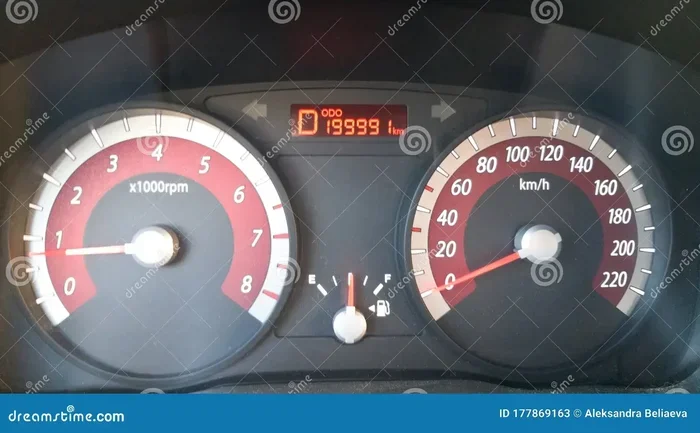
The average American drives about 13,000 to 14,000 miles per year. That means a 10-year-old car might have around 130,000 to 140,000 miles. At that point, many owners start thinking about when to replace a car.
Does Mileage Alone Decide When to Replace?
No. Mileage is just one piece of the puzzle. A car with 180,000 miles that was always serviced on time might run better than one with 90,000 miles that was neglected. Car reliability depends heavily on maintenance habits, driving conditions, and the quality of the vehicle itself.
For example, city driving with lots of stop-and-go traffic wears out a car faster than steady highway driving. Salt, extreme heat, and humidity also shorten a vehicle’s life. So when people ask at what mileage should a car be replaced, the real answer is: it depends on more than just the odometer.
Signs It Is Time to Replace Your Car
Your car will usually tell you when it is struggling. The trick is recognizing the signs early. Ignoring them can lead to a breakdown at the worst possible moment.
Rising Repair Costs
This is the number one signal. If you find yourself visiting the mechanic more often, take notice. A single repair might be manageable. But when repair bills start adding up month after month, it is a red flag. A good rule of thumb: if annual repairs exceed the value of the car, it is time to consider replacing it.
Sometimes a car develops a problem that costs more to fix than the car is worth. For instance, if your car has no power at all, the issue could range from a simple fuel pump to a serious engine failure. The cost of diagnosing and fixing that can easily exceed the vehicle’s resale value.
Engine and Transmission Problems
The engine and transmission are the two most expensive components to replace. If either starts showing signs of serious wear, the repair cost often makes replacement the smarter choice. Warning signs include:
- Constant stalling or rough idling
- Unusual noises from the engine bay
- Transmission slipping or delayed shifting
- Check engine light that keeps coming back
When a car stops running while driving and refuses to start again, that is a serious warning. It could be a temporary fix or a sign of a deeper problem. Repeated occurrences almost always mean the vehicle is nearing the end of its useful life.
Safety Concerns
Safety should always come first. Older cars may lack modern safety features like automatic braking, blind spot monitoring, or advanced airbags. If your vehicle has structural rust, frame damage, or failing safety systems, no mileage number justifies keeping it on the road.
Also consider how the car handles in bad weather. A vehicle that struggles to brake or steer properly puts you and others at risk. No car buying guide would recommend holding onto a car that compromises safety.
Declining Comfort and Convenience
Sometimes the need to replace comes down to daily comfort. A car that leaks, rattles, loses climate control, or has a failing infotainment system can make every drive unpleasant. While this is not a safety issue, it affects your quality of life and your willingness to actually use the vehicle.
Factors That Affect When You Should Replace
Not all cars age the same way. Several factors influence how long a vehicle stays reliable and cost-effective.
Maintenance History
This is the biggest factor within your control. A car with complete service records and regular oil changes, tire rotations, and fluid flushes will outlast a neglected one by a wide margin. Preventive maintenance is the single best investment you can make in your vehicle’s longevity.
On the flip side, skipping oil changes or ignoring small problems leads to cascading failures. A minor issue today becomes a major repair tomorrow. That is why car maintenance costs tend to spike on vehicles that were not properly cared for.
Vehicle Make and Model
Some brands and models are known for lasting well beyond 200,000 miles. Toyota, Honda, and Lexus vehicles frequently top the longevity charts. Other models may start having significant issues around the 100,000-mile mark. Before buying or keeping a car, research its known reliability ratings and common problems.
Driving Conditions and Habits
How and where you drive matters a lot. Here are some factors that accelerate wear:
- Short trips where the engine never fully warms up
- Heavy stop-and-go city traffic
- Driving on unpaved or rough roads
- Towing heavy loads regularly
- Extreme hot or cold climates
If your daily routine involves any of these, your car will age faster. Plan your replacement timeline accordingly.
Financial Situation
Your budget plays a huge role. A car that is barely drivable but still gets you to work might make sense to keep if you cannot afford a replacement right now. But if you have the financial flexibility, replacing a high-mileage vehicle can save you money in the long run.
Consider the total cost of ownership. This includes payments, insurance, fuel, and maintenance. A newer car might have higher monthly costs but lower repair expenses. An older car has lower purchase costs but potentially much higher repair bills.
Cost Analysis: Repair vs. Replace
One of the most practical ways to decide is to compare the cost of repairs against the cost of replacing the vehicle. Here is a simple framework to follow.
The 50% Rule
A common guideline in the automotive world is the 50% rule. If a single major repair costs more than 50% of the car’s current value, replacement starts to make financial sense. For example, if your car is worth $3,000 and a transmission repair costs $2,500, it is probably time to move on.
But this rule is not absolute. If the car is otherwise reliable and you can afford the repair, it might still be worth fixing. Use this as a starting point, not a final verdict.
Annual Repair Costs Over Time
Track your repair expenses over several months. If the trend is upward, that is a strong signal. Here is a simple comparison:
- Under $500 per year: The car is likely still cost-effective to keep.
- $500 to $1,500 per year: Consider your options. Start researching replacements.
- Over $1,500 per year: Replacement is probably the smarter financial move.
Remember to factor in car depreciation. A new car loses value quickly in the first few years. A used car has already absorbed much of that loss. This is why many experts recommend keeping a car past the point where payments would be due on a new one.
How to Decide the Right Time for You
Ultimately, the decision is personal. Here is a step-by-step approach to help you decide.
Step 1: Get a Professional Inspection
Before making any decision, have a trusted mechanic inspect the vehicle. They can identify hidden problems and give you an honest assessment of what lies ahead. A pre-purchase inspection works the same way if you are considering a used car.
Sometimes what looks like a simple issue turns out to be much worse. For example, a car that turns over but won’t start could have a dead battery, a bad starter, or a failed ignition system. The fix could cost $50 or $500. An inspection removes the guesswork.
Step 2: Calculate Your True Costs
Write down all costs associated with the car for the past year. Include repairs, fuel, insurance, registration, and any subscriptions or features you pay for. Then estimate what a replacement vehicle would cost in those same categories. The comparison often clarifies things quickly.
Step 3: Consider Your Needs
Has your lifestyle changed? Maybe you need more space, better fuel economy, or a vehicle that can handle different conditions. A car buying guide can help you narrow down options that fit your current situation rather than just replacing like for like.
Step 4: Set a Budget and Timeline
Decide how much you can comfortably spend on a new or used vehicle. Then set a realistic timeline for making the switch. Having a plan takes the pressure off and prevents rushed decisions at the worst possible time.
Common Mistakes People Make When Deciding to Replace
Avoiding these mistakes can save you both money and regret.
Waiting Too Long
Some owners cling to a car far past its useful life because they do not want to deal with the process. But waiting too long often means facing a sudden breakdown that leaves you stranded. A car that stopped running while driving is not just inconvenient; it can be dangerous.
Ignoring the Numbers
Emotion plays a big role in car decisions. You might have fond memories of a first car or feel attached to a vehicle that has served you well. But feelings should not override financial reality. Let the numbers guide your decision.
Skipping the Research
Replacing a car is a major financial decision. Rushing into it without research often leads to buyer’s remorse. Take the time to compare models, read reviews, and test drive multiple options. A well-informed choice leads to much better long-term satisfaction.
Expert Insights on Car Replacement Timing
Automotive experts generally agree on a few key points about car replacement mileage:
- Most cars are designed to last 200,000 miles with proper care. Beyond that, the odds of major failures increase significantly.
- The sweet spot for replacement is often between 150,000 and 200,000 miles for the average driver.
- Electric vehicles may have different replacement timelines due to battery degradation and fewer moving parts.
- Luxury vehicles tend to have higher maintenance costs, which can push the replacement timeline earlier.
Industry data shows that the average vehicle ownership length in the United States is now around 6 to 7 years. But many drivers keep their cars much longer if the vehicle replacement cost does not make financial sense earlier.
According to automotive analysts, the key is not the mileage number itself but the trend of costs and reliability over time. A car that is trending toward more problems and higher bills should be on your replacement radar, regardless of the odometer reading.
Final Thoughts on When to Replace Your Vehicle
So, at what mileage should a car be replaced for most vehicles? The honest answer is somewhere between 150,000 and 200,000 miles. But that number is just a starting point. Your actual decision should be based on a combination of repair costs, safety concerns, reliability trends, and your personal financial situation.
The best approach is to stay proactive. Do not wait for a catastrophic failure to force your hand. Regular maintenance, honest self-assessment, and a clear understanding of your costs will guide you to the right decision at the right time.
Every car reaches a point where the costs of keeping it outweigh the benefits. Recognizing that point early gives you the power to plan, budget, and choose your next vehicle with confidence. A well-timed replacement is not a loss; it is a smart financial and practical decision that keeps you safe and saves you money in the long run.
Use the guidelines in this article to evaluate your current situation. Talk to your mechanic, crunch the numbers, and trust your instincts. You will know when the time is right.
Frequently Asked Questions
What is the average mileage before a car needs to be replaced?
Most vehicles should be replaced between 150,000 and 200,000 miles. However, well-maintained cars can go beyond 200,000 miles. The average depends on your maintenance habits, driving conditions, and the vehicle type. Regular service records are the best predictor of longevity.
Is it cheaper to repair an old car or buy a new one?
It depends on the repair cost and the car’s value. If annual repairs exceed 50% of the car’s current value, replacing it is usually the smarter financial move. Factor in insurance, fuel, and depreciation when making the comparison. Sometimes keeping an older car is still the best choice if it runs reliably.
Can a car last 300,000 miles?
Yes, but it is rare. Only vehicles with excellent maintenance records and favorable driving conditions reach 300,000 miles. Even then, major component replacements like the engine or transmission are likely. Most drivers find that the cost of keeping a car that far exceeds 200,000 miles outweighs the benefits.
What are the first signs that my car is wearing out?
Watch for rising repair costs, engine warning lights, transmission slipping, and safety system failures. A car that has no power at all or keeps stopping while driving needs immediate attention. These are clear signals that the vehicle is approaching the end of its reliable lifespan.
Does the type of car affect how long it lasts?
Absolutely. Some brands like Toyota and Honda are known for lasting well over 200,000 miles. Luxury vehicles and specialty models often have higher maintenance costs and shorter reliable lifespans. Research your specific make and model before making any replacement decision.
How often should I re-evaluate whether to replace my car?
Re-evaluate at least once a year, especially once your car passes the 100,000-mile mark. Track your repair costs and note any new or recurring problems. An annual check-in with your mechanic can also reveal issues you might not notice during daily driving.