Are Toyotas Good Cars The Truth About Toyota Reliability
Are Toyotas Good Cars? Yes — Toyota consistently ranks among the most reliable brands in the automotive world. With low maintenance costs, strong resale value, and proven durability, Toyota vehicles are a smart choice for buyers who want long-term dependability.
When you think about buying a car that will last, Toyota usually comes to mind. The brand has built a reputation over decades for producing vehicles that keep running long after other cars have faded into scrap heaps. But the real question is, Are Toyotas Good Cars? The short answer is yes — and there is a lot of evidence to back that up.
Toyota has earned its spot at the top of reliability rankings year after year. Organizations like Consumer Reports and J.D. Power regularly place Toyota near the top. But what exactly makes these vehicles so dependable? And are there any downsides you should know about before buying? This article covers everything you need to make an informed decision.
Whether you are shopping for a family sedan, a rugged truck, or a fuel-efficient hybrid, understanding Toyota’s strengths and weaknesses matters. Let us dive into the truth behind Toyota reliability and why so many drivers trust this brand.
Key Takeaways
- Toyota Reliability: Toyotas are known for lasting well beyond 200,000 miles with proper care.
- Low Ownership Costs: Maintenance and repair costs are among the lowest in the industry.
- Strong Resale Value: Toyota vehicles hold their value better than most competitors.
- Safety Leader: Many Toyota models earn top safety ratings from both NHTSA and IIHS.
- Hybrid Excellence: Toyota pioneered hybrid technology and continues to lead in fuel efficiency.
- Wide Model Range: From compact sedans to trucks and SUVs, Toyota offers something for every buyer.
- Minor Issues Exist: Even reliable brands have common problems — knowing them helps you stay ahead.
📑 Table of Contents
- Why Toyota Has a Reputation for Reliability
- Best Toyota Models Worth Considering
- Toyota Maintenance and Ownership Costs
- Toyota Safety and Technology Features
- Toyota Hybrid and Fuel Efficiency
- Common Toyota Problems to Watch For
- Toyota vs. the Competition
- Are Toyotas Good Cars for Different Lifestyles?
- Final Thoughts on Toyota Reliability
Why Toyota Has a Reputation for Reliability
Toyota’s reliability is not an accident. It comes from decades of engineering focus, strict quality control, and a commitment to building cars that work well for the long haul. The company has always prioritized durability over flashiness, and that philosophy shows in every vehicle they produce.
The Engineering Philosophy
Toyota engineers design vehicles with simplicity in mind. Fewer complex parts mean fewer things that can break. This approach has made Toyota engines some of the most trusted powerplants on the road. If you have ever wondered why a 1 2 L Engine Cars setup from Toyota can run for hundreds of thousands of miles, it is because of this minimalist but effective design philosophy.
Toyota also uses extensive real-world testing. Every model goes through thousands of hours of rigorous trials before hitting the market. These tests simulate extreme conditions — scorching heat, freezing cold, rough roads — to make sure every vehicle can handle real life.
Quality Control Standards
Toyota’s factory standards are among the strictest in the world. The company uses a system called the Toyota Production System, which focuses on eliminating defects at every stage of manufacturing. This attention to detail means fewer problems for owners down the road.
Each assembly line worker is empowered to stop production if they spot a defect. This might slow things down temporarily, but it prevents bad cars from reaching customers. The result is a vehicle that is built right from day one.
Best Toyota Models Worth Considering
Toyota offers a wide range of vehicles, and some stand out as particularly reliable. Here are the models that consistently earn top marks from owners and reviewers alike.
Toyota Camry
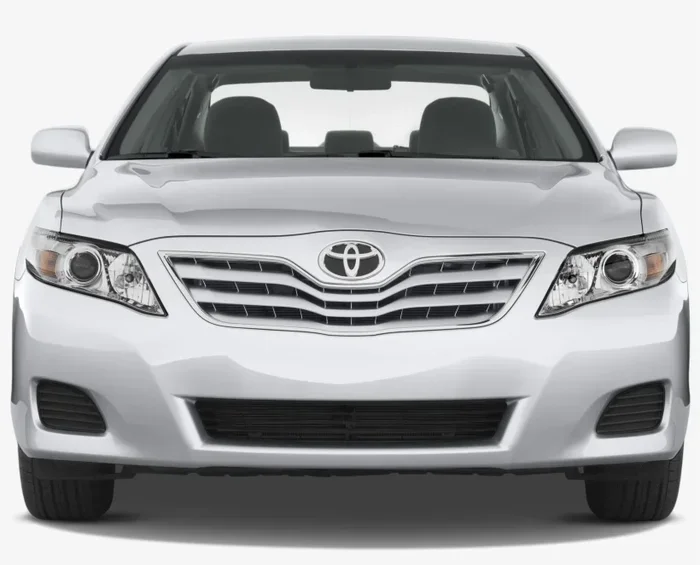
The Camry has been a staple of the midsize sedan market for decades. It is comfortable, fuel-efficient, and incredibly dependable. Many Camry owners report crossing the 200,000-mile mark without major issues. It is one of the best choices if you want a reliable daily driver.
Toyota Corolla
The Corolla is Toyota’s best-selling car worldwide, and for good reason. It is affordable, easy to maintain, and built to last. The Corolla may not be flashy, but it gets the job done reliably for years. It is a perfect choice for first-time car buyers or anyone who wants a no-nonsense vehicle.
Toyota RAV4
The RAV4 is one of the most popular SUVs on the market, and reliability is a big reason why. It offers a comfortable ride, good cargo space, and strong resale value. The hybrid version of the RAV4 is especially impressive when it comes to fuel economy.
Toyota Tacoma
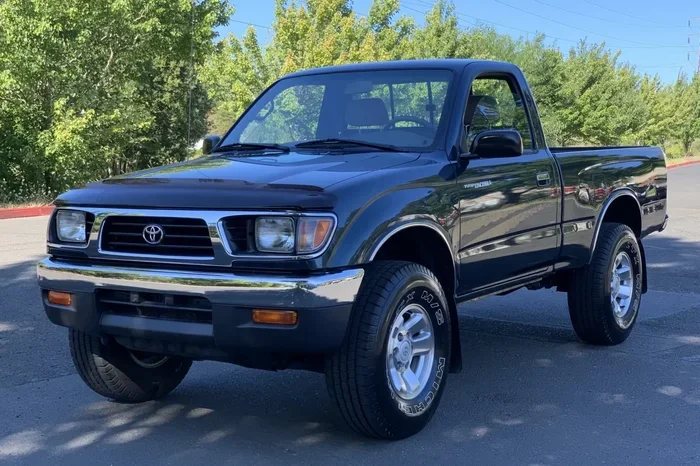
If you need a pickup truck, the Tacoma is hard to beat for reliability. It has been a favorite among truck buyers for years because it simply does not break down often. The Tacoma also holds its value remarkably well, making it a smart long-term investment.
Toyota Maintenance and Ownership Costs
One of the biggest advantages of owning a Toyota is the low cost of ownership. Compared to many other brands, Toyotas are cheaper to maintain and repair over time.
Routine Maintenance
Oil changes, brake pads, and tire rotations on a Toyota tend to cost less than on comparable vehicles from other brands. Toyota parts are widely available, which keeps repair costs down. You can find genuine Toyota parts at most dealerships and aftermarket options at even lower prices.
Regular maintenance goes a long way in extending the life of a Toyota vehicle. Owners who follow the recommended service schedule often find that their cars remain trouble-free for many years.
Repair Costs Over Time
According to data from RepairPal, Toyota ranks among the brands with the lowest average annual repair costs. Most Toyota vehicles cost less than $400 per year for maintenance and repairs. Compare that to the industry average of around $650, and the savings add up quickly.
Of course, as a vehicle ages, some repairs become inevitable. But even older Toyotas tend to have simpler systems that are easier and cheaper to fix. This is a major reason why Toyotas remain popular in the used car market.
Toyota Safety and Technology Features
Reliability means nothing if a car is not safe. Toyota takes safety seriously, and their vehicles consistently earn top marks from safety organizations.
Safety Ratings
Many Toyota models receive 5-star safety ratings from the National Highway Traffic Safety Administration (NHTSA). The Insurance Institute for Highway Safety (IIHS) also awards numerous Toyota models with Top Safety Pick or Top Safety Pick+ designations.
Toyota vehicles come equipped with a suite of standard safety features. These include automatic emergency braking, lane departure warning, adaptive cruise control, and blind spot monitoring. The Toyota Safety Sense package is available on most models and provides an extra layer of protection for drivers and passengers.
Technology and Infotainment
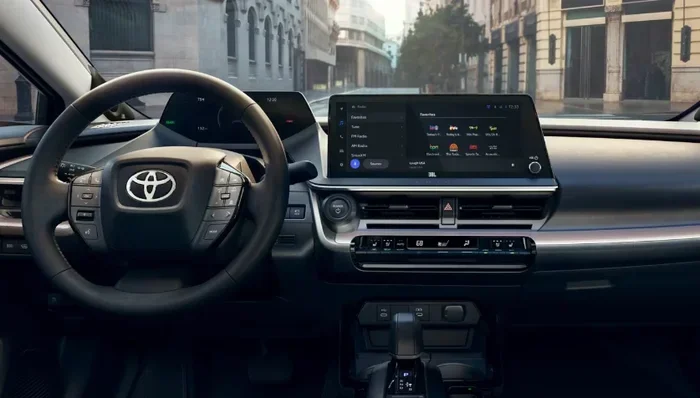
Toyota’s infotainment systems have improved significantly in recent years. Most models now feature Apple CarPlay and Android Auto compatibility, making it easy to connect your phone and use your favorite apps. Touchscreen displays are responsive, and the overall user experience is intuitive.
Toyota has also embraced modern driver-assistance technology. Features like lane tracing assist, road sign recognition, and full-speed dynamic radar cruise control make long drives more comfortable and safer. These technologies work together to reduce driver fatigue and prevent accidents.
Toyota Hybrid and Fuel Efficiency
Toyota was a pioneer in hybrid technology, and the company continues to lead the way. The Toyota Prius made hybrids mainstream, and today Toyota offers hybrid versions of many of its most popular models.
Do Hybrid Cars Need Charging?
One common question from buyers is whether hybrid vehicles need to be plugged in. The answer is no — at least not for Toyota hybrids. Toyota’s hybrid system uses regenerative braking and the gasoline engine to recharge the battery. This means you can drive a Toyota hybrid just like a regular car, without worrying about finding a charging station.
This is a huge advantage over plug-in hybrids and fully electric vehicles. Toyota hybrids offer excellent fuel economy without the inconvenience of charging. For many drivers, this makes hybrid Toyotas the perfect choice for daily commuting and road trips alike.
Fuel Efficiency Across the Lineup
Toyota vehicles are known for impressive fuel economy. The Corolla Hybrid delivers around 52 miles per gallon in the city, while the RAV4 Hybrid is close behind at about 40 mpg combined. Even the non-hybrid versions of Toyota cars tend to be more fuel-efficient than their competitors.
Over time, the fuel savings from a Toyota hybrid or efficient gasoline model can add up to thousands of dollars. This is another reason why Toyotas are considered cost-effective vehicles in the long run.
Common Toyota Problems to Watch For
Even the most reliable brand has its quirks. While Toyotas are known for durability, some models and model years have common issues that buyers should be aware of.
Transmission Issues in Older Models
Some older Toyota models, particularly those from the early 2000s, have experienced transmission problems. The Toyota Camry and Avalon from that era sometimes showed signs of transmission wear after high mileage. However, newer models have addressed many of these issues through improved engineering.
Excessive Oil Consumption
A few Toyota engines have been known to consume oil at higher-than-normal rates. This is not a universal problem, but it does affect certain model years. Regular oil level checks can help you catch this issue early before it causes engine damage.
Electrical Gremlins
Some Toyota owners have reported minor electrical issues, such as flickering lights or infotainment glitches. These problems are usually cosmetic and easy to fix, but they can be annoying. Overall, electrical issues in Toyotas are rare compared to the industry average.
Toyota vs. the Competition
How does Toyota stack up against other reliable brands? Let us look at a quick comparison.
| Brand | Reliability Rating | Avg. Annual Repair Cost | Resale Value |
|---|---|---|---|
| Toyota | Excellent | $350-$400 | Very High |
| Honda | Excellent | $380-$430 | High |
| Ford | Good | $450-$550 | Moderate |
| Chevrolet | Good | $480-$580 | Moderate |
| Nissan | Good | $420-$500 | Moderate |
As you can see, Toyota holds its own against strong competitors like Honda. Both brands offer excellent reliability and low ownership costs. However, Toyota tends to edge ahead when it comes to resale value and long-term durability.
For comparison, consider a vehicle like the Ford F-150, which has its own strengths. You might want to check Are 2013 Ford F150 Reliable to see how it measures up against Toyota trucks in terms of dependability and long-term ownership experience.
Are Toyotas Good Cars for Different Lifestyles?
Toyota builds vehicles for all kinds of drivers and families. No matter what your lifestyle looks like, there is likely a Toyota model that fits your needs.
For Families
The Toyota Highlander and Sienna are excellent choices for families. They offer spacious interiors, advanced safety features, and smooth rides. The Sienna minivan, in particular, is a favorite among parents who need lots of room and convenience features.
For Commuters
If you drive to work every day, the Toyota Corolla or Yaris is a great pick. These small cars are fuel-efficient, easy to park, and cheap to maintain. They are perfect for city driving and daily errands.
For Adventure Seekers
The Toyota 4Runner and Tacoma are built for adventure. They are rugged, capable, and designed to handle tough terrain. Whether you are hauling gear for a camping trip or navigating rough trails, Toyota has a vehicle that can keep up.
For Eco-Conscious Buyers
Toyota’s hybrid lineup is a major draw for environmentally conscious buyers. The Prius remains one of the most fuel-efficient cars available, and the expanding hybrid catalog gives buyers more options than ever before. Toyota also offers hydrogen fuel cell vehicles in select markets, showing commitment to sustainable transportation.
Final Thoughts on Toyota Reliability
So, are Toyotas good cars? The evidence overwhelmingly says yes. Toyota vehicles are reliable, affordable to own, safe, and built to last. Whether you are buying new or used, a Toyota is one of the smartest investments you can make in the automotive world.
No car is perfect, and Toyotas are no exception. Some models have known issues, and no brand can guarantee zero problems. But when you look at the big picture — long lifespan, low repair costs, strong resale value, and proven track record — Toyota stands out as one of the best choices available today.
If you are in the market for a new or used car, a Toyota should be at the top of your list. Do your research, test drive a few models, and you will likely find a Toyota that fits your needs and budget perfectly.
Frequently Asked Questions
Are Toyotas Good Cars for Long Road Trips?
Yes, Toyotas are excellent for long road trips. Their reliability means you are less likely to face breakdowns, and their fuel efficiency helps keep costs low. Models like the Camry and RAV4 are especially comfortable for extended driving.
How Long Do Toyotas Typically Last?
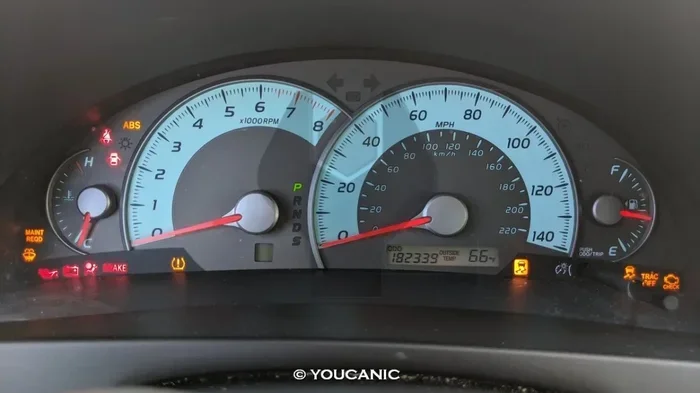
With proper maintenance, Toyotas routinely last 200,000 miles or more. Many owners report their Toyotas reaching 300,000 miles without major engine or transmission failures. Regular oil changes and timely repairs play a big role in achieving this longevity.
Are Used Toyotas a Good Investment?
Used Toyotas are widely considered one of the best investments in the used car market. They hold their value well, have lower mileage costs, and come with a proven track record of reliability. A well-maintained used Toyota can serve you reliably for many more years.
What Is the Most Reliable Toyota Model?
The Toyota Corolla is often cited as the most reliable Toyota model. It has a long history of dependability, low repair costs, and excellent fuel economy. The Camry and Tacoma are also among the top-rated for long-term reliability.
Do Toyotas Have High Insurance Costs?
Generally, Toyotas have moderate insurance costs. Their strong safety ratings and low theft rates compared to some brands help keep premiums reasonable. However, insurance costs vary based on the specific model, your driving record, and your location.
Why Are Toyotas More Reliable Than Other Brands?
Toyota’s reliability comes from a combination of simple engineering, strict quality control, and extensive real-world testing. The company focuses on proven technology rather than unnecessary complexity. This philosophy results in fewer parts that can fail and lower long-term ownership costs.
=== CONCLUSION ===
When all is said and done, the answer to the question Are Toyotas Good Cars is a resounding yes. Toyota has built a legacy of reliability, durability, and value that few other brands can match. From the efficient Corolla to the rugged Tacoma, every Toyota vehicle is designed with long-term ownership in mind.
Low maintenance costs, strong resale value, excellent safety ratings, and impressive fuel efficiency make Toyotas a top choice for buyers in every segment. While no car is completely problem-free, Toyotas come closer to that ideal than almost any other brand on the market today.
If you are looking for a car that you can trust day after day, year after year, a Toyota is one of the best decisions you can make. Do your homework, pick the right model for your needs, and enjoy the peace of mind that comes with owning one of the most reliable vehicles on the road.