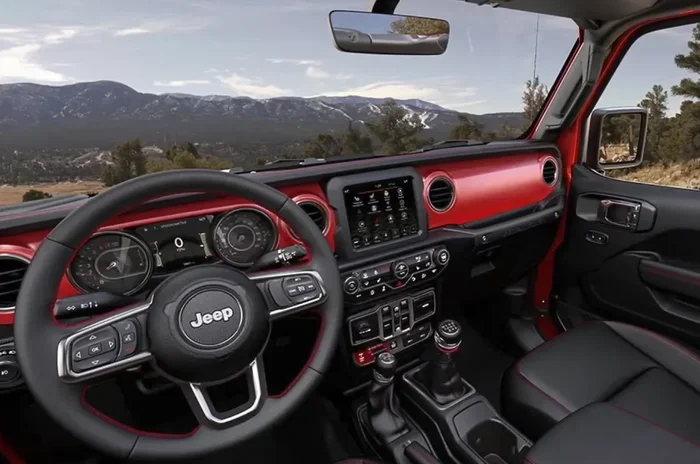
Are Jeep Interiors Waterproof What You Need to Know
Jeep interiors are not fully waterproof, but many models feature water-resistant materials designed to handle light rain and splashes. The rubber flooring, sealed seams, and durable upholstery give Jeeps a solid level of weather protection for off-road adventures. However, prolonged exposure to water can still cause damage, so proper Jeep cabin protection and maintenance are essential.
Jeep owners love taking their trucks off the beaten path. Whether you are tackling muddy trails, crossing shallow streams, or just dealing with a rainy day, one question always comes up: are Jeep interiors waterproof? The short answer is no, but the full story is more nuanced than that.
Jeep builds some of the most capable off-road vehicles on the road today. Their water-resistant interiors are designed to handle the elements. But “water-resistant” and “waterproof” are not the same thing. Understanding the difference can save you money, prevent damage, and keep your Jeep cabin in great shape for years to come.
In this guide, we will walk through everything you need to know about Jeep interior water resistance. We will cover the materials used, which models handle water best, common problems, and how to protect your investment. Let us dive in.
Key Takeaways
- Not fully waterproof: Jeep interiors resist water but are not completely sealed against heavy flooding or sustained exposure.
- Water-resistant materials: Most Jeep models use rubber flooring, vinyl upholstery, and sealed door frames to block moisture.
- Model differences matter: The Jeep Wrangler and Gladiator handle water better than models with more soft-touch surfaces and cloth seats.
- Accessories help: Waterproof seat covers, rubber mats, and cargo liners add an extra layer of Jeep weather protection.
- Maintenance is key: Regular cleaning and sealing of seams prevents long-term water damage and mold growth.
- Driving through water: Knowing your Jeep’s water-fording limits helps avoid costly interior damage and engine problems.
- Quick fixes exist: Simple DIY methods can address minor leaks and moisture buildup before they become serious issues.
📑 Table of Contents
- Are Jeep Interiors Waterproof?
- Jeep Models and Their Water Resistance
- Common Water Damage Problems in Jeep Interiors
- How to Protect Your Jeep Interior from Water
- Can You Drive a Jeep Through Water?
- Jeep Interior Materials: What to Know
- Expert Tips for Jeep Interior Care
- Common Mistakes Jeep Owners Make with Water Damage
- Final Thoughts
Are Jeep Interiors Waterproof?
The honest answer is that Jeep interiors are water-resistant, not fully waterproof. Jeep engineers design these vehicles to handle light rain, splashes, and muddy conditions. But they do not build them to be submerged in water for long periods.
Most Jeep models come with a few features that help keep water out. The rubber floor mats, sealed door frames, and vinyl or synthetic upholstery all play a role. These elements work together to create a cabin that can handle everyday wet conditions without letting water seep into the floor or seats.
However, if you plan to drive through deep water or leave your Jeep exposed to heavy rain for hours, you need to take extra steps. The interior materials can only do so much. Over time, water can find its way through small gaps, worn seals, or damaged flooring.
What Makes a Jeep Interior Water-Resistant?
Several design choices give Jeeps their water-resistant interior reputation. Here are the key features:
- Rubber floor mats: Most Jeeps come with thick rubber mats that cover the entire floor. These mats trap water and prevent it from reaching the carpet underneath.
- Vinyl and synthetic upholstery: Unlike cloth seats, vinyl and synthetic materials do not absorb water. They wipe clean easily and dry fast.
- Sealed door frames: Rubber door seals help block rain and splashes from entering the cabin through the doors.
- Drain plugs: Many Jeep models have drain plugs in the floor that let water escape if it does get inside.
- Plastic dashboard and trim: Hard plastic surfaces resist water better than soft-touch materials or wood-grain trim.
Jeep Models and Their Water Resistance
Not all Jeeps handle water the same way. Some models are built for serious off-roading and feature interiors designed to get wet. Others are more on-road focused and use materials that are less forgiving when it comes to moisture.
Jeep Wrangler
The Jeep Wrangler is the gold standard for off-road capability, and its interior reflects that. The Wrangler features removable doors and a fold-down windshield, which means water can get in more easily than in a hardtop vehicle. However, the Wrangler compensates with durable vinyl seats, rubber flooring, and drain plugs that let water escape quickly.
Many Wrangler owners love the fact that they can hose out the interior after a muddy adventure. The materials are built to handle this kind of treatment. If you are planning a trail run through a creek or a rainstorm, the Wrangler is one of the most water-friendly Jeep models you can buy.
Jeep Gladiator
The Jeep Gladiator shares its platform with the Wrangler, so it has similar water-resistant interior features. The open-top options mean rain can enter the cabin, but the rubber mats and vinyl seats handle moisture well. The Gladiator also features drain plugs in the floor, making cleanup easy after a wet off-road trip.
Jeep Grand Cherokee
The Grand Cherokee is more of a luxury SUV than a hardcore off-roader. Its interior features more soft-touch materials, leather seats, and premium trim. While these materials look and feel great, they are less resistant to water than the vinyl and rubber found in the Wrangler.
The Grand Cherokee does offer sealed seams and good door gaskets, but you should still be cautious about driving through deep water. Leather seats can stain, and water can damage the soft-touch surfaces on the dashboard and console.
Jeep Cherokee
The Jeep Cherokee falls somewhere in between. It offers a more modern interior than the Wrangler but still includes water-resistant materials in key areas. The Cherokee features cloth or leather seating options, which are less forgiving with water than vinyl. The rubber floor mats help, but they do not cover as much of the floor as a Wrangler’s mats do.
Common Water Damage Problems in Jeep Interiors
Even with water-resistant materials, Jeeps can still suffer from interior water damage. Here are the most common problems Jeep owners face:
Leaking Door Seals
Over time, the rubber seals around your doors can crack, harden, or shift out of place. When this happens, rainwater can seep into the cabin and pool on the floor. This is one of the most common causes of interior leaks in older Jeeps.
You can often spot a damaged door seal by looking for cracks, gaps, or stiffening in the rubber. Replacing a door seal is usually affordable and straightforward, and it can make a big difference in keeping your cabin dry.
Clogged Drain Plugs
Jeeps have drain plugs designed to let water escape from the cabin. If these plugs get clogged with dirt, leaves, or debris, water has nowhere to go and will pool inside the vehicle. This can lead to mold, mildew, and musty odors.
Check your drain plugs regularly, especially after off-road trips or heavy rain. Clearing them is a quick and easy way to prevent water buildup.
Worn Floor Mats
The rubber floor mats in your Jeep take a beating. Over time, they can crack, tear, or shift out of place. When the mats no longer cover the floor properly, water can reach the carpet and seep into the floor pan.
Replacing your floor mats is one of the simplest and most effective ways to protect your Jeep interior from water damage. Look for heavy-duty rubber mats that fit snugly and cover the entire floor area.
Sunroof and Windshield Leaks
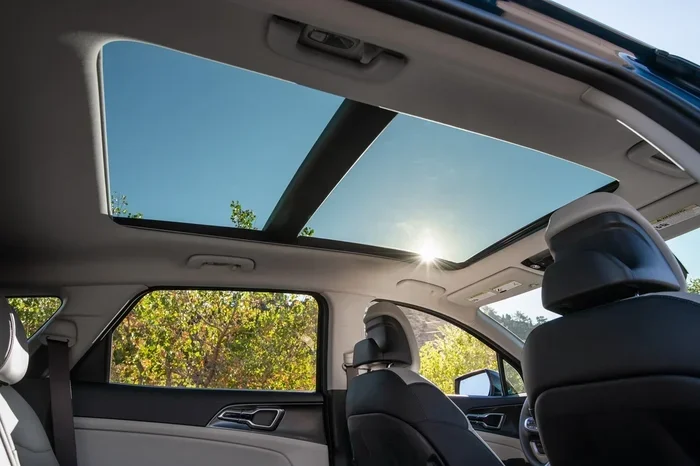
If your Jeep has a sunroof, the rubber seals around it can degrade over time. A leaking sunroof can send water directly onto the headliner and into the cabin. Similarly, a worn windshield seal can allow water to enter around the edges of the windshield.
Both of these issues require professional attention in most cases. A dealer or qualified mechanic can inspect the seals and recommend the right fix.
How to Protect Your Jeep Interior from Water
Protecting your Jeep interior from water damage is easier than you might think. A few simple steps can go a long way in keeping your cabin dry and in good condition.
Use Waterproof Seat Covers
Waterproof seat covers are one of the best investments you can make for your Jeep. They protect the seats from spills, rain, and mud. Look for covers made from heavy-duty vinyl or neoprene that fit your specific Jeep model snugly.
These covers are especially useful if you have cloth or leather seats that are more vulnerable to water damage. They are also easy to clean and can be removed when you want to enjoy the open-air Jeep experience.
Invest in Quality Rubber Floor Mats
The stock rubber mats that come with most Jeeps do a decent job, but aftermarket options are often thicker and more durable. Look for mats that are designed specifically for your Jeep model and cover the entire floor, including the footwells and cargo area.
Some premium mats even have raised edges that help contain water and prevent it from spilling onto the carpet. This is especially helpful if you frequently drive in wet or muddy conditions.
Apply a Waterproof Sealant
You can apply a waterproof sealant to your Jeep’s interior surfaces for an extra layer of protection. Products like Scotchgard or 303 Aerospace Protectant create a barrier that repels water and prevents stains.
Spray the sealant on the seats, dashboard, and carpet. Allow it to dry completely before using the vehicle. Reapply every few months for best results.
Check and Replace Door Seals Regularly
Your door seals are the first line of defense against water entering the cabin. Inspect them regularly for cracks, gaps, or signs of wear. If you notice any damage, replace the seals promptly.
New door seals are relatively inexpensive and easy to install. You can find OEM or aftermarket seals at most auto parts stores or online retailers. Keeping your seals in good condition is one of the best ways to maintain your Jeep’s water resistance.
Dry Your Jeep After Wet Rides
After a wet ride or off-road adventure, take a few minutes to dry out your Jeep. Remove the floor mats and let them air dry. Open the doors and windows to let moisture escape. Use a towel or a wet/dry vacuum to soak up any standing water on the floor.
Letting your Jeep dry completely after exposure to water prevents mold, mildew, and musty odors from developing. It also extends the life of your interior materials.
Can You Drive a Jeep Through Water?
This is a question many Jeep owners ask, especially those who enjoy off-roading. The answer depends on the model, the water depth, and the condition of your vehicle.
Water Fording Depth
Most Jeep models can handle water depths of about 24 to 30 inches when moving at a slow, steady speed. The Wrangler and Gladiator tend to handle deeper water better than the Grand Cherokee or Cherokee, thanks to their higher ground clearance and simpler electrical systems.
However, driving through deep water is never risk-free. Water can enter the cabin through the floor, doors, and even the air intake. It can also damage the engine, transmission, and electrical components if it gets too deep.
Tips for Driving Through Water
- Go slowly: A steady, slow speed creates a bow wave that helps keep water away from the cabin and engine.
- Check the depth: Never drive through water deeper than what your Jeep is rated for. When in doubt, walk the water first to gauge the depth.
- Avoid standing water: Standing water can hide deep potholes, debris, or sudden drop-offs.
- Dry out your Jeep afterward: Even if your interior seems dry, moisture can linger in hidden areas. Open the doors and let the cabin air out.
If you are serious about water crossings, you might want to look into Jeep waterproofing accessories like snorkel kits, upgraded door seals, and interior waterproofing kits. These upgrades can significantly improve your Jeep’s ability to handle wet conditions.
Jeep Interior Materials: What to Know
The materials used in a Jeep interior play a big role in how well they handle water. Here is a closer look at the most common materials you will find in a Jeep cabin:
| Material | Water Resistance | Durability | Common Use |
|---|---|---|---|
| Vinyl | Excellent | High | Wrangler seats, door panels |
| Synthetic Leather | Very Good | High | Grand Cherokee seats |
| Cloth | Poor | Moderate | Cherokee, Compass seats |
| Rubber | Excellent | Very High | Floor mats, cargo area |
| Plastic Trim | Excellent | High | Dashboard, console |
| Leather | Poor to Moderate | Moderate | Grand Cherokee, luxury trims |
As you can see, vinyl and rubber are the most water-friendly materials in a Jeep interior. Cloth and leather, while comfortable and stylish, are more susceptible to water damage. If you prioritize water resistance, look for Jeep models and trims that feature vinyl or synthetic materials.
Best Materials for Wet Conditions
If you frequently take your Jeep off-road or live in a rainy climate, consider upgrading to the most water-resistant materials available. Vinyl seats, rubber carpet replacements, and plastic trim panels are all excellent choices for a weatherproof Jeep cabin.
Many aftermarket companies offer complete interior conversion kits that replace cloth or leather surfaces with vinyl and rubber alternatives. These kits can transform your Jeep’s interior into a space that handles water with ease.
Expert Tips for Jeep Interior Care
Taking care of your Jeep interior goes a long way in maintaining its water resistance. Here are some expert tips from seasoned Jeep owners and mechanics:
- Clean your drains monthly: Clogged drains are the number one cause of interior water pooling. Use a wire or compressed air to clear them regularly.
- Condition leather seats: If your Jeep has leather seats, condition them every few months to prevent cracking. Cracked leather lets water seep through.
- Use a dehumidifier: If you live in a humid climate or store your Jeep outdoors, a small dehumidifier can prevent moisture buildup and mold growth.
- Inspect the windshield seal annually: A failing windshield seal is a common source of leaks. Check it every year and replace it if needed.
- Store with the windows cracked: If you store your Jeep for an extended period, leave the windows slightly cracked to allow air circulation and prevent musty odors.
Common Mistakes Jeep Owners Make with Water Damage
Even the best Jeep owners can make mistakes when it comes to protecting their interiors from water. Here are some common pitfalls to avoid:
Ignoring Small Leaks
A small leak might seem harmless, but over time it can cause significant damage. Water can seep into the floor pan, corrode metal components, and promote mold growth. Always address leaks promptly, no matter how small they seem.
Using the Wrong Floor Mats
Aftermarket carpet floor mats look nice, but they trap water against the factory carpet. Always use rubber or vinyl mats that allow water to drain or be easily removed and cleaned.
Leaving Wet Gear Inside
Wet backpacks, muddy boots, and damp clothing can introduce moisture into your Jeep cabin. Make it a habit to shake out and dry gear after every ride, especially after off-road adventures.
Skipping Regular Maintenance
Regular maintenance keeps your Jeep’s seals, drains, and interior materials in good condition. Skipping maintenance leads to gradual wear and tear that reduces your Jeep’s ability to resist water.
For more tips on driving safely in different weather conditions, check out our guide on driving with high beams on, which covers important visibility practices for wet and dark driving conditions.
Final Thoughts
So, are Jeep interiors waterproof? The answer is that they are water-resistant, not fully waterproof. Jeep builds some of the most capable off-road vehicles available, and their interiors are designed to handle a surprising amount of moisture. From rubber floor mats to vinyl seats and sealed door frames, every element works together to keep your cabin dry in most conditions.
However, no Jeep interior is completely immune to water damage. Deep water crossings, prolonged exposure to heavy rain, and neglected maintenance can all lead to problems. The key is to understand your Jeep’s limits and take proactive steps to protect the interior.
By using waterproof accessories, performing regular maintenance, and addressing leaks quickly, you can keep your Jeep cabin in excellent condition for years to come. Whether you are a weekend trail rider or a daily driver, taking care of your Jeep’s water resistance pays off in the long run.
Now that you know what to expect and how to protect your Jeep, you can hit the trail with confidence. Your Jeep is built to handle the elements, and with the right care, it will keep you dry and comfortable on every adventure.
Frequently Asked Questions
Are Jeep Wrangler interiors fully waterproof?
No, Jeep Wrangler interiors are water-resistant, not fully waterproof. The vinyl seats, rubber floor mats, and drain plugs help handle light rain and splashes, but prolonged submersion or heavy flooding can still cause water damage to the cabin.
Can water damage a Jeep Grand Cherokee interior?
Yes, water can damage a Jeep Grand Cherokee interior. The luxury materials like leather and soft-touch plastics are more vulnerable to water than the vinyl and rubber found in Wranglers. Standing water can stain leather and damage electronic components.
How do I know if my Jeep has a water leak?
Common signs of a water leak include damp carpets, water pooling on the floor, musty odors, and visible mold. Check your door seals, drain plugs, and sunroof seals if you notice any of these symptoms. A flashlight inspection can often reveal the source of the leak.
What is the best waterproof accessory for a Jeep interior?
Waterproof seat covers and heavy-duty rubber floor mats are the best accessories for protecting a Jeep interior. They create a barrier between water and the factory materials, making cleanup easy and preventing long-term damage from moisture.
How deep of water can a Jeep Wrangler drive through?
A standard Jeep Wrangler can typically ford water depths of 24 to 30 inches at a slow, steady speed. With aftermarket upgrades like a snorkel intake and upgraded seals, some owners can handle even deeper water crossings safely.
Does removing the Jeep top affect interior water resistance?
Yes, removing the doors and top makes the Jeep interior more exposed to rain and water. Without the hard top and sealed doors, water can enter more easily. Using waterproof seat covers and keeping the drain plugs clear becomes even more important when driving with an open top.



One Comment