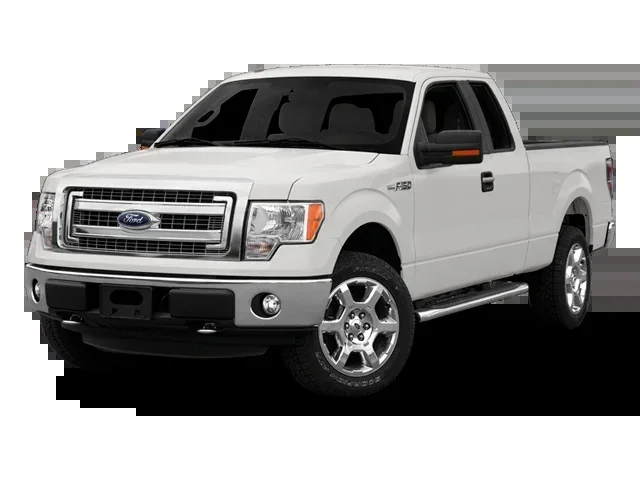
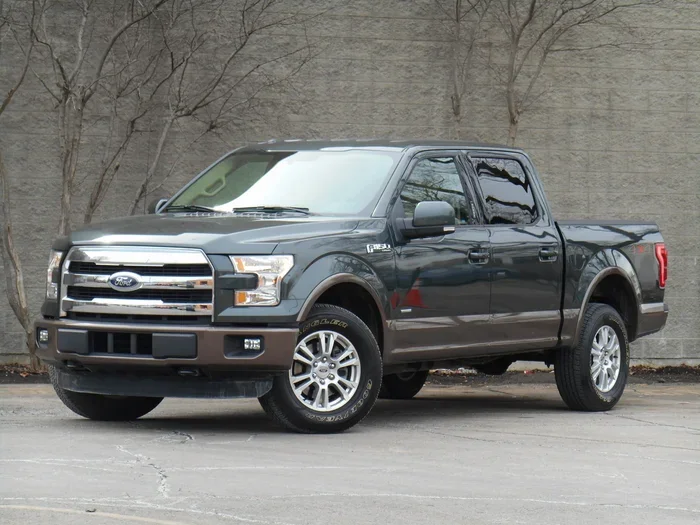
Find Out – Are There Any Recalls on 2016 Ford F-150
Recalls on 2016 Ford F-150 involve several safety and mechanical issues that owners should know about. The 2016 model year had multiple recall campaigns covering problems like door latches, brake systems, and transmission concerns. Staying informed helps you keep your truck safe and avoid costly repairs down the road.
Owning a 2016 Ford F-150 is something many truck lovers take pride in. It is a tough, reliable workhorse that handles everything from hauling cargo to weekend adventures. But even the best trucks can have problems. And when it comes to recalls on 2016 Ford F-150, there are a few you need to know about.
If you own or are thinking about buying a 2016 F-150, this guide is for you. We will walk through every major recall, explain what they mean, and show you how to check if your specific truck is affected. Knowledge is power, and in this case, it keeps you and your family safe.
The good news is that recall repairs are always free. Ford wants these issues fixed, and they will not ask you to pay a dime. So let us dive in and make sure your truck is in the best shape possible.
Key Takeaways
- Multiple recalls exist for the 2016 Ford F-150, covering safety-critical components like doors, brakes, and transmission parts.
- You can check your truck’s recall status for free using the NHTSA website or your VIN number.
- Recalls are repaired at no cost to the owner, so there is no reason to delay getting your truck fixed.
- Common owner-reported issues include transmission hesitation, door latch failures, and electrical gremlins.
- Acting quickly on recall notices protects you, your passengers, and other drivers on the road.
- Keeping your recall records updated helps maintain your truck’s value and warranty coverage.
📑 Table of Contents
- What You Need to Know About Recalls on 2016 Ford F-150
- Major Recalls Affecting the 2016 Ford F-150
- How to Check if Your 2016 Ford F-150 Is Affected
- What to Do If Your F-150 Is Recalled
- Common Problems Owners Report with the 2016 Ford F-150
- Staying Safe and Informed with Your 2016 Ford F-150
- Final Thoughts on Recalls on 2016 Ford F-150
What You Need to Know About Recalls on 2016 Ford F-150
A vehicle recall happens when a manufacturer finds a defect that could affect safety or performance. The National Highway Traffic Safety Administration, or NHTSA, oversees this process. When a 2016 Ford F-150 recall is issued, Ford must notify all registered owners.
But here is the thing not every owner gets the message. People move, change phone numbers, or simply overlook the mail. That is why it is smart to check proactively. Do not wait for a letter to arrive. Take matters into your own hands.
The 2016 F-150 was a popular model year. Ford sold a lot of these trucks, which means a lot of owners need to stay informed. Whether your truck is still in daily use or sitting in a garage, recall awareness matters.
Some recalls are minor. Others are serious safety concerns. Either way, understanding what is out there helps you make smart decisions. Let us look at the specific recalls that affected this model year.
Why Recalls Happen
Recalls usually come from two sources. First, Ford may find a defect during internal testing. Second, the NHTSA investigates complaints from owners like you. When enough people report the same problem, an investigation starts.
Common reasons for recalls include:
- Faulty parts that fail under normal use
- Safety system malfunctions that put drivers at risk
- Software issues that affect vehicle performance
- Manufacturing errors that slip through quality control
For the 2016 F-150, several of these categories came into play. The truck is complex, with advanced electronics, powerful engines, and heavy-duty components. Any one of these systems can develop a defect over time.
How Recalls Affect Your Truck
When a recall is active, it means your truck has a known issue. This could be anything from a small annoyance to a genuine safety hazard. The important thing is that Ford has already identified the fix.
Recall repairs do not affect your warranty. They do not cost you money. And they do not take long in most cases. A simple visit to your local Ford dealer is all it takes.
One thing to keep in mind: driving with an unrepaired recall can be risky. If the defect affects braking, steering, or airbags, you are putting yourself in harm’s way. And in some cases, it can even affect your insurance coverage. So do not ignore recall notices.
Major Recalls Affecting the 2016 Ford F-150
Several significant recall campaigns targeted the 2016 F-150. Each one addressed a different problem. Let us break them down so you understand what they mean for your truck.
Door Latch Recall
One of the most notable recalls involved the front door latches. In certain 2016 F-150 trucks, the door latch mechanism could corrode over time. When this happens, the door may not close properly or could open while driving.
That is a serious safety concern. An open door at highway speeds is dangerous for everyone in the vehicle and for other drivers on the road.
Ford addressed this by replacing the faulty latch assemblies. The repair is straightforward and done at no charge to the owner. If you own a 2016 F-150, check whether your truck falls under this recall campaign.
Brake System Recall
Another important recall involved the braking system. In some 2016 F-150 models, the brake master cylinder could develop a leak. A leaking brake system reduces stopping power, which is the last thing you want in an emergency.
This recall was particularly important for owners who use their trucks for towing or hauling heavy loads. The extra weight puts more stress on the brakes, making any brake issue even more critical.
Ford dealers inspected the brake system and replaced the master cylinder if needed. The repair was quick and completely free. No owner should have to worry about their brakes, and this recall ensured that concern was addressed.
Transmission Software Update
The 2016 F-150 came with advanced transmission technology. But in some units, the transmission control software caused unexpected shifting behavior. Owners reported hesitation, jerking, or rough transitions between gears.
While this may not sound as dangerous as a brake or door issue, it still affects your driving experience. Unexpected gear changes can surprise you, especially in heavy traffic or on slippery roads.
Ford issued a software update to fix the transmission programming. Dealers flashed the new software to the transmission control module. This is a simple fix that makes a big difference in how your truck drives.
Fuel Tank and Fuel System Recalls
Some 2016 F-150 trucks had issues with the fuel tank and fuel delivery system. In certain cases, the fuel pump could fail, causing the engine to stall unexpectedly. Nobody wants their truck shutting down in traffic.
Other fuel system concerns involved potential leaks. A fuel leak near hot engine components is a fire hazard, and Ford took this seriously. The recall addressed these issues with replacement parts and inspections.
If your 2016 F-150 smells like fuel or stalls without warning, get it checked immediately. These are signs that your truck may be affected by a fuel system recall.
Electrical System and Sensor Recalls
The 2016 F-150 packed a lot of electronics. From the infotainment system to advanced safety sensors, the truck relied on complex electrical systems. Unfortunately, some of these systems had bugs.
Owners reported issues with the rearview camera display, blind spot monitoring, and other electronic features. In some cases, sensors would fail without warning, reducing the truck’s safety capabilities.
Ford released technical service bulletins and full recalls to address these electrical concerns. The fixes ranged from software updates to wiring harness replacements. If your F-150 has any electronic quirks, it is worth checking against the recall list.
Exhaust and Emissions Recalls
Some 2016 F-150 models had exhaust system concerns that affected emissions. Ford issued recalls to bring these trucks into compliance with environmental standards. The repairs involved replacing exhaust components or updating engine calibration.
While emissions recalls might seem less urgent than safety recalls, they still matter. A truck that fails emissions testing cannot be registered in many states. Keeping up with these recalls keeps your truck legal and roadworthy.
How to Check if Your 2016 Ford F-150 Is Affected
Knowing about recalls is one thing. But finding out if your specific truck is affected is another step entirely. The good news is that checking is easy and free.
Use Your VIN Number
Every vehicle has a unique Vehicle Identification Number, or VIN. This 17-character code holds your truck’s complete history. You can find your VIN on the dashboard near the windshield or on the driver’s side door jamb.
Once you have your VIN, go to the NHTSA website. Enter the number into their recall lookup tool. The site will show you every open recall for your specific vehicle. This is the most accurate way to check.
Contact Your Ford Dealer
Your local Ford dealer has access to Ford’s complete recall database. Call them, give them your VIN, and they will pull up everything you need to know. Most dealers will even schedule the repair for you at no cost.
This is a great option if you are not comfortable with online tools. The dealer staff handles everything, and you walk away with a safer truck.
Check Ford’s Official Website
Ford maintains a recall page on their official website. You can search by model year, model, and VIN. The site is updated regularly with new recall information. Bookmark it and check back every few months.
Sign Up for Recall Notifications
Ford offers email and text notification services for recall updates. Sign up on their website using your contact information and VIN. You will get alerts whenever a new recall is issued for your truck.
This is one of the best ways to stay ahead of recalls. You will never miss an important notice again. And it only takes a minute to set up.
What If You Bought the Truck Used
Buying a used 2016 F-150? You might not have received the original recall notices. That is completely normal. Use the VIN check method described above to find any outstanding recalls.
Even if the previous owner handled some recalls, there might be ones that were missed. A VIN check gives you a complete picture of what still needs attention.
Also, keep in mind that some recalls have expiration dates. If a recall has been open for a very long time, check with your dealer to confirm the repair is still available. Ford generally honors recalls for the life of the vehicle, but it is always good to verify.
Do Not Forget About Regular Maintenance
Recalls are not the only thing to watch for. Regular maintenance keeps your 2016 F-150 running strong. Follow Ford’s recommended service schedule for oil changes, brake inspections, and fluid replacements.
And when you are driving at night, make sure your lights are working properly. If you are unsure about proper headlight usage, check out this guide on are you supposed to drive with high beams on to stay safe and legal on the road.
Proper maintenance and recall repairs go hand in hand. Both keep your truck reliable and safe for years to come.
What to Do If Your F-150 Is Recalled
Finding out your truck has an active recall can feel overwhelming. But do not worry. The process is simpler than you might think. Here is exactly what to do step by step.
Step 1: Read the Recall Notice Carefully
The recall notice from Ford or NHTSA explains the problem in detail. It tells you what the defect is, how it affects your truck, and what the repair involves. Read it thoroughly so you understand the issue.
Pay attention to any urgency warnings. Some recalls are labeled as high priority because the defect poses an immediate safety risk. For these, schedule the repair as soon as possible.
Step 2: Contact Your Ford Dealer
Call your nearest Ford dealership and schedule a service appointment. Mention the recall number from the notice. The dealer will have the parts and instructions ready for your visit.
Most recall repairs take less than a day. Some are completed in just a few hours. You will be back on the road quickly.
Step 3: Get Documentation
After the repair is completed, ask for written documentation. This proves the recall was addressed and protects you in the future. Keep this paperwork with your truck’s maintenance records.
Documentation matters if you ever sell the truck or dispute a warranty claim. It shows buyers and dealers that the vehicle has been properly maintained.
Step 4: Follow Up if Needed
If you do not hear back from the dealer within a reasonable time, follow up. Sometimes parts take longer to arrive, and delays happen. Be persistent but polite.
You can also contact Ford’s customer service line directly. They can escalate your case and help speed up the process. Remember, the repair is your right as a vehicle owner.
Common Problems Owners Report with the 2016 Ford F-150
Beyond formal recalls, many 2016 F-150 owners have reported common issues. These are not always recall-related, but they are worth knowing about.
Transmission Hesitation
Some owners experience hesitation when accelerating from a stop. The truck may pause briefly before engaging drive. This can be frustrating, especially in stop-and-go traffic.
In many cases, a transmission software update resolves this. If your truck still has the original software, ask your dealer about an update. It could save you from a lot of daily frustration.
Door Latch Corrosion
As mentioned in the recall section, door latch corrosion is a real issue for some 2016 F-150 trucks. If your front doors feel stiff or do not latch smoothly, get them inspected.
Living in a coastal area or a region with heavy salt use on roads increases this risk. Salt and moisture accelerate corrosion, so owners in these areas should be extra vigilant.
Electrical Gremlins
The 2016 F-150 has a lot of electronics, and electronics can be finicky. Some owners report flickering dashboard lights, intermittent power window issues, and infotainment system freezes.
Most of these are minor and can be fixed with software updates or loose connection repairs. But if something feels off with your truck’s electronics, do not ignore it. A quick visit to the dealer can sort it out.
Excessive Oil Consumption
A small number of 2016 F-150 owners have reported higher than normal oil consumption. This is more common with certain engine configurations. If you are checking your oil frequently and topping it off, mention it to your dealer.
Excessive oil consumption can lead to engine damage if left unaddressed. Early intervention prevents bigger problems down the road.
When to Seek Professional Help
Some issues go beyond DIY fixes. If you notice strange noises, warning lights, or performance changes, take your truck to a professional. Ford dealers have the training and tools specific to your model.
And remember, when you are driving and need to signal a lane change or turn, your mirrors and lights should be working properly. For a deeper understanding of safe driving practices, you can also refer to this resource on proper headlight and signal usage to ensure you are visible to other drivers.
Staying proactive about your truck’s health is the best approach. Regular inspections catch small problems before they become big ones.
Staying Safe and Informed with Your 2016 Ford F-150
Owning a truck comes with responsibility. You want it to be safe, reliable, and ready for anything. Staying on top of recalls is a big part of that responsibility.
Build a Recall Check Habit
Make it a habit to check for recalls every few months. Set a reminder on your phone or calendar. A quick VIN lookup takes only a couple of minutes and could save you from a serious problem.
Think of it like checking your tire pressure or oil level. It is just part of owning a vehicle. A small effort that pays big dividends in safety and peace of mind.
Share Information with Other Owners
If you belong to a Ford F-150 owner community, share recall information. Other owners might not know about a recall affecting their truck. Your heads-up could prevent an accident or expensive repair.
Online forums, social media groups, and local truck clubs are great places to spread the word. Community awareness makes everyone safer.
Keep Records Organized
Maintain a folder, either physical or digital, with all your recall and service records. Include the recall number, date of repair, dealer name, and any documentation received.
Organized records make selling your truck easier and help you track maintenance history. They also prove you have been a responsible owner.
Understand Your Rights as a Vehicle Owner
You have the right to a safe vehicle. Federal law requires manufacturers to fix safety defects at no cost. If a dealer refuses to honor a recall, you can file a complaint with NHTSA.
Know your rights and use them. You paid good money for your truck, and you deserve to drive it safely.
Keep Your Truck Running Its Best
Beyond recalls, keep up with regular maintenance. Change your oil on schedule, rotate your tires, and inspect your brakes. A well-maintained 2016 F-150 will serve you well for many years.
And when you are out on the road, make sure you can see and be seen. Proper lighting is essential for safety. If you want to learn more about driving safely with your lights, read more about high beam usage rules and safety tips to make sure you are following best practices every time you drive.
Small habits add up to big safety benefits over time. Your attention to detail makes a real difference.
Final Thoughts on Recalls on 2016 Ford F-150
The 2016 Ford F-150 is a great truck with a lot to offer. But like any vehicle, it has had its share of recalls and issues. The door latch recall, brake system recall, transmission software update, fuel system concerns, and electrical system recalls all deserve your attention.
The most important takeaway is this: do not ignore recalls. Check your VIN today. Contact your dealer. Get the repairs done for free. It is simple, it is fast, and it could save your life.
Staying informed is the first step. Taking action is the second. Together, they keep your 2016 F-150 safe, reliable, and ready for the road ahead. Your truck has worked hard for you. Give it the care it deserves.
Frequently Asked Questions
How many recalls were issued for the 2016 Ford F-150?
Multiple recall campaigns were issued for the 2016 Ford F-150, covering issues like door latches, brakes, transmission software, fuel systems, and electrical components. The exact number varies by region and production batch. The best way to get a complete list is to check your VIN on the NHTSA website.
Are 2016 Ford F-150 recall repairs free?
Yes, all recall repairs are completely free to the vehicle owner. Federal law requires manufacturers to cover the cost of recall fixes. You should never pay out of pocket for a recall repair at a Ford dealership.
Can I still drive my 2016 F-150 if it has an open recall?
In most cases, yes, you can still drive your truck with an open recall. However, if the recall involves a safety-critical system like brakes or steering, it is best to avoid driving until the repair is completed. Check the recall notice for any driving restrictions or warnings.
How long does a 2016 Ford F-150 recall repair take?
Most recall repairs are completed in a few hours. Simple software updates may take less than an hour. More complex repairs, like replacing mechanical parts, might take half a day. Your dealer can give you a time estimate when you schedule the appointment.
What if my local Ford dealer does not have the recall parts?
If your dealer does not have the parts immediately, they can order them for you. They should also provide a timeline for when the repair can be completed. If you experience delays, contact Ford customer service for assistance. You have the right to timely recall repairs.
Do I need to bring my recall notice to the dealer?
No, you do not need to bring the physical recall notice. Your VIN number is all the dealer needs to look up the recall and schedule the repair. However, keeping the notice for your records is a good practice. It helps you track what has been fixed and what might still be pending.
=== CONCLUSION ===
Recalls on 2016 Ford F-150 cover several important safety and performance issues. From door latch corrosion to brake system defects, these recalls address real problems that affect real trucks. The key is to stay informed and take action quickly.
Checking your VIN takes only a few minutes. Scheduling a repair at your Ford dealer is easy and free. And staying on top of recall notices keeps you safe on the road.
Your 2016 F-150 is a valuable truck. Treat it with the care it deserves. Check for recalls today, and drive with confidence knowing your truck is in top shape.