Why Do My High Beams Turn On Automatically At Night
Your high beams may turn on automatically due to a faulty ambient light sensor, a malfunctioning body control module, or a wiring issue. Most modern vehicles come equipped with automatic high beam control systems designed to improve nighttime driving visibility. Understanding how these systems work helps you troubleshoot problems quickly and stay safe on dark roads.
Have you ever been driving at night and noticed your high beams suddenly flip on by themselves? It can be jarring. And it can blind oncoming drivers too. You might wonder, “Why do my high beams turn on automatically?” The answer is usually simpler than you think.
Most modern cars have a built-in system that controls your headlights without you lifting a finger. This system uses sensors and a computer module to decide when to switch between low beams and high beams. Sometimes, that system works perfectly. Other times, it glitches and turns on the high beams when they are not needed.
Let us walk through the most common reasons this happens. We will also cover how to fix it and when to see a mechanic. By the end, you will know exactly what is going on with your headlights.
Key Takeaways
- Sensor Issues: A dirty or faulty ambient light sensor is the most common reason high beams activate on their own.
- BCM Problems: The body control module manages your lighting system, and glitches can cause unexpected high beam engagement.
- Wiring and Fuses: Damaged wiring or blown fuses can send incorrect signals to your headlight system.
- Normal Function: In some vehicles, automatic high beam activation is designed behavior, not a malfunction.
- Easy Fixes: Cleaning the sensor or resetting the system often resolves the issue without a mechanic.
- Safety First: Always address automatic high beam issues promptly to avoid blinding other drivers at night.
📑 Table of Contents
- How Automatic High Beam Systems Work
- Common Reasons Why Your High Beams Turn On Automatically
- When Is Automatic High Beam Activation Normal?
- How to Diagnose the Problem Yourself
- Comparison: Automatic vs. Manual High Beam Systems
- How to Prevent Automatic High Beam Issues
- When to See a Professional Mechanic
- Understanding the Dashboard Warning Lights
- The Safety Risks of Malfunctioning High Beams
- Key Takeaways
How Automatic High Beam Systems Work
Before we dive into the “why,” let us understand the “how.” Almost every new car on the road today has some form of automatic high beam control. This system is designed to make nighttime driving visibility better without you doing anything.
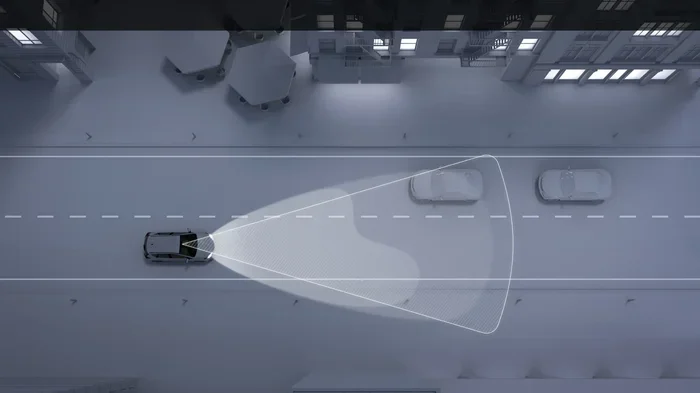
Here is how it works in simple terms. Your car has a small sensor, usually mounted on the windshield near the rearview mirror. This sensor reads the light around you. When it is dark and there are no cars ahead, the system switches your headlights to high beams. When it detects oncoming traffic or a car in front of you, it drops back to low beams.
All of this happens automatically. You do not need to flip any switch. The system handles everything. This is called adaptive driving beam technology, and it has been a game-changer for safe driving at night.
The Role of the Ambient Light Sensor
The ambient light sensor is the brain of this operation. It sits on the dashboard or near the windshield. It constantly measures how much light is around the vehicle. When light levels drop below a certain point, it tells the headlight system to turn on. In some cars, it also controls whether low or high beams are active.
If this sensor gets dirty or damaged, it can send wrong signals. That is one of the top reasons high beams turn on automatically when they should not.
The Body Control Module Explained
Every modern vehicle has a body control module, or BCM. Think of the BCM as the car’s mini-computer for electrical systems. It controls things like power windows, locks, and yes, your headlights. The BCM receives data from the ambient light sensor and decides what to do with your headlights.
If the BCM has a software glitch or a hardware problem, it may send the wrong command. Your high beams could turn on even in bright conditions. This is a less common issue, but it does happen.
Common Reasons Why Your High Beams Turn On Automatically
Now let us get into the heart of the topic. There are several reasons your high beams might activate on their own. Some are simple fixes. Others need professional help.
1. Dirty or Obstructed Light Sensor
This is the number one cause. The ambient light sensor sits in a spot that collects dust, dirt, and grime over time. When it cannot “see” the light around it properly, it guesses. And sometimes it guesses wrong. It thinks it is dark enough for high beams even when it is not.
You will be surprised how often a simple wipe-down fixes the problem. Use a soft cloth and a little glass cleaner. Gently clean the sensor area on your windshield near the rearview mirror.
2. Faulty Ambient Light Sensor
Sometimes cleaning is not enough. The sensor itself may be failing. Like all electronic parts, sensors wear out over time. When the sensor goes bad, it sends incorrect data to the BCM. This can cause your high beam assist system to activate randomly.
Signs of a failing sensor include:
- High beams turning on in daylight
- Headlights flickering between low and high beam
- The system not responding when cars approach
- Dashboard warning light for the headlight system
3. Body Control Module Malfunction
As we mentioned, the BCM controls many electrical functions in your car. If it malfunctions, it can affect your headlights in strange ways. A BCM issue might cause your high beams to stay on even after you turn the car off.
BCM problems are not always easy to diagnose. A mechanic will need a diagnostic scanner to read error codes from the module. Sometimes a software update fixes the problem. Other times, the BCM needs to be replaced.
4. Wiring Issues and Short Circuits
Your car has a complex web of wires that connect the sensor, BCM, and headlights. If any of these wires get damaged, corroded, or loose, the signal can get crossed. A short circuit in the headlight wiring harness can send a constant “high beam” signal to the headlights.
Wiring issues are common in older vehicles. They can also happen after a car accident or if rodents chew through wires under the hood. Inspecting the wiring harness is an important step if the sensor and BCM check out fine.
5. Headlight Switch or Relay Problems
The headlight switch is what you use to manually turn your lights on and off. Even in cars with automatic systems, the switch plays a role. If the switch is worn out or has internal damage, it can send a permanent high beam signal.
Similarly, the headlight relay controls the power going to your headlights. A stuck relay can keep the high beams engaged. Relays are relatively cheap to replace, and this is a quick fix for a mechanic.
6. Aftermarket Headlight Modifications
Have you recently added LED bulbs, HID kits, or aftermarket lighting to your car? These upgrades can sometimes interfere with the automatic system. The BCM expects a certain type of electrical load from the headlights. If you change the bulbs, the load changes, and the system may not work correctly.
If you installed aftermarket lights and noticed the high beam issue started after that, the new bulbs are likely the cause. Going back to factory-spec bulbs or using a compatible decoder can often solve this.
7. Low Battery Voltage
This one surprises many people. When your car battery is low or dying, the electrical system does not get stable power. The BCM relies on steady voltage to function properly. Low voltage can cause erratic behavior in the headlight system, including random high beam activation.
If your high beams act up and your battery is more than three years old, get the battery tested. A simple load test at an auto parts store takes just a few minutes.
When Is Automatic High Beam Activation Normal?
Not every case of automatic high beams is a problem. In many vehicles, the system is designed to turn on the high beams when conditions are dark enough and no other cars are nearby. This is how the system is supposed to work.
Here are some situations where automatic high beam activation is completely normal:
- Driving on a dark highway with no other cars
- Nighttime driving in rural areas with no streetlights
- When the system detects low ambient light and clear roads ahead
- After the car starts and the system performs a self-check
If your high beams turn on in these situations and turn off when a car approaches, your system is working as intended. This is what auto headlights technology is all about.
How to Diagnose the Problem Yourself
You do not always need a mechanic to figure out why your high beams are acting up. Here is a simple step-by-step process you can follow at home.
Step 1: Check the Sensor Area
Look at the windshield near the rearview mirror. You should see a small darkened spot or a small lens. That is the ambient light sensor. Clean it gently with a microfiber cloth. Make sure nothing is covering it, like a phone mount or a sticker.
Step 2: Test the Headlight Switch
Turn your ignition on and look at the headlight switch. Make sure it is in the auto position if your car has that setting. Try switching it to manual low beam and see if the high beams turn off. If they do, the auto system is the issue, not the switch.
Step 3: Check for Warning Lights
Look at your dashboard when you start the car. Many vehicles have a headlight warning light that shows up when there is a problem. If you see a symbol that looks like a headlight with lines coming from it, your car is trying to tell you something.
Step 4: Get a Diagnostic Scan
If the above steps do not help, take your car to an auto parts store. Most stores will run a diagnostic scan for free. The scan will reveal error codes that point to the problem area. Common codes relate to the BCM, sensor circuit, or headlight relay.
Step 5: Inspect the Wiring
Pop the hood and look at the wiring harness connected to your headlights. Look for frayed wires, loose connectors, or signs of corrosion. If you see any damage, have a professional repair it. Working with car wiring can be tricky, so do not try to fix it yourself unless you have experience.
Quick Tip: Always turn off your ignition and remove the key before inspecting any electrical components under the hood. Safety first.
Comparison: Automatic vs. Manual High Beam Systems
Not all cars have the same headlight system. Here is a quick look at how traditional manual systems compare to modern automatic ones.
| Feature | Manual System | Automatic System |
|---|---|---|
| Driver switches beams | Yes, manually | No, system does it |
| Sensor required | No | Yes, ambient light sensor |
| Convenience level | Lower | Higher |
| Risk of forgetting to switch | Yes | No |
| Complexity | Simple | Moderate to complex |
| Potential for glitches | Low | Moderate |
Automatic systems are clearly more convenient. They take the guesswork out of driving at night. But they also have more parts that can fail. If you drive an older car with manual headlights, you will not deal with this issue at all.
How to Prevent Automatic High Beam Issues
Prevention is always better than repair. Here are some simple steps to keep your headlight system working properly.
- Keep the sensor clean. Wipe it down regularly, especially in winter or after long road trips through dusty areas.
- Replace old batteries on time. A weak battery can cause all kinds of electrical gremlins, including headlight problems.
- Use factory-spec bulbs. If you upgrade your headlights, make sure the bulbs are compatible with your car’s automatic system.
- Address dashboard warnings quickly. If a warning light comes on, do not ignore it. Early diagnosis prevents bigger problems.
- Get regular checkups. During oil changes or routine service, ask the mechanic to check your headlight system.
When to See a Professional Mechanic
Some issues are easy to fix at home. Others need a trained professional. You should see a mechanic if:
- The high beams stay on and cleaning the sensor does not help
- You get error codes related to the BCM or headlight circuit
- You notice flickering or dimming along with the high beam issue
- The problem comes and goes randomly
- You smell burning or see smoke near the headlight area
These signs could point to serious electrical problems. Driving with malfunctioning high beams is dangerous. It can blind other drivers and increase your risk of an accident. Do not ignore the issue.
Expert Insight: According to automotive technicians, over 60% of automatic high beam issues are caused by a dirty sensor. Before you spend money on parts or labor, try cleaning the sensor first. It costs nothing and takes two minutes.
Understanding the Dashboard Warning Lights
Your car’s dashboard is full of helpful clues. When the high beam indicator lights up on its own, it is trying to tell you something. The symbol usually looks like a headlight with horizontal lines pointing to the left. It may also show a blue or green color when the high beams are active.
If this light stays on during the day or in well-lit areas, something is not right. The light control module may be receiving bad data. Or there could be an issue with the CAN bus system, which is the network that lets different car computers talk to each other.
Understanding these warning lights helps you catch problems early. A quick check can save you from a bigger repair bill later.
The Safety Risks of Malfunctioning High Beams
It is easy to think of automatic high beams as a convenience feature. But they are also a safety feature. When they work correctly, they help you see farther down the road at night. When they malfunction, they can create serious dangers.
High beams aimed at oncoming drivers can cause temporary blindness. This is especially dangerous on two-lane roads or in bad weather. If your high beams are firing randomly, you could blind another driver without even knowing it.
On the flip side, if your high beams do not turn on when they should, you lose visibility. This makes it harder to spot pedestrians, animals, or obstacles in the road. Both situations are risky. That is why it is important to fix any automatic headlight issues as soon as you notice them.
Key Takeaways
- Dirty Sensor: The most common culprit. Clean the ambient light sensor near your rearview mirror first.
- BCM Glitch: The body control module controls your lights. A software or hardware issue can cause random high beam activation.
- Wiring Problems: Damaged or corroded wires can send false signals to the headlight system.
- Normal Operation: In dark areas with no traffic, automatic high beams are working as designed.
- Aftermarket Bulbs: Non-factory bulbs can interfere with the automatic system’s calculations.
- Low Battery: A weak battery can cause erratic electrical behavior, including high beam issues.
- Professional Help: If simple fixes do not work, see a mechanic for a proper diagnosis.
Frequently Asked Questions
Why do my high beams keep turning on by themselves at night?
The most likely reason is a dirty or faulty ambient light sensor. This sensor tells your car when it is dark enough to use high beams. If it is dirty, it may think it is always dark and keep the high beams on. Cleaning the sensor area on your windshield often fixes this problem right away.
Can a bad battery cause high beams to turn on automatically?
Yes, it can. When your battery voltage drops, the electrical system becomes unstable. The body control module relies on steady power to manage your headlights. A weak battery can send mixed signals, causing the high beams to activate randomly or stay on when they should not.
Is it normal for automatic high beams to turn on in the dark?
Absolutely. That is exactly what they are designed to do. Automatic high beam systems detect low light and no oncoming traffic, then switch to high beams for better visibility. They will turn back to low beams when they detect another vehicle ahead or coming toward you.
How do I reset my automatic high beam system?
Start by turning off your car and waiting at least 30 seconds. Then restart the vehicle. This resets the electronic control unit and often clears minor glitches. If that does not work, try cleaning the ambient light sensor and checking the headlight switch position. A diagnostic scan can also reset error codes that may be causing the issue.
Can aftermarket LED bulbs cause the high beams to activate automatically?
Yes, they can. Aftermarket LED or HID bulbs draw different amounts of electrical current than factory bulbs. The body control module may interpret this change as a signal and behave unexpectedly. If you recently changed your bulbs and noticed the issue, switching back to OEM bulbs or using a compatible decoder can help.
How much does it cost to fix automatic high beam issues?
The cost varies widely depending on the cause. Cleaning the sensor costs nothing. Replacing an ambient light sensor typically runs between 50 and 200 dollars, including parts and labor. A body control module replacement can be more expensive, ranging from 300 to 800 dollars. Wiring repairs depend on the extent of the damage. Always get a quote from a trusted mechanic before committing to a repair.
=== CONCLUSION ===
Dealing with high beams that turn on automatically can be frustrating. But it is usually a fixable problem. In most cases, a dirty sensor or a simple electrical glitch is to blame. Cleaning the sensor, checking the battery, and inspecting the wiring can solve the issue in minutes.
If the problem persists, it is worth digging deeper. The body control module, headlight relay, or wiring harness could be the cause. And remember, sometimes the system is just doing its job. Automatic high beams are designed to turn on in the dark and turn off when traffic is detected.
Whatever the reason, do not ignore the issue. Your high beam system is there to keep you safe and help you see clearly at night. Taking care of it quickly keeps you and everyone else on the road safe. Now you know exactly what to look for and how to handle it the next time your high beams turn on automatically when you least expect it.