When Should You Not Wrap Your Car Under Any Circumstances
There are several situations where wrapping your car is a bad idea. Damaged paint, rust, or poor surface prep can turn a vinyl wrap into a disaster. Legal issues, insurance problems, and budget limits also play a big role. This guide covers every reason you should skip a car wrap and protect your vehicle instead.
Key Takeaways
- Damaged or faded paint should be fixed before any wrap is applied.
- Rust, dents, and poor surface condition will cause wrap failure and adhesive problems.
- Legal and insurance issues can arise if your wrap doesn’t comply with local laws.
- Low budgets or rushed timelines often lead to bad wrap jobs and wasted money.
- Health concerns like chemical fumes during installation can affect sensitive individuals.
- Wrapping can reduce resale value if done incorrectly or on the wrong vehicle type.
- Professional installation matters — cheap or DIY wraps often cause more harm than good.
📑 Table of Contents
- What Is a Car Wrap and Why Do People Love Them
- When Your Car’s Condition Makes Wrapping a Bad Idea
- When Legal or Insurance Issues Make Wrapping Risky
- When Your Budget or Timeline Doesn’t Support a Wrap
- Health and Safety Concerns with Car Wraps
- When a Wrap Could Hurt Your Car’s Value
- When You Should Absolutely Not Wrap Your Car
- What to Do Instead of Wrapping
- Final Thoughts
What Is a Car Wrap and Why Do People Love Them
A car wrap is a large sheet of vinyl film that covers your vehicle’s exterior. People use it to change their car’s color, add graphics, or protect the original paint. A vehicle wrap can give your ride a completely new look without the cost of a full paint job.
Wrapping has become hugely popular. It’s faster than repainting, and it’s reversible. Many car owners love that a vinyl wrap can be removed without harming the factory paint underneath. This makes it a great option for people who like to switch up their style often.
But here’s the thing most people don’t think about. Not every car is a good candidate for wrapping. In fact, some situations make wrapping a terrible idea. That’s exactly what we’re going to cover today.
When Your Car’s Condition Makes Wrapping a Bad Idea
The condition of your car’s surface is the biggest factor in whether a wrap will work. If your vehicle has certain issues, wrapping it can make things worse. Let’s break down the most common problems.
Damaged or Faded Paint
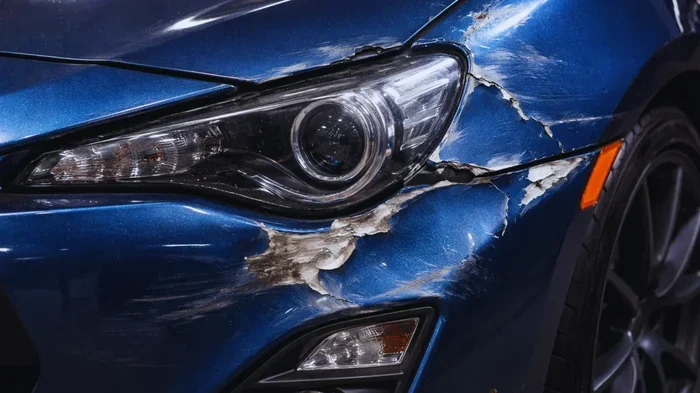
If your car’s clear coat is peeling or the paint is heavily faded, a wrap won’t fix it. In fact, it will lock the damage in place. When you eventually remove the vinyl wrap, the faded or damaged paint will be right there for everyone to see.
Before wrapping, you should always get a paint correction done. This process removes swirl marks, scratches, and oxidation from the surface. A properly corrected paint job gives the vinyl film a smooth, clean surface to bond with.
Think of it like putting a sticker on a rough wall. The sticker will look bad and peel off quickly. The same thing happens with poor paint quality.
Rust and Corrosion
Rust is a wrap’s worst enemy. If your car has any surface rust or bubbling paint, wrapping over it traps moisture. This accelerates the corrosion process. The adhesive on the vinyl creates a sealed environment where rust can spread unseen.
Always address rust issues before considering a wrap. Use paintless dent repair for any dents that have broken the paint surface. Treat rust spots with a proper primer and paint first.
Even small spots of surface rust can cause big problems under a wrap. The moisture gets trapped, and within months, you could have serious structural damage.
Dents and Body Panel Damage
Dents create uneven surfaces that are hard to wrap properly. A vinyl wrap needs a smooth, even surface to adhere correctly. Over dents, the film stretches thin and is more likely to crack or peel.
Getting paintless dent repair before wrapping is a smart move. It restores the panel to its original shape without affecting the paint. This gives the wrap a perfect surface to bond to.
If you wrap over dents, you’ll likely see bubbling and lifting within a few months. That means costly removal and rework.
When Legal or Insurance Issues Make Wrapping Risky
Car wraps aren’t just a cosmetic choice. They can create legal and insurance headaches if you’re not careful.
Registration and Legal Compliance
In many states and countries, a vehicle wrap that changes your car’s color significantly must be re-registered. If your car was originally red and you wrap it blue, you may need to update your registration and title.
Some people skip this step. But getting caught driving with an unregistered color change can lead to fines. It’s not worth the risk, especially since the process is simple and affordable.
Check your local DMV regulations before getting a wrap. Rules vary widely by location, and what’s fine in one state may be illegal in another.
Insurance Complications
Your car insurance policy is based on your vehicle’s current state. A wrap changes the appearance and sometimes the value of your car. If you don’t inform your insurer, you could have problems during a claim.
Some insurance companies require you to disclose a vehicle wrap. Others may even need you to add coverage for the wrap itself. The wrap cost can range from a few hundred to several thousand dollars, and you want that protected.
Call your insurance agent before getting wrapped. Ask specifically about coverage for custom wraps and any changes to your policy that might be needed.
Commercial and Fleet Wrap Regulations
If you run a business with wrapped vehicles, there are additional rules. Commercial vehicle wrap regulations cover things like reflectivity, visibility, and permitted graphic placement. Wrap material must meet certain safety standards for fleet vehicles.
Make sure your installer is familiar with these regulations. A professional wrap installer will know what’s required and help you stay compliant.
When Your Budget or Timeline Doesn’t Support a Wrap
A car wrap is an investment. It’s not something you should rush into or cut corners on. Here’s when your budget or timeline should stop you from wrapping.
Stretching Your Budget Too Thin
A quality vinyl wrap costs anywhere from $2,000 to $5,000 or more for a full vehicle. If you’re on a tight budget, this might not be the right time. A cheap wrap from a discount installer often leads to bubbling, peeling, and premature failure.
When a wrap fails early, you end up paying more in the long run. You’ll need to pay for removal and potentially repair any damage the failed wrap caused to your paint.
Save up and invest in a quality job. The wrap longevity of a professionally installed wrap is 5 to 7 years. A cheap wrap might last only 1 to 2 years before it starts looking terrible.
Rushed Timelines and Quick Turnaround
Wrapping takes time. A professional wrap installation can take anywhere from one to five days depending on the vehicle. If someone promises you a same-day wrap, that’s a red flag.
Rushed installations lead to poor surface preparation. Dust, debris, and improper application all result from rushing. These issues cause wrap failure much sooner than normal.
Plan ahead. If you have an event coming up or need your car wrapped for a specific date, book your installation well in advance.
When a Partial Wrap Makes More Sense
Not every situation calls for a full vehicle wrap. If you’re on a budget, a partial wrap or a vinyl decal application can give you a fresh look at a fraction of the cost. Partial wraps cover key areas like the hood, roof, or doors.
This approach also lets you test the wrapped look before committing to a full coverage design. It’s a smart middle ground for those who aren’t ready for a complete transformation.
Health and Safety Concerns with Car Wraps
Most people don’t think about health risks when getting a car wrap. But there are real concerns worth knowing about.
Chemical Fumes During Installation
During the wrapping process, installers use adhesive compounds and cleaning solvents. These chemicals release fumes that can be harmful in enclosed spaces. If you’re sensitive to chemicals or have respiratory conditions, this is something to consider.
Professional wrap shops have proper ventilation systems. But if someone is wrapping your car in a garage or poorly ventilated area, the fumes can be strong. Always ask about the workspace conditions before booking.
Heat Exposure During Installation
Wrapping involves using heat guns to shape the vinyl film around curves and contours. The heat can be intense, and in rare cases, excessive heat can damage sensitive electronics or interior components if the installer isn’t careful.
This is another reason to choose an experienced professional. They know how to apply heat safely and protect your car’s sensitive parts during the process.
When a Wrap Could Hurt Your Car’s Value
One of the biggest concerns with car wraps is their impact on resale value. A wrap can either protect or hurt your car’s worth depending on the situation.
Wrap Removal and Adhesive Residue
When a vinyl wrap is removed, it can leave behind adhesive residue. This sticky leftover can be difficult to remove and may require car detailing or even paint correction to clean up properly.
In some cases, the adhesive can actually damage the clear coat underneath. This is more likely with lower-quality vinyl films or wraps that have been left on for too long.
If you plan to remove a wrap before selling your car, factor in the cost of professional cleaning and potential paint touch-ups.
When Wrapping a Classic or Vintage Car
Classic car enthusiasts often want to preserve originality. Wrapping a vintage vehicle can actually reduce its value in the collector market. Many buyers prefer to see the original factory paint untouched.
If you own a classic car, consider alternatives like car detailing and ceramic coating to enhance and protect the original finish. These options preserve value while still giving your car a great look.
Wrap Bubbling and Premature Failure
A wrap that bubbles, peels, or looks worn after just a year or two signals poor quality. This kind of visible damage can turn off potential buyers. It suggests the car wasn’t well maintained, which hurts your credibility as a seller.
Proper wrap maintenance is essential. Regular washing with gentle products and avoiding high-pressure sprays near the edges helps extend the life of your wrap.
When You Should Absolutely Not Wrap Your Car
Let’s put it all together. Here are the absolute situations where you should not wrap your car, no matter what.
- Your paint is in bad shape. If the clear coat is peeling, the paint is heavily oxidized, or there is rust, fix those issues first.
- You have active dents or body damage. Repair the panels first. Wrapping over damage guarantees poor results.
- Your budget is too low for quality work. A cheap wrap is worse than no wrap at all.
- You haven’t checked legal requirements. Make sure your local laws allow the wrap design and color you want.
- Your insurance doesn’t cover wraps. Get clarity on coverage before investing thousands of dollars.
- You need the wrap done in a day. Proper installation takes time. Rushed jobs fail.
- You own a classic or collectible car. Preserving originality is usually more valuable than a custom wrap.
If any of these apply to your situation, take a step back. Address the underlying issue first, or consider alternative options like car detailing or a ceramic coating. Your vehicle will thank you in the long run.
What to Do Instead of Wrapping
If wrapping isn’t right for your car right now, don’t worry. There are plenty of alternatives that can still give your vehicle a fresh, protected look.
Ceramic Coating
A ceramic coating is a liquid polymer that bonds to your factory paint. It creates a protective layer that shields against UV rays, bird droppings, and minor scratches. Unlike a wrap, it doesn’t change your car’s color but does enhance the depth and shine of the paint.
Paint Protection Film
Paint protection film (PPF) is a clear, transparent film that covers high-impact areas like the hood, bumper, and fenders. It protects your original paint from chips and scratches without changing your car’s appearance.
Professional Detailing
Sometimes all your car needs is a thorough car detailing session. A professional detail can remove years of buildup, restore your paint’s shine, and make your car look years younger. It’s a much simpler and affordable option compared to wrapping.
Final Thoughts
A car wrap can be a fantastic way to transform your vehicle’s look and protect its paint. But it’s not the right choice for every car or every situation. Understanding when not to wrap is just as important as knowing when to go for it.
Always assess your car’s condition, your budget, legal requirements, and long-term plans before committing to a vehicle wrap. When in doubt, consult with a trusted professional wrap installer who can give you honest advice based on your specific situation.
The bottom line is simple. Don’t wrap your car just because it’s trendy. Do it because your car is ready and your situation makes sense. That’s the only way to get great results and avoid costly mistakes.
Frequently Asked Questions
Can I wrap my car if it has small scratches?
Small surface scratches are usually fine for wrapping. But if the scratches have gone through the clear coat and into the base paint, you should get them repaired first. Wrapping over deep scratches can trap moisture and cause further paint damage over time.
How long does a car wrap typically last?
A professionally installed vinyl wrap typically lasts between 5 and 7 years. The wrap longevity depends on factors like the quality of the vinyl, how well the surface was prepared, and how you maintain the wrap. Regular washing and avoiding harsh chemicals helps extend its life significantly.
Will a car wrap void my factory paint warranty?
In most cases, a vinyl wrap does not void your factory paint warranty. However, some manufacturers have specific guidelines. Always check your warranty terms before getting a wrap. If you plan to remove the wrap later, keep all documentation in case you need to make a warranty claim.
Is it cheaper to wrap or repaint a car?
A car wrap is generally less expensive than a full professional paint job. A quality wrap costs between $2,000 and $5,000, while a custom paint job can run $5,000 to $10,000 or more. However, a wrap is temporary and will need replacement, while paint is permanent. Consider your long-term plans when comparing costs.
Can I wash my car after getting it wrapped?
Yes, but wait at least 48 hours after installation before washing. When you do wash it, use gentle soap and avoid high-pressure sprays near the edges of the wrap. Proper wrap maintenance is key to getting the full lifespan out of your vinyl film.
What happens if a wrap gets damaged?
Individual panels of a vehicle wrap can be repaired or replaced without redoing the entire car. Small tears or peeling edges can often be fixed by a professional. Regular inspections help catch minor damage early before it spreads or causes adhesive residue buildup on the paint underneath.
=== CONCLUSION ===
Knowing when you should not wrap your car saves you time, money, and potential damage to your vehicle. Whether it’s poor paint condition, legal issues, budget constraints, or safety concerns, there are clear situations where wrapping is a bad idea. Always evaluate your car’s readiness, your goals, and your resources before making a decision.
If your car is in good shape and you have the right budget, a professional vehicle wrap can be a fantastic choice. But if any of the red flags we discussed apply to you, take a step back and address those issues first. Your car deserves the best care possible, and sometimes that means skipping the wrap altogether.