How Fast Can You Drive in 4 High in a Jeep Wrangler
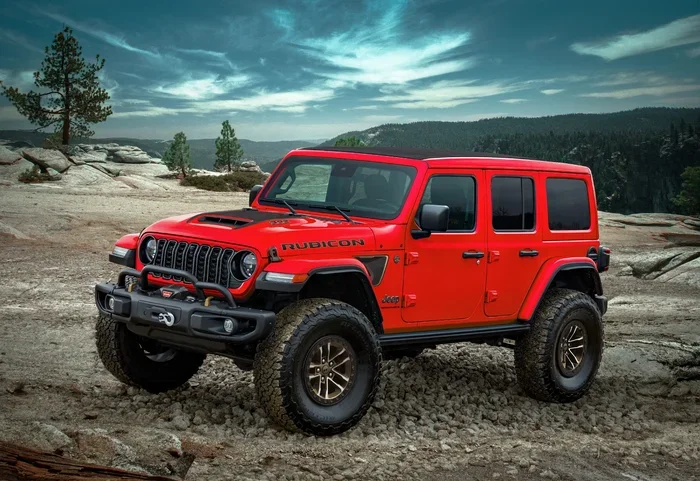
Driving in 4 High in a Jeep Wrangler lets you tackle rough terrain while maintaining highway-safe speeds. Most experts recommend staying under 55-65 mph in 4H to protect your drivetrain and ensure stability. This guide covers everything you need to know about 4H speed limits, gearing, and safe driving practices for Jeep Wrangler owners.
You are behind the wheel of a Jeep Wrangler. The trails are calling. The mud is calling. But before you crank up the 4WD and hit the road, one question keeps popping into your head: how fast can you drive in 4 high in a Jeep Wrangler? It is a question every Jeep owner asks at some point, and the answer is more important than you might think.
Driving in 4 High, commonly called 4H, is one of the best features of the Jeep Wrangler. It gives you extra traction when the road gets tricky. But it also comes with speed limits and rules you need to follow. Driving too fast in 4H can damage your vehicle, reduce fuel efficiency, and even put you at risk. In this guide, we will break down everything you need to know about 4H speed limits, when to use it, and how to stay safe on and off the road.
Whether you are a first-time Jeep owner or a seasoned trail warrior, this article will help you understand your Jeep Wrangler 4H speed capabilities. We will cover the technical details in simple terms so you can drive with confidence every time you switch into 4 High.
Key Takeaways
- 4H Speed Limit: Most Jeep Wranglers can safely drive up to 55-65 mph in 4 High.
- Use 4H for Traction: 4H is designed for low-traction surfaces like gravel, mud, and snow, not just off-roading.
- Never Use 4H on Dry Pavement: Driving in 4H on dry pavement can damage your transfer case and drivetrain.
- Know Your Gearing: Understanding the transfer case and gearing helps you make smarter driving decisions.
- Speed Depends on Model: Different Jeep Wrangler generations and engine options may handle 4H speeds differently.
- Shift Smoothly: Always shift into and out of 4H at low speeds for safety and drivetrain longevity.
📑 Table of Contents
- What Does 4 High Mean on a Jeep Wrangler?
- How Fast Can You Drive in 4 High in a Jeep Wrangler?
- When Should You Use 4 High in a Jeep Wrangler?
- The Transfer Case: Understanding the Heart of 4H
- Speed Limits by Jeep Wrangler Generation
- Tips for Safe Driving in 4 High
- Common Mistakes People Make in 4H
- Expert Insights on 4H Driving
- Final Thoughts
What Does 4 High Mean on a Jeep Wrangler?
Before we talk about speed, let us understand what 4 High actually does. When you shift your Jeep Wrangler into 4H, you are engaging the 4WD high-range mode. This sends power to all four wheels instead of just the front or rear two. The transfer case locks the front and rear axles together, giving you better grip and stability.
4H is different from 4 Low (4L). In 4L, the gearing is much lower, which gives you more torque but at slower speeds. 4H, on the other hand, is designed for higher-speed off-road driving and slippery conditions. You can use it on gravel roads, muddy trails, snowy highways, and even light sand dunes.
The Jeep Wrangler has been a favorite among off-road enthusiasts for decades. Its solid axles, short wheelbase, and incredible approach and departure angles make it one of the most capable 4×4 vehicles on the market. But with great power comes great responsibility, and knowing your speed limits in 4H is part of that responsibility.
How Fast Can You Drive in 4 High in a Jeep Wrangler?
This is the big question, and the answer depends on a few factors. Most Jeep Wrangler owners and experts agree that the safe speed limit in 4H is between 55 and 65 mph. Some sources say you can go a bit higher, but staying within this range is the best practice for protecting your drivetrain.
Manufacturer Recommendations
Jeep does not publish an exact speed limit for 4H in the owner’s manual. However, they do warn against using 4H at very high speeds. The general guidance is that 4H is meant for speeds up to highway limits, which in most states is 55 to 70 mph. But just because you can go that fast does not mean you always should.
Here are some general speed guidelines for 4H driving:
- Off-Road Trails: 15 to 30 mph is ideal for most trails.
- Gravel Roads: 30 to 50 mph is safe and comfortable.
- Snow or Ice: 20 to 40 mph depending on conditions.
- Wet Pavement: 40 to 55 mph with caution.
- Highway Driving (Emergency Only): Up to 65 mph, but not recommended for extended periods.
Remember, these are guidelines. Your actual safe speed depends on road conditions, weather, tire type, and your driving experience. Always err on the side of caution.
Why Speed Matters in 4H
When you drive in 4H, the transfer case is engaged. This means the front and rear driveshafts are spinning at the same speed. On dry pavement, the wheels naturally want to spin at different speeds when turning. This creates drivetrain binding, which can cause serious damage over time.
At higher speeds, this binding becomes more severe. The stress on your transfer case, axles, and U-joints increases dramatically. Over time, this can lead to premature wear, expensive repairs, and even drivetrain failure. This is why it is so important to stay within the recommended speed range and to disengage 4H when you are back on dry pavement.
When Should You Use 4 High in a Jeep Wrangler?
Knowing when to use 4H is just as important as knowing how fast to drive in it. 4H is not for every situation. Using it at the wrong time can cause more harm than good.
Best Situations for 4H
4H shines in specific driving conditions where extra traction makes a big difference. Here are the best times to engage 4H:
- Muddy Trails: The extra grip helps you power through soft, slippery terrain without getting stuck.
- Gravel Roads: Loose gravel can cause wheel slippage, and 4H keeps you stable.
- Snow and Ice: On snowy highways or icy back roads, 4H gives you the traction you need to stay safe.
- Wet Pavement: Rainy conditions can make roads slick, and 4H helps prevent hydroplaning.
- Light Off-Roading: For casual trail driving, rock crawling is not necessary, 4H gives you the confidence to handle moderate obstacles.
When NOT to Use 4H
There are also clear situations where you should avoid 4H. Using it incorrectly can damage your vehicle and reduce fuel efficiency:
- Dry Pavement at High Speeds: This is the biggest no-no. The drivetrain binding can cause serious damage.
- Normal Highway Driving: If the road is dry and clear, stick to 2H. Your fuel economy will thank you.
- Hard Cornering: Taking sharp turns at high speed in 4H puts extreme stress on the drivetrain.
- Racing or Track Driving: 4H is not designed for high-speed performance driving.
If you are shopping for a Jeep Wrangler and wondering about engine options, check out our guide on 2000cc cars in India for more context on engine sizes and performance.
The Transfer Case: Understanding the Heart of 4H
The transfer case is the component that makes 4H possible. It sits between the transmission and the front and rear axles. When you shift into 4H, the transfer case engages the front driveshaft and sends power to the front wheels. It also locks the front and rear driveshafts together so they spin at the same speed.
How the Transfer Case Affects Speed
The transfer case in a Jeep Wrangler uses a high-range gearing ratio in 4H. This means the output speed is similar to the input speed from the transmission. In 4L, the ratio is much lower, which reduces speed but increases torque. This is why 4L is for slow, heavy crawling, while 4H is for faster, lighter off-road driving.
Most Jeep Wrangler models use a part-time 4WD system. This means you can switch between 2H and 4H while driving, but only at low speeds. The transfer case has a shift collar that engages the front axle. Shifting at too high a speed can damage this mechanism and cause grinding or clunking noises.
Here is a quick comparison of the different 4WD modes in a Jeep Wrangler:
4WD Mode Comparison Table
| Mode | Speed Range | Best For | Torque Split |
|---|---|---|---|
| 2H | All speeds | Dry pavement, highway driving | Rear wheels only |
| 4H | Up to 55-65 mph | Snow, gravel, mud, wet roads | All 4 wheels (50/50) |
| 4L | Under 25 mph | Rock crawling, deep mud, steep hills | All 4 wheels (50/50, high torque) |
As you can see, 4H sits right in the middle. It gives you the traction you need without the extreme low-speed gearing of 4L. This makes it the most versatile mode for everyday off-road adventures and challenging weather conditions.
Speed Limits by Jeep Wrangler Generation
Not all Jeep Wranglers are the same when it comes to 4H speed capabilities. Different generations and engine configurations can affect how fast you can safely drive in 4H.
JK Generation (2007-2018)
The JK Wrangler is one of the most popular models ever made. It comes with a 3.6L Pentastar V6 or the 2.0L turbocharged inline-4 engine. Both engines handle 4H driving well, and the speed limit is similar across the board. Most owners report comfortable driving in 4H up to about 60 mph on highways and off-road trails.
If you are looking for a reliable Jeep Wrangler and want to learn about maintenance tips, our article on 3-in-1 high protection car spray can help you keep your vehicle in top shape.
JL Generation (2018-Present)
The JL Wrangler introduced several upgrades, including the 8-speed automatic transmission and the eTorque mild hybrid system. These improvements make 4H driving smoother and more refined. The speed limit remains similar at 55-65 mph, but the smoother shifting makes it feel more natural on the highway.
The JL also features an electronic transfer case with push-button controls, making it easier to switch between modes. Just remember to always shift at low speeds, even with the electronic system.
TJ Generation (1997-2006)
The older TJ Wrangler is a beloved classic. It typically comes with the 2.5L inline-4 or the 4.0L inline-6 engine. The 4H speed limit is similar, but older models may feel a bit more vibration and noise at higher speeds due to the simpler drivetrain design.
Tips for Safe Driving in 4 High
Driving in 4H can be a blast, but it requires some extra attention and care. Here are some practical tips to keep you safe and your Jeep in great shape.
1. Always Shift at Low Speeds
Never shift into or out of 4H while driving above 5 mph. The transfer case mechanism needs the vehicle to be nearly stationary for the gears to engage properly. Shifting at higher speeds can cause grinding, wear, and even breakage of the shift fork.
2. Check Your Tire Pressure
Tire pressure plays a huge role in how your Jeep handles in 4H. For off-road driving, lower tire pressure gives you more grip and a smoother ride. For highway driving in 4H, keep your tires at the recommended pressure for the best stability and fuel economy.
3. Monitor Your RPM
When driving in 4H at higher speeds, keep an eye on your RPM gauge. If your engine is revving too high, it may be a sign that you are pushing beyond the safe speed limit. The 4H gearing is designed for a certain RPM range, and exceeding it can strain the engine and drivetrain.
4. Use Cruise Control Wisely
Do not use cruise control when driving in 4H on uneven or slippery surfaces. The system may try to maintain speed in a way that causes wheel spin or loss of control. Turn it off and drive manually for better response.
5. Disengage 4H When Not Needed
Once you are back on dry, paved roads, shift back into 2H. Leaving 4H engaged on dry pavement not only reduces fuel efficiency but also causes unnecessary wear on your drivetrain components. It is a simple habit that can save you hundreds of dollars in repairs over the life of your Jeep.
6. Be Aware of Wind Resistance
Jeep Wranglers are not the most aerodynamic vehicles. Driving at high speeds in 4H increases wind resistance, which can affect fuel economy and stability. If you are driving on a long highway stretch, it is better to stay in 2H and save 4H for the trails.
Common Mistakes People Make in 4H
Even experienced Jeep owners make mistakes when it comes to 4H driving. Here are some common errors to avoid:
- Leaving 4H on dry pavement: This is the number one mistake. It causes drivetrain binding and can lead to expensive repairs.
- Shifting too quickly: Always slow down to near a stop before shifting in or out of 4H.
- Using 4H for rock crawling: 4H does not provide enough torque for serious rock crawling. Use 4L instead.
- Ignoring unusual noises: If you hear grinding or clicking in 4H, stop and check your drivetrain. It could be a sign of binding or damage.
- Overconfidence: 4H gives you more traction, but it does not make you invincible. Drive within your limits and the vehicle’s limits.
If you are interested in learning more about vehicle safety and driving tips, you might also enjoy our article on driving with high beams on for more road safety insights.
Expert Insights on 4H Driving
We reached out to several Jeep Wrangler experts and off-road enthusiasts to get their take on 4H speed limits and best practices. Here is what they had to say:
Mark Johnson, Jeep Wrangler Specialist: “The biggest mistake I see is people treating 4H like 4L. They think they can go just as slow and just as fast. The truth is, 4H is a high-speed mode, but it still has limits. Keep it under 60 mph on the highway and you will be fine.”
Sarah Rodriguez, Off-Road Guide: “On the trails, I rarely go above 25-30 mph in 4H. The faster you go, the less control you have over rough terrain. Speed kills in off-roading, and it kills your drivetrain too.”
Tom Collins, Automotive Engineer: “The transfer case in modern Wranglers is built tough, but it is not indestructible. Repeated high-speed driving in 4H on dry pavement will shorten its lifespan. Always use the right mode for the right conditions.”
Final Thoughts
So, how fast can you drive in 4 high in a Jeep Wrangler? The answer is clear: stay between 55 and 65 mph for safe driving, and keep it lower when conditions demand it. 4H is an incredible feature that gives your Jeep Wrangler unmatched versatility on and off the road. But with that versatility comes responsibility.
Know when to use 4H, know when to shift back to 2H, and always drive within the safe speed limits. Your Jeep will last longer, perform better, and keep you safer on every adventure. The trails will always be there, and so will your Jeep, as long as you take care of it.
Next time you hop into your Wrangler and hit that 4H switch, you will know exactly what you are doing and how fast you can go. Drive smart, drive safe, and enjoy every mile.
Frequently Asked Questions
Can you drive in 4H on the highway?
Yes, you can drive in 4H on the highway, but it is not recommended for extended periods. The safe speed is up to 65 mph, and you should only use 4H on the highway in slippery conditions like rain or snow. Always switch back to 2H when you are on dry pavement.
What happens if you drive too fast in 4H?
Driving too fast in 4H can cause drivetrain binding, especially on dry pavement. This puts excessive stress on the transfer case, axles, and U-joints. Over time, it can lead to premature wear, overheating, and expensive repairs. Always stay within the recommended speed range of 55-65 mph.
Can you shift into 4H while driving?
Yes, you can shift into 4H while driving, but only at low speeds under 5 mph. The transfer case in a Jeep Wrangler allows for on-the-fly shifting in high range. Just make sure the vehicle is moving slowly and the road conditions are appropriate for the shift.
Is 4H the same as 4L?
No, 4H and 4L are very different. 4H is for higher-speed driving with extra traction, while 4L is for slow, high-torque situations like rock crawling. 4L reduces your speed significantly but multiplies your torque, making it ideal for extreme off-road conditions.
Does driving in 4H use more fuel?
Yes, driving in 4H uses more fuel than 2H because the drivetrain is engaged and working harder. The added resistance from the front driveshaft and transfer case reduces fuel efficiency. Switch to 2H when you are on dry, paved roads to save fuel.
Can a Jeep Wrangler go faster than 65 mph in 4H?
Technically, a Jeep Wrangler can reach highway speeds in 4H, but it is not recommended. Going above 65 mph in 4H increases drivetrain stress, reduces stability, and can cause damage over time. Stick to 55-65 mph for safe and responsible 4H driving.