Does Replacing An Engine Reset Mileage?
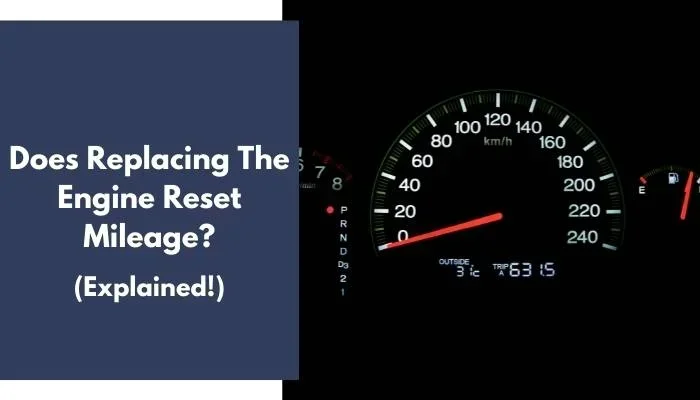
No, replacing an engine does not reset the mileage on your vehicle. The odometer continues to track the total distance traveled, and mileage reset is illegal in most jurisdictions. When a new engine is installed, it simply means your car has a fresh power source, but the odometer reading remains unchanged, reflecting the true life of the vehicle.
Key Takeaways
- Replacing an engine does not reset the odometer — mileage stays the same on your dashboard.
- Odometer readings reflect total vehicle life — no engine swap changes this legal record.
- Resetting mileage is illegal in most states — tampering with odometers carries serious penalties.
- New engines improve performance but not history — your car’s recorded miles remain unchanged.
- Always document engine replacements properly — keep receipts and records for future buyers.
- Check local laws before any odometer adjustment — regulations vary by state and country.
- Mileage affects resale value significantly — buyers always check total vehicle history.
📑 Table of Contents
What Happens to Your Mileage When You Swap an Engine
So you just found out your car needs a new engine. That alone can feel overwhelming. But then another question hits you. Does replacing an engine reset mileage? It is a fair question, and one that a lot of car owners have. The short answer is no. Replacing an engine does not reset your odometer. Your mileage keeps rolling forward no matter what you do under the hood.
But the full story is a bit more nuanced than that. There are things you should know about engine swaps, how they affect your car’s value, and what the law says. Let us walk through it together. I have seen a lot of folks get caught off guard by this topic, so I want to make sure you walk away with clear answers.
Your car’s mileage counter tracks every mile you drive. It does not care what engine is sitting under the hood. Whether you install a brand new factory engine or a completely rebuilt one, that number on the dash keeps climbing. Think of it this way. The odometer measures the life of the car, not just the life of the engine.
Why the Odometer Stays Put
The odometer is tied to the wheels, not the engine. Every time your tires turn, the counter goes up. Swapping out a worn engine for a fresh one does not rewind that number. It is like changing the battery in your clock. The clock keeps ticking. The time does not go back to zero.
This is an important distinction. A lot of people confuse an engine replacement with a full vehicle reset. They are two very different things. Your engine can get a fresh start, but your car’s overall mileage tells the real story of how much use the vehicle has seen.
Does a New Engine Reset the Odometer?
Let me be crystal clear here. No legitimate mechanic or dealership will reset your odometer when they install a new engine. That would be illegal in most places. Mileage rollback is a serious offense and can carry heavy fines or even criminal charges.
So what should you expect after an engine swap? Here is the honest breakdown.
- The odometer keeps reading the same total miles.
- The new engine starts with zero hours if it is a fresh unit.
- Your service records should reflect the engine work done.
- The car’s overall history stays intact and unchanged.
If someone tells you they can or will reset your mileage during an engine replacement, walk away. That is a red flag. A trustworthy shop will explain the process clearly and honestly. They know that honest service builds lasting trust with car owners.
Engine Hours vs. Mileage
Some modern vehicles track engine hours separately from mileage. This is more common in trucks and commercial vehicles. Engine hours give a better picture of how hard the motor has been working. But for most passenger cars, mileage is the standard measurement.
When you get a new engine, the engine hours may reset to zero. But again, your odometer does not change. Both numbers matter when you are tracking car maintenance and planning for future service.
How Engine Replacement Affects Vehicle Value
This is where things get interesting. A fresh engine can actually boost your car’s value. But it depends on a few key factors. Let us break them down.
Factors That Influence Value After an Engine Swap
- Age of the vehicle. A newer car with a new engine holds value better than an older model.
- Quality of the replacement. A factory-new engine adds more value than a used or rebuilt one.
- Service records. Having detailed receipts proves the work was done properly.
- Overall condition. A well-maintained car with a new engine is a strong selling point.
Buyers love transparency. If you have kept good service records and can show proof of the engine work, potential buyers will trust you more. That trust translates into a better price when it is time to sell.
What Buyers Look For
When someone is shopping for a used car, they run a car history report. Services like Carfax or AutoCheck pull up the full mileage history. A new engine does not erase the past. The report still shows every mile the car has traveled.
This is why honest disclosure matters. If you replaced the engine, tell the buyer upfront. Hiding that information can lead to disputes or even legal trouble down the road. Transparency always wins in the long run.
| Vehicle Factor | Before Engine Replacement | After Engine Replacement |
|---|---|---|
| Total Mileage | 120,000 miles | 120,000 miles (unchanged) |
| Engine Condition | Worn, high mileage | Fresh or rebuilt |
| Estimated Resale Value | $8,000 | $10,500 (with records) |
| Buyer Confidence | Moderate | High (if disclosed) |
| Service History | Standard maintenance | Engine work documented |
As you can see from the table above, a new engine does not change the mileage. But it can significantly improve the perceived value of the vehicle. The key is keeping thorough records and being upfront about the work.
The Legal and Insurance Side of Engine Swaps
There are rules around engine replacements that many people do not know about. Understanding these rules can save you a lot of headaches.
Is It Legal to Reset Mileage?
In the United States, resetting an odometer is illegal under the Federal Odometer Act. This law applies to any attempt to roll back mileage, whether it is done during an engine swap or any other service. The penalties can include fines of up to $10,000 per violation.
Some states have even stricter laws. Always check your local regulations before any major engine work. A reputable shop will never suggest doing anything illegal.
How Insurance Companies Handle Engine Replacements
If you have comprehensive or collision coverage, your insurance company needs to know about an engine replacement. Here is what typically happens.
- You file a claim or notify your insurer about the engine work.
- The insurance adjuster reviews the repair details.
- The policy is updated to reflect the new engine.
- Future claims factor in the updated engine condition.
Failing to inform your insurer can void your coverage. That is a risk no one should take. Keep your insurance company in the loop, and you will stay protected.
What About Car Titles
In most states, you do not need to update your car title after an engine replacement. The title shows the vehicle identification number, not the engine details. However, some states require you to report major repairs or modifications. It is always worth checking with your local DMV.
Signs You Might Need an Engine Replacement
Not sure if your engine is on its last legs? There are some clear warning signs to watch for. Catching these early can save you from a bigger breakdown on the road.
Common Warning Signs
- Excessive smoke from the exhaust. Blue, white, or black smoke can signal serious internal problems.
- Knocking or clunking sounds. Unusual noises from the engine bay often mean worn bearings or pistons.
- Loss of power. If your car struggles to accelerate, the engine may be failing.
- Oil consumption spikes. Needing to add oil frequently is not normal.
- Check engine light stays on. A persistent light warrants a closer look.
If you notice any of these signs, it is time to get a professional opinion. You can visit a local shop like Does Autozone Do A Full Diagnostic Test to understand what your car is telling you. A diagnostic test can pinpoint engine issues before they become expensive surprises.
When to Consider a Rebuild vs. a Replacement
Not every engine problem requires a full replacement. Sometimes a rebuild does the trick. A rebuild involves taking the engine apart, replacing worn parts, and putting it back together. It costs less than a new engine but may not last as long.
Here is a quick comparison to help you decide.
- Rebuild. Best for moderate wear. Lower cost. Can extend engine life by 50,000 to 100,000 miles.
- New engine. Best for severe damage. Higher cost. Comes with a warranty and full reliability.
- Used engine. Middle ground. Cheaper than new but carries unknown history.
Your mechanic can help you evaluate which option makes the most sense for your specific situation and budget.
Tips for Managing Mileage After an Engine Swap
Once you have a new engine installed, you want to protect that investment. Proper care goes a long way in making sure your vehicle stays reliable for years to come.
Follow a Strict Maintenance Schedule
A new engine still needs regular care. Do not skip oil changes or ignore fluid levels. Fresh serpentine belts, spark plugs, and air filters all contribute to engine longevity. Think of it as a fresh start that deserves proper attention.
Here are some quick tips to keep your new engine running strong.
- Change the oil every 5,000 to 7,500 miles.
- Check coolant levels monthly.
- Inspect belts and hoses during every oil change.
- Use the fuel grade recommended by your manufacturer.
- Keep up with scheduled tune-ups.
Track Your Engine Hours
If your vehicle supports engine hour tracking, use it. This data gives you a clearer picture of how hard the new engine is working. It can also help you plan future maintenance with more precision.
Some drivers also wonder whether features like cruise control impact their new engine. Using cruise control on highways can actually improve fuel economy and reduce engine strain. To learn more about this, check out Does Cruise Control Save Gas for a detailed look at how cruise control affects your vehicle.
Keep All Documentation
Store every receipt, invoice, and warranty document related to your engine replacement. These records serve multiple purposes.
- They prove the work was done professionally.
- They support your warranty claim if issues arise.
- They boost resale value when you decide to sell.
- They help future mechanics understand your car’s history.
A well-documented car inspires confidence. Buyers and mechanics alike appreciate knowing exactly what has been done and when.
Monitor Your New Engine Closely
The first few thousand miles after an engine swap are critical. Pay attention to how the engine sounds, feels, and performs. Any unusual vibrations, noises, or warning lights should be checked right away.
You can also use a diagnostic tool to monitor engine performance in real time. Some even connect to your smartphone for easy tracking. This proactive approach helps you catch small issues before they turn into big problems.
Key Takeaways
Let us bring it all together. Here are the most important points to remember about engine replacements and mileage.
- Replacing an engine does not reset your mileage. The odometer keeps running regardless of engine work.
- Resetting mileage is illegal and can result in serious penalties.
- A new engine can increase your vehicle’s resale value when done properly.
- Keep detailed records of all engine work for future reference.
- Regular maintenance after an engine swap is essential for longevity.
- Always be honest with buyers, insurers, and mechanics about engine history.
The bottom line is straightforward. Your car’s mileage tells its life story. A new engine is a powerful investment, but it does not erase the journey the vehicle has already taken. Embrace the miles, keep up with maintenance, and your car will reward you with reliable performance for many more years to come.
If you are currently dealing with an engine issue, take a breath. You have options. Get a professional diagnosis, understand your choices, and make a decision that fits your budget and your car’s needs. A fresh engine can breathe new life into a trusted vehicle, and knowing the facts about mileage puts you in the driver’s seat every step of the way.
Frequently Asked Questions
What is Does Replacing an Engine Reset Mileage??
Does Replacing an Engine Reset Mileage? is an important topic with many practical applications and benefits.
How can Does Replacing an Engine Reset Mileage? help me?
Understanding Does Replacing an Engine Reset Mileage? can improve your knowledge and provide practical solutions.