Does Per Axle Mean Per Wheel And What You Need To Know
Does per axle mean per wheel? The short answer is no. When a mechanic or shop quotes a price per axle, they are referring to the cost for both wheels on that axle, not just one wheel. Understanding this distinction can save you money and prevent surprises when you get your vehicle serviced. This guide breaks down everything you need to know about per axle vs per wheel pricing in car maintenance.
Key Takeaways
- Per axle means both wheels: A per-axle quote covers the cost for two wheels on the same axle, not just one.
- Per wheel means one wheel only: You pay for each individual wheel when pricing is listed per wheel.
- Brake jobs are a common example: Many brake pad replacements are quoted per axle, which means both wheels on that axle.
- Tire replacements can be per wheel or per axle: Always ask your mechanic which pricing method they use before agreeing to work.
- Ask questions upfront: Clarify whether a quote is per axle or per wheel to avoid unexpected costs.
- Front and rear axles differ: Each axle on your vehicle may have different parts and costs associated with it.
📑 Table of Contents
- What Does Per Axle Mean in Car Maintenance?
- How Axles and Wheels Work Together
- When Per Axle Pricing Applies
- Common Maintenance Items Measured Per Axle
- Does Per Axle Always Mean Per Wheel?
- Quick Tips for Understanding Axle and Wheel Costs
- Common Mistakes Car Owners Make With Axle and Wheel Pricing
- Expert Insight: Why Shops Choose Per Axle Pricing
- How Regular Maintenance Relates to Axle and Wheel Health
- Conclusion
What Does Per Axle Mean in Car Maintenance?
When you hear the phrase per axle, it simply means the price covers both wheels on that single axle. A car has two axles. The front axle connects the front wheels. The rear axle connects the rear wheels. So when a shop says a service costs money per axle, they mean the total cost for both wheels on that end of the car.
This is different from per wheel pricing. Per wheel means you pay for just one wheel at a time. If a shop charges $100 per wheel for brake pads, that is $100 for one wheel only. If they charge $100 per axle, that is $100 for both wheels on that axle.
The difference matters a lot. It can change your total bill by a large amount. Many car owners get confused by this. They assume a quote is for one wheel when it is actually for two. This leads to surprise costs at the checkout counter.
Understanding the difference between per axle and per wheel is one of the simplest ways to stay informed about your car maintenance costs. It also helps you compare prices between different shops more accurately.
How Axles and Wheels Work Together
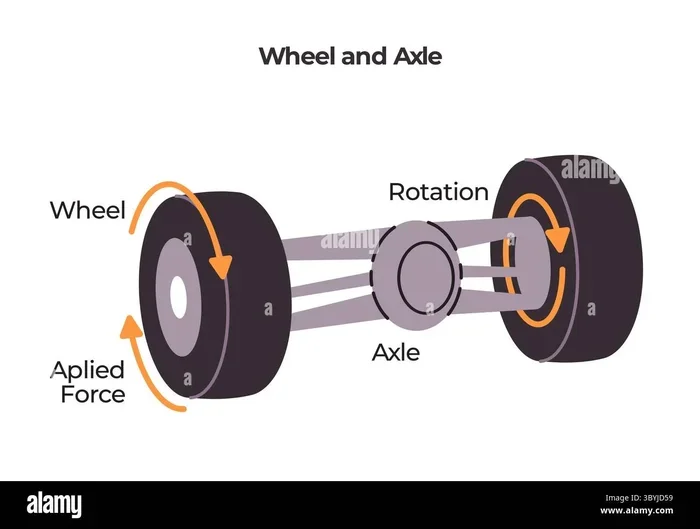
Your car’s axles play a big role in how it moves. An axle is a central shaft that connects the wheels on each side. It transfers power from the engine to the wheels. Without axles, your car simply could not move.
What Is an Axle?
An axle is a rod or shaft that runs through the center of a wheel assembly. It bears the weight of the vehicle. It also handles the forces from braking and acceleration. Most cars have two main axles. Some larger vehicles like trucks may have more.
The front axle connects the two front wheels. The rear axle connects the two rear wheels. Each axle has its own set of components. These include wheel bearings, lug nuts, and brake components. The axle also connects to the suspension system, which helps absorb bumps and road irregularities.
How Wheels Attach to Axles
Each wheel attaches to the axle through a hub assembly. The wheel is held in place by lug nuts. Inside the hub, wheel bearings allow the wheel to spin freely. The axle shaft runs through the center of the wheel hub.
When you think about maintenance costs, the axle and wheel are often treated as a unit. For example, when replacing brake pads, the work is done on both wheels of the same axle at the same time. This is why many shops quote prices per axle rather than per wheel.
Front Axle vs Rear Axle
The front and rear axles often have different components. The front axle typically handles steering and braking. The rear axle mainly handles power delivery and weight support. This means maintenance costs can vary between the front and rear.
For instance, front brake pads often wear out faster than rear brake pads. The front wheels do more of the braking work. So the cost for front axle brake service may differ from rear axle brake service.
When Per Axle Pricing Applies
Many common car maintenance services use per axle pricing. Understanding when this applies helps you budget correctly. Here are the most common scenarios where you will see per axle quotes.
Brake Pad Replacement
Brake pad replacement is the most common service quoted per axle. When you need new brake pads, the mechanic replaces them on both wheels of the same axle. The front axle brake pads are separate from the rear axle brake pads.
If a shop quotes you $150 per axle for brake pads, that means both front wheels get new pads for $150. If both axles need pads, the total would be $300. This is different from a quote of $150 per wheel, which would total $600 for all four wheels.
Tire Rotation
Tire rotation is another service often priced per axle. During a rotation, the tires move from one axle to another. This helps ensure even tire wear. Most shops charge a flat fee for a full rotation, which covers both axles.
Some shops may quote tire rotation per axle if you only rotate one set of wheels. This is less common but does happen. Always confirm what the price covers before the work begins.
Wheel Alignment
Wheel alignment is sometimes quoted per axle and sometimes as a full four-wheel job. A front-end alignment covers only the front axle. A full alignment covers both the front and rear axles. The per-axle pricing for alignment can vary based on the complexity of the work.
Getting your alignment checked regularly helps your tires last longer. It also improves fuel efficiency. If you have ever wondered whether does cruise control save gas, proper wheel alignment is part of the answer. Misaligned wheels create drag, which reduces fuel economy.
Wheel Bearing Replacement
Wheel bearings allow your wheels to spin smoothly. They can wear out over time. When a wheel bearing fails, it is usually replaced on a per-axle basis. The cost includes the bearing for both wheels on that axle, plus labor.
Replacing a wheel bearing is not overly expensive in most cases. But delaying the repair can lead to more serious damage. A worn bearing can cause the wheel to seize up. This is a safety hazard that should not be ignored.
Common Maintenance Items Measured Per Axle
Several maintenance items are routinely priced by the axle. Knowing what these are helps you understand your repair estimates better.
Brake Rotors and Brake Pads
Brake rotors and pads are almost always quoted per axle. Both wheels on the same axle use matching components. Replacing them together ensures balanced braking performance.
If only one wheel on the axle gets new pads, the braking will be uneven. This can cause the car to pull to one side. It also reduces braking safety. For this reason, shops almost always service both wheels on the same axle at once.
Tires
Tires can be priced per wheel or per axle. When replacing a single tire, the cost is obviously per wheel. But when replacing a full set, the price may be quoted per axle or for the full set.
Matching tires on the same axle is important for handling and safety. Two new tires should always go on the same axle. The old tires move to the other axle or get replaced too. This maintains balanced traction on the road.
Suspension Components
Parts like shocks, struts, and control arms are often replaced per axle. The suspension system on each axle works as a unit. Replacing only one side can lead to uneven handling and premature wear on the other side.
If your car pulls to one side or bounces excessively, the suspension may need attention. A diagnostic test at a shop like Autozone can help identify suspension issues. Autozone offers diagnostic testing that can pinpoint problems with your suspension and other systems.
CV Axles and Axle Shafts
The CV axle shaft connects the transmission to the wheels. Each wheel has its own axle shaft. When a CV axle fails, it is replaced per wheel, not per axle. This is an important distinction to understand.
Signs of a failing CV axle include clicking noises when turning. Grease leaking from the wheel area is another sign. Addressing CV axle issues early prevents more expensive repairs down the road.
Does Per Axle Always Mean Per Wheel?
The answer is no. Per axle does not mean per wheel. They are two different pricing structures. Per axle covers both wheels on that axle. Per wheel covers just one wheel.
However, many services naturally cover both wheels on an axle. This is because most maintenance tasks are symmetric. Both wheels on the same axle experience similar wear. So shops often service them together even if the quote says per wheel.
The key takeaway is to always read the estimate carefully. Ask your mechanic to clarify if the price is per axle or per wheel. A simple question can save you from confusion and unexpected bills.
Real-World Example
Imagine you need new brake pads. The shop quotes $200 per axle. You have both axles needing pads. The total cost is $400. If the shop had quoted $200 per wheel, the total would be $800. That is a big difference from a simple wording choice.
Always ask: “Is this price for one wheel or for both wheels on the axle?” This one question gives you clarity. It also shows the mechanic that you understand the work being done.
How to Compare Prices Between Shops
When comparing quotes, make sure you are comparing the same thing. One shop may quote per axle while another quotes per wheel. Without knowing the difference, you might think one shop is more expensive when they are actually offering a better deal.
Here is a simple comparison:
- Shop A: Quotes $150 per axle for brake pads. Both axles = $300 total.
- Shop B: Quotes $100 per wheel for brake pads. All four wheels = $400 total.
Shop A looks more expensive per axle, but Shop B ends up costing more overall. Always do the math before making a decision.
Quick Tips for Understanding Axle and Wheel Costs
Here are some practical tips to help you navigate per axle and per wheel pricing with confidence.
- Ask before you agree: Always confirm whether a quote is per axle or per wheel. A five-minute conversation can save you hundreds of dollars.
- Request a written estimate: A written estimate should clearly state the pricing unit. If it does not, ask the service advisor to clarify.
- Understand your vehicle: Knowing how many axles your car has helps you estimate total costs. Most passenger cars have two axles.
- Get multiple quotes: Comparing quotes from different shops helps you find fair pricing. Make sure all quotes use the same pricing unit for a fair comparison.
- Regular maintenance saves money: Staying on top of routine service prevents costly repairs. Simple things like tire rotation and brake inspections keep your car running smoothly.
- Check your owner’s manual: Your vehicle manual provides guidance on recommended service intervals. It can also help you understand what maintenance your car needs.
Common Mistakes Car Owners Make With Axle and Wheel Pricing
Even informed car owners sometimes make mistakes when it comes to understanding axle and wheel costs. Here are the most common ones to avoid.
Assuming Per Axle Means Per Wheel
This is the most common mistake. Car owners see a price and assume it is for one wheel. When they get the bill, it is for both wheels on the axle. Always read the fine print on any estimate.
Not Asking for an Itemized Breakdown
A good shop will provide an itemized estimate. This breaks down parts costs and labor costs separately. If your estimate does not include this, ask for one. It helps you understand exactly what you are paying for.
Ignoring Warning Signs
Strange noises, vibrations, or pulling to one side are warning signs. Ignoring them leads to more expensive repairs. Addressing problems early keeps costs down and keeps you safe on the road.
Skipping Regular Maintenance
Skipping oil changes, tire rotations, and brake inspections seems like a money saver. But it often leads to bigger problems. Regular maintenance is the best way to keep your car healthy and your costs low.
When you do need service, consider visiting a trusted shop. Many quick-lube locations offer affordable maintenance packages. Understanding what services include and how they are priced helps you make smart decisions for your vehicle.
Expert Insight: Why Shops Choose Per Axle Pricing
Mechanics and auto shops often prefer to price services per axle for good reasons. First, it simplifies the estimate. Most maintenance tasks affect both wheels on an axle equally. Pricing per axle gives customers a clear, straightforward number.
Second, it ensures both sides of the axle get serviced together. This promotes safety and balanced performance. A car with new brake pads on only one wheel of an axle would handle poorly.
Third, per axle pricing is efficient for the shop. It streamlines the work process. The mechanic knows to service both wheels on the axle as a standard procedure. This saves time and reduces the chance of errors.
Understanding why shops use this pricing model helps you appreciate the logic behind it. It is not about tricking customers. It is about delivering consistent, safe, and efficient service.
How Regular Maintenance Relates to Axle and Wheel Health
Regular maintenance plays a huge role in keeping your axles and wheels in good shape. Simple habits can extend the life of your components and reduce repair costs.
Getting your tires rotated on schedule promotes even wear. This means all four tires last longer. It also means your wheels and axles experience more balanced forces during driving.
Keeping your tires properly inflated is another easy step. Underinflated tires put extra stress on the axle and suspension components. Overinflated tires create a harsh ride and uneven wear patterns. Check your tire pressure at least once a month.
Regular brake inspections are essential too. Catching worn brake pads early prevents damage to the rotors and other expensive components. A simple inspection can save you from a major repair bill later.
Also, pay attention to any unusual sounds or feelings while driving. A clicking noise when turning might signal a CV axle issue. A grinding sound when braking likely means worn brake pads. Catching these signs early keeps repairs affordable and your car safe.
If you ever need routine maintenance or a quick service check, understanding how places like Jiffy Lube handle their services can be helpful. Jiffy Lube provides various maintenance services, and knowing how they price their work helps you make informed decisions about your vehicle care.
Conclusion
So, does per axle mean per wheel? No, it does not. Per axle means the price covers both wheels on that axle. Per wheel means the price covers just one wheel. This simple distinction can save you money and confusion when getting car maintenance done.
Always read your estimates carefully. Ask questions before agreeing to any work. Understanding the pricing structure empowers you as a car owner. You can make better decisions and avoid surprise costs.
Regular maintenance is your best friend. It keeps your axles and wheels healthy. It also prevents small problems from becoming big expenses. Stay on top of your service schedule and your car will reward you with reliable performance for years to come.
Remember, no question is too small when it comes to your vehicle. The more you understand about how your car works and how shops price their services, the better equipped you are to take care of it wisely.
Frequently Asked Questions
What does per axle mean when getting brakes done?
When a shop quotes brakes per axle, it means the price covers both wheels on that axle. For example, front axle brake service includes new brake pads and any associated work for both front wheels. The rear axle is priced separately if it also needs service.
Is it cheaper to pay per axle or per wheel?
It depends on the service and the shop’s pricing. Sometimes per axle pricing is more cost-effective because it covers both wheels at a bundled rate. Other times, per wheel pricing may apply for services that only need one wheel addressed. Always compare the total cost for the full job.
Do all four wheels need to be serviced at once?
Not always. Some services only need one axle done at a time. However, many shops recommend servicing both axles together for balanced performance. Your mechanic can advise the best approach based on your vehicle’s condition.
How many axles does a standard car have?
A standard passenger car has two axles. The front axle connects the front wheels, and the rear axle connects the rear wheels. Larger vehicles like trucks or SUVs may have additional axles for extra support and load capacity.
Can I mix old and new tires on the same axle?
It is best to have matching tires on the same axle. Mixing significantly worn tires with new ones can affect handling and safety. If you can only afford to replace two tires, install the new ones on the rear axle for better stability.
What should I do if I do not understand my repair estimate?
Always ask the service advisor to explain the estimate in detail. Request clarification on whether prices are quoted per axle or per wheel. A reputable shop will be happy to walk you through every line item so you feel confident about the work being done.