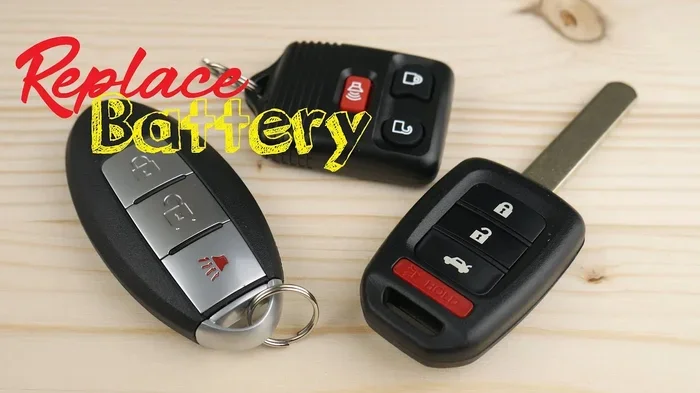
Can a Low Key Fob Battery Drain a Car Battery Fast
A low key fob battery can slowly drain your car battery over time, especially if the fob stays close to the vehicle overnight. Modern smart keys constantly ping the car, and a weak signal forces the system to work harder. Knowing the warning signs and taking simple steps can save you from a dead battery and a frustrating morning.
You wake up on a cold Monday morning. You grab your keys, walk to the car, and press the button. Nothing happens. You try again. Still nothing. Your heart sinks as you realize the car battery is dead.
But here is the thing. You did not leave the lights on. The car has been sitting in the driveway all night. So what drained the battery? The answer might be sitting right there in your pocket or on your kitchen counter. A low key fob battery can quietly drain your car battery faster than you think.
This is a problem more drivers face than you might expect. Modern cars use smart key systems that stay in constant communication with the key fob. When the fob battery gets weak, the car’s system ramps up its effort to find the fob. That extra effort pulls more power from the car battery. Over time, this can leave you stranded.
In this article, we will break down exactly how this happens. We will look at the warning signs, the simple fixes, and the steps you can take to stop it from happening again. Whether your car uses a push button start or a traditional key system, this guide has you covered.
Key Takeaways
- A weak key fob battery causes extra strain on your car battery because the system works harder to detect the fob.
- Leaving a low- battery fob near the car overnight is the most common cause of parasitic battery drain.
- Signs of fob-related battery drain include a slow crank, dashboard warnings, and the car not starting right away.
- Replacing the fob battery every 1-2 years is an easy and cheap way to prevent car battery problems.
- You can start your car manually with a key or your phone if the fob dies completely.
- Check your charging system if you notice frequent battery issues, as it may be a bigger underlying problem.
📑 Table of Contents
- How a Key Fob Communicates With Your Car
- Does a Low Key Fob Battery Actually Drain Your Car Battery Fast
- Signs Your Key Fob Battery Is Draining Your Car Battery
- How to Prevent Key Fob Battery Drain on Your Car Battery
- What To Do If Your Car Battery Dies From Key Fob Drain
- Common Mistakes Drivers Make With Key Fob Batteries
- Expert Insights: How Long Does a Key Fob Battery Last
- Key Takeaways
- Conclusion
How a Key Fob Communicates With Your Car
To understand why a low fob battery drains your car battery, you need to know how the two devices talk to each other. It is simpler than you might think.
Your key fob sends out a low-frequency radio signal. This signal tells the car you are nearby. When you approach the vehicle, the car wakes up and gets ready to start. When you press the start button or the remote lock button, the fob sends a coded message. The car receives it and responds.
This whole process happens in milliseconds. But here is the key part. The car is always listening, even when it is parked. It is constantly scanning for the fob signal. This is called passive keyless entry. It is a great feature. But it also means the car is never truly asleep.
What Happens When the Fob Battery Gets Low
When the fob battery is strong, the signal reaches the car easily. The car picks it up from a reasonable distance. Everything works smoothly. But when the battery gets low, the signal gets weaker. The car then has to work harder to detect the fob.
Think of it like shouting across a field. When you are healthy, your voice carries far. But when you are tired, you have to shout louder. Your body uses more energy. The same thing happens with your car. A weak fob signal forces the car’s antenna and computer to use more power searching for the fob. This is called parasitic draw, and it can slowly kill your car battery.
Some car models are worse than others. Luxury brands and newer vehicles with advanced smart key systems tend to have stronger standby power demands. Older cars with basic remotes are less affected. But if your fob battery is running low, no car is completely immune.
Does a Low Key Fob Battery Actually Drain Your Car Battery Fast
The short answer is yes. But the word “fast” depends on a few things. Let us look at the details.
A completely dead fob battery will not drain your car battery overnight. But a low key fob battery that is still sending a weak signal can cause problems over a few days. The car keeps searching for a stronger signal. That search uses electricity. Over 24 to 48 hours, that extra draw can add up.
Here are the factors that speed up the drain:
- Leaving the fob on the console or near the car overnight. The car keeps scanning for it all night long.
- A fob battery that is almost dead. The weaker the signal, the harder the car works.
- Cold weather. Low temperatures already weaken car batteries. Adding fob drain makes it worse.
- An older car battery. A battery that is already weak cannot handle extra drain.
- Multiple electronic devices plugged in. Chargers, dashcams, and GPS units add to the load.
If you combine several of these factors, a low fob battery can drain your car battery in as little as two to three days. For drivers who leave their car parked for long periods, this is a real risk.
Some people also wonder whether starting your car with your phone is a safer alternative. While phone-based systems are growing in popularity, they still rely on Bluetooth and battery power. A low phone battery can cause the same kind of standby drain.
Signs Your Key Fob Battery Is Draining Your Car Battery
Catching the problem early can save you a lot of trouble. Here are the signs that your key fob battery is draining your car battery faster than normal.
1. The Car Cranks Slowly
When you turn the key or press the start button, the engine turns over slowly. It sounds sluggish. It takes longer than usual to catch. This is one of the first signs that your car battery is low. The extra power draw from the fob search has weakened the battery.
2. The Dashboard Shows a Warning Light
Many modern cars have a check charging system warning on the dashboard. If you see this light, do not ignore it. It means the car’s electrical system is not getting enough power. A low fob battery could be part of the problem.
You might also see a key-shaped icon or a “key not detected” message on the dashboard. These warnings mean the car is struggling to communicate with the fob. That struggle uses extra battery power.
3. The Remote Lock or Unlock Range Gets Shorter
You used to unlock the car from 30 feet away. Now you have to stand right next to the door. That shorter range means the fob battery is weak. And a weak fob battery means the car is working harder to find it.
4. The Car Won’t Start Some Mornings
This is the worst sign. You get in the car, press the button, and nothing happens. The battery is too low to crank the engine. This usually means the drain has been building for a day or two. By the time the car refuses to start, the battery is already weak.
If you find yourself in this situation, you might be able to start the car with the physical key if your model has a hidden key slot. Many newer cars hide a backup key inside the fob. Check your owner’s manual to find it.
5. The Battery Dies After Sitting Overnight
This is the clearest sign of parasitic drain. You park the car, go inside, and the next morning the battery is dead. A healthy car battery should hold a charge for weeks, even with the fob nearby. If it dies overnight, something is pulling too much power. A low fob battery is a common culprit.
How to Prevent Key Fob Battery Drain on Your Car Battery
The good news is that preventing this problem is simple. A few small changes in your routine can make a big difference.
1. Replace the Fob Battery Regularly
Most car key fobs use a CR2032 battery. These small coin batteries cost about two to five dollars. You should replace them every 12 to 18 months. Do not wait until the fob stops working. Replace it on a schedule. This one habit can save you from a dead car battery.
When you replace the battery, make sure you use the right type. Check the owner’s manual or look at the old battery to confirm the model. Using the wrong battery can cause the fob to malfunction.
2. Store the Fob Away From the Car at Night
Many people keep their fob on the console or the kitchen counter near the garage. This is convenient. But it also means the car is constantly scanning for the fob all night long. A simple fix is to store the fob in a drawer or a room farther from the car. The car will still detect it when you walk up in the morning, but it will not waste power searching all night.
3. Use the Physical Key When Possible
If your car has a backup physical key slot, use it when the fob battery is low. Inserting the key directly bypasses the wireless system. The car does not need to search for the fob signal. This reduces the parasitic draw and protects your car battery.
Some drivers also ask whether driving with steering assist off saves battery. While that is a different system, the idea is the same. Reducing the electrical load on your car battery helps it last longer.
4. Keep the Car Battery Healthy
A strong car battery handles extra fob drain much better than a weak one. Keep your battery clean and secure. Check the terminals for corrosion. Make sure the battery is fully charged. If your car sits for long periods, consider using a battery maintainer or trickle charger.
5. Turn Off Unnecessary Electronics
Every electronic device plugged into your car adds to the drain. Phone chargers, dashcams, and Bluetooth adapters all pull power even when the car is off. Turn them off or unplug them when you park. This reduces the total load on the battery and gives it a better chance of surviving overnight.
6. Get Your Battery Tested Regularly
Most auto parts stores will test your car battery for free. Get it checked at least twice a year, especially before winter. A battery that is more than three to five years old may need replacement. A weak battery combined with a low fob battery is a recipe for trouble.
What To Do If Your Car Battery Dies From Key Fob Drain
So the worst has happened. Your car battery is dead because of a low fob battery. Now what? Here is how to handle it step by step.
Step 1: Try the Backup Key
If your fob has a hidden physical key, use it to unlock the door. Insert the key into the door lock or the ignition slot. Once inside, try starting the car with the backup key method. Some cars allow you to start the engine by pressing the fob directly against the start button, even with a dead fob battery.
Step 2: Jump Start the Car
If the backup key method does not work, you need a jump start. Use jumper cables and another vehicle or a portable jump starter. Connect the cables in the right order. Start the working vehicle first. Then try starting your car.
Once the car is running, let it idle for at least 15 to 20 minutes. This gives the alternator time to recharge the battery. But be careful. If the battery is old or damaged, a jump start might only buy you time.
For hybrid vehicles, the process can be different. You may want to learn more about jump starting a dead hybrid car to understand the unique steps involved.
Step 3: Replace the Fob Battery Immediately
Once the car is running again, replace the fob battery right away. A new battery costs almost nothing and takes two minutes. This prevents the problem from happening again the next time you park the car overnight.
Step 4: Check the Car Battery Health
A single dead battery does not always mean the battery is bad. But repeated dead batteries do. After you jump start the car, have the battery tested. If it cannot hold a charge, it is time for a replacement. A new car battery typically costs between 100 and 250 dollars, depending on the model.
Step 5: Inspect the Charging System
If your battery keeps dying even after you replace the fob battery, there may be a bigger issue. The alternator or voltage regulator could be failing. Have a mechanic check the charging system. You can also read more about driving with charging system warnings in our guide on whether you can drive with a check charging system warning.
Common Mistakes Drivers Make With Key Fob Batteries
There are a few mistakes that make the problem worse. Avoid these habits to keep both your fob and car battery healthy.
- Waiting until the fob completely dies. A fob that is already dead does not drain the car battery as much as a fob with a weak signal. The weak signal is what causes the extra draw.
- Using the wrong battery type. Not all CR2032 batteries are the same. Cheap batteries from dollar stores may not last as long. Stick with trusted brands like Energizer or Duracell.
- Keeping the fob near other electronics. Other remotes, wallets, or electronic devices can interfere with the fob signal. Store the fob separately to keep the signal strong.
- Ignoring the dashboard warnings. If the car tells you the fob battery is low, replace it immediately. That warning is there for a reason.
- Assuming the car battery is always the problem. Many drivers replace the car battery when the real issue is the fob. Test both before buying a new battery.
Expert Insights: How Long Does a Key Fob Battery Last
Most key fob batteries last between one and two years. But the lifespan depends on how often you use the fob. If you lock and unlock your car multiple times a day, the battery wears out faster. If you mostly use the push button start and rarely use the remote, the battery lasts longer.
Climate also plays a role. Extreme heat and cold both drain batteries faster. If you live in a very hot or very cold area, you may need to replace the fob battery more often.
Car experts also recommend keeping a spare fob battery in your glove box. It takes two minutes to swap one out, and it can save you from being stranded. A fob battery replacement is one of the cheapest and easiest car maintenance tasks you can do.
Regular car maintenance goes a long way in preventing battery problems. Along with replacing the fob battery, make sure you keep up with oil changes, tire rotations, and brake inspections. A well-maintained car handles electrical demands much better than one that is neglected.
Key Takeaways
- A low key fob battery can drain your car battery because the car works harder to detect the weak signal.
- Replace your fob battery every 12 to 18 months to prevent unnecessary drain.
- Watch for warning signs like slow cranking, shorter remote range, and dashboard alerts.
- Store the fob away from the car at night to reduce overnight parasitic draw.
- Keep your car battery healthy with regular testing and maintenance.
- Use the backup physical key when the fob battery is low to avoid extra strain on the car battery.
- Act quickly when you notice symptoms. The longer you ignore a weak fob battery, the higher the risk of a dead car battery.
Conclusion
A low key fob battery might seem like a small problem. But it can cause big trouble for your car battery. The weak signal forces your car to work harder, pulling extra power over hours and days. By the time you notice the symptoms, the car battery may already be too weak to start the engine.
The good news is that prevention is simple. Replace your fob battery on a schedule. Store the fob away from the car at night. Watch for the warning signs. These small habits can save you from the frustration of a dead battery on a bad morning.
Take care of your fob battery today. It costs almost nothing and takes just a few minutes. Your future self will thank you when the car starts right up every single time. Do not let a tiny coin battery ruin your day.
Frequently Asked Questions
How do I know if my key fob battery is draining my car battery?
Look for signs like a slow engine crank, a shorter remote range, or a “key not detected” warning on the dashboard. If your car battery dies after sitting overnight, a weak fob battery could be the cause. Have both the fob and car battery tested to confirm.
How often should I replace my key fob battery?
Most key fob batteries last 12 to 18 months. Replace the battery on a regular schedule, even if the fob still seems to work. Waiting until the fob dies completely can put extra strain on your car battery.
Can a dead key fob battery prevent my car from starting?
In most modern cars, a completely dead fob battery will not stop you from starting the car. You can usually use the backup physical key or press the fob directly against the start button. However, a weak fob battery can slowly drain the car battery until it cannot start at all.
What type of battery does my key fob use?
Most car key fobs use a CR2032 battery. Check your owner’s manual or look at the old battery to confirm the model. These batteries are widely available and cost just a few dollars at any hardware or drug store.
Does removing the key fob from the car prevent battery drain?
Yes, storing the fob at least 10 feet away from the car reduces parasitic draw. The car’s system cannot detect the fob as easily, so it stops searching for it. This simple step can significantly reduce overnight battery drain.
Is it safe to drive with a low key fob battery?
Yes, it is generally safe to drive with a low fob battery. The car will still start and run normally. However, you may lose remote features like locking and unlocking from a distance. Replace the fob battery as soon as possible to avoid further issues.