Can a Car Battery Kill You and How to Protect Yourself
Yes, a car battery can seriously hurt or even kill you under certain conditions. The real dangers come from electrical shocks, toxic acid burns, explosive hydrogen gas, and fire. Understanding these risks is the first step toward staying safe. This guide walks you through every hazard, warning sign, and protection step you need to know.
You might think a car battery is just a harmless box under your hood. It sits there quietly, quietly doing its job. But the truth is, a car battery holds enough energy to cause real harm. We are not talking about a small shock here. We are talking about burns, explosions, electrical injuries, and in rare cases, death.
Can a car battery kill you? The short answer is yes. The long answer is more important, and it is what this article covers. You will learn exactly how a battery becomes dangerous, what warning signs to watch for, and how to protect yourself and your family. Whether you change your own battery or just want to stay safe around your vehicle, this guide has you covered.
Car batteries are everywhere. Millions of people handle them every day without incident. But the ones who get hurt often do not know the risks. They skip safety steps. They ignore warning signs. That is where trouble starts. Let us change that right now.
Key Takeaways
- Car batteries can deliver fatal electrical shocks: even a 12-volt battery can cause serious harm in wet conditions.
- Hydrogen gas is explosive: a spark near a charging battery can ignite it and cause burns or death.
- Sulfuric acid burns are severe: battery acid can cause permanent damage to skin, eyes, and lungs.
- Swollen or leaking batteries are red flags: these signs mean immediate danger and require careful handling.
- Proper PPE and ventilation save lives: wearing gloves and goggles and working in open areas drastically reduces risk.
- Know your emergency response: flushing acid burns with water and calling 911 can make the difference between life and death.
📑 Table of Contents
How a Car Battery Works and Why It Can Be Dangerous
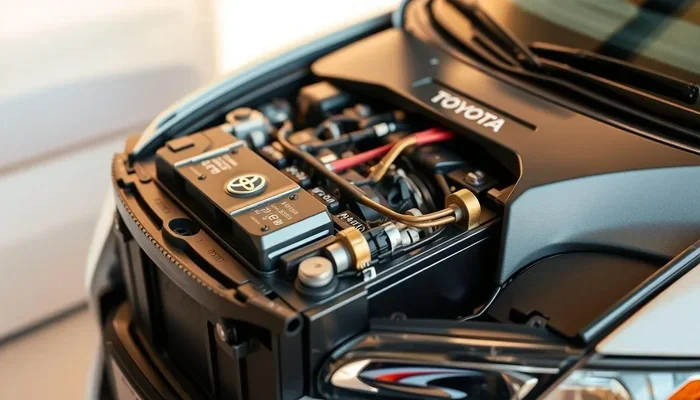
A standard car battery runs on a chemical reaction. Inside the battery, lead plates sit in a solution of sulfuric acid and water. This mixture creates an electrical charge. That charge flows through your car’s wiring to start the engine, power the lights, and keep your electronics running.
It sounds simple enough. But that chemical reaction is powerful. It produces voltage, heat, and gas. And under the right (or wrong) conditions, those elements can become deadly.
The Chemistry Behind the Danger
Here is something most people do not know. A charging battery produces hydrogen gas. Hydrogen is highly flammable. Even a tiny spark can ignite it. This is why you should never smoke near a battery or use a lighter while working on one. The gas builds up fast, especially in enclosed spaces like a garage.
The sulfuric acid inside the battery is another major hazard. It is a strong corrosive substance. If the battery case cracks or leaks, that acid can eat through clothing, skin, and metal. Eye contact with battery acid can cause permanent blindness. Skin contact causes severe chemical burns.
The electrical current from a car battery is also dangerous. A standard battery outputs about 12 volts. That might sound low. But the amperage is what really matters. A car battery can deliver hundreds of amps in a short burst. That kind of current can stop a human heart.
The Real Ways a Car Battery Can Kill You
Let us get specific. There are several ways a car battery can cause serious injury or death. Each one is dangerous in its own way. Understanding them helps you avoid the situations that lead to harm.
Electrical Shock and Cardiac Arrest
Electrical shock is the most immediate danger. When you touch both battery terminals at the same time, current flows through your body. In dry conditions, 12 volts might just give you a mild tingle. But in wet conditions, the story changes completely. Wet skin drops your body’s resistance dramatically. The same 12 volts can push enough current through a wet body to disrupt your heart rhythm.
This is especially dangerous when you are standing in a puddle, sweating heavily, or working with wet hands. The current can cause ventricular fibrillation. That is a medical term for a heart that quivers instead of pumping blood. Without immediate treatment, it leads to death.
Battery Explosions
Battery explosions sound rare, but they happen more often than you think. When a battery charges rapidly or sparks jump across the terminals, hydrogen gas ignites. The explosion sends shards of plastic and acid flying. People near the blast suffer severe burns, lacerations, and blunt force trauma.
Jumping a dead battery is a common trigger for explosions. If you hook up cables wrong or create a spark near the battery, the result can be catastrophic. This is why proper jump-starting technique matters so much. If you want to learn more about safely jump-starting a hybrid vehicle, check out our guide on how to jump start a hybrid.
Acid Burns and Chemical Exposure
Sulfuric acid causes immediate and painful burns on contact. The damage goes deeper than the surface. Acid can continue eating into tissue if not flushed quickly. Inhaling acid fumes damages your lungs and airways. Over time, chronic exposure to low levels of battery fumes can cause respiratory disease.
Children and pets face the highest risk from acid exposure. A leaking battery in a garage or trunk is an easy target for curious hands and paws. The acid can cause burns on contact and serious internal damage if swallowed.
Fire and Thermal Runaway
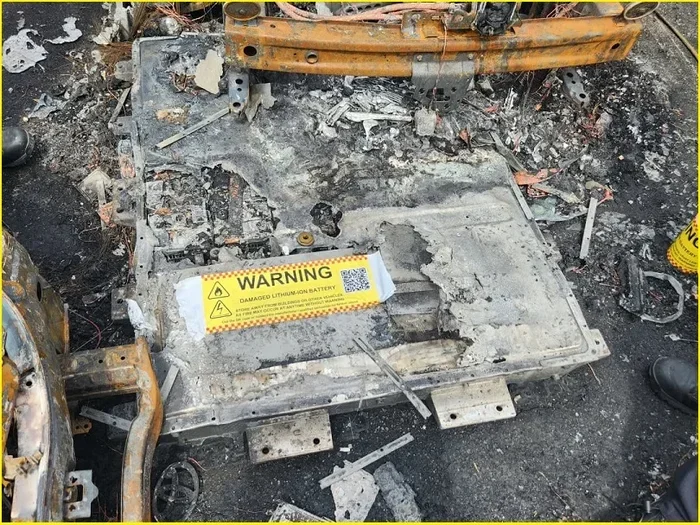
Car batteries can catch fire. This is more common in newer vehicles with advanced battery systems, but traditional lead-acid batteries can also ignite. A short circuit creates intense heat. That heat can melt battery terminals, ignite nearby fluids, and spread fire to the rest of the vehicle.
In extreme cases, a battery undergoes thermal runaway. The internal temperature skyrockets. The battery swells, vents toxic fumes, and eventually ruptures or explodes. Thermal runaway is rare in standard car batteries but it does happen, especially with damaged or overcharged units.
Who Is Most at Risk?
Not everyone faces the same level of danger. Some people encounter car batteries more often and in riskier situations. Knowing your risk level helps you take the right precautions.
DIY Mechanics and Weekend Warriors
If you change your own oil, swap your own battery, or tinker under the hood, you face higher exposure. Every time you disconnect a battery or handle terminals, you are putting your hands near a potential hazard. Many DIYers skip gloves and eye protection because they think the risk is too small to worry about.
That mindset is dangerous. A quick slip with a wrench can bridge the terminals. A splash of electrolyte can burn before you even react. Always wear protective gear. Always work in a ventilated area. Always keep a neutralizing agent like baking soda nearby.
Parents and Caregivers
Car batteries sitting in garages or trunks are accessible to children. A curious kid might poke a metal object across the terminals. The result is a spark, a burn, or a shock. Keep battery compartments closed and secure. Store old batteries in a locked area away from kids and pets.
People Working in Enclosed Spaces
Working on your car in a closed garage is one of the most dangerous scenarios. Hydrogen gas has nowhere to go. It builds up with each charge cycle. A single spark from a tool, a phone, or a light switch can trigger an explosion. Always work outdoors or in a well-ventilated space. Never idle your car in an attached garage.
How to Protect Yourself from Car Battery Hazards
Protection starts with awareness. Once you know the risks, you can take simple steps to dramatically reduce your chances of injury. Here is a full breakdown of safety measures you should follow every time you work around a car battery.
Wear the Right Protective Equipment
Do not skip this step. Every single time. The right gear includes:
- Safety goggles or glasses: Protects your eyes from acid splashes and sparks.
- Rubber or nitrile gloves: Insulates your hands from electrical current and acid.
- Long sleeves and pants: Reduces skin exposure to acid and heat.
- Closed-toe shoes: Protects your feet from falling tools or battery casings.
Follow Proper Jump-Starting Procedures
Jump-starting a car is one of the most common battery-related tasks. But it is also one of the most dangerous when done incorrectly. Always connect cables in the right order: positive to positive, negative to a ground point on the dead car, and then start the working car first. If you want to learn more about battery safety, you can also explore our article on how to charge an electric car at home for additional battery handling tips.
Store and Dispose of Batteries Safely
Old batteries still hold charge and still produce gas. Store them upright in a cool, dry place away from heat sources and flammable materials. When disposing of a battery, take it to a recycling center. Never throw batteries in household trash. The acid and heavy metals inside can leak and cause environmental and health hazards.
Keep a Fire Extinguisher Nearby
Working around batteries means being prepared for the worst. Keep a Class B or Class ABC fire extinguisher within arm’s reach. Know how to use it before you need it. In a fire involving a battery, the extinguisher can mean the difference between a minor incident and a total loss.
Test Your Battery Regularly
A healthy battery is a safer battery. Have your battery tested at every oil change or at least twice a year. A weak battery is more likely to fail unexpectedly, which leads to dangerous jump-starting situations. You can buy a simple battery tester at any auto parts store for under $20.
Warning Signs Your Car Battery Is About to Fail
Most battery failures do not happen without warning. Your battery tells you it is in trouble before it becomes a hazard. Learning to read these signs can save you from a dangerous situation.
Swollen or Bloated Battery Case
A battery case that looks puffed up or rounded is a serious red flag. Swelling happens when the battery overheats internally. The heat builds up gas pressure inside the case. A swollen battery is at high risk of rupturing or exploding. Do not attempt to charge or jump-start a swollen battery. Replace it immediately.
Corrosion Around the Terminals
White or blue-green powdery buildup on the terminals is corrosion. It is a sign of acid leakage and electrical resistance. Corroded terminals can cause sparks, weak starting, and intermittent electrical failures. Clean corrosion with a baking soda and water solution, but always wear gloves and eye protection.
Slow Cranking When Starting
If your engine turns over slowly or hesitates before starting, your battery may be dying. A weak battery draws more current from the alternator and generates excess heat. This creates a cycle of declining performance that can eventually lead to complete failure. Get the battery tested as soon as you notice slow cranking.
Dashboard Warning Lights
The battery light on your dashboard is not something to ignore. It signals a charging system problem. It could mean the alternator is failing, the battery is dying, or there is a wiring issue. Driving with a charging system warning can leave you stranded and force a risky jump-start in an unsafe location.
Rotten Egg Smell
A sulfur or rotten egg smell near your battery means hydrogen sulfide gas is leaking. This gas is toxic and flammable. It indicates the battery is overheating or has internal damage. Pull over safely, turn off the engine, and have the battery inspected immediately.
Common Mistakes That Lead to Battery Injuries
Most battery accidents happen because of simple, avoidable mistakes. Here are the ones you need to stop making right now.
Using Metal Tools Across the Terminals
Dropping a wrench across both terminals creates a massive spark. That spark can ignite hydrogen gas, melt metal, and cause burns. Always remove jewelry, watches, and loose clothing before working near a battery. Use insulated tools when possible.
Ignoring Cracked Battery Cases
A cracked case means acid can leak out. It also means the internal components are exposed. A compromised battery can fail without warning. Do not keep using a cracked battery. Replace it and recycle the old one properly.
Charging a Frozen Battery
Never charge a battery that has been exposed to freezing temperatures. The electrolyte inside freezes and expands. Charging a frozen battery causes it to rupture or explode. Let the battery warm up to room temperature before attempting any charging.
Skipping the Ventilation Step
Working on a battery in a closed space is one of the deadliest mistakes people make. The hydrogen gas has nowhere to escape. Even a small spark can set off an explosion. Always open the garage door, work outdoors, or use a fan to keep air moving.
What to Do in a Battery Emergency
Despite your best efforts, emergencies can still happen. Knowing how to respond quickly and correctly can save your life or someone else’s.
If Acid Contacts Your Skin or Eyes
Flush the affected area with clean water immediately. Do not wait. Do not try to neutralize the acid with another chemical. Hold the affected skin under running water for at least 15 minutes. For eye exposure, hold the eyelid open and flush continuously. Seek emergency medical attention right away. Time matters with chemical burns.
If a Battery Starts Smoking or Sparking
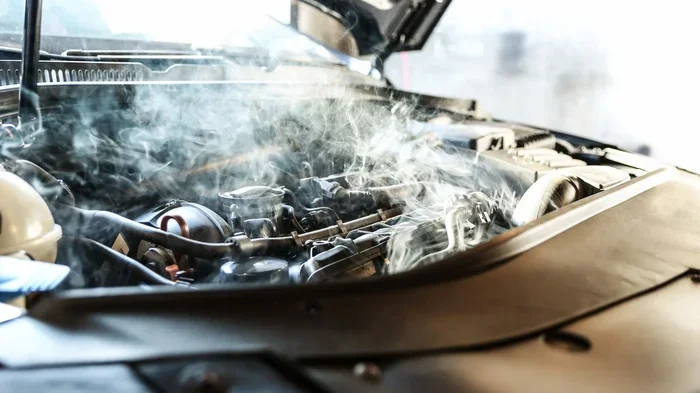
Move away immediately. Do not try to fix it. Back away to a safe distance and call for help. A smoking or sparking battery can explode within seconds. Keep others away from the area. If you have a fire extinguisher and it is safe to reach, use it from a distance.
If Someone Receives an Electrical Shock
Do not touch the person while they are still in contact with the current. Disconnect the power source first if you can do so safely. Call 911 immediately. Even if the person appears fine after a shock, internal injuries may not be visible. Always seek medical evaluation after any electrical shock.
Understanding battery safety is not just for mechanics. It is for every driver, every passenger, and every person who steps into a garage. A car battery is a powerful tool that demands respect. Handle it with care, follow safety protocols, and you can use it for years without incident.
If you have ever wondered about other car safety questions, you might find our article on whether a worn out key can prevent your car from starting helpful for understanding other common vehicle concerns.
Stay informed. Stay prepared. Stay safe. Your car battery works hard every day to keep you on the road. The least you can do is give it the respect and care it deserves.
Frequently Asked Questions
Can a 12-volt car battery actually kill you?
Yes, a 12-volt battery can kill you. The voltage alone is not the danger. It is the amperage and the conditions. Wet skin, open wounds, or contact with both terminals at once can push enough current through your body to disrupt your heart rhythm. Always treat a car battery with respect, regardless of its voltage rating.
What should I do if my battery leaks acid?
Do not touch the leaking fluid. Wear gloves and eye protection. Neutralize the acid with a baking soda and water solution. Clean up the spill carefully and dispose of the battery at a recycling center. If acid contacts your skin or eyes, flush with water for at least 15 minutes and seek medical help immediately.
Is it safe to jump-start a car battery in a garage?
No, it is not safe. Jump-starting a battery produces sparks and hydrogen gas. In an enclosed garage, those gases have nowhere to escape. A single spark can cause an explosion. Always jump-start your vehicle outdoors or in a well-ventilated area. Keep bystanders and pets away from the battery during the process.
How often should I replace my car battery?
Most car batteries last between three and five years. Extreme temperatures, frequent short trips, and leaving electronics on when the engine is off can shorten that lifespan. Have your battery tested twice a year, especially before winter and summer. Replace it as soon as tests show it is weakening.
Can a car battery explode while charging?
Yes, a car battery can explode while charging. Overcharging, rapid charging, or charging a damaged battery all produce excess hydrogen gas. If a spark or flame is nearby, the gas ignites. Always use a quality battery charger with an automatic shutoff feature. Never charge a swollen or cracked battery.
What are the signs of a failing car battery before it becomes dangerous?
Warning signs include a swollen battery case, white or green corrosion on the terminals, slow engine cranking, a rotten egg smell, and dashboard warning lights. Any of these signs mean the battery is under stress and could fail unexpectedly. Have it inspected and replaced if needed before it reaches a dangerous state.
=== CONCLUSION ===
Can a car battery kill you? The answer is a clear yes. But with the right knowledge and precautions, you can protect yourself and those around you. The dangers are real, but they are also preventable. Wear your safety gear. Follow proper procedures. Respect the power inside that box under your hood. Stay informed, stay cautious, and stay safe on the road.