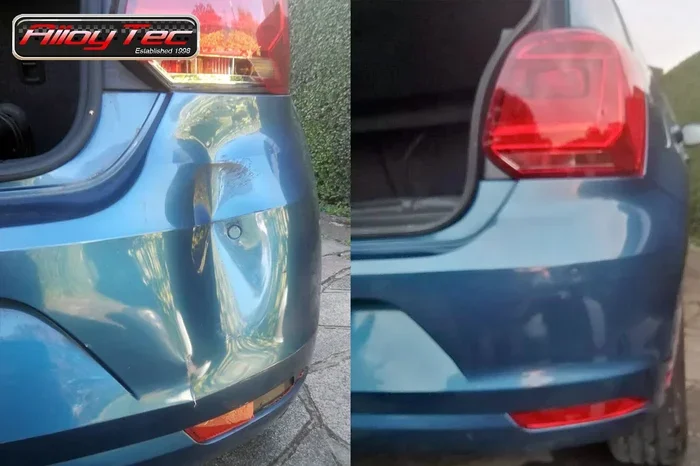
Can a Body Shop Fix a Bent Bumper Without Breaking the Bank
A bent bumper is one of the most common car damages, and yes, a body shop can usually fix it without breaking the bank. The cost depends on the severity of the damage, your vehicle model, and whether you choose paintless dent repair or a full replacement. This guide covers every angle of bent bumper repair so you can make a smart, informed decision.
You backed into a parking pole. A shopping cart slammed into your front end. A low curb got the best of you overnight. Whatever the cause, you now have a bent bumper, and your first thought is probably, “How much is this going to cost?”
The good news is that most body shops can fix a bent bumper without you needing to replace the entire thing. Bent bumper repair is one of the most common services auto body shops perform every single day. And the best part? You often don’t need to spend thousands of dollars to get your car looking new again.
In this guide, we will walk you through everything you need to know. From how body shops assess the damage to the actual repair techniques they use, from cost breakdowns to tips for choosing the right shop, we have got you covered. By the end, you will feel confident making the best decision for your car and your budget.
Key Takeaways
- Most bent bumpers are repairable: Body shops use several techniques to restore your bumper without full replacement.
- Costs vary widely: Minor repairs can cost under $300, while severe damage may run $1,500 or more.
- Paintless dent repair saves money: This technique avoids repainting and can cut costs by up to 50%.
- Insurance may cover the repair: If the damage came from a collision or vandalism, your policy might help.
- Choosing the right shop matters: Not all body shops are equal, and reviews matter.
- Timing is important: Delaying repairs can lead to rust, misalignment, and higher costs down the road.
📑 Table of Contents
What Happens When Your Bumper Gets Bent?
A bumper might look like a simple piece of plastic, but it is actually a carefully engineered safety component. Modern bumpers are designed to absorb impact and protect both the vehicle and its passengers. When a bumper gets bent, the damage can go deeper than what you see on the surface.
The Hidden Damage You Cannot See
When a bumper bends, the bumper filler and impact absorbers behind it can also get damaged. The foam or crumple zones inside the bumper may compress or crack. The bumper alignment can shift, affecting how your car sits and how well the headlights and sensors line up.
Here are some hidden issues a bent bumper can cause:
- Sensor misalignment: Parking sensors and cameras may stop working properly.
- Rust formation: Cracked or scratched bumper coatings expose metal to moisture.
- Airflow disruption: A misaligned bumper can affect your car’s aerodynamics and fuel efficiency.
- Loose connections: Wiring for lights and sensors can get pinched or torn.
This is exactly why you should never ignore a bent bumper, even if the damage looks minor. What starts as a small dent can turn into a bigger collision repair job if left untreated. And if you live somewhere hot, you should also know that extreme heat can worsen existing car damage. For more on that, check out our guide on can a car overheat on a hot day.
Common Causes of Bent Bumpers
Bumpers bend for all kinds of reasons. Some of the most common include:
- Low-speed parking lot collisions: Hitting a pole, another car, or a curb.
- Shopping cart impacts: These happen more often than you think.
- Weather damage: Hail storms can dent multiple panels at once.
- Road debris: Rocks and gravel kicked up by other vehicles.
- Minor accidents: Fender benders that seem small but still cause real damage.
How Body Shops Assess Bumper Damage
Before any work begins, a reputable auto body shop will perform a thorough assessment. This step is critical because it determines whether you need a simple bumper dent removal or something more involved.
The Visual Inspection
The technician will start by closely examining the bumper from every angle. They look for cracks, scratches, paint damage, and deformation. They also check the bumper alignment by measuring gaps between the bumper and adjacent panels like the fenders and headlights.
Damage Severity Levels
Most body shops classify bumper damage into three levels:
- Level 1 – Minor: Small dent or scrape with no cracks. The bumper is still intact and properly aligned.
- Level 2 – Moderate: Visible dent with some cracking or paint damage. The bumper may be slightly misaligned.
- Level 3 – Severe: Major deformation, deep cracks, or detached sections. The bumper may need full replacement.
For minor to moderate damage, paintless dent repair is often an option. This technique pushes the dent out from behind the bumper without disturbing the original paint. It is faster, cheaper, and preserves your factory finish. You can learn more about maintaining your car after repairs in our article on can you wash your car too much.
Getting an Accurate Estimate
A trustworthy shop will provide a written vehicle repair estimate before doing any work. This estimate should break down labor costs, parts costs, and any additional fees. Do not be afraid to ask questions. A good shop will explain every line item clearly.
Common Bumper Repair Techniques
Body shops have several methods for fixing a bent bumper. The right technique depends on the type and severity of the damage. Here is a look at the most common approaches used in car body repair today.
Paintless Dent Repair (PDR)
Paintless dent repair is the gold standard for minor to moderate bumper dents. The technician accesses the back of the bumper and carefully pushes the dented area back into shape using specialized rods and tools.
Why PDR is a great option:
- Cost-effective: No repainting means lower labor and materials costs.
- Fast: Most PDR jobs take just a few hours.
- Preserves factory paint: Your original paint finish stays intact.
- Eco-friendly: No chemicals or paints are needed.
PDR works best when the paint is still intact and there are no cracks in the bumper material. If the dent is sharp or the paint is chipped, PDR may not be suitable.
Traditional Bumper Repair
For dents with cracked or chipped paint, traditional repair is the way to go. This process involves several steps:
- Sanding and prepping: The damaged area is cleaned and sanded smooth.
- Filler application: A bumper filler material is applied to fill in cracks or deep dents.
- Shaping: The filler is shaped and sanded to match the original bumper contour.
- Priming and painting: The repaired area is primed and color-matched to your vehicle’s paint.
- Clear coating: A clear coat is applied for protection and shine.
- Buffing: The area is buffed to blend seamlessly with the surrounding paint.
This method takes longer than PDR but delivers excellent results for more serious damage. It is also the standard approach when a bumper has been cracked in an accident.
Bumper Replacement
When the damage is too severe for repair, a full bumper replacement becomes necessary. This is more expensive but sometimes the only safe option. A badly cracked bumper can compromise the structural integrity of the front or rear end of your vehicle.
During a replacement, the shop removes the damaged bumper and installs a new one. The new bumper can be either OEM (Original Equipment Manufacturer) or aftermarket bumper. OEM parts are made by the same manufacturer that built your car, while aftermarket parts are made by third-party companies. Both have pros and cons, and your body shop can help you decide.
How Much Does Bumper Repair Cost?
Cost is the question everyone wants answered. And the honest truth is that the price varies a lot. Several factors determine what you will pay for bent bumper repair.
Factors That Affect the Cost
- Severity of the damage: A small dent costs far less than a cracked bumper.
- Vehicle make and model: Luxury and rare vehicles cost more to repair due to specialized parts.
- Repair method chosen: PDR is cheaper than traditional repair, which is cheaper than full replacement.
- Location: Body shops in big cities tend to charge more than those in smaller towns.
- Labor rates: Hourly rates vary by region and shop reputation.
Average Cost Breakdown
Here is a general idea of what you might expect to pay. Keep in mind that these are national averages and can vary based on the factors above.
- Minor dent (PDR): $100 to $300
- Moderate damage (traditional repair): $300 to $800
- Severe damage (full replacement): $800 to $2,500+
These numbers can seem like a wide range, and that is because every repair is different. Always get at least two or three estimates before committing to a shop. This ensures you are getting a fair price and quality work.
Does Insurance Cover Bumper Repair?
If the damage came from a collision, vandalism, or a weather event, your insurance claim for bumper may cover the cost. Comprehensive and collision coverage typically include body repair. However, if the damage is purely cosmetic and you caused it yourself, your insurance may not pay for it.
Before filing a claim, consider the deductible. If the repair cost is close to your deductible, it might make more sense to pay out of pocket. Also, filing a claim can affect your future premiums, so weigh your options carefully.
When to Repair vs. Replace a Bumper
One of the biggest decisions you will face is whether to repair or replace your bumper. The right choice depends on the extent of the damage and your long-term goals for the vehicle.
Choose Repair When:
- The bumper is bent but not cracked.
- The paint is damaged but the bumper structure is solid.
- The damage is cosmetic and does not affect safety features.
- You want to save money and time.
Choose Replacement When:
- The bumper has deep cracks or is broken into pieces.
- The bumper alignment cannot be restored through repair.
- Sensors or cameras mounted on the bumper are damaged beyond repair.
- The vehicle is older and a replacement bumper is reasonably priced.
A good body shop will always tell you honestly whether a repair or replacement makes more sense. If a shop pushes a repair that will not last, find another shop. Reputation and honesty go a long way in the auto body shop world.
Tips for Choosing the Right Body Shop
Not all body shops are created equal. Choosing the right one can mean the difference between a flawless repair and a frustrating experience. Here is what you should look for.
Check Reviews and Ratings
Start by reading online reviews on Google, Yelp, and other platforms. Look for patterns in the feedback. Are customers consistently happy with the quality of work? Do they praise the customer service? Are there recurring complaints about pricing or communication?
Ask About Certifications
Reputable body shops often hold certifications from organizations like I-CAR or ASE. These certifications show that the technicians have received proper training and stay up to date with the latest car bodywork techniques.
Get Multiple Estimates
Never settle on the first estimate you receive. Get at least two or three quotes. Compare not just the price but also what is included. Does one estimate cover paint matching while another does not? Is one shop offering a warranty on their work while another is not?
Ask About Warranty
A quality body shop stands behind its work. Ask whether they offer a warranty on the repair. A good warranty typically covers the work for at least one year or a certain number of miles. This gives you peace of mind and protection if something goes wrong later.
Consider the Timeline
Ask how long the repair will take. Minor bumper dent removal jobs can often be done in a day or two. More complex repairs or replacements might take a week or more. Make sure the timeline works for your schedule and that the shop communicates clearly about progress.
What to Do Right After Bumper Damage
Immediate action after bumper damage can make a big difference in the final repair outcome. Here are a few steps you should take right away.
- Document the damage: Take clear photos from multiple angles. This is useful for insurance claims and for the body shop to assess the damage.
- Check for loose pieces: If any part of the bumper is hanging or detached, cover the exposed area with a clean cloth to prevent further damage.
- Avoid driving if unsafe: If the bumper is severely damaged or hanging, have the car towed to the shop.
- Contact your insurance: File a claim as soon as possible if the damage is covered by your policy.
- Do not delay repairs: The longer you wait, the more the damage can worsen, especially if rust starts to form.
Taking care of your vehicle after a repair is just as important as the repair itself. To keep your car in great shape, check out our guide on can you wash your car too much for helpful tips on proper car maintenance.
If you are also interested in adding safety features after your bumper is fixed, our article on can you add blind spot monitoring to a car covers everything you need to know about upgrading your vehicle’s safety systems.
Conclusion
So, can a body shop fix a bent bumper? Absolutely. Most bent bumpers are repairable using techniques like paintless dent repair, traditional filler and painting, or full replacement when necessary. The key is getting an accurate assessment, understanding your options, and choosing a trusted auto body shop that you feel comfortable with.
Do not let a bent bumper linger and get worse over time. Address the damage promptly to avoid rust, misalignment, and higher repair bills down the road. Whether the damage is minor or severe, there is almost always a solution that fits your budget.
Take the time to get multiple estimates, ask the right questions, and remember that quality work is worth the investment. Your bumper protects your car, your passengers, and your wallet in the long run. Treat it with care, and it will serve you well for years to come.
Frequently Asked Questions
Can a bent bumper cause alignment problems?
Yes, a bent bumper can affect your bumper alignment and, in some cases, your wheel alignment. If the bumper is pushing against sensors or affecting the front-end geometry, you may notice pulling or uneven tire wear. It is best to get the bumper fixed as soon as possible to prevent these issues from developing.
Is paintless dent repair always cheaper than traditional repair?
Generally, yes. Paintless dent repair avoids the cost of paint, primer, and clear coat, which makes it significantly cheaper. However, PDR only works when the paint is intact and the dent is not too severe. Your body shop will let you know if PDR is an option for your specific damage.
How long does bumper repair usually take?
Minor repairs using paintless dent repair can often be completed in a few hours. Traditional repairs with painting typically take one to three days. Full bumper replacement may take several days depending on parts availability and the complexity of the installation. Always ask your shop for a realistic timeline before you leave your vehicle.
Will my insurance pay for bumper repair?
It depends on your policy and how the damage happened. If the damage resulted from a collision, vandalism, or a covered event like a storm, your insurance claim for bumper is more likely to be approved. Cosmetic damage caused by wear and tear or user error usually is not covered. Always check with your insurance provider first.
Can I drive with a bent bumper?
In most cases, you can drive with a slightly bent bumper, but it is not recommended. A bent bumper can expose sharp edges, affect aerodynamics, and interfere with sensors or lights. Over time, the damage can worsen and lead to more expensive car body repair costs. Have it checked by a professional as soon as possible.
What is the difference between OEM and aftermarket bumpers?
OEM bumpers are made by the original manufacturer and match your vehicle exactly in fit, finish, and safety standards. Aftermarket bumpers are made by third-party companies and are usually less expensive. While aftermarket parts have improved a lot over the years, OEM parts are generally considered the higher quality choice for safety and fit.