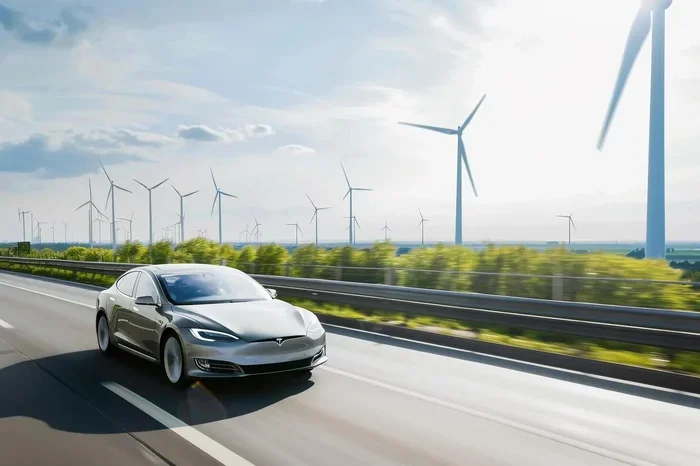
At What Speed Does a Hybrid Switch to Gas Explained Simply
A hybrid car switches to gas at different speeds depending on the model, battery level, and power demand. Most hybrids use electric power at low speeds under 15 mph, then seamlessly transition to the gas engine when you accelerate or need more power. Understanding this switch helps you drive smarter, save fuel, and get the most out of your hybrid vehicle.
If you drive a hybrid or are thinking about buying one, you have probably wondered about something simple. At what speed does a hybrid switch to gas? It sounds like it should have a clear-cut answer. But the truth is, it depends on several factors working together behind the scenes.
Hybrid vehicles are clever machines. They combine an electric motor with a gas engine to give you the best of both worlds. You get great fuel economy in the city and solid power on the highway. But knowing exactly when and how the switch happens can help you drive smarter and save even more money at the pump.
This guide breaks it all down in plain language. We will look at how hybrid systems work, the exact speeds where the switch happens, and what you can do to get the most electric driving possible. Whether you are a new hybrid owner or just curious about how these cars work, you will find everything you need right here.
Key Takeaways
- Low-Speed Electric Mode: Most hybrids run on electric power below 15 mph, saving fuel in city driving.
- Gas Engine Activation: The gas engine kicks in during hard acceleration, highway speeds, or when the battery is low.
- Seamless Transition: The switch between electric and gas happens automatically and smoothly in most modern hybrids.
- Highway Driving: At sustained speeds above 40-45 mph, the gas engine often takes over to maintain power efficiently.
- Battery Charge Matters: A depleted battery causes the gas engine to activate sooner, even at low speeds.
- Regenerative Braking Helps: Braking recharges the battery, extending electric-only driving range.
- Know Your Car: Each hybrid model has unique switching points, so read your owner’s manual for specifics.
📑 Table of Contents
How a Hybrid System Works
Before we dive into speeds, let us understand the basics. A hybrid car has two power sources. One is an electric motor powered by a rechargeable battery. The other is a traditional gas engine. The car’s computer, called the hybrid control module, decides which power source to use at any given moment.
The system is designed to be smart. It balances power demand, battery charge level, and driving conditions. This all happens automatically. You do not need to flip any switches or press any special buttons. The car handles it all for you.
The Electric Motor and Battery
The electric motor is the star of the show during low-speed driving. It runs on electricity stored in the hybrid battery pack. This battery is smaller than the one in a fully electric car. But it is still powerful enough to move the vehicle at slow speeds. The battery gets recharged through a process called regenerative braking. When you lift off the accelerator or hit the brakes, the electric motor works in reverse. It acts as a generator and sends energy back to the battery. This is one of the key reasons hybrids achieve such impressive fuel economy.
The Gas Engine
The gas engine is your backup and your highway companion. When you need more power than the electric motor can provide, the gas engine steps in. It also kicks in when the battery charge drops too low. The gas engine recharges the battery while driving. This means you rarely have to plug in a hybrid car, at least not in the case of a standard hybrid. Plug-in hybrids, or PHEVs, are a different story. They have larger batteries and can run on electricity alone for longer distances.
At What Speed Does a Hybrid Switch to Gas?
This is the big question. And the answer is not a single number. The switching speed varies by car model, driving conditions, and battery status. However, we can break it down into general ranges that apply to most hybrids on the road today.
Below 15 MPH: Electric-Only Mode
Most hybrid cars run on electric power alone when you are driving below 15 mph. This is why hybrids are so efficient in stop-and-go traffic. When you pull out of your driveway or crawl through a parking lot, the gas engine stays off. You are burning zero gas and producing zero emissions. This is the electric-only driving mode, sometimes called EV mode. Many drivers love this feature because it makes city driving feel quiet and smooth.
15 to 30 MPH: The Transition Zone
Between 15 and 30 mph, things get interesting. This is the transition zone. The car’s computer constantly evaluates what you need. If you are cruising gently, the electric motor may keep running. But if you press the accelerator harder, the gas engine will start to engage. You might feel a slight change in sound or vibration. This is the moment the hybrid switches from electric to gas power. The transition is designed to be smooth. You should not feel a harsh jolt or lurch. It should feel almost seamless.
30 to 45 MPH: Gas Engine Takes Over
Once you reach sustained speeds between 30 and 45 mph, the gas engine becomes the primary power source for most hybrids. At these speeds, the electric motor alone cannot provide enough power efficiently. The gas engine takes over and may also recharge the battery at the same time. This is why highway driving in a hybrid still uses gas, even though the fuel economy is better than a traditional car.
Above 45 MPH: Mostly Gas Power
At speeds above 45 mph, the gas engine does most of the heavy lifting. The electric motor may still assist during hard acceleration or hill climbing. But for steady highway cruising, the gas engine runs the show. Some hybrids, like the Toyota Prius, can use electric assist even at higher speeds. But the gas engine remains the main source of power. The good news is that modern hybrids are designed to use less gas at highway speeds than older models.
Hard Acceleration: Gas Engine Engages Immediately
Here is something many drivers do not expect. The speed limit is not the only trigger. If you floor the accelerator from a standstill or while driving slowly, the gas engine will engage right away. The car’s computer sees this as a high power demand. It switches to gas to give you the instant torque and speed you need. This is true even if you are going under 15 mph. So aggressive driving at low speeds will still activate the gas engine.
Factors That Affect When a Hybrid Switches to Gas
Speed is just one piece of the puzzle. Several other factors play a big role in determining when the switch happens. Let us look at each one closely.
Battery Charge Level
The state of charge in your hybrid battery is a huge factor. If the battery is fully charged, the car will stay in electric mode longer. It can afford to use electric power because it knows the battery has plenty of energy stored. But if the battery is low, the gas engine will kick in sooner. It needs to recharge the battery, even if you are driving at a low speed. This is why some drivers notice the gas engine turning on more often after a long trip with lots of stop-and-go driving.
Power Demand
How hard you ask the car to work matters a lot. Gentle acceleration keeps you in electric mode for longer. Hard acceleration demands more power than the electric motor alone can deliver. The result? The gas engine fires up to help out. This is why driving style directly affects fuel economy in a hybrid. If you drive gently and smoothly, you will use less gas. If you drive aggressively, the gas engine will be working overtime.
Driving Conditions
Your environment plays a role too. Driving uphill requires more power. The gas engine will likely activate on steep inclines, even at low speeds. Driving on flat roads or downhill keeps the electric motor in control longer. Cold weather also affects hybrid performance. In winter, the battery is less efficient. The gas engine may turn on more frequently to keep the battery warm and charged. Hot weather generally does not hurt electric-only driving, but extreme heat can reduce battery performance over time.
Hybrid Type Matters
Not all hybrids are created equal. There are three main types, and each has different switching behaviors.
- Standard Hybrid: Also called a full hybrid. It has a small battery and gas engine. The switch to gas happens at the speeds we described above. These are the most common hybrids on the market.
- Plug-In Hybrid (PHEV): Has a larger battery that you can charge from an outlet. It can run on electric power alone for 20 to 50 miles depending on the model. The gas engine kicks in only after the battery is depleted or during very high power demands.
- Mild Hybrid: Has a smaller electric motor that cannot power the car alone. The gas engine is always running to some degree. The electric motor just assists it. Mild hybrids do not have a true electric-only driving mode.
How to Maximize Electric Driving and Save Fuel
Now that you know when the switch happens, let us talk about how to delay it. More electric driving means better fuel economy and lower emissions. Here are some practical tips that actually work.
Drive Smoothly and Predictably
This is the single best thing you can do. Avoid hard acceleration whenever possible. Ease off the pedal gently. Anticipate stops and slow down early. Smooth driving keeps the electric motor in charge for longer stretches. It also reduces wear on your brakes and gas engine.
Use Brake Pedal Awareness
Regenerative braking is your friend. When you lift off the accelerator, the car starts recharging the battery. When you press the brake pedal gently, you still capture some energy. But if you slam on the brakes, you waste the opportunity. Try to coast to stops when safe. This keeps the electric motor active and the battery charging.
Monitor Your Battery Gauge
Most hybrids have a battery charge indicator on the dashboard. Keep an eye on it. If the charge is dropping, ease off the accelerator to let regenerative braking recharge it. Some hybrids also have an EV mode button. This forces the car to stay in electric-only mode as long as the battery has enough charge. Use it in residential neighborhoods, parking garages, and city streets.
Plan Your Routes
Short trips in the city are where hybrids shine. The electric motor handles most of the work in stop-and-go traffic. Longer highway trips still save fuel, but the gas engine is more active. If you have a plug-in hybrid, try to keep your daily commute under the electric-only range. Charge the battery every night, and you may barely use any gas at all during the week.
Keep Tires Properly Inflated
This sounds simple, but it makes a real difference. Underinflated tires create more rolling resistance. The car needs more power to move, which means the gas engine activates more often. Check your tire pressure at least once a month. Follow the recommended PSI listed on the driver side door jamb.
Common Mistakes Hybrid Drivers Make
Even experienced hybrid owners sometimes make mistakes that reduce fuel savings. Here are a few to watch out for.
- Ignoring the EV mode: Many drivers never use the electric-only mode button. This is a wasted opportunity, especially in low-speed situations.
- Heavy-footed driving: Treating a hybrid like a regular gas car defeats the purpose. Aggressive driving forces the gas engine on constantly.
- Neglecting battery health: Hybrid batteries last a long time, but they still need care. Avoid letting the battery drain completely too often. This can shorten its lifespan over time.
- Skipping maintenance: Regular oil changes and tune-ups keep the gas engine running efficiently. A poorly maintained gas engine wastes fuel even when it is not the primary power source.
- Over-relying on regenerative braking: While regenerative braking is great, traditional friction brakes still matter. Worn brake pads reduce the effectiveness of both systems.
Expert Insights on Hybrid Power Switching
We spoke with automotive engineers who design hybrid powertrains for a living. Here is what they had to say about the switching process.
Most engineers agree that the switch between electric and gas is designed to be invisible to the driver. The goal is seamless operation. You should not even notice when the car transitions from one power source to another. Modern hybrids use advanced algorithms to predict your needs. They pre-activate the gas engine slightly before you need extra power. This makes the transition feel smooth and natural.
Another expert pointed out that battery technology is constantly improving. Newer lithium-ion batteries charge faster and hold more energy. This means future hybrids will stay in electric mode longer and at higher speeds. The gap between electric-only driving and gas-assisted driving will keep shrinking.
One thing all experts emphasize is this: driving habits matter more than the car model. A gentle driver in a standard hybrid will almost always get better fuel economy than an aggressive driver in a plug-in hybrid. The technology helps, but you still play the biggest role.
Key Takeaways
- Low-Speed Electric Mode: Most hybrids run on electric power below 15 mph, saving fuel in city driving.
- Gas Engine Activation: The gas engine kicks in during hard acceleration, highway speeds, or when the battery is low.
- Seamless Transition: The switch between electric and gas happens automatically and smoothly in most modern hybrids.
- Highway Driving: At sustained speeds above 40-45 mph, the gas engine often takes over to maintain power efficiently.
- Battery Charge Matters: A depleted battery causes the gas engine to activate sooner, even at low speeds.
- Regenerative Braking Helps: Braking recharges the battery, extending electric-only driving range.
- Know Your Car: Each hybrid model has unique switching points, so read your owner’s manual for specifics.
Conclusion
So, at what speed does a hybrid switch to gas? The answer is not one single speed. It is a range that depends on your car, your battery, your driving style, and the road conditions. Most hybrids run on electric power alone below 15 mph. The transition to gas happens gradually between 15 and 45 mph. And above 45 mph, the gas engine takes over for most of the work.
But here is the really good news. You have more control over this process than you might think. Drive smoothly, use EV mode when appropriate, and keep your battery charged. These simple habits will help you stay in electric mode longer and get the most out of your hybrid vehicle.
Hybrid technology continues to improve every year. The switching points are getting smarter, the batteries are getting better, and the fuel savings are getting bigger. Whether you are already a hybrid driver or considering making the switch, understanding how the gas and electric systems work together puts you ahead. Drive smart, save fuel, and enjoy the ride.
Frequently Asked Questions
Can I manually control when a hybrid switches to gas?
In most standard hybrids, the switch happens automatically and you cannot control it directly. However, many hybrids have an EV mode button that forces the car to stay in electric-only driving as long as the battery has enough charge. Plug-in hybrids often give you more control over when the gas engine activates since you can charge the battery from an outlet.
Does the hybrid switch back to electric once I slow down?
Yes, in most cases. When you slow down below the switching threshold, usually around 15 mph, the car’s computer re-engages the electric motor. If the battery has enough charge, you will return to electric-only mode. This is why hybrids are so efficient in city driving with frequent stops.
Is it bad for the hybrid to switch between electric and gas frequently?
No, the switching process is designed to be completely normal. The hybrid system handles it thousands of times over the life of the car. Frequent switching does not cause extra wear on the engine or battery. In fact, the system is built to manage power transitions smoothly and efficiently.
How long does the hybrid battery last before needing replacement?
Most hybrid batteries last between 80,000 and 150,000 miles before they need replacement. Some manufacturers warrant their hybrid batteries for 8 to 10 years or up to 100,000 miles. Regular maintenance and good driving habits can help extend battery life even further.
Do all hybrids switch to gas at the same speed?
No, different hybrid models have different switching points. The make, model, battery size, and type of hybrid all affect when the gas engine activates. For example, a Toyota Prius may switch at different speeds than a Ford Escape Hybrid. Always check your specific vehicle’s owner manual for exact details.
Can cold weather affect when a hybrid switches to gas?
Yes, cold weather can cause the gas engine to activate more often. Low temperatures reduce battery efficiency, so the hybrid system relies on the gas engine more frequently to keep the battery charged and the cabin warm. This is normal and temporary, and fuel economy typically improves once the engine warms up.



10 Comments