Why Is My Keyless Car Not Detecting the Key Fob
Your keyless car may not detect the key fob because of a dead battery, signal interference, or a faulty transponder key. Understanding how the keyless entry system works helps you troubleshoot faster and save money. This guide covers every common cause and gives you simple fixes you can try at home today.
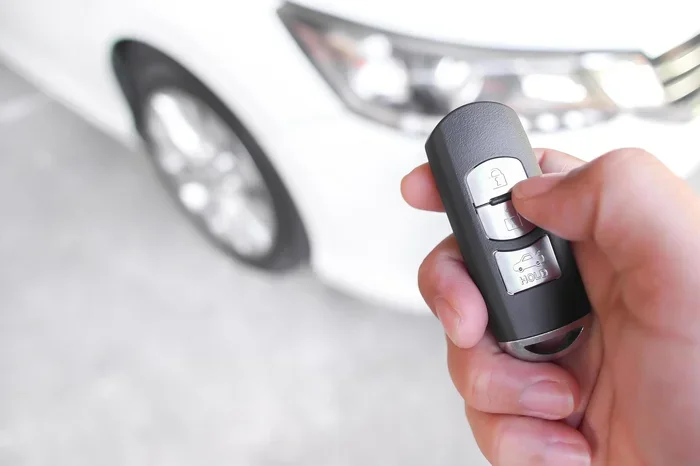
You walk up to your car on a busy morning. You press the button on your key fob. Nothing happens. You press it again. Still nothing. Your keyless car is not detecting the key fob, and now you are standing in the parking lot wondering what went wrong.
This happens to thousands of drivers every single day. The frustration is real. You are standing right next to your vehicle, and the car simply does not recognize that your electronic key is nearby. The good news is that most of the time, the fix is simple and cheap. In this article, we will walk you through every reason why your push button start system might reject your fob. We will also give you step-by-step solutions you can use right now.
Whether you drive a Toyota, Honda, Ford, BMW, or any other keyless go vehicle, this guide will help you understand what is happening under the hood. Let us dive in and get you back on the road.
Key Takeaways
- Dead key fob battery: The most common reason your car won’t detect the fob. A quick replacement often solves the problem instantly.
- Signal interference: Electronic devices, metal objects, and even your phone can block the signal between your fob and the car.
- Low car battery: A weak vehicle battery can disrupt the proximity sensor and prevent detection.
- Key fob damage: Drops, water exposure, and wear and tear can break the internal electronics of your remote start fob.
- Software glitches: Sometimes the onboard computer simply needs a reset to recognize your smart key again.
- Preventive maintenance: Regular battery replacement and proper fob storage can stop detection issues before they start.
📑 Table of Contents
How Keyless Car Detection Actually Works
Before we look at the problems, it helps to understand how the system works. Most modern vehicles use a smart key system. This system relies on a small radio transmitter inside your fob. When you walk near your car, the proximity sensor sends out a low-frequency signal. Your fob picks up that signal and responds with its own unique code.
The car’s onboard computer checks that code. If it matches, the doors unlock and the engine can start. This whole process happens in less than a second. It feels like magic, but it is really just smart radio communication.
Now here is the important part. If anything interrupts that communication, the car will not detect your fob. The keyless entry system is designed to be secure. It will not let you start the engine unless it is absolutely sure the fob is authentic and nearby. That is a great safety feature. But it also means that small problems can cause big headaches.
The Role of the Transponder Chip
Inside every modern fob is a tiny transponder key chip. This chip sends a unique identification number to your car. The vehicle’s computer stores that number in its memory. When the two match, the immobilizer system releases and the engine can turn over. Without this chip working correctly, your car will not start, even if the fob battery is fresh.
Think of it like a bouncer at a club. The transponder chip is your ID. If the bouncer cannot read your ID, you are not getting in. The same idea applies to your keyless ignition system.
Top Reasons Why Your Keyless Car Is Not Detecting the Key Fob
Now let us get to the heart of the matter. Why does this happen? There are several common reasons. Let us go through each one carefully so you can identify what is causing your issue.
Dead or Weak Key Fob Battery
This is the number one reason by a wide margin. The key fob battery typically lasts between two and four years. When it starts to die, the signal gets weaker. Eventually, the car cannot pick up the signal at all.
You might notice warning signs before the battery dies completely. The remote start range gets shorter. You have to stand closer to the car for it to unlock. The buttons feel less responsive. If you ignore these signs, eventually the fob will stop working entirely.
The good news is replacing the battery is easy and cheap. Most key fob replacement batteries cost less than five dollars. You can usually swap it out in under two minutes. Look for a CR2025 or CR2032 battery, depending on your fob model. Check your owner’s manual for the exact type.
Signal Interference from Electronic Devices
Did you know that other electronic devices can interfere with your keyless entry system? It is true. Your phone, laptop, tablet, or even a nearby power outlet can sometimes block the signal between your fob and your car.
This is especially common when your fob is in the same pocket or bag as your phone. Many smartphones emit signals on similar frequencies. This can create signal interference that confuses the car’s proximity sensor.
Metal objects can also block the signal. If your fob is sitting at the bottom of a metal bowl or tangled in keys and coins, the car might not pick it up. Try moving your fob to a different pocket or holding it closer to the start button. That simple change often fixes the problem right away.
Key Fob Damage or Wear
Key fobs take a beating. They get dropped, sat on, and exposed to moisture. Over time, the internal electronics can wear out or break. Even if the key fob battery is new, a damaged fob will not communicate properly with your car.
Water damage is a common culprit. If your fob has ever gone through the washing machine or fallen in a puddle, the internal circuits may be corroded. You might also notice that the fob feels loose or that the buttons stick. These are signs of physical damage that will eventually lead to detection failure.
If you suspect your fob is damaged, a key fob repair specialist can often fix it. In some cases, you may need a full key fob replacement. The cost varies, but most replacement fobs range from fifty to two hundred dollars depending on your vehicle brand.
Car Battery Is Low or Dead
Here is one that catches a lot of people off guard. If your car battery is low, the onboard computer may not have enough power to run the detection system. The car will not recognize your fob, even if the fob itself is working perfectly.
This often happens in cold weather. Low temperatures reduce battery performance. If your car has been sitting for a while or the battery is old, this could be the cause. You might also notice other electrical problems, like dim headlights or slow power window operation.
Check your car battery voltage with a multimeter. A healthy battery should read around 12.6 volts. If it is below 12.0 volts, it is time for a replacement or a jump start. Once the car battery is strong again, the keyless ignition system should work normally.
Software or System Glitches
Modern cars are essentially computers on wheels. And just like any computer, they can experience software glitches. Sometimes the onboard computer simply loses its connection to the fob for no obvious reason.
This can happen after a software update, a jump start, or even a power outage. The system might need a reset to re-establish the connection. In some cases, the car’s memory stores an old or corrupted fob code that conflicts with the current fob.
Do not panic if this happens. Most of the time, a simple reset solves the problem. We will cover how to do that in the next section.
Key Fob Not in the Correct Position
Some keyless go systems have a specific zone where the fob must be placed. If you are carrying the fob in a back pocket or in a bag in the trunk, the car might not detect it. The proximity sensor has a limited range, usually about three to six feet.
Try holding the fob directly next to the start button or steering column. Many cars have a designated backup zone specifically for this situation. Check your owner’s manual to find the exact location for your vehicle model.
Also, some fobs have a specific orientation that works best. The signal antenna inside the car might be located near the cup holder or the center console. Placing the fob in those areas can help the car pick it up faster.
Quick Fixes You Can Try Right Now
If your keyless car is not detecting the key fob, do not panic. There are several things you can try right now before calling for help. These quick fixes solve the problem in most cases.
- Replace the key fob battery. This is the first thing you should do. It takes two minutes and costs almost nothing. Use the correct battery type for your fob model.
- Move the fob closer to the start button. Hold it directly against the button or the steering column. This bypasses any weak signal issues.
- Remove electronic devices from the same pocket. Your phone or tablet might be causing interference. Move the fob to a separate pocket and try again.
- Reset the car’s onboard computer. Open the hood, disconnect the car battery for about 30 seconds, then reconnect it. This clears any temporary glitches.
- Check for physical damage to the fob. Look for cracks, water damage, or loose buttons. If the fob looks damaged, it may need professional repair.
- Try the backup mechanical key. Most keyless fobs have a hidden mechanical key blade. Use it to manually unlock the door. Then place the fob in the designated backup zone on the center console or steering column.
These steps cover about 90 percent of all car key not working situations. Try them in order, starting with the simplest fix. You will likely solve the problem without ever leaving your parking spot.
When to Call a Professional
Most detection problems are easy to fix at home. But sometimes, the issue is more serious and requires professional help. Knowing when to call for assistance can save you time and prevent further damage.
If you have replaced the battery, tried all the quick fixes, and your car still will not detect the fob, it is time to seek expert help. A qualified automotive locksmith can diagnose the problem with specialized tools. They can also program a new fob if your current one is beyond repair.
You should also call a professional if you notice any of the following signs:
- The dashboard displays a warning light about the smart key system.
- The fob works intermittently, even with a new battery installed.
- Multiple fobs for the same vehicle stop working at the same time.
- The car starts sometimes but not other times, with no clear pattern.
- You hear a clicking sound from the fob but the car does not respond.
These symptoms could indicate a deeper issue with the immobilizer system or the car’s antenna ring. A professional mechanic or locksmith has the diagnostic equipment to pinpoint the exact problem. Trying to fix these issues yourself could lead to costly mistakes.
Tips to Prevent Key Fob Detection Issues
The best way to deal with detection problems is to prevent them from happening in the first place. Here are some simple habits that keep your keyless entry system working smoothly.
Replace the Battery on a Schedule
Do not wait for the fob to stop working. Replace the battery every two to three years as a preventive measure. Set a reminder on your phone or mark it on your calendar. This small habit saves you from being stranded with a dead battery in your fob.
Store the Fob Properly
Keep your fob away from extreme heat and cold. Do not leave it on the dashboard in direct sunlight during summer. In winter, keep it in an inside pocket close to your body. Your body heat helps maintain the battery charge and keeps the electronics functioning properly.
Also, avoid placing the fob near strong magnets or large metal objects. These can interfere with the internal antenna and weaken the signal over time.
Keep the Fob Clean
Dirt and moisture can get inside the fob and corrode the circuit board. Wipe your fob regularly with a soft, dry cloth. If it gets wet, dry it thoroughly before using it again. A little maintenance goes a long way toward preventing key fob repair costs down the road.
Have a Spare Fob Ready
Always keep a backup fob in a safe place. If your primary fob fails, the spare gets you to a dealer or locksmith without any hassle. Some drivers keep a spare in their glove box. Others give one to a trusted family member. Either way, having a backup is a smart safety net.
Understanding Keyless Ignition Technology
Keyless ignition technology has come a long way since it was first introduced. Early systems were simple. They just needed the fob to be somewhere inside the cabin. Modern systems are much more sophisticated. They use multiple antennas placed around the vehicle to pinpoint the exact location of the fob.
Some luxury brands now offer remote start features that let you warm up or cool down your car from inside your home. The system detects your phone as the key and unlocks the car as you approach. This is the future of automotive access, and it is already here.
But with great technology comes greater complexity. The more sophisticated the system, the more things can go wrong. Understanding how your specific system works gives you an advantage when troubleshooting. Always refer to your vehicle’s owner manual for model-specific details about the keyless go system.
Manufacturers are also working on improvements. Some newer models use ultra-wideband technology for more precise fob detection. Others integrate smartphone apps that can serve as a digital key. These advances make keyless entry systems more reliable and convenient every year.
For now, the tips and fixes in this guide apply to virtually every vehicle with push button start technology. Whether you drive a compact sedan or a full-size SUV, the principles remain the same. Keep your fob maintained, know the common causes, and you will rarely have to deal with detection issues.
Remember, a car key not working situation is almost always temporary and fixable. Stay calm, work through the checklist, and you will be on your way in no time. The key to avoiding frustration is knowledge. Now you have that knowledge. Use it wisely and keep your smart key system running smoothly for years to come.
Conclusion
Dealing with a keyless car that is not detecting the key fob is frustrating, but it is almost always fixable. The most common causes are a dead fob battery, signal interference, or a simple system glitch. By following the quick fixes in this guide, you can solve the problem yourself in most cases.
Keep up with regular maintenance. Replace your fob battery every few years. Store your fob properly. And know when to call a professional if the problem persists. These habits will keep your push button start system working reliably for the life of your vehicle.
Now you have the knowledge and the tools to handle this common issue with confidence. The next time your car does not detect your fob, you will know exactly what to do. Stay calm, work through the steps, and get back on the road.
Frequently Asked Questions
Why does my keyless car not detect the key fob when the battery is new?
Signal interference is the most likely cause when the battery is fresh. Other electronic devices, metal objects, or even your phone can block the communication between the fob and the car. Try moving the fob closer to the start button and removing other electronics from the same pocket. If the problem continues, the fob’s internal antenna or transponder chip may be damaged.
How do I know if my key fob battery needs replacing?
Warning signs include a shorter remote start range, buttons that feel less responsive, and the need to stand closer to the car for it to unlock. Some vehicles also display a low battery warning on the dashboard. If you notice any of these signs, replace the battery right away. Most fobs use a CR2025 or CR2032 battery that is easy to swap out at home.
Can a dead car battery prevent the keyless start from working?
Yes, absolutely. If your car battery is low or dead, the onboard computer may not have enough power to run the detection system. The car will not recognize your fob even if the fob itself is working perfectly. Check your car battery voltage and replace or jump-start the battery if needed.
What should I do if my key fob gets wet?
Remove the battery from the fob immediately and dry both the fob and the battery thoroughly. Let the fob air dry for at least 24 hours before reassembling it. If the fob still does not work after drying, the internal circuits may be corroded. Take it to a professional for key fob repair or replacement.
Is it safe to drive if the car does not detect the key fob?
No, it is not recommended. If the car cannot detect the fob, the immobilizer system may prevent the engine from starting or could shut off while driving. Always resolve the detection issue before operating the vehicle. Use the backup mechanical key to access the car and follow the troubleshooting steps outlined in this guide.
How much does it cost to replace a keyless car key fob?
The cost varies depending on your vehicle brand and model. Most replacement fobs range from fifty to two hundred dollars. Luxury vehicles and newer models tend to cost more. Some dealerships can program a new fob for you, while independent automotive locksmiths often charge less for the same service. Always ask for a quote before proceeding with any replacement.