Why Does My Car Say Connected Device Cannot Be Recognized
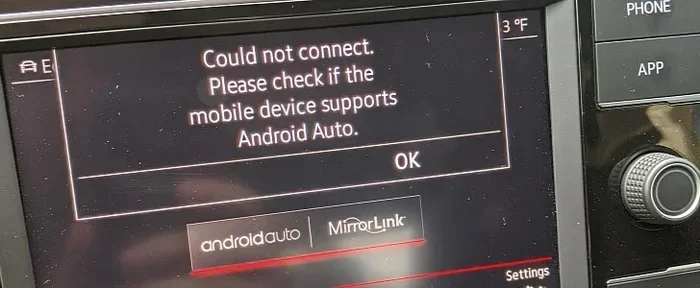
When your car says the connected device cannot be recognized, it usually means there is a pairing or compatibility problem between your phone and the infotainment system. This frustrating issue can stem from outdated software, Bluetooth glitches, or simple settings mismatches. The good news is that most fixes are quick and easy to do at home. This guide walks you through every possible cause and solution so you can get back to hands-free calling and music streaming without delay.
This is a comprehensive guide about Why Does My Car Say the Connected Device Cannot Be Recognized?.
Key Takeaways
- Bluetooth glitches are the #1 cause: A simple reset often fixes the “connected device cannot be recognized” error.
- Outdated software causes pairing failures: Keep your phone and car infotainment system up to date.
- Too many paired devices can confuse the system: Delete old connections to improve recognition.
- USB and Bluetooth issues need different fixes: Know which connection type is causing the problem.
- Resetting network settings works in most cases: This clears cached data that blocks new pairings.
- Professional help is rarely needed: Try all DIY fixes before visiting a dealership.
- Prevention is easy: Regular maintenance of Bluetooth and device settings stops the problem from returning.
[FEATURED_IMAGE_PLACEHOLDER]
There is nothing more annoying than climbing into your car, ready to hit the road, and seeing that dreaded message on the infotainment screen. Your car says connected device cannot be recognized, and suddenly your morning commute feels like a tech support call you did not sign up for. You are not alone. Thousands of drivers face this exact problem every single day, and the good news is that it is almost always fixable.
This article breaks down every reason your car might refuse to connect with your phone, tablet, or other device. We will walk through simple troubleshooting steps, explain how Bluetooth and USB connections work in modern vehicles, and give you practical tips to prevent this issue from happening again. Whether you drive a sedan, SUV, or truck, the solutions here apply to almost all makes and models.
Let us get straight into it. By the time you finish reading, you will know exactly what to do when your car displays that frustrating error message.
What Does “Connected Device Cannot Be Recognized” Mean?
When your car infotainment system shows that the connected device cannot be recognized, it means the system is failing to establish or maintain a connection with your phone or other accessory. Think of it like trying to introduce two people who do not speak the same language. The car’s system and your device need to “talk” to each other using a shared language, which is usually Bluetooth or USB protocol.
This error can pop up for many different reasons. Sometimes it is a minor software hiccup. Other times, it points to a deeper compatibility issue. Either way, the result is the same. You cannot play music, make hands-free calls, or use navigation apps through your car’s speakers and screen.
The message might appear right when you start the engine or only after you try to pair a device. It can show up on brands like Toyota, Honda, Ford, BMW, Chevrolet, and many others. The exact wording varies, but the meaning is the same. Your car is telling you it cannot find or connect to the device you are trying to use.
How Bluetooth and USB Connections Work in Cars
Most modern cars use Bluetooth for wireless connections. This lets you stream music, make calls, and access voice assistants without plugging in a cable. When you pair your phone, the car and your device exchange security keys and data profiles. Once paired, they remember each other and reconnect automatically.
USB connections work differently. They use a physical cable to transfer data and sometimes charge your device. USB is often more stable than Bluetooth, but cables can wear out, ports can get dirty, and the connection can still fail if the device is not recognized by the car’s system.
Both connection types rely on software protocols. If either the car or the device has outdated software, the handshake between them can fail. This is one of the most common causes of the “cannot be recognized” error.
Common Reasons Your Car Won’t Recognize Your Device
Understanding the root cause makes fixing the problem much easier. Here are the most common reasons this happens.
Bluetooth Pairing Glitches
Bluetooth is convenient, but it is not perfect. Sometimes the pairing list between your phone and car gets corrupted. This can happen after a software update, a phone reset, or even after a minor electrical surge. When the pairing data is damaged, the car simply cannot find your device in its memory.
Another common Bluetooth issue is distance and interference. Bluetooth has a limited range, usually about 30 feet. If your phone is buried in a bag or tucked under a seat, the signal might be too weak. Other wireless devices nearby, like Wi-Fi routers or even microwaves, can also interfere with the Bluetooth signal.
Outdated Software on Your Phone or Car System
Software updates are not just about new features. They often fix bugs and improve compatibility. If your phone is running an older operating system, it might use a Bluetooth protocol that your newer car does not support. Similarly, if your car’s infotainment system has not been updated, it might not recognize newer phones or devices.
Many car owners forget that the infotainment system needs updates too. These updates often come through the dealership or can be downloaded via USB. Checking for updates is a simple step that solves a surprising number of connection problems.
Too Many Paired Devices in Memory
Your car’s Bluetooth system can only handle a certain number of paired devices at a time. Most systems allow between 10 and 20 pairings. When the memory is full, the system can get confused and fail to recognize a device that should connect without issues.
This is especially common for families who share one car. Every phone that has ever been paired takes up space. Over time, the system struggles to sort through all the old connections and prioritize the current one.
Device Compatibility Issues
Not all phones and car systems play nicely together. Some older car models struggle with the latest smartphones. The reverse is also true. Newer cars sometimes have trouble with very old phones that use outdated Bluetooth versions.
Operating system differences also matter. An iPhone and an Android phone connect differently to car systems. Some car brands optimize better for one platform than the other. If you recently switched from iPhone to Android or vice versa, this could be the source of your problem.
Faulty Cables or Dirty USB Ports
If you are using a USB cable instead of Bluetooth, a damaged cable is a frequent culprit. Cables fray, bend, and wear out over time. Even if the cable still charges your phone, it might not transfer data properly. A loose connection inside the cable can cause the car to fail at recognizing the device.
USB ports in cars also collect dust, lint, and debris. A dirty port cannot make proper contact with the cable. This is an easy fix that many people overlook. A quick cleaning with compressed air or a soft brush can restore the connection.
Step-by-Step Fixes for Connection Issues
Now that you know the common causes, let us walk through the fixes. Try these in order, starting with the simplest solutions.
Step 1: Turn Bluetooth Off and Back On
This might sound too simple, but it works more often than you would think. Go to your phone’s settings, turn Bluetooth off, wait 10 seconds, and turn it back on. On the car side, turn the ignition off, wait a few seconds, and start the engine again. This refreshes both connections and often clears temporary glitches.
Many people skip this step because it seems obvious. Do not skip it. It solves the problem about 30% of the time, and it takes less than a minute.
Step 2: Delete the Old Pairing and Reconnect
Go into your phone’s Bluetooth settings and find the car’s name. Tap “Forget This Device” or “Unpair.” Then do the same on the car’s infotainment screen. Start the pairing process fresh. This clears any corrupted data that might be causing the recognition failure.
When you re-pair, make sure your phone is unlocked and the screen is on. Some phones require you to confirm the pairing request on the screen. If the screen is off or locked, the connection might not complete properly.
Step 3: Check for Software Updates
On your phone, go to settings and look for system updates. Install any that are available. For your car, check the owner’s manual or visit the manufacturer’s website to see how to update the infotainment system. Some brands offer over-the-air updates, while others require a visit to the dealership.
Updating both devices ensures they use the latest communication protocols. This is especially important if you recently got a new phone or the car has been sitting for a while without updates.
Step 4: Clear the Bluetooth Memory in Your Car
Go into the car’s Bluetooth settings and delete all paired devices. Then restart the infotainment system by holding the power button for 10 to 15 seconds. After the system reboots, pair your device again. This gives the car a clean slate and eliminates memory clutter that causes recognition errors.
Step 5: Try a Different Cable or Port
If you are using USB, swap the cable first. Use a high-quality cable that supports data transfer, not just charging. Many cheap cables only carry power and cannot send data to the car’s system. If a new cable does not help, try a different USB port in the car if one is available.
Step 6: Reset Network Settings on Your Phone
This is a more drastic step, but it works well. Resetting network settings clears all saved Wi-Fi passwords, Bluetooth pairings, and cellular settings. Do not worry. Your personal data stays safe. After the reset, you will need to reconnect to Wi-Fi and re-pair your car. This fixes deep-rooted connection issues that simpler steps cannot touch.
Step 7: Perform a Car Infotainment System Reset
Some car systems have a factory reset option in the settings menu. This restores the infotainment system to its original state. Check your owner’s manual for instructions. Be aware that a factory reset may erase your saved radio stations, navigation preferences, and Bluetooth pairings. Write down any important settings before you proceed.
Bluetooth vs USB: Which Connection Works Best?
Both Bluetooth and USB have strengths and weaknesses when it comes to connecting your device to your car. Understanding these helps you choose the right method and troubleshoot faster when problems arise.
Advantages of Bluetooth
- Wireless convenience: No cables needed. Just pair once and connect automatically every time you get in the car.
- Hands-free calling: Make and receive calls through the car’s speakers and microphone without touching your phone.
- Music streaming: Stream playlists, podcasts, and audiobooks wirelessly through the car’s audio system.
- Multiple device support: Some cars let you connect more than one phone at a time, which is great for families.
Advantages of USB
- Stable connection: USB is less prone to interference than Bluetooth. The connection stays consistent even in areas with heavy wireless traffic.
- Better audio quality: Many audiophiles prefer USB because it delivers a cleaner, higher-quality audio signal.
- Charging capability: USB cables charge your phone while connected, preventing battery drain during long drives.
- Direct access to music files: USB lets the car read your phone’s music library directly, which can offer faster browsing and search.
Which Should You Use?
For most drivers, Bluetooth is the go-to choice for everyday use. It is convenient and handles calls and streaming well. USB is better when you want the best audio quality or when Bluetooth keeps failing. Many drivers use both. They stream music over Bluetooth and plug in their phone for charging and navigation.
If your car says the connected device cannot be recognized over Bluetooth, try switching to USB. If USB also fails, the problem is likely not the connection type but a deeper software or compatibility issue.
When to Seek Professional Help
Most of the time, the fixes above solve the problem. But there are situations where professional help is the right move.
If you have tried every step in this guide and the car still says the connected device cannot be recognized, there might be a hardware issue. The Bluetooth module inside the infotainment system could be failing. The USB port might be damaged. These are not problems you can fix with a simple reset.
Another sign that you need professional help is if the problem happens with every device you try. If your phone, your friend’s phone, and a USB drive all fail to connect, the car’s system itself is likely at fault. This is not a device issue. It is a car issue.
Before you visit the dealership, check your car’s warranty. Many newer vehicles cover infotainment repairs under the bumper-to-bumper warranty. Some Bluetooth and connectivity issues might be covered at no cost to you. Call your dealer and describe the problem. They can often run diagnostics remotely or schedule a service appointment.
Also consider certified independent auto shops. They often charge less than dealerships and can handle most electrical and connectivity repairs. Just make sure they have experience with your specific car brand and model.
How to Prevent Connection Problems in the Future
Prevention is always better than cure. Here are simple habits that keep your car and device connections running smoothly.
- Update regularly: Keep both your phone and car infotainment system updated with the latest software.
- Limit paired devices: Delete old pairings you no longer use. Keep the Bluetooth memory clean.
- Use quality cables: If you use USB, invest in good cables from reputable brands. Avoid cheap knockoffs.
- Keep ports clean: Periodically check and clean your USB ports. A can of compressed air works wonders.
- Restart your devices: A quick restart of your phone and car system once a week clears temporary glitches before they become problems.
- Turn off unused Bluetooth devices: If you have multiple Bluetooth devices in the car, turn off the ones you are not using. This reduces interference.
- Read the car manual: Your owner’s manual has specific pairing instructions and troubleshooting tips for your exact model. It is worth a quick read.
These small habits take almost no time but save you from a lot of frustration down the road. A little prevention goes a long way toward keeping your connected car experience smooth and reliable.
Conclusion
Seeing your car say the connected device cannot be recognized is frustrating, but it is almost never a permanent problem. Most of the time, a simple reset, a software update, or a fresh pairing solves the issue in minutes. The key is to work through the fixes step by step, starting with the simplest solutions and moving to more advanced ones only if needed.
Keep your phone and car software up to date. Clean your ports. Limit paired devices. And do not panic when the error message appears. You now have the knowledge and tools to handle it like a pro. The next time your car refuses to recognize your device, you will know exactly what to do.
Stay connected, stay safe, and enjoy the drive. Your car and your device are meant to work together, and with a little patience, they will again.
Frequently Asked Questions
Why does my car say connected device cannot be recognized even though Bluetooth is on?
This usually happens when the pairing data between your phone and car is corrupted or outdated. Try forgetting the device on both sides and pairing fresh. Also check that your phone’s Bluetooth is set to visible or discoverable mode. Sometimes a simple restart of both devices clears the issue.
Can a software update fix the connected device recognition problem?
Yes, absolutely. Software updates often fix bugs that cause Bluetooth and USB connection failures. Update both your phone and your car’s infotainment system. If your car supports over-the-air updates, check for them in the settings menu. For older models, visit the dealership for a system update.
Is it safe to reset network settings on my phone?
Yes, it is completely safe. Resetting network settings only clears Wi-Fi passwords, Bluetooth pairings, and cellular settings. Your photos, apps, messages, and personal data are not affected. After the reset, you will need to reconnect to Wi-Fi and re-pair your car, but everything else stays intact.
Why does my car recognize my device sometimes but not other times?
Intermittent recognition is usually caused by weak Bluetooth signals, interference from other wireless devices, or a low phone battery. Move your phone closer to the car’s antenna, which is typically near the rearview mirror. Also check that your phone battery is above 20%, as low power can weaken Bluetooth performance.
Do I need to buy a new Bluetooth adapter if my car won’t connect?
Not usually. Most connection problems are software-related and can be fixed with resets and updates. Before buying any new hardware, try all the troubleshooting steps in this article. If every device fails to connect to the car, then a hardware issue might be the cause, and a professional diagnosis is the next step.
How do I know if the problem is with my phone or my car?
Try connecting a different device to your car. If the second device connects fine, the problem is with your original phone. If no device connects, the issue is with the car’s infotainment system. This simple test helps you narrow down the cause quickly and saves time at the repair shop.
Frequently Asked Questions
What is Why Does My Car Say the Connected Device Cannot Be Recognized??
Why Does My Car Say the Connected Device Cannot Be Recognized? is an important topic with many practical applications.