How Many Miles Do Jeep Wranglers Last in Real Life
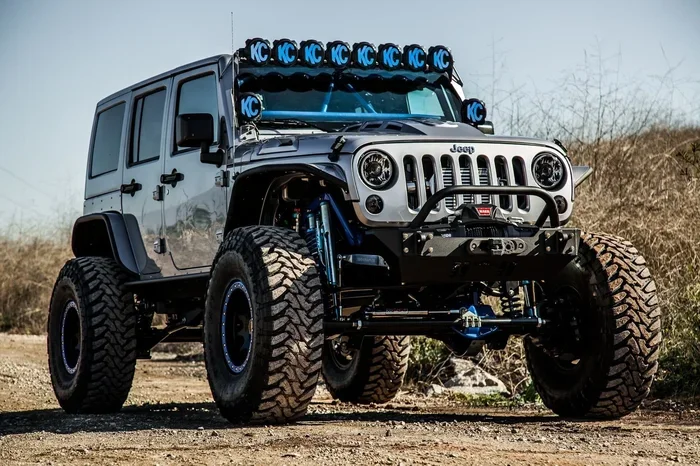
Jeep Wranglers can last between 200,000 and 400,000 miles with proper care. Most owners report solid performance well past the 200,000-mile mark. Regular Wrangler maintenance, smart driving habits, and timely repairs play a huge role in Jeep Wrangler lifespan.
So, how many miles do Jeep Wranglers last? This is one of the most common questions asked by both current Wrangler owners and people thinking about buying one. The answer is not a single number. It depends on several factors like maintenance habits, driving conditions, engine type, and how hard you use the vehicle.
In real life, most Jeep Wranglers can go between 200,000 and 400,000 miles before major issues take over. Some owners push their Wranglers even further. The key is understanding what keeps these trucks running strong and what causes them to wear out early. This guide breaks it all down for you in plain, simple terms.
We will cover everything from engine life and common problems to maintenance schedules and real owner stories. Whether you own a 2005 TJ or a brand-new 2024 JL, you will find useful information here. Let us dive into the world of Jeep Wrangler durability and find out what really happens as the clock ticks past 100,000 miles.
Key Takeaways
- Long Lifespan: A well-maintained Jeep Wrangler can easily reach 200,000 to 400,000 miles.
- Engine Matters: The 3.6L Pentastar and 2.0L turbo engines are known for strong 4×4 longevity.
- Maintenance Is Key: Staying on top of oil changes, rust prevention, and fluid replacements extends vehicle longevity significantly.
- Off-Road Wear Adds Up: Frequent off-roading can shorten a Wrangler’s lifespan if not managed properly.
- Used Wranglers Hold Value: Even high-mileage Jeep Wranglers retain strong resale value.
- Common Problems Exist: Knowing the typical Jeep Wrangler problems helps you avoid costly surprises.
- Generational Differences: Newer JK and JL models tend to outlast older YJ and TJ versions.
📑 Table of Contents
- Understanding Jeep Wrangler Lifespan
- Jeep Wrangler Generations and Their Longevity
- Engine Life and Performance Over Time
- Maintenance Tips for Maximum Wrangler Longevity
- Common Mistakes That Shorten a Wrangler’s Life
- High-Mileage Jeep Wranglers: What Owners Say
- Expert Insights on Wrangler Durability
- How to Maximize Your Jeep Wrangler’s Miles
- Conclusion
Understanding Jeep Wrangler Lifespan
Every vehicle has a lifespan. For the Jeep Wrangler, that lifespan can be impressive if you take care of it. But what does “lifespan” really mean? It is the total number of miles a vehicle can run before it becomes too expensive or too risky to keep driving.
The average Jeep Wrangler owner drives about 12,000 to 15,000 miles per year. At that rate, a Wrangler that lasts 200,000 miles gives you roughly 13 to 16 years of driving. That is a long time to enjoy open-air driving, off-road adventures, and the unique Jeep lifestyle.
What Affects Jeep Wrangler Mileage Expectancy?
Several things determine how many miles your Wrangler will last. Let us look at the biggest factors.
- Maintenance Schedule: Changing oil every 5,000 to 7,500 miles keeps the engine healthy. Skipping services leads to big problems later.
- Driving Style: Aggressive driving, redlining the engine, and hard braking wear out parts faster.
- Off-Road Use: Rock crawling and mudding put stress on the suspension, axles, and body. This affects off-road vehicle durability.
- Climate: Salt, sand, and rain speed up rust. Wranglers in coastal or northern states face more rust challenges.
- Engine and Transmission: Some engines are simply stronger and last longer than others.
- Modifications: Lifts, bigger tires, and engine swaps can help or hurt depending on how they are done.
Jeep Wrangler Generations and Their Longevity
Jeep has made several Wrangler generations over the years. Each one has its own strengths and weaknesses when it comes to vehicle longevity. Let us compare them.
YJ Wrangler (1987-1995)
The YJ was the first Wrangler after the CJ series. These trucks are now over 30 years old. Many YJs are still on the road, but they require more frequent repairs. Common issues include rust, outdated electrical systems, and weaker engines compared to newer models. A well-kept YJ can still reach 200,000 miles, but it takes work.
TJ Wrangler (1997-2006)
The TJ brought coil-spring suspension and a more refined ride. The 2.5L inline-four and 4.0L inline-six engines are legendary for reliability. The 4.0L engine is one of the most loved engines in Jeep history. Many TJ Wranglers hit 300,000 miles without a major engine rebuild. The 4.0L is a benchmark for Jeep engine life.
JK Wrangler (2007-2018)
The JK generation improved safety, comfort, and refinement. The 3.6L Pentastar V6 replaced the 4.0L and added more power. JK Wranglers are known for strong 4×4 longevity. Many owners report 250,000 to 350,000 miles with regular service. The JK also has more rust-resistant steel than earlier generations.
JL Wrangler (2018-Present)
The newest JL Wrangler comes with modern tech and improved engineering. The 3.6L Pentastar and the new 2.0L turbo four-cylinder both offer strong performance. Early data suggests the JL will match or exceed JK longevity. The JL also features better rust protection and improved sealing against water intrusion.
Comparison Table: Wrangler Generations at a Glance
| Generation | Years | Engine Options | Avg. Lifespan | Common Issues |
|---|---|---|---|---|
| YJ | 1987-1995 | 2.5L I4, 4.2L I6 | 150K-250K miles | Rust, electrical, weak engine |
| TJ | 1997-2006 | 2.5L I4, 4.0L I6 | 200K-350K miles | Rust, leaf spring wear |
| JK | 2007-2018 | 3.6L V6, 2.8L diesel | 200K-400K miles | Rust, electronic glitches |
| JL | 2018-Present | 3.6L V6, 2.0L turbo | 250K+ miles (est.) | Still early, data limited |
Engine Life and Performance Over Time
The engine is the heart of your Jeep Wrangler. Understanding how Jeep engine life works helps you plan for the long haul.
The 4.0L Inline-Six (TJ and Early JK)
The 4.0L AMC engine is a tank. It was used in Jeeps for decades and earned a reputation for lasting well beyond 300,000 miles. This engine has a simple design with fewer electronic parts, which means fewer things to break. If you find a used Wrangler with a 4.0L, it is often a smart buy for high mileage Jeep ownership.
The 3.6L Pentastar V6 (JK and JL)
The 3.6L Pentastar replaced the 4.0L and brought more power and better fuel economy. It is a modern engine with aluminum blocks and direct injection. Most owners report the 3.6L lasting 250,000 to 350,000 miles with proper care. The biggest enemy of the Pentastar is neglected oil changes. Stick to a regular oil schedule, and this engine will serve you well for years.
The 2.0L Turbo Four-Cylinder (JL)
The 2.0L turbo engine is newer, and long-term data is still coming in. Early reports suggest it can reach 200,000 to 300,000 miles. However, turbocharged engines need more attention than naturally aspirated ones. Oil changes, coolant flushes, and turbo checks are essential for mileage expectancy on this engine.
Transmission Longevity
Both the manual and automatic transmissions in the Wrangler are built to handle tough conditions. The NSG370 manual transmission in JK and JL models is simple and durable. The ZF 8HP automatic is more complex but also very strong. Transmission failures are rare in Wranglers unless the vehicle is pushed hard without proper fluid changes.
Maintenance Tips for Maximum Wrangler Longevity
Want your Jeep Wrangler to hit 300,000 miles or more? Then you need a solid maintenance routine. Here is what works.
Follow the Service Schedule
Jeep recommends oil changes every 5,000 to 7,500 miles for most models. Use full synthetic oil for the best protection. Change the oil filter every other oil change. Check your owner’s manual for the exact schedule for your model year.
Prevent Rust Aggressively
Rust is the number one enemy of Jeep Wranglers. The Wrangler’s boxy design traps moisture in seams and crevices. Here is how to fight back:
- Wash the undercarriage regularly, especially in winter.
- Apply rust-proofing spray to the frame and body panels.
- Check the wheel wells, rocker panels, and door hinges for rust early.
- Use a rust converter on any small spots you find.
- Store the Wrangler in a garage when possible.
Keep Fluids Fresh
Transmission fluid, brake fluid, coolant, and differential fluid all have service intervals. Ignoring these leads to premature wear. Flush the transmission every 60,000 miles. Replace brake fluid every two years. Check coolant levels monthly during the summer.
Inspect Suspension and Steering Components
Wranglers go off-road, and that takes a toll on suspension parts. Check ball joints, tie rod ends, control arm bushings, and track bar bushings regularly. Replacing worn parts early prevents expensive damage to other components.
Address Small Problems Immediately
A small leak, a strange noise, or a warning light should never be ignored. Small issues become big problems fast on a Wrangler. Fixing a $50 part today can save you a $2,000 repair next year.
Quick Tips for Wrangler Owners
- Keep a maintenance log in your glove box or on your phone.
- Use OEM or quality aftermarket parts for repairs.
- Do a pre-trip inspection before every off-road adventure.
- Check tire pressure before every drive.
- Wash your Wrangler within 48 hours after off-roading.
Common Mistakes That Shorten a Wrangler’s Life
Some habits hurt your Wrangler more than you think. Avoid these common mistakes to protect your Jeep Wrangler lifespan.
Skipping Oil Changes
Dirty oil causes engine wear. Over time, sludge builds up and clogs passages. This leads to reduced power, poor fuel economy, and eventually engine failure. Never skip an oil change.
Ignoring Rust
Rust does not just look bad. It weakens the frame and body panels. A rusted frame can become unsafe. Many Wranglers are totaled not because of engine failure but because of rust damage.
Overloading the Vehicle
Wranglers are not heavy-duty trucks. Overloading them with too much cargo or towing beyond capacity strains the engine, transmission, and suspension. Check your owner’s manual for weight limits.
Using Cheap Parts
Budget parts might save money upfront but fail faster. Cheap brake pads, filters, and suspension components lead to more frequent repairs and lower overall vehicle longevity.
Neglecting Off-Road Cleaning
Mud, sand, and salt sit on the Wrangler and cause corrosion. Road salt in winter is especially damaging. A quick rinse after every off-road trip makes a huge difference.
High-Mileage Jeep Wranglers: What Owners Say
Real-world owner experiences give us the best picture of how many miles Jeep Wranglers last in practice.
Many Wrangler forums are filled with stories of owners hitting 300,000 miles or more. One common theme is that these owners stayed on top of maintenance. They did not wait for things to break. They changed fluids, replaced worn parts, and addressed issues early.
Another trend is that Wranglers with fewer off-road miles tend to last longer in terms of the body and suspension. However, Wranglers that are driven regularly and maintained well also perform exceptionally at high mileage.
Used Jeep Wrangler buyers often look for vehicles between 80,000 and 150,000 miles. These are often the sweet spots where the truck has been broken in but still has many miles left. A well-documented service history is the most valuable thing to look for in a high-mileage Wrangler.
Resale value is another advantage. Even Wranglers with 200,000 miles hold their value well because of the strong demand for these vehicles. This makes the Jeep Wrangler value proposition excellent for long-term ownership.
Expert Insights on Wrangler Durability
Automotive experts agree that the Jeep Wrangler is one of the most durable SUVs on the road today. According to repair data from sources like RepairPal and Consumer Reports, the Wrangler has below-average annual repair costs and above-average reliability ratings.
Engineers at Jeep designed the Wrangler to be simple and serviceable. Fewer electronic modules mean fewer things to fail. The solid axle design at both ends is proven in racing and off-road competitions worldwide. This mechanical simplicity is a key reason why Jeep Wrangler lifespan is so strong.
Experts also point out that the Wrangler’s body-on-frame construction is more durable than unibody vehicles. The frame can handle decades of use if rust is managed properly. This is why many older Wranglers are still roadworthy while other vehicles of the same age have been scrapped.
How to Maximize Your Jeep Wrangler’s Miles
Here is a simple action plan to help your Wrangler reach and exceed 300,000 miles.
- Stick to the service schedule. Do not skip oil changes or fluid flushes.
- Wash the undercarriage monthly. This is the single best rust prevention step.
- Use quality parts. OEM parts or trusted aftermarket brands like Mopar, Rubicon Express, and Skyjacker.
- Drive gently when the engine is cold. Let the oil warm up before pushing hard.
- Monitor all fluid levels weekly. Check oil, coolant, transmission fluid, and brake fluid.
- Keep records of every repair. A full service history builds trust and value.
- Address rust immediately. A small spot today becomes a big hole tomorrow.
Conclusion
So, how many miles do Jeep Wranglers last? The answer is clear: a well-maintained Jeep Wrangler can go 200,000 to 400,000 miles or more. The key factors are regular Wrangler maintenance, smart driving habits, rust prevention, and using quality parts.
Each Wrangler generation brings improvements in durability and reliability. Whether you own a vintage YJ or a brand-new JL, the principles of long life remain the same. Take care of your truck, and it will take care of you for decades.
The Jeep Wrangler is more than a vehicle. It is a lifestyle. And with the right care, that lifestyle can last a very long time. Start following these tips today, and your Wrangler will keep rolling strong for miles to come.
Frequently Asked Questions
What is the average lifespan of a Jeep Wrangler in miles?
Most Jeep Wranglers last between 200,000 and 400,000 miles with proper maintenance. Some well-kept models go even further. Regular oil changes, rust prevention, and timely repairs are the biggest factors that determine Jeep Wrangler lifespan.
Can a Jeep Wrangler reach 300,000 miles?
Yes, many Jeep Wranglers reach 300,000 miles without major issues. The 4.0L inline-six and 3.6L Pentastar V6 engines are particularly known for this. Owners who follow the service schedule and prevent rust see the best results for mileage expectancy.
What mileage is considered high for a Jeep Wrangler?
Any Wrangler with over 200,000 miles is considered high mileage. However, due to the Wrangler’s strong build quality, high-mileage models can still have many years of reliable service left. Always check the service history before buying a used Jeep Wrangler at any mileage.
Do newer Jeep Wranglers last longer than older ones?
Generally, yes. Newer JK and JL models have better rust protection, improved seals, and more refined engineering. They tend to outlast older YJ and TJ models when given similar care. However, older models with the legendary 4.0L engine can also reach incredible mileages.
How does off-roading affect a Jeep Wrangler’s longevity?
Off-roading puts extra stress on suspension, axles, and the body. It can shorten vehicle longevity if the Wrangler is not cleaned and maintained afterward. Washing the undercarriage after every off-road trip and inspecting for damage helps maintain 4×4 longevity.
Is it worth buying a high-mileage Jeep Wrangler?
Yes, a high-mileage Wrangler can still be a great buy if it has been well maintained. These trucks hold their value well and often have many miles left in them. Look for documented service records and have a mechanic inspect the vehicle before purchasing to ensure good Jeep Wrangler value.