Harley-Davidson Spark Plug Chart: The Complete Guide
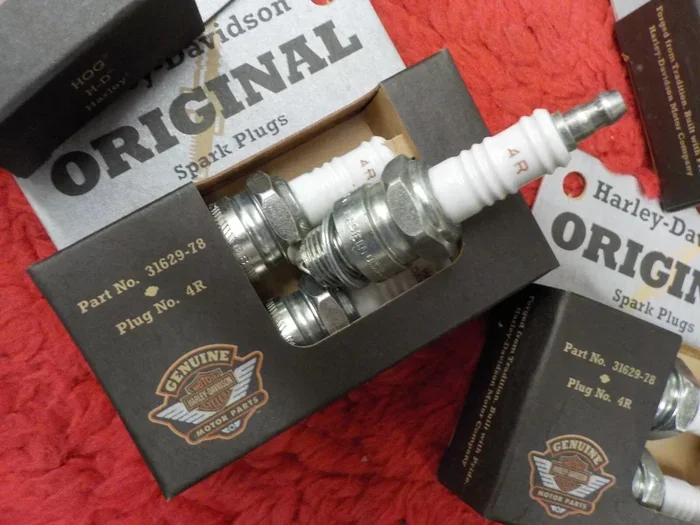
Our Harley-Davidson Spark Plug Chart gives you everything you need to pick the perfect plug for your bike. Whether you ride a Sportster, Softail, or Road King, this guide covers model-specific recommendations, gap settings, and heat ranges. You will learn how to read the chart, avoid common mistakes, and keep your engine running strong.
Every Harley-Davidson owner knows the thrill of a well-tuned V-twin engine. But here is a secret many riders overlook. The spark plug sitting at the heart of that engine has a massive impact on how your bike performs. A wrong plug can cause misfires, poor fuel economy, and even engine damage. That is why having a Harley-Davidson Spark Plug Chart is so important. This guide breaks down everything you need to know. You will learn which plugs fit which models, how to read gap settings, and how to keep your engine firing on all cylinders.
Whether you are a seasoned mechanic or a first-time Harley owner, this guide is for you. We will walk through the Harley-Davidson Spark Plug Chart step by step. You will find model-specific recommendations, brand comparisons, and practical tips. By the end, you will feel confident choosing the right spark plug every single time. Let us get into it.
Key Takeaways
- Correct plug selection matters: Using the right spark plug improves engine performance, fuel economy, and reliability on every ride.
- Model-specific charts are essential: Different Harley-Davidson models need different plugs, gaps, and heat ranges.
- Heat range and gap settings are critical: Getting these wrong can cause misfires, overheating, or poor combustion.
- NGK and Champion are top brands: Both offer excellent OEM and aftermarket options for Harley engines.
- Regular replacement prevents problems: Changing plugs on schedule keeps your V-twin running smooth and avoids costly repairs.
- Watch for warning signs: Fouled plugs, rough idling, and hard starting often point to spark plug issues.
📑 Table of Contents
- Understanding Spark Plugs for Harley-Davidson Engines
- Harley-Davidson Spark Plug Chart by Model
- How to Read and Use the Spark Plug Chart
- Best Spark Plugs for Harley-Davidson Motorcycles
- Spark Plug Maintenance and Replacement Tips
- Common Spark Plug Problems and How to Fix Them
- Expert Insights and Common Mistakes
- Conclusion
Understanding Spark Plugs for Harley-Davidson Engines
Before we dive into the chart, let us talk about what spark plugs actually do. A spark plug creates a tiny electrical arc inside your engine’s combustion chamber. This spark ignites the air-fuel mixture. That explosion is what powers your Harley down the road. Simple enough, right? But not all spark plugs are the same.
How Spark Plugs Work
When your ignition system sends voltage to the plug, it jumps across a small gap between two electrodes. This creates the spark. The timing and strength of that spark directly affect engine performance. A weak spark means incomplete combustion. A strong, well-timed spark means smooth power and good fuel economy.
Harley-Davidson motorcycles use a V-twin engine configuration. This means two cylinders firing at different times. Each cylinder needs its own spark plug working perfectly. That is why matching the right plug to your specific engine matters so much.
Key Spark Plug Specifications
When you look at a spark plug, you will see numbers and letters printed on the side. These codes tell you important details. Here are the key specs to understand:
- Heat Range: This measures how well the plug dissipates heat. A lower number means a hotter plug. A higher number means a cooler plug.
- Thread Size: Harley-Davidson engines typically use 18mm or 14mm thread size depending on the model.
- Seat Type: Most Harleys use a flat seat or a tapered seat design.
- Reach: This is how deep the plug threads into the combustion chamber.
- Electrode Material: Plugs come in copper, platinum, iridium, and double platinum options.
Getting any of these wrong can cause serious engine problems. That is exactly why a Harley-Davidson Spark Plug Chart is your best friend.
Harley-Davidson Spark Plug Chart by Model
The Harley-Davidson Spark Plug Chart breaks down plug recommendations by motorcycle model. Harley has produced many different models over the years, and each one has specific plug requirements. Let us go through the most popular models and their correct spark plug specifications.
Sportster Models
The Sportster line includes the Iron 883, Forty-Eight, and Roadster models. These bikes use smaller displacement engines but still demand the right plug. Most Sportsters from 1986 onward use NGK plugs or Champion equivalents. The typical plug for Sportster engines is the NGK DPR7EA-9 or Champion RG4HC. The gap setting is usually 0.020 to 0.025 inches.
These bikes are known for their classic look and rumble. But the engine runs hot, especially in older models. That is why the heat range matters so much here. Stick with the manufacturer’s recommendation and you will be fine.
Softail Models
Softail models like the Fat Boy, Heritage Classic, and Low Rider use larger Milwaukee-Eight or Twin Cam engines. These engines need different plugs than the Sportsters. For Twin Cam Softails, the NGK DPR7EIA-9 is a common choice. For Milwaukee-Eight Softails, you will often see the NGK DPR7EIX-9 or DPR8EIX-9.
The iridium version of these plugs offers better longevity and a more consistent spark. If you ride hard or carry a passenger often, iridium plugs are a great upgrade.
Touring Models
Touring bikes like the Road King, Street Glide, and Road Glide run Milwaukee-Eight 107 or 114 cubic inch engines. These big engines need plugs that can handle sustained high RPM and heat. The recommended plugs include the NGK DPR8EIX-9 and NGK DPR7EIX-9. Champion also makes equivalents like the Champion RG4HC and RG4HCC.
Touring riders often clock long highway miles. That means your plugs work harder for longer periods. Using the right plug from the Harley-Davidson Spark Plug Chart ensures reliable performance mile after mile.
Dyna Models
The Dyna lineup includes the Super Glide, Low Rider, and Switchback. These models use Twin Cam engines and share many plug specifications with the Softail family. The NGK DPR7EIA-9 and DPR8EIX-9 are common picks. The gap for most Dyna models sits around 0.020 to 0.025 inches.
Dyna riders love the custom look and raw torque. Keeping your plugs fresh helps deliver that punchy acceleration the Dyna is known for.
Street Models
The newer Street series, like the Street 750 and Street 500, use different engine platforms than the classic Harleys. These models often use NGK plugs with a different thread size and reach. Always check your owner’s manual for the exact specification. The Harley-Davidson Spark Plug Chart will have the correct part number listed for these models as well.
How to Read and Use the Spark Plug Chart
Now that you know which models need which plugs, let us talk about how to actually use the chart. A spark plug chart can look confusing at first glance. All those numbers and letters can feel overwhelming. But once you understand the code, it becomes second nature.
Breaking Down the Plug Code
Let us take the NGK DPR7EIX-9 as an example. Each letter and number means something specific:
- D: This indicates the thread diameter. In this case, it is 18mm.
- P: This stands for a projected nose plug design.
- R: This means the plug has a resistor built in.
- 7: This is the heat range. Higher numbers mean cooler plugs.
- E: This tells you the reach or thread length.
- I: This indicates an iridium center electrode.
- X: This means a fine wire electrode design.
- 9: This is the suffix that identifies the specific application.
Once you understand this code, reading the Harley-Davidson Spark Plug Chart becomes much easier. You can quickly match your engine to the right plug.
Using the Chart Step by Step
Here is a simple process to follow when using the chart:
- Find your Harley-Davidson model year and engine type.
- Locate the corresponding row in the spark plug chart.
- Note the recommended plug part number.
- Check the recommended gap setting.
- Verify the heat range is correct for your riding conditions.
- Cross-reference with aftermarket options if desired.
This process takes just a few minutes. But it can save you from buying the wrong plug and dealing with engine problems later.
Best Spark Plugs for Harley-Davidson Motorcycles
Not all spark plugs are created equal. Some are designed for stock engines, while others are built for performance upgrades. Let us compare the top brands and options available for Harley-Davidson riders.
NGK vs Champion: Head-to-Head
NGK and Champion are the two biggest names in spark plugs. Both are trusted by Harley-Davidson as OEM suppliers. But they each have their strengths.
- NGK Plugs: Known for excellent durability and consistent spark performance. NGK iridium plugs last longer and require less maintenance.
- Champion Plugs: Offer great value and are widely available. Champion plugs work well for stock engines and standard riding conditions.
Both brands appear in the Harley-Davidson Spark Plug Chart as OEM-approved options. Your choice often comes down to personal preference and budget.
Copper vs Iridium vs Platinum
The electrode material makes a big difference in plug performance and lifespan. Here is a quick comparison:
- Copper Core: Great conductivity and affordable. But they wear out faster and need more frequent replacement.
- Iridium: Extremely durable and long-lasting. Iridium plugs can last up to 100,000 miles in some cases.
- Platinum: A good middle ground between copper and iridium. Offers solid performance and decent longevity.
For most Harley riders, iridium plugs are the best choice. They handle the heat of V-twin engines well and provide a reliable spark over a long lifespan.
Performance Upgrades
If you have modified your Harley with performance upgrades like a bigger carburetor, aftermarket exhaust, or a tune, you might benefit from a colder heat range plug. A colder plug runs cooler and resists pre-ignition better. Always consult the Harley-Davidson Spark Plug Chart before switching to a different heat range. Going too cold or too hot can cause engine damage.
Spark Plug Maintenance and Replacement Tips
Installing the right plug is only half the battle. Proper maintenance keeps your spark plugs working at their best for years. Here are some practical tips every Harley owner should follow.
When to Replace Your Spark Plugs
Most Harley-Davidson manufacturers recommend replacing spark plugs every 15,000 to 25,000 miles. But this can vary based on your riding style and conditions. If you ride in dusty or wet conditions, you may need to replace plugs more often. A good rule of thumb is to inspect your plugs every 5,000 miles.
Signs that your plugs need replacing include:
- Rough or uneven idle
- Difficulty starting the engine
- Reduced fuel economy
- Engine misfires under acceleration
- Visible fouling or carbon buildup on the electrodes
If you notice any of these symptoms, pull the plugs and inspect them. The Harley-Davidson Spark Plug Chart can help you confirm you are using the correct plug in the first place.
How to Gap Your Spark Plugs
The gap is the tiny space between the center electrode and the side electrode. This gap must be set precisely for the plug to fire correctly. Too wide and the spark may not jump the gap. Too narrow and the spark may be too weak to ignite the fuel mixture properly.
Here is how to gap your plugs the right way:
- Get a feeler gauge set. These are thin metal strips of varying thicknesses.
- Slide the correct thickness gauge into the gap.
- Adjust the side electrode gently until it matches the specified gap.
- Never bend the center electrode. It is fragile and can break easily.
- Double-check the gap after adjusting.
The correct gap for most Harley models is between 0.020 and 0.025 inches. Always refer to your owner’s manual or the Harley-Davidson Spark Plug Chart for the exact specification.
Torque Specs for Spark Plugs
Over-tightening spark plugs can strip the threads in your engine head. Under-tightening can cause the plug to loosen and back out. The recommended torque for most Harley spark plugs is between 12 and 15 foot-pounds. Use a torque wrench to get this right every time.
Pro tip: Always apply a small amount of anti-seize compound to the threads. This makes future plug changes easier and prevents seizing. But be careful not to get anti-seize on the electrode or insulator. That can cause misfires.
Common Spark Plug Problems and How to Fix Them
Even with the right plug from the Harley-Davidson Spark Plug Chart, problems can still happen. Understanding these common issues helps you diagnose and fix them quickly.
Engine Misfires
A misfire happens when one or more cylinders fail to fire properly. This often feels like a stumbling or jerking sensation during acceleration. Worn or fouled spark plugs are the most common cause. Check your plugs for carbon buildup, oil deposits, or cracked porcelain. Replacing the plugs usually solves the problem.
Rough Idle
If your Harley idles rough or surges at a stoplight, the plugs might be the culprit. A loose plug, incorrect gap, or worn electrode can all cause idle problems. Inspect each plug carefully and replace any that look damaged or worn.
Hard Starting
Hard starting is frustrating, especially on cold mornings. Old or fouled plugs may not produce a strong enough spark to ignite the fuel. If your bike is hard to start, the Harley-Davidson Spark Plug Chart can help you confirm you have the right plug. Then replace them if needed.
Plug Fouling
Fouling happens when deposits build up on the electrodes. This can be caused by running too rich, oil leaks, or long intervals between replacements. A fouled plug produces a weak or inconsistent spark. Cleaning or replacing the plug usually fixes this issue.
Pre-Ignition and Detonation
Using a plug with the wrong heat range can cause pre-ignition or detonation. These are serious conditions where the fuel ignites prematurely or unevenly. This can damage pistons and valves over time. Always match your plug to the specifications in the Harley-Davidson Spark Plug Chart for your specific model.
Quick tip: If you are unsure about which plug to use, stick with the OEM recommendation. The factory engineers already did the testing to find the perfect plug for your engine.
Expert Insights and Common Mistakes
Let us wrap up with some expert advice and common mistakes to avoid. These tips come from years of experience working on Harley-Davidson engines.
Common Mistakes When Choosing Spark Plugs
- Buying plugs based on price alone: The cheapest plug is not always the best plug. Quality matters more than cost when it comes to ignition components.
- Guessing the gap setting: Never guess the gap. Always measure it with a feeler gauge and set it to the factory specification.
- Mixing plug brands or types: Use the same plug type and brand in all cylinders. Mixing different plugs can cause uneven engine performance.
- Ignoring the torque spec: Over-tightening or under-tightening both cause problems. Always use a torque wrench.
- Skipping regular inspections: Even if your bike seems to run fine, inspect your plugs regularly. Catching problems early saves money and prevents bigger issues.
Expert Tip for Longevity
One thing experienced mechanics swear by is applying dielectric grease inside the spark plug boot. This creates a better electrical connection and prevents moisture from causing corrosion. It is a small step that makes a big difference in plug longevity and engine reliability.
Another pro tip is to keep a spare set of plugs in your saddlebag. If a plug fails on the road, having a replacement on hand can save your trip and keep you safe.
Conclusion
The Harley-Davidson Spark Plug Chart is one of the most valuable tools any Harley owner can have. It takes the guesswork out of plug selection and helps you keep your engine running at its best. From Sportsters to touring bikes, every model has specific plug requirements that this chart addresses clearly.
Remember to check your gap, use the correct torque, and replace your plugs on schedule. These simple habits go a long way toward keeping your V-twin humming smoothly. Whether you choose NGK, Champion, or another trusted brand, always follow the specifications in the chart.
Take a few minutes today to look up your model in the Harley-Davidson Spark Plug Chart. You will thank yourself the next time your engine fires up perfectly on the open road. Happy riding, and keep those plugs fresh.
Frequently Asked Questions
What spark plug does a Harley-Davidson Sportster use?
Most Harley-Davidson Sportsters use the NGK DPR7EA-9 or Champion RG4HC. The recommended gap is typically 0.020 to 0.025 inches. Always double-check with the Harley-Davidson Spark Plug Chart for your specific model year to be sure.
How often should I replace my Harley spark plugs?
Harley-Davidson recommends replacing spark plugs every 15,000 to 25,000 miles. However, if you ride in harsh conditions like dust or rain, you may need to replace them sooner. Regular inspections every 5,000 miles help catch problems early.
Can I use iridium spark plugs on my Harley-Davidson?
Yes, iridium spark plugs are an excellent choice for Harley-Davidson engines. They offer superior durability, better spark consistency, and longer lifespan compared to copper plugs. Just make sure the iridium plug matches the correct heat range and gap from the Harley-Davidson Spark Plug Chart.
What happens if the spark plug gap is wrong?
An incorrect gap can cause weak sparks, misfires, poor fuel economy, and rough idling. Too wide a gap means the spark may not jump across. Too narrow means the spark may not be strong enough to ignite the fuel properly. Always set the gap to the factory specification.
Are NGK and Champion spark plugs interchangeable on Harleys?
Yes, both NGK and Champion are OEM-approved suppliers for Harley-Davidson. They make equivalent plugs with matching specifications. If you prefer one brand over the other, you can cross-reference using the Harley-Davidson Spark Plug Chart to find the correct replacement.
Do I need anti-seize compound when installing spark plugs?
Applying a small amount of anti-seize to the threads is a good practice. It prevents seizing and makes future plug changes easier. Just be careful not to get it on the electrode or insulator, as this can cause misfires. Use it sparingly on the threads only.