Does Clear Window Tint Protect Against Harmful UV Rays
Yes, clear window tint does protect against harmful UV rays. This nearly invisible film blocks up to 99% of UV radiation without darkening your windows or reducing visibility. Whether you drive daily or park outdoors, clear window tint offers a simple way to shield your skin and your car’s interior from sun damage.
Have you ever wondered whether your car windows actually protect you from the sun? Most people assume that their vehicle’s glass blocks all harmful radiation. The truth is, standard car windows let a surprising amount of ultraviolet light pass through. This is where clear window tint comes into play. In this article, we will explore everything you need to know about how clear window tint works, whether it truly blocks UV rays, and why it might be the smartest upgrade you make for your vehicle this year.
You do not need dark, tinted windows to stay protected from the sun. Clear window tint offers a nearly invisible solution that keeps you safe without changing the look of your car. Whether you are a daily commuter or someone who spends hours on the road, understanding UV protection through car windows can make a real difference for your health and your vehicle’s longevity.
Key Takeaways
- UV Protection: Clear window tint blocks up to 99% of harmful UVA and UVB rays.
- Invisible Shield: Unlike darker tints, clear window tint maintains full visibility and legal compliance.
- Health Benefits: Reduces skin aging and lowers the risk of skin cancer from prolonged sun exposure while driving.
- Interior Preservation: Prevents fading and cracking of your car’s upholstery, dashboard, and trim.
- Easy Installation: Most clear window tint films are DIY-friendly and apply in minutes.
- Cost-Effective: Clear window tint is affordable and offers long-term protection without recurring costs.
📑 Table of Contents
- What Is Clear Window Tint and How Does It Work?
- How Clear Window Tint Protects Against UV Rays
- The Hidden Dangers of UV Exposure Through Car Windows
- Clear Window Tint vs. Darker Tint Options
- Benefits Beyond UV Protection
- How to Choose the Right Clear Window Tint for Your Vehicle
- Common Myths About Clear Window Tint and UV Protection
- Frequently Asked Questions
- Conclusion
What Is Clear Window Tint and How Does It Work?
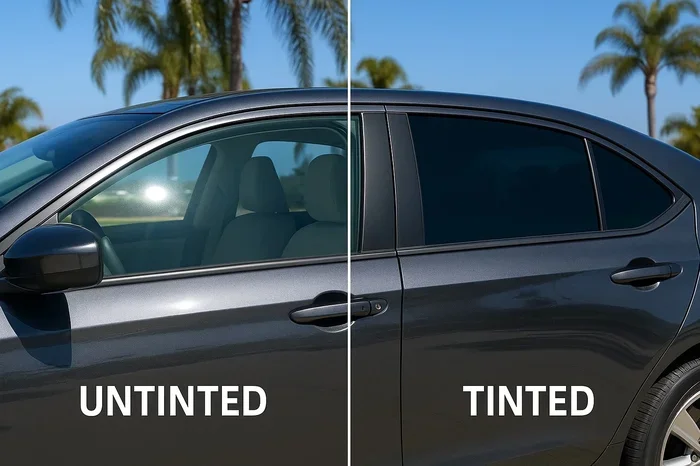
Clear window tint is a thin, transparent film applied directly to your car’s glass. Unlike traditional tinted films that darken your windows, clear window tint is designed to be virtually invisible. You can apply it to your windshield, side windows, or rear glass without changing the appearance of your vehicle. The film works by using advanced UV-blocking technology embedded within its layers.
Most clear window tint films are made from polyester or nano-ceramic materials. These materials are engineered to absorb or reflect ultraviolet radiation before it enters your car. The film contains microscopic particles that target UV wavelengths specifically. This means visible light passes through normally, but harmful rays are filtered out. The result is a window that looks completely clear yet offers serious protection.
How Is Clear Window Tint Different from Regular Window Glass?
Standard automotive glass provides limited protection against ultraviolet rays. Your windshield usually blocks most UVB rays because it is laminated. However, your side and rear windows are typically made of tempered glass, which allows significant UVA radiation to pass through. Studies show that side windows can let in 50% to 75% of UVA rays. Clear window tint closes this gap by adding an extra layer of defense to every window in your car.
The Science Behind UV Rejection in Clear Window Tint
The effectiveness of clear window tint comes down to its ultraviolet rejection rate. High-quality films can block 99% or more of both UVA and UVB rays. This is measured in a lab using spectrophotometers that analyze how much light passes through the film at different wavelengths. The higher the UV rejection rate, the better the protection. When shopping for clear window tint, always look for products that specify their UV rejection percentage. A film that blocks at least 99% of UV rays is considered excellent.
| Window Type | UV Blockage (No Tint) | UV Blockage (With Clear Window Tint) |
|---|---|---|
| Windshield | Approximately 96% | 99%+ |
| Front Side Windows | 50% – 75% | 99%+ |
| Rear Side Windows | 50% – 75% | 99%+ |
| Rear Window | 50% – 75% | 99%+ |
As you can see from the table above, clear window tint dramatically improves UV protection across all windows. The biggest gains come from your side and rear windows, which are the most vulnerable to sun exposure.
How Clear Window Tint Protects Against UV Rays
Clear window tint protects your skin and your car in two primary ways: absorption and reflection. The film’s outer layer reflects a portion of UV radiation away from the glass. The inner layer absorbs any remaining rays that get through. Together, these layers create a powerful shield that works silently every time you drive.
What makes clear window tint especially effective is that it targets both UVA and UVB rays. UVB rays are the primary cause of sunburn and skin cancer. UVA rays penetrate deeper into the skin and accelerate aging. Both types of rays contribute to long-term health problems. Clear window tint addresses both, giving you comprehensive protection during every drive.
Understanding UVA vs. UVB Rays
UVA rays have longer wavelengths and penetrate deeper into the skin. They are responsible for premature wrinkles, leathery skin, and long-term damage. UVB rays have shorter wavelengths and cause immediate damage like sunburn. Both are present in sunlight and both pass through car windows. Clear window tint blocks both types effectively, unlike standard glass which only blocks a portion of UVB.
Does Clear Window Tint Affect Visibility?
One of the biggest advantages of clear window tint is that it does not reduce visibility. You can see through it just as clearly as through untreated glass. This is especially important for night driving and navigating tight spaces. Because clear window tint does not darken your windows, it remains legal in most states and regions where darker tints are restricted. You get full protection without any trade-offs in visibility or aesthetics.
Expert Insight
According to the Skin Cancer Foundation, drivers who spend long hours on the road have a higher risk of skin cancer on the left side of their body. This is due to prolonged UV exposure through the driver’s window. Applying clear window tint to your left-side windows can significantly reduce this risk. Dermatologists recommend UV-blocking window film as a simple, effective preventive measure.
The Hidden Dangers of UV Exposure Through Car Windows
Many people do not realize how much time they spend exposed to UV rays while driving. Whether you are on a daily commute or taking a long road trip, your skin is absorbing ultraviolet radiation throughout the journey. Over time, this cumulative exposure adds up and can lead to serious health and cosmetic issues.
Skin Damage and Health Risks
Prolonged UV exposure through car windows can cause several health problems. The most concerning is the increased risk of skin cancer. Studies have shown that regular drivers have higher rates of skin cancer on the side of the body closest to the window. Clear window tint helps reduce this risk by blocking the rays before they reach your skin. Beyond cancer, UV exposure also causes premature aging, sun spots, and a leathery texture to the skin on your hands, arms, and face.
Interior Damage to Your Vehicle
UV rays do not only affect your skin. They also damage your car’s interior over time. The dashboard, seats, and steering wheel can fade, crack, or warp due to constant sun exposure. Clear window tint acts as a barrier that protects your interior from this damage. By blocking UV radiation, the film helps preserve the color and structural integrity of your car’s surfaces. This means your car stays looking newer for longer, which also helps maintain its resale value.
Eye Strain and Discomfort
Glare from sunlight passing through windows can cause eye strain and fatigue during long drives. While clear window tint does not darken your windows significantly, it does reduce the overall intensity of UV light entering the cabin. This can make your driving experience more comfortable, especially during bright, sunny days. Less glare means less squinting, less fatigue, and a safer driving experience overall.
Clear Window Tint vs. Darker Tint Options
When most people think about automotive window tinting, they picture dark, tinted windows. Dark tints certainly have their benefits, but they also come with limitations. Clear window tint offers a unique set of advantages that make it a compelling choice for many car owners.
Comparing Protection Levels
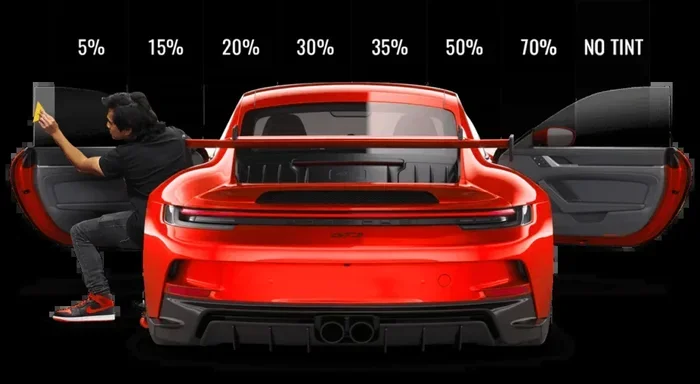
Both clear and dark window tints can offer excellent UV protection. The key difference lies in visibility and legal compliance. Dark tints reduce the amount of visible light entering your car, which can impair nighttime driving. Clear window tint maintains full transparency while still blocking harmful rays. This makes it a safer choice for drivers who need unobstructed visibility at all times.
Legal Considerations
Every state and country has its own laws regarding window tint darkness. In many places, front side windows must allow a certain percentage of light through. Dark tints can easily violate these laws. Clear window tint typically allows over 70% of visible light to pass through, making it fully compliant in virtually every jurisdiction. You get the benefits of UV protection without worrying about getting pulled over or fined.
Cost Comparison
Clear window tint is generally more affordable than premium dark ceramic tints. While prices vary depending on the brand and quality, clear films are often priced competitively. The installation process is also simpler, which can reduce labor costs. Overall, clear window tint delivers excellent value for the protection it provides.
Benefits Beyond UV Protection
Clear window tint does more than just block UV rays. It offers a range of additional benefits that make it a worthwhile investment for any vehicle owner. These advantages extend beyond health and safety into everyday comfort and vehicle maintenance.
Heat Rejection
Many clear window tint products also reject a significant amount of solar heat. This keeps your car cooler during hot summer days. A cooler cabin means less reliance on your air conditioning system, which can improve fuel efficiency over time. You stay more comfortable, and your car’s cooling system works less hard.
Glare Reduction
Sun glare can be a major distraction and safety hazard while driving. Clear window tint reduces the intensity of glare without significantly darkening your windows. This makes it easier to see the road, other vehicles, and pedestrians, especially during sunrise and sunset when the sun is low. Better visibility means a safer driving experience for you and your passengers.
Privacy and Security
While clear window tint does not provide the same level of privacy as dark tints, it does add a subtle layer of obscurity. People outside your car cannot easily see your belongings on the seats or dashboard. This small added privacy can deter potential thieves and give you peace of mind when you park in public areas.
Scratch Protection
The film layer of clear window tint also provides an extra barrier against minor scratches and chips. While it is not a replacement for a windshield protector, the film can help reduce the impact of small debris on your windows. This adds a small but valuable layer of protection to your car’s glass surfaces.
Quick Tips for Maximizing UV Protection
- Apply clear window tint to all windows, not just the driver’s side.
- Combine clear window tint with sunscreen for maximum skin protection.
- Reapply or replace your tint film every 5 to 7 years for optimal performance.
- Choose a film with a high UV rejection rating of 99% or above.
- Keep your windows clean, as dirt can reduce the effectiveness of the film.
How to Choose the Right Clear Window Tint for Your Vehicle
Not all clear window tint products are created equal. Choosing the right one for your vehicle requires considering several factors. The goal is to find a film that offers maximum UV protection while fitting your specific needs and preferences.
Check the UV Rejection Rate
The most important specification to look for is the UV rejection rate. A high-quality clear window tint should block at least 99% of UVA and UVB rays. If a product does not clearly state its UV rejection rate, ask the manufacturer or installer for documentation. Reputable brands are transparent about their product’s performance.
Consider the Visible Light Transmission
Visible light transmission (VLT) measures how much light passes through the film. For clear window tint, VLT should be above 70% to maintain a natural appearance and comply with most legal requirements. Higher VLT means a more transparent film, which is ideal for those who want zero change to their window appearance.
Look for Durability and Warranty
A good clear window tint should come with a manufacturer’s warranty. Warranties typically cover peeling, bubbling, and fading. Longer warranties indicate higher quality materials and better manufacturing standards. Brands that offer lifetime warranties are often the safest choice. The durability of the film ensures that your UV protection lasts for years without needing replacement.
DIY vs. Professional Installation
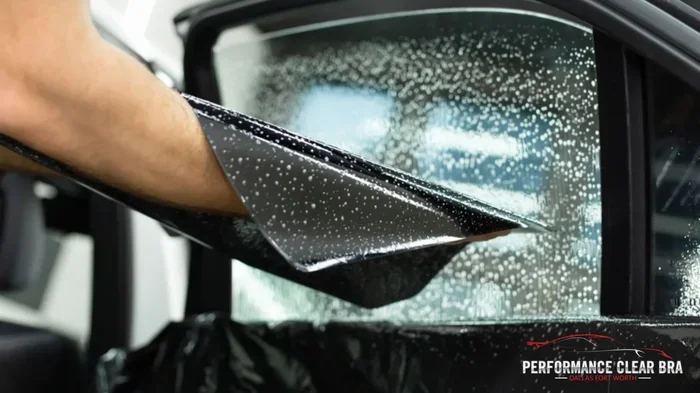
Many clear window tint films are available as DIY kits. These kits include everything you need to apply the film yourself. Professional installation ensures a bubble-free, precise fit, but it costs more. If you are handy and patient, a DIY application can save you money while still delivering excellent results. Just make sure to follow the installation instructions carefully for the best outcome.
Common Mistakes to Avoid
- Buying the cheapest film without checking its UV rejection rate.
- Applying the tint in direct sunlight or high humidity, which causes bubbles.
- Forgetting to clean the glass thoroughly before application.
- Choosing a film that is too dark for legal compliance in your area.
- Neglecting to maintain the tint with gentle cleaning products.
Common Myths About Clear Window Tint and UV Protection
There are several misconceptions surrounding clear window tint and its ability to block UV rays. Let us address the most common ones so you can make an informed decision.
Myth 1: Clear Window Tint Does Not Really Work
This is perhaps the most common myth. Some people believe that because clear window tint is transparent, it cannot block UV radiation. In reality, modern clear window tint films use advanced nano-ceramic and metallized layers that are invisible to the naked eye yet highly effective at filtering UV rays. Laboratory tests consistently show that quality clear films block over 99% of UV radiation.
Myth 2: You Only Need Tint on Sunny Days
UV rays penetrate clouds and glass regardless of the weather. Even on overcast days, significant amounts of UVA radiation reach your car. Clear window tint provides constant protection every day, rain or shine. It is not a seasonal accessory; it is a year-round investment in your health.
Myth 3: Factory-Tinted Windows Are Enough
Some cars come with factory privacy glass that has a slight tint. While this does provide some UV protection, it is typically not enough to block 99% of rays. Factory tint usually has a lower UV rejection rate than dedicated clear window tint films. Adding a quality clear film over factory-tinted windows enhances protection significantly.
Myth 4: Clear Window Tint Makes Your Car Too Hot
On the contrary, many clear window tint products include heat-rejection properties that keep your car cooler. The film reflects a portion of solar energy away from the vehicle. While it does not darken your windows, it still reduces the greenhouse effect inside your car. You stay cooler, and your air conditioning system works less.
Frequently Asked Questions
Does clear window tint really block 99% of UV rays?
Yes, high-quality clear window tint products can block up to 99% of both UVA and UVB rays. The exact percentage depends on the brand and film quality. Always check the manufacturer’s specifications and look for third-party test results to verify the UV rejection rate. Reputable brands provide this data transparently.
Is clear window tint legal everywhere?
Clear window tint is generally legal in most states and countries because it maintains high visible light transmission. Since the film is nearly invisible, it does not violate tint darkness laws that apply to front side windows. However, it is always a good idea to check your local regulations before installation to ensure full compliance.
Can I apply clear window tint myself?
Yes, many clear window tint kits are designed for DIY application. They come with installation instructions, squeegees, and cleaning solutions. The process is similar to applying a screen protector to a phone. If you are careful and patient, you can achieve professional-looking results at home. However, professional installation guarantees a perfect fit and bubble-free finish.
How long does clear window tint last?
Quality clear window tint typically lasts between 5 and 10 years, depending on the brand and how well it is maintained. Films with warranties often last longer because they use more durable materials. Regular cleaning with non-abrasive products helps extend the lifespan of the tint and keeps its UV-blocking performance at peak levels.
Does clear window tint reduce glare while driving?
Yes, clear window tint reduces glare by filtering out a portion of the harsh sunlight that enters through your windows. While it does not darken the glass like traditional tints, it softens the intensity of direct sunlight and reflections. This makes driving more comfortable and safer, especially during early morning and late afternoon hours when the sun is low.
Will clear window tint affect my car’s resale value?
On the contrary, clear window tint can positively impact your car’s resale value. It shows that the vehicle has been well-maintained with added protective features. Potential buyers appreciate UV protection, interior preservation, and the added comfort that window tint provides. It is a small investment that can pay off when it is time to sell or trade in your car.
Conclusion
Clear window tint is one of the simplest and most effective ways to protect yourself and your vehicle from the harmful effects of ultraviolet radiation. It blocks up to 99% of UVA and UVB rays without darkening your windows or compromising visibility. Whether you are concerned about skin health, interior preservation, or driving comfort, clear window tint delivers real, measurable benefits.
The evidence is clear: your car’s factory glass does not provide enough UV protection on its own. Adding clear window tint fills this gap and gives you peace of mind every time you get behind the wheel. It is affordable, easy to install, and legal in virtually every jurisdiction. If you have not yet considered clear window tint for your vehicle, now is the perfect time to explore your options.
Take a few minutes to research high-quality clear window tint products, compare UV rejection rates, and choose the film that best fits your needs. Your skin, your eyes, and your car’s interior will thank you for years to come. Protecting yourself from harmful UV rays should not be an afterthought. With clear window tint, it becomes a simple, everyday habit that keeps you safe on the road.