Do You Have to Calibrate Adaptive Cruise Control Here Is Why
Do you have to calibribrate adaptive cruise control? Yes, calibration is essential for your safety. Adaptive cruise control relies on sensors and radar that need proper alignment to work correctly. In this guide, we explain why calibration matters, when it’s needed, and how much it costs.
Key Takeaways
- Calibration is critical: Adaptive cruise control needs precise sensor alignment to detect obstacles and maintain safe distances.
- Signs you need calibration: Error messages, inconsistent following distances, and unresponsive ACC are clear red flags.
- Cost range: Professional calibration typically costs between $150 and $400 depending on your vehicle.
- DIY risks: Attempting calibration without proper tools can cause serious safety issues.
- Post-accident requirement: Any front-end collision likely requires recalibration of your ACC system.
📑 Table of Contents
- Do You Have to Calibrate Adaptive Cruise Control? Here Is Why
- What Is Adaptive Cruise Control?
- Why Calibration Is Necessary for Adaptive Cruise Control
- When Do You Need to Calibrate Adaptive Cruise Control?
- How Adaptive Cruise Control Calibration Works
- Cost of Adaptive Cruise Control Calibration
- Common Mistakes People Make with Adaptive Cruise Control
- Frequently Asked Questions
- Conclusion
Do You Have to Calibrate Adaptive Cruise Control? Here Is Why
If you have ever wondered, “Do you have to calibrate adaptive cruise control?” the short answer is yes. Your car’s adaptive cruise control (ACC) system is one of the most important driver assistance features on the road today. It uses radar, cameras, and sensors to keep your car at a safe distance from the vehicle ahead. When those components shift even slightly out of alignment, the entire system can fail. That is why calibration is not just a nice-to-have. It is a safety must.
In this guide, we will break down everything you need to know. We will cover what adaptive cruise control actually does, why ACC calibration matters so much, when you should get it done, and what it costs. Whether you are a new car owner or a seasoned driver, this article will give you practical answers. Let us dive in.
What Is Adaptive Cruise Control?
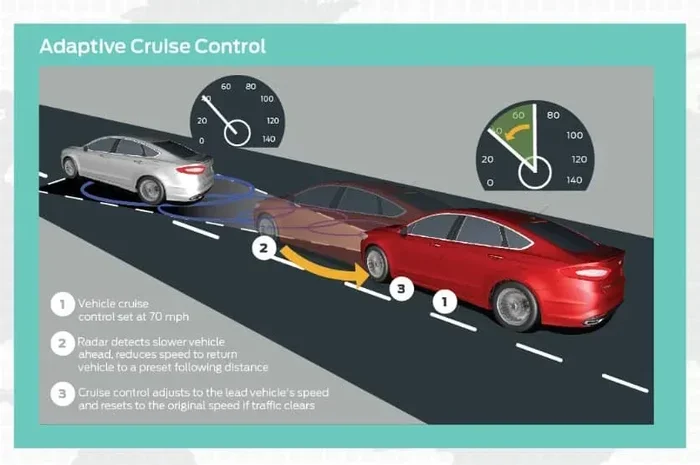
Adaptive cruise control is an advanced version of traditional cruise control. Standard cruise control keeps your car moving at a set speed. It does not adjust for anything around you. ACC goes further. It uses a radar sensor and often a front-facing camera to monitor traffic. The system automatically slows your car or speeds it up to keep a safe gap from the car in front of you.
How ACC Works in Real Life
Think of it this way. You are driving on the highway at 65 mph. The car ahead suddenly brakes. Your adaptive cruise control detects that slowdown through its radar and applies the brakes for you. Once the road clears, it gently accelerates back to your set speed. This all happens in seconds. The system depends on precise data from multiple sensors working together.
Here is a quick look at the core components:
- Radar module: Usually hidden behind the front grille or bumper. It sends out radio waves to detect objects.
- Front camera: Helps identify lane markings and objects in front of the car.
- Control unit: The brain that processes all sensor data and sends commands to the throttle and brakes.
- Speed sensors: Track your vehicle speed and wheel rotation to fine-tune ACC behavior.
When any of these parts get knocked out of position, your cruise control system can not do its job. That is where calibration comes in.
Why Calibration Is Necessary for Adaptive Cruise Control
Do you have to calibrate adaptive cruise control? Absolutely. Calibration ensures that every sensor in your ACC system points in the right direction and reads data accurately. Without it, your car might not “see” the vehicle ahead of you. That creates a serious safety risk.
Sensor Alignment and Accuracy
The radar module on your car needs to be aimed at a very specific angle. Even a few degrees off can cause the system to miss the car in front of you or detect objects that are not there. ACC calibration resets that angle. It brings every component back to factory specifications.
Modern vehicles use something called a forward-facing camera too. This camera works alongside the radar. It needs to be calibrated at the same time. If the camera is slightly off, your car might give you false warnings or ignore real dangers. Together, these components form your advanced driver assistance systems, or ADAS. Calibration keeps ADAS functioning the way engineers intended.
Safety Consequences of Skipping Calibration
Driving with a misaligned ACC system is dangerous. Here is what can go wrong:
- Delayed braking: Your car may not brake in time when the traffic ahead slows down.
- False alerts: Constant phantom warnings make you ignore real ones. This is called “alert fatigue.”
- Unresponsive ACC: The system simply shuts off, leaving you with no adaptive speed control.
- Damage to other systems: A misaligned radar can interfere with automatic emergency braking and lane keeping assist.
These are not minor inconveniences. They are life-or-death situations. That is why automakers and technicians treat cruise control calibration as a serious matter.
When Do You Need to Calibrate Adaptive Cruise Control?
Not every drive requires recalibration. But there are clear situations where it becomes necessary. Knowing these triggers helps you stay safe and avoid costly repairs down the line.
Common Triggers for ACC Calibration
- Front-end collisions: Even a minor fender bender can shift your radar sensor. Any impact to the front bumper or grille area almost always requires ACC recalibration.
- Tire replacements: Changing your tires can alter wheel speed readings. Some vehicles need a recalibration after new tires are installed.
- Suspension work: If you get alignment done or work on your suspension, the sensor angles may change.
- Bumper or grille replacement: After any front-end repair, the radar housing may be repositioned. Calibration is mandatory.
- Sensor replacement: If a mechanic removes and re-installs the radar module or camera, calibration must follow.
Warning Signs Your ACC Needs Calibration
Sometimes your car gives you clear signals that something is off. Watch for these red flags:
- The “Service Adaptive Cruise Control” warning light appears on your dashboard.
- ACC sets a speed but does not adjust when traffic slows.
- The system turns on and off randomly without input from you.
- You notice inconsistent following distances. Sometimes too close, sometimes way too far.
- Your car displays a “Cruise Control Not Working” message.
- Unusual beeping or warning sounds when no traffic is present.
If you experience any of these, do not ignore them. Schedule a calibration as soon as possible. A quick fix now prevents a major problem later.
How Adaptive Cruise Control Calibration Works
Professional calibration is a precise process. It is not something you can do with a quick trip to the parts store. Let us walk through what actually happens during a radar calibration session.
Step-by-Step Calibration Process
- Diagnostic scan: The technician connects a scan tool to your car’s OBD port. This reads error codes and checks the current status of your ACC and ADAS components.
- Target setup: Special calibration targets are placed at exact distances from your car. These targets act as “fake vehicles” for the radar to read.
- Radar alignment: Using specialized software and a calibration frame, the technician adjusts the radar module angle. The goal is to match factory specs exactly.
- Camera alignment: The front camera is calibrated using a flat target placed directly in front of the vehicle. This ensures it reads the road correctly.
- System testing: The technician runs the system through various scenarios. They verify that ACC engages, adjusts speed, and applies brakes properly.
- Final scan: A follow-up diagnostic confirms all error codes are cleared and every system reports normal.
The entire process usually takes one to two hours. It requires a trained technician and expensive calibration equipment. This is why DIY attempts are strongly discouraged.
Quick Tips for a Smooth Calibration Experience
- Choose a shop that specializes in ADAS calibration or has OEM-certified technicians.
- Make sure your tire pressure is at the recommended level before calibration. Uneven tires can skew readings.
- Ask the shop to show you the before and after diagnostic results. A reputable shop will be happy to do this.
- Keep your car’s software updated. Sometimes a simple software update resolves issues without a full calibration.
Cost of Adaptive Cruise Control Calibration
One of the biggest concerns people have is cost. “How much does ACC calibration cost?” is a common question. The answer depends on several factors, but you can expect a general range.
Average Calibration Costs by Vehicle Type
| Vehicle Type | Estimated Cost Range |
|---|---|
| Economy / Compact Car | $150 – $250 |
| Mid-Size Sedan or SUV | $200 – $350 |
| Luxury / Premium Vehicle | $300 – $500+ |
| Dealership vs. Independent Shop | Dealerships typically charge 20-40% more |
Factors That Affect Pricing
- Vehicle make and model: European luxury brands often cost more due to complex sensor setups.
- Type of calibration: A static calibration (done in a shop) is usually cheaper than a mobile calibration (done on-site).
- Labor rates: Your local market and the shop’s expertise level influence the final price.
- Insurance coverage: If the calibration follows an accident, your auto insurance may cover part or all of the cost. Always check your policy.
Can You Skip Calibration to Save Money?
We strongly advise against it. Skipping calibration to save a few hundred dollars puts you and others at risk. A malfunctioning ACC system can cause a crash that costs far more in repairs, medical bills, and emotional trauma. Think of calibration as an investment in your safety, not an expense.
Common Mistakes People Make with Adaptive Cruise Control
Even informed drivers make mistakes when it comes to their cruise control system. Avoiding these pitfalls keeps your ACC working properly and keeps you safe.
Mistake 1: Ignoring Warning Lights
That little “Service ACC” light on your dash is trying to tell you something. Many drivers dismiss it or assume it will go away on its own. More often than not, it signals a sensor issue that needs attention. Address it immediately.
Mistake 2: Driving Through Deep Puddles
Your radar sensor sits low on the front of your car. Driving through deep water or mud can throw it off alignment. Even a large puddle at speed can cause enough force to shift things slightly. Be cautious in bad weather.
Mistake 3: Aftermarket Modifications
Some car enthusiasts install aftermarket bumpers, grille inserts, or license plate brackets. These modifications can block or misalign your ACC sensors. Always check with a professional before making front-end changes to your vehicle.
Mistake 4: Assuming Cruise Control Means Autonomous Driving
Adaptive cruise control is a driver assistance tool. It is not self-driving. You must keep your hands on the wheel and stay alert. Over-relying on ACC leads to dangerous situations. The system can handle speed adjustments, but it cannot react to every possible road hazard.
Expert Insight on ACC Maintenance
Automotive technicians recommend having your ADAS systems checked during routine maintenance visits. “Most drivers only think about their sensors after something goes wrong,” says one master technician. “A quick inspection during your oil change can catch small issues before they become big problems.” Regular checkups keep your vehicle safety systems in top shape and extend the life of your ACC components.
Frequently Asked Questions
How often should adaptive cruise control be calibrated?
There is no set schedule for ACC calibration. It is typically done only when something triggers it, such as a front-end collision, sensor replacement, or suspension work. If your car shows any warning signs related to ACC, get it checked right away. Routine inspections during regular maintenance can also help catch alignment issues early.
Can I drive without adaptive cruise control?
Yes. Your car will still drive perfectly fine without ACC. The system is an add-on convenience and safety feature. If your ACC is malfunctioning, you can simply use traditional cruise control or manual speed control. However, you should get the issue fixed soon. A disabled ACC means you are missing out on important driver assistance features that help prevent accidents.
Can I calibrate adaptive cruise control at home?
No. Home calibration is not recommended. The process requires specialized tools, calibration targets, and software that most people do not have access to. Attempting a DIY calibration can leave your sensors even more misaligned. Always take your car to a qualified shop with experience in ADAS calibration.
Does insurance cover adaptive cruise control calibration?
It depends. If the calibration is needed after an accident, your auto insurance may cover it under collision or comprehensive coverage. If it is due to normal wear or an elective service, it likely will not be covered. Contact your insurance provider ahead of time to check your policy details. Some shops also offer financing options for out-of-pocket costs.
What is the difference between adaptive cruise control and regular cruise control?
Regular cruise control maintains a fixed speed. It does not adjust for traffic or obstacles. Adaptive cruise control uses radar and cameras to detect vehicles ahead and automatically adjusts your speed. ACC can slow down and speed up for you. This makes highway driving much safer and less tiring. The trade-off is that ACC has more complex components that may need calibration.
Can a dirty sensor cause ACC problems?
Yes, absolutely. Dirt, mud, ice, or even heavy rain can block your ACC sensors. The radar and camera need a clear view to work properly. If you notice ACC acting up, check the front grille and bumper area for buildup. A simple cleaning might resolve the issue. If cleaning does not help, a calibration or diagnostic check may be needed.
Conclusion
So, do you have to calibrate adaptive cruise control? The answer is clear. Yes, you absolutely should whenever the situation calls for it. Your adaptive cruise control is a sophisticated system that relies on perfectly aligned sensors and cameras to keep you safe on the road. Whether it is after a minor collision, a tire change, or simply a warning light on your dash, calibration is the right move.
Do not put it off. Do not try to save a few dollars by skipping the service. A properly calibrated ACC system gives you confidence behind the wheel. It supports your forward collision warning, helps with lane keeping assist, and enhances your overall driving safety. Take care of your car, and it will take care of you. Schedule your calibration today and drive with peace of mind.