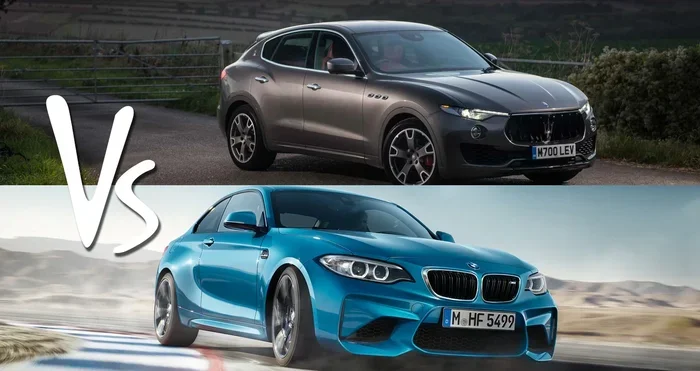
Can Maserati Beat BMW in the Ultimate Luxury Showdown
Can Maserati Beat BMW? This is the question every luxury car fan asks. We break down performance, luxury features, maintenance costs, and long-term value to give you a clear answer. Both brands offer incredible driving experiences, but they target different buyers and priorities.
Can Maserati Beat BMW? That is the ultimate question for anyone shopping in the luxury car market. Both brands carry decades of heritage, passionate fan bases, and reputations for building some of the most exciting cars on the road. But when you sit down and really compare them, the answer is not as simple as picking a winner.
In this deep dive, we explore every angle of the Maserati vs BMW debate. We look at performance numbers, interior luxury, reliability records, maintenance costs, and the overall driving experience. Whether you are a car enthusiast or just curious about premium vehicles, this guide has everything you need. By the end, you will know exactly which brand fits your lifestyle and budget.
The luxury car world is full of passionate opinions. Some people swear by Italian craftsmanship and dramatic styling. Others trust German precision and proven engineering. Both sides have valid points. Let us break it all down so you can make an informed decision.
Key Takeaways
- Performance Difference: Maserati focuses on Italian flair and raw power, while BMW emphasizes precision and engineering excellence.
- Luxury Experience: BMW offers refined interiors with cutting-edge tech, while Maserati delivers a more dramatic, sensory-rich cabin.
- Maintenance Costs: Maserati ownership tends to cost more long-term due to fewer service centers and pricier parts.
- Reliability: BMW generally scores higher in long-term reliability and resale value compared to Maserati.
- Driving Feel: Maserati gives you a more emotional, theatrical driving experience, while BMW feels balanced and predictable.
- The Verdict: Maserati can beat BMW in style and excitement, but BMW wins on practicality and ownership peace of mind.
📑 Table of Contents
Understanding the Rivalry: Maserati vs BMW
The battle between Maserati and BMW is more than just two car companies competing. It represents two completely different philosophies about what a luxury car should be. Maserati stands for Italian passion, bold design, and emotional driving experiences. BMW stands for Bavarian engineering, technical precision, and balanced performance.
A Brief History of Both Brands
Maserati was founded in 1914 in Bologna, Italy. The brand started by building race cars and quickly earned a reputation for speed and elegance. Over the decades, Maserati became synonymous with Italian luxury and style. Today, Maserati is part of the Stellantis group and offers models like the Grecale, Levante, and Quattroporte.
BMW was founded in 1916 in Munich, Germany. The brand began with aircraft engines before transitioning to motorcycles and eventually cars. BMW earned its nickname as the “Ultimate Driving Machine” through decades of engineering innovation. Today, BMW offers a wide range of models from the compact 1 Series to the powerful M series sports cars.
What Each Brand Represents
When you buy a Maserati, you are buying a statement. These cars turn heads, spark conversations, and deliver an emotional connection to the road. Maserati buyers value style, exclusivity, and the thrill of driving something unique.
When you buy a BMW, you are buying intelligence. These cars are engineered to be well-rounded, reliable, and endlessly refined. BMW buyers value technology, consistency, and a driving experience that feels polished and complete. Both approaches have merit, which is why this rivalry continues to captivate car lovers worldwide.
Performance and Power: Who Brings More to the Track?
Performance is where things get really interesting in the Maserati vs BMW comparison. Both brands offer powerful engines, but they deliver that power in very different ways. Let us look at the numbers and what they mean for real-world driving.
Engine Specifications Compared
Maserati engines are known for their thunderous presence. The brand offers twin-turbo V6 and V8 engines across its lineup. The Maserati MC20, for example, packs a 3.0-liter twin-turbo V6 that produces 621 horsepower. The Maserati GranTurismo offers a 3.8-liter twin-turbo V8 with 523 horsepower. These are serious numbers that deliver serious acceleration.
BMW takes a different approach. The brand offers a wide range of engines from efficient four-cylinders to powerful inline-six and V8 configurations. The BMW M3 produces up to 503 horsepower from a 3.0-liter twin-turbo inline-six. The BMW M5 delivers 600 horsepower from a similar engine layout. BMW focuses on extracting maximum performance through engineering efficiency.
Driving Feel and Handling
Maserati cars feel theatrical. When you press the accelerator, there is a sense of drama and excitement. The exhaust note is deep and commanding. The car feels alive and responsive in a way that connects with your emotions. Maserati steering tends to be more communicative, giving drivers a sense of connection to the front wheels.
BMW cars feel precise. The handling is balanced and predictable. Steering feedback is detailed and accurate. BMW engineering ensures that power delivery is smooth and controllable. The driving experience is less about drama and more about confidence. You feel in control at all times, which many drivers find incredibly satisfying.
| Feature | Maserati | BMW |
|---|---|---|
| Top Engine Option | V8 (621+ hp) | Inline-6 V8 (600+ hp) |
| 0-60 mph (Quickest Model) | ~2.7 seconds | ~2.8 seconds |
| Transmission | 8-speed automatic | 8-speed automatic |
| Driving Character | Theatrical, emotional | Precise, balanced |
| Exhaust Note | Deep, roaring | Refined, crisp |
| All-Wheel Drive Available | Yes (on select models) | Yes (xDrive system) |
Luxury and Comfort: Inside the Cockpit
Stepping inside a Maserati or a BMW is a completely different experience. Both interiors are luxurious, but they appeal to different senses and preferences. Let us explore what each brand offers inside the cabin.
Maserati Interior Design Philosophy
Maserati interiors are bold and dramatic. The cabin features rich leather, premium materials, and striking design choices. Every detail feels intentional and luxurious. The seats are supportive and comfortable, with plenty of bolstering for spirited driving. The dashboard layout is driver-focused, with elegant analog and digital displays.
Maserati uses unique design elements like the classic trident emblem, piano-black finishes, and available carbon fiber trim. The overall atmosphere feels exclusive and special. You get the sense that you are sitting inside something rare and valuable. The noise insulation is excellent, creating a serene environment at highway speeds.
BMW Interior Design Philosophy
BMW interiors are refined and functional. The design follows a driver-oriented layout with clean lines and intuitive controls. The latest BMW models feature large curved displays, premium materials, and meticulous attention to detail. The seats are comfortable for long drives, with available ventilation, heating, and massage functions.
BMW focuses on technology as part of the luxury experience. The iDrive infotainment system is one of the best in the industry. It is intuitive, responsive, and packed with features. Ambient lighting, premium sound systems, and quality materials create a calm, sophisticated atmosphere. BMW interiors feel modern and timeless at the same time.
Which Interior Wins?
This is purely subjective. If you want a cabin that feels dramatic and exclusive, Maserati is hard to beat. If you prefer a more refined, technology-rich environment, BMW delivers. Both brands offer excellent quality, but they express luxury in different ways. Test driving both is the best way to decide which interior speaks to you.
Reliability and Maintenance: The Hidden Cost of Ownership
Buying a luxury car is only half the equation. Owning one comes with ongoing costs that can significantly impact your budget. This is where the Maserati vs BMW comparison becomes especially important for practical buyers.
Maintenance Costs Compared
BMW maintenance costs are high but predictable. The brand has a large network of authorized service centers across the country. Parts are readily available, and trained technicians are familiar with BMW systems. Routine maintenance like oil changes, brake pads, and tire rotations costs more than a standard car but remains within a reasonable range for a luxury brand.
Maserati maintenance costs tend to be higher. The brand has fewer service centers, which can mean longer trips for scheduled maintenance. Parts are more expensive due to lower production volumes and the Italian engineering approach. Specialized technicians are needed for certain repairs, which adds to labor costs. Over time, these expenses can add up significantly.
Reliability Records
BMW generally scores better in reliability surveys. The brand has invested heavily in quality control and durability testing over the years. BMW vehicles tend to hold up well over long ownership periods, especially with regular maintenance.
Maserati reliability has improved in recent years, but the brand still lags behind BMW in long-term dependability. Some models have experienced issues with electronics, suspension components, and engine systems. However, Maserati has made significant strides, and newer models show improved reliability compared to older generations.
Quick Tips for Lowering Maintenance Costs
- Follow the maintenance schedule strictly. Regular oil changes and inspections prevent expensive repairs later.
- Find a specialist. Independent shops that specialize in Italian or German cars often charge less than dealerships.
- Buy extended warranty. For Maserati especially, an extended warranty can protect you from unexpected repair bills.
- Keep records. Document all maintenance to maintain resale value and track potential issues early.
- Use quality parts. OEM parts may cost more upfront but save money by lasting longer and performing better.
Resale Value and Long-Term Ownership
One factor that many buyers overlook is how well a luxury car holds its value over time. Resale value matters because it directly affects the total cost of ownership and your ability to upgrade to a new vehicle later.
BMW Resale Performance
BMW vehicles generally hold their value better than most luxury competitors. The brand has strong brand recognition, a large used car market, and proven reliability that attracts buyers. Popular models like the BMW 3 Series and BMW X5 retain value well over three to five years of ownership.
Maserati Resale Performance
Maserati vehicles tend to depreciate faster than BMW. The smaller production volumes, higher maintenance costs, and brand perception all contribute to lower resale values. However, limited-edition Maserati models and classic cars can hold or even increase in value over time. The Maserati MC20 and certain vintage models have shown strong value retention.
What This Means for You
If you plan to keep your car for many years and do not worry about resale, the depreciation difference matters less. If you like upgrading every few years, BMW offers better financial flexibility. Consider your ownership plans before making a decision.
The Verdict: Can Maserati Actually Beat BMW?
So, can Maserati Beat BMW? The honest answer is that it depends on what you value most. Both brands excel in different areas, and the right choice comes down to your personal priorities and driving needs.
When Maserati Wins
Maserati wins when you prioritize style, emotion, and exclusivity. If you want a car that turns heads and delivers a thrilling driving experience, Maserati is hard to argue with. The Italian brand offers something that BMW cannot replicate: raw passion and dramatic flair. For buyers who value the experience of driving over everything else, Maserati delivers in spades.
When BMW Wins
BMW wins when you prioritize reliability, practicality, and long-term ownership costs. If you want a luxury car that is engineered to be dependable, well-rounded, and cost-effective over time, BMW is the clear choice. The brand offers a wider model range, better dealer network, and stronger resale value. For buyers who want confidence and peace of mind, BMW delivers consistently.
The Bottom Line
Can Maserati Beat BMW? Yes, in certain areas. Maserati beats BMW in emotional appeal, dramatic design, and the sheer thrill of driving. BMW beats Maserati in reliability, ownership costs, and practicality. The best car for you depends on your lifestyle, budget, and what you value most in a luxury vehicle. Test drive both, live with the experience, and let your gut decide.
The luxury car market is incredibly rich with options. Maserati and BMW represent two of the most compelling choices available today. Neither brand is objectively better than the other. They simply offer different paths to the same destination: an exceptional driving experience in a beautifully crafted machine. Choose the one that speaks to your heart, and you cannot go wrong.
Whether you end up with a Maserati or a BMW, you are investing in a premium driving experience that will bring you joy for years to come. Both brands have earned their place among the elite in the luxury car world. The real winner is the driver who gets to enjoy either one of these remarkable machines on the open road.
Frequently Asked Questions
Is Maserati more expensive to maintain than BMW?
Yes, Maserati generally has higher maintenance costs. The brand has fewer service centers, pricier parts, and requires specialized technicians for many repairs. BMW maintenance is still expensive by normal car standards, but it remains more predictable and accessible due to the larger dealer network and higher production volumes.
Which brand has better resale value, Maserati or BMW?
BMW has significantly better resale value. BMW vehicles depreciate at a slower rate thanks to stronger brand recognition, proven reliability, and a larger used car market. Maserati vehicles tend to lose value faster, though limited editions and classic models can hold their value surprisingly well.
Are Maserati cars reliable for daily driving?
Maserati has improved reliability in recent years, making its cars more suitable for daily driving. However, BMW still edges ahead in long-term dependability and consistency. If you plan to use a luxury car as a daily driver, BMW may offer more peace of mind, while Maserati rewards those who accept a bit more upkeep in exchange for a unique experience.
Which brand offers better performance, Maserati or BMW?
Both brands deliver excellent performance, but in different ways. Maserati offers more dramatic, emotionally engaging power delivery with its V6 and V8 engines. BMW focuses on precision and balance with its inline-six and V8 configurations. The quickest models from both brands are remarkably close in acceleration times, so the difference often comes down to driving feel rather than raw numbers.
Can I find affordable used Maserati or BMW models?
Yes, both brands offer affordable used options. Older BMW models like the 3 Series and 5 Series are widely available and relatively affordable to maintain. Used Maseratis like the Ghibli and Quattroporte can be found at attractive prices, but be prepared for higher maintenance costs even on older models. Always get a pre-purchase inspection from a qualified mechanic before buying either brand used.
What should I consider before buying a Maserati or BMW?
Consider your budget for both the purchase price and ongoing ownership costs. Think about how you plan to use the car, whether as a daily driver or weekend toy. Evaluate the local dealer and service center availability. Most importantly, test drive both brands to see which driving experience resonates with you personally. The best car is the one that makes you smile every time you get behind the wheel.