The Best Auto Car Wash Equipment for Your Business
Finding the right auto car wash equipment can make or break your car wash business. This guide covers everything from touchless systems to self-serve bays, helping you choose equipment that fits your budget and goals. You will learn about top brands, must-have features, and practical maintenance tips.
Running a car wash business takes more than just a good location. You need the right auto car wash equipment to deliver a great experience and keep customers coming back. Whether you are starting a new wash or upgrading an existing one, choosing the right machines makes all the difference.
The car wash industry has grown a lot in recent years. More owners are investing in modern auto car wash equipment that saves water, cuts energy costs, and washes cars faster. But with so many options out there, how do you pick the best one? This guide breaks it all down for you.
We will walk you through the types of equipment available, key features to look for, top brands, and practical tips for making the right choice. By the end, you will have a clear picture of what your business needs. Let us dive in.
Key Takeaways
- Multiple equipment types exist: touchless, friction, self-serve, and tunnel systems each suit different business models.
- Water recycling systems save money: they reduce water costs and help you stay eco-friendly.
- Brand matters: PDQ, Sonny’s, and Ryko are trusted leaders in the industry.
- Look for key features: energy efficiency, durability, ease of maintenance, and smart technology.
- Regular maintenance extends equipment life: simple daily and weekly routines prevent costly breakdowns.
- Match equipment to your business type: a small self-serve bay needs different gear than a high-volume tunnel.
📑 Table of Contents
- What Is Auto Car Wash Equipment?
- Types of Auto Car Wash Equipment
- Key Features to Look For in Auto Car Wash Equipment
- Top Brands for Auto Car Wash Equipment
- How to Choose the Right Auto Car Wash Equipment for Your Business
- Maintenance Tips for Auto Car Wash Equipment
- Common Mistakes to Avoid When Buying Auto Car Wash Equipment
- Future Trends in Auto Car Wash Equipment
- Conclusion
What Is Auto Car Wash Equipment?
Auto car wash equipment refers to all the machines and systems used to clean vehicles automatically or semi-automatically. This includes everything from high-pressure washers and conveyor systems to soap dispensers and water recycling units. Each piece of equipment plays a role in delivering a clean, shiny car in less time.
There are several main categories of auto car wash equipment. Touchless systems use high-pressure water and chemicals without touching the car. Friction systems use soft brushes or cloths to scrub the surface. Self-serve bays let customers wash their own cars using coin-operated machines. Tunnel washes move cars along a conveyor through a series of cleaning stations.
Each type has its pros and cons. Touchless wash systems are gentle on paint but use more water. Friction systems clean tough grime well but can leave fine scratches if brushes are not maintained. Self-serve setups have lower operating costs but may not appeal to customers who want a full-service experience. Tunnel washes handle high volume but require significant space and investment.
Why Equipment Quality Matters
The quality of your auto car wash equipment directly affects your results. Cheap or outdated machines break down often. They waste water, use too much electricity, and leave cars less than clean. Investing in quality equipment pays off through lower repair costs and happier customers.
Good equipment also improves safety. Modern machines come with automatic shutoff features and pressure regulators. These prevent damage to vehicles and reduce the risk of accidents. When you buy reliable auto car wash equipment, you are investing in your business’s future.
Types of Auto Car Wash Equipment
Understanding the different types of equipment is the first step in choosing what works best for your business. Let us look at each type in detail.
Touchless Car Wash Systems
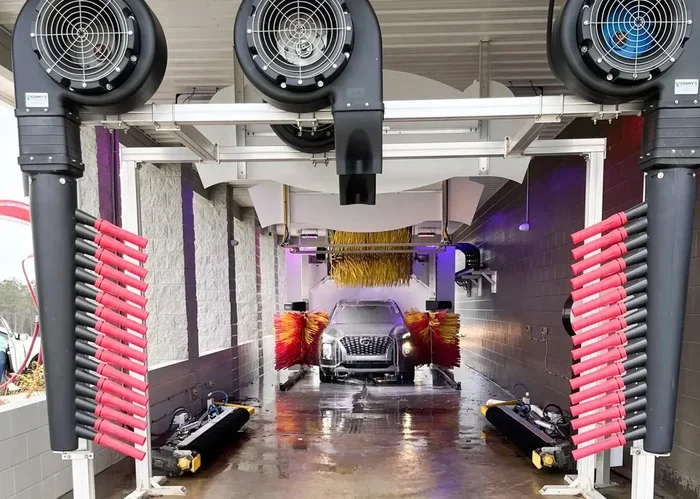
Touchless wash systems rely on high-pressure water jets, strong chemicals, and air blowers. They do not use brushes or cloths that touch the vehicle. This makes them ideal for luxury cars, classic cars, and vehicles with delicate paint.
These systems are popular among customers who worry about scratches. They also require less physical maintenance since there are no brushes to replace. However, touchless systems use more water per wash cycle. They may also struggle with heavy dirt or road grime.
Friction Wash Systems
Friction systems use rotating brushes, soft cloth strips, or felt pads to physically clean the car surface. They are excellent at removing stubborn dirt, bug splatter, and road tar. Many full-service car washes prefer friction equipment for its deep cleaning power.
The main concern with friction systems is paint care. If brushes are worn or dirty, they can cause swirl marks. Regular maintenance and using soft-touch materials help prevent this. Modern friction systems use closed-cell foam and gentler fabrics to protect car finishes.
Self-Serve Car Wash Bays
Self-serve equipment lets customers wash their own cars. These bays typically include a high-pressure wand, soap dispenser, brush, and a coin or card payment system. They are popular in urban areas where space is limited.
Self-serve setups have low labor costs. One attendant can manage multiple bays. They also appeal to customers who prefer a quick, affordable wash. The downside is that they do not provide the full-service experience some customers want.
Conveyor Tunnel Wash Systems
Tunnel wash systems move cars on a conveyor through a series of cleaning stations. Each station handles a different task, such as pre-soaking, foaming, high-pressure washing, brushing, rinsing, and drying. These systems are built for high volume and speed.
Tunnel equipment requires a large upfront investment. They also need significant space to install. But for businesses that wash dozens or hundreds of cars per day, the return on investment can be very strong. Conveyor systems keep cars moving quickly, which means more revenue per hour.
Key Features to Look For in Auto Car Wash Equipment
Not all car wash machines are created equal. When shopping for auto car wash equipment, pay close attention to these features.
Water Recycling and Conservation
Water costs add up fast for any car wash business. Equipment with built-in water recycling systems can cut water usage by up to 65 percent. These systems filter and reuse wash water, reducing both your water bill and your environmental impact.
Look for systems that include settling tanks, filtration units, and chemical treatment. These components work together to clean used water so it can be safely reused. Many modern auto car wash equipment options now include water recycling as a standard feature.
Energy Efficiency
Energy-efficient equipment saves money on electricity bills over time. Look for machines with variable frequency drives, LED lighting, and smart power management. These features reduce energy consumption without sacrificing cleaning power.
Some advanced systems use heat recovery technology to warm water using less energy. This is a great feature if you operate in a cold climate where warm water helps remove grease and grime more effectively.
Durability and Build Quality
Car wash equipment faces a tough environment every day. Water, chemicals, and constant use take a toll on machines. Choose equipment made from stainless steel, high-grade plastics, and corrosion-resistant materials.
Durability should be a top priority. A machine that lasts ten years is a better investment than one that needs replacing after three. Check warranty terms and manufacturer reputation before making a purchase.
Smart Technology and Automation
Modern auto car wash equipment increasingly includes smart technology. Touchscreen controls, remote monitoring, and app-based management let you run your wash from anywhere. Some systems can even alert you when maintenance is needed or when a part needs replacing.
Automation reduces the need for manual labor. It also improves consistency. Every car gets the same wash cycle, which means fewer complaints and better results. If you are building or upgrading a car wash, smart technology is worth the investment.
Customization Options
Every car wash business is different. The best equipment offers customization options. You should be able to adjust wash cycles, soap concentrations, water pressure, and drying power to match your specific needs.
Customization also applies to branding. Many manufacturers offer options for adding your logo, color scheme, and messaging to the wash bay. This creates a professional, polished look that customers notice and appreciate.
Top Brands for Auto Car Wash Equipment
When it comes to auto car wash equipment, some brands stand out for quality, reliability, and customer support. Here are the top names to consider.
PDQ Manufacturing
PDQ is one of the most respected names in the car wash industry. They make both touchless and friction wash systems. PDQ equipment is known for its durability and advanced technology. Their LaserWash series is a favorite among high-volume commercial washes.
Sonny’s The CarWash Factory
Sonny’s has been building car wash equipment since 1957. They offer a full range of products, from self-serve bays to complete tunnel systems. Sonny’s is known for excellent customer service and reliable machines. Their custom design capabilities make them a great choice for unique business needs.
Ryko Solutions
Ryko specializes in both touchless and friction wash systems. Their equipment is designed for efficiency and low operating costs. Ryko also offers strong water recycling systems, which help businesses save on utility bills. They are a solid choice for both new and existing car wash operations.
WashTec
WashTec is a global leader in car wash technology. They offer a wide range of systems including soft-touch, touchless, and hybrid options. WashTec equipment is known for its gentle yet effective cleaning. Their machines are popular in Europe and are gaining popularity in North America.
CMI Group
CMI Group provides complete car wash solutions, from equipment design to installation and maintenance. They offer both self-serve and automatic systems. CMI is a good option for businesses that want a one-stop partner for all their car wash needs.
How to Choose the Right Auto Car Wash Equipment for Your Business
Choosing the right equipment depends on several factors. Here is a practical guide to help you decide.
Assess Your Business Model
Start by identifying your business type. Are you running a self-serve wash, a full-service tunnel, or an in-bay automatic setup? Each model requires different equipment. A self-serve business needs sturdy wash bays and payment systems. A tunnel wash needs a conveyor, multiple wash stations, and a drying system.
Think about your target customers too. Are they daily commuters who want a quick wash? Are they luxury car owners who need a gentle, thorough clean? Your customer base should guide your equipment choices.
Set a Realistic Budget
Auto car wash equipment costs vary widely. A basic self-serve bay might cost 10,000 to 25,000 dollars. A full touchless tunnel system can run from 500,000 to over 2 million dollars. Set a clear budget before you start shopping.
Remember to factor in installation costs, plumbing, electrical work, and ongoing maintenance. Some suppliers offer financing options that can make expensive equipment more affordable. Do not let budget constraints push you toward low-quality machines. Instead, look for financing or phased upgrades.
Consider Space and Layout
Your available space determines what equipment you can install. Tunnel systems need a long, straight lane. Self-serve bays need individual stall space. In-bay automatics work well in smaller footprints.
Measure your site carefully before ordering equipment. Leave room for future expansion if possible. A well-planned layout improves traffic flow and customer satisfaction.
Think About Operating Costs
Purchase price is only part of the equation. Operating costs include water, electricity, chemicals, labor, and maintenance. Choose equipment that minimizes these ongoing expenses. Energy-efficient machines and water recycling systems pay for themselves over time.
Ask suppliers for estimated operating costs based on their equipment. Compare these numbers across different brands and models. The cheapest machine upfront might be the most expensive to run over five years.
Check Warranty and Support
Good warranty coverage gives you peace of mind. Look for manufacturers that offer at least a one-year warranty on parts and labor. Some top brands offer extended warranties or service contracts.
Customer support matters too. Choose a supplier with a strong local service network. When a machine breaks down, you want fast, reliable help. A supplier who offers training, spare parts, and regular maintenance visits is a valuable partner.
Maintenance Tips for Auto Car Wash Equipment
Proper maintenance keeps your auto car wash equipment running smoothly. Regular care prevents breakdowns and extends the life of your machines. Here are some practical tips.
Daily Maintenance Routines
Every day, check water pressure and flow rates. Inspect hoses and connections for leaks. Clean out soap dispensers and flush chemical lines. Wipe down touchscreens and control panels. These simple tasks take just a few minutes but prevent bigger problems.
Also, check the water recycling system daily. Clean filters and inspect settling tanks. Clogged filters reduce water quality and can damage equipment over time.
Weekly and Monthly Maintenance
On a weekly basis, inspect brushes, cloths, and felt pads. Replace any worn or damaged components. Check pump pressures and calibrate chemical dosing systems. Lubricate moving parts according to the manufacturer’s guidelines.
Monthly tasks include deep cleaning of all wash bays, inspecting electrical connections, and testing emergency shutoff systems. Keep a maintenance log to track all service activities. This log helps you spot patterns and plan for future repairs.
Seasonal Maintenance
Seasonal changes require extra attention. Before winter, drain water lines that could freeze. Insulate exposed pipes and check heating systems. In summer, monitor water temperature and chemical concentrations more closely.
Schedule a professional inspection at least once a year. A trained technician can spot issues you might miss. Regular professional maintenance keeps your equipment performing at its best.
Common Mistakes to Avoid When Buying Auto Car Wash Equipment
Even experienced business owners make mistakes when buying car wash equipment. Here are some common pitfalls to avoid.
Skipping Research
Do not buy the first system you see. Research different brands, models, and types. Read reviews and talk to other car wash owners. The more informed you are, the better your decision will be.
Ignoring Operating Costs
A low purchase price can hide high operating costs. Always calculate the total cost of ownership, including water, energy, chemicals, and maintenance. This gives you a true picture of the investment.
Underestimating Installation Needs
Auto car wash equipment requires proper plumbing, electrical work, and site preparation. Skipping these steps leads to poor performance and frequent breakdowns. Always work with experienced installers who understand car wash requirements.
Choosing the Wrong Equipment Type
Matching the wrong equipment type to your business model is a costly mistake. A self-serve system in a high-traffic location will not generate enough revenue. A tunnel system in a small lot will create bottlenecks. Choose equipment that fits your specific business.
Future Trends in Auto Car Wash Equipment
The car wash industry is evolving fast. New technologies are making equipment smarter, greener, and more efficient. Here are some trends to watch.
Waterless and waterless-foam wash systems are gaining popularity. These systems use advanced chemicals that lift dirt without water. They appeal to eco-conscious customers and help businesses reduce water usage even further.
Artificial intelligence is also entering the car wash space. AI-powered systems can detect dirt levels and adjust wash cycles automatically. This means each car gets the perfect wash without wasting chemicals or water. Some systems can even predict when parts need maintenance before they fail.
Sustainability is a growing priority. Many new auto car wash equipment designs focus on reducing energy consumption and minimizing chemical use. Solar-powered wash systems and closed-loop water recycling are becoming more common. Businesses that invest in green technology may attract environmentally conscious customers and benefit from government incentives.
Mobile and modular wash systems are another exciting development. These portable units can be set up at events, construction sites, or temporary locations. They expand the reach of car wash services beyond traditional fixed locations.
Conclusion
Choosing the right auto car wash equipment is one of the most important decisions you will make for your business. The equipment you select affects your operating costs, customer satisfaction, and long-term profitability. Take the time to understand your options, compare brands, and plan your budget carefully.
Whether you choose a touchless system, a friction tunnel, self-serve bays, or a combination, the key is to invest in quality equipment that fits your specific needs. Look for features like water recycling, energy efficiency, and smart technology. Partner with reputable suppliers who offer strong support and reliable machines.
Maintain your equipment properly and stay ahead of industry trends. A well-equipped car wash delivers clean cars, happy customers, and strong profits. Start your search for the best auto car wash equipment today, and build a business that stands out from the competition.
Frequently Asked Questions
What is the average cost of auto car wash equipment?
The cost varies widely based on the type and size of the system. A basic self-serve bay costs 10,000 to 25,000 dollars. A full tunnel system can range from 500,000 to over 2 million dollars. Your budget should also include installation, plumbing, and electrical work.
Which type of auto car wash equipment is best for a small business?
Self-serve bays and in-bay automatic systems work well for small businesses. They require less space and have lower upfront costs. They also have minimal labor requirements, which helps keep operating expenses low for small operations.
How often should I maintain my auto car wash equipment?
Daily checks should include water pressure, hose inspection, and soap dispenser cleaning. Weekly tasks involve inspecting brushes and pads. Monthly maintenance covers deep cleaning and electrical checks. Annual professional inspections are also recommended to catch potential issues early.
Do touchless car wash systems use more water than friction systems?
Touchless systems can use more water per cycle because they rely entirely on high-pressure water jets. However, many modern touchless systems come with water recycling features that reduce overall water usage. The exact amount depends on the equipment model and how well it is maintained.
Can I upgrade my existing car wash with new auto car wash equipment?
Yes, many businesses upgrade individual components like wash arches, conveyor systems, or water recycling units. You do not always need to replace the entire system. Talk to your equipment supplier about compatible upgrade options for your current setup.
What should I look for in an auto car wash equipment supplier?
Look for a supplier with a strong reputation, good warranty coverage, and responsive customer support. They should offer installation services, training for your staff, and access to spare parts. Reading reviews and asking for references from other car wash owners can also help you find a reliable supplier.