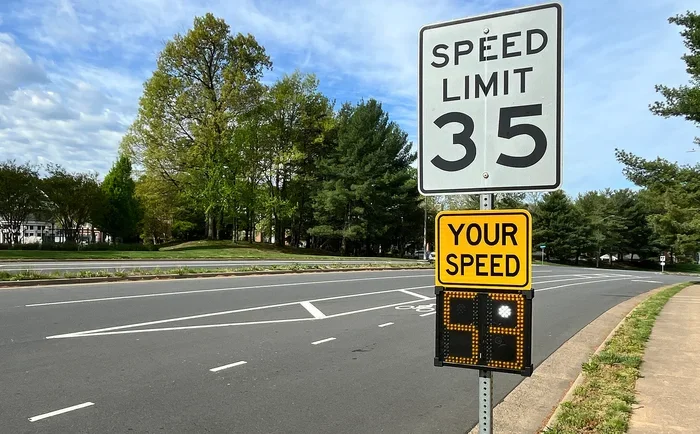
Everything You Need to Know About Speed and Legal Limits
Speed and legal limits are rules that keep everyone safe on the road. Knowing the posted speed limits helps you avoid fines, points on your license, and serious accidents. This guide covers everything from highway speed limits to speeding penalties in simple, easy-to-understand terms. Whether you drive in cities or on rural roads, understanding speed regulation is essential for every driver.
Driving is something most of us do every day. We hop in the car, turn the key, and head out. But how often do we really think about our speed and legal limits? It is easy to cruise along without a second thought. Yet these rules exist for a very important reason. Speed limits save lives every single day on roads around the world.
When you understand speed and legal limits, you become a safer driver. You also avoid costly fines and license points. This guide breaks it all down in plain language. We will cover highway speed limits, residential zones, speeding penalties, and much more. By the end, you will know exactly what the rules mean and why they matter.
Key Takeaways
- Speed limits exist for safety: They are based on road design, traffic patterns, and accident data to protect drivers and pedestrians.
- Penalties for speeding vary widely: Fines, license suspension, and even jail time can result from breaking speed laws.
- Speed zones differ by location: Residential areas, school zones, highways, and work zones all have different legal speed rules.
- Technology plays a bigger role: Speed cameras, GPS alerts, and vehicle speed governors help enforce and encourage compliance.
- Defensive driving saves lives: Adjusting your speed for weather, road conditions, and traffic is just as important as obeying posted signs.
- Education helps reduce accidents: Speed awareness courses and defensive driving programs can lower insurance costs and improve safety.
📑 Table of Contents
What Are Speed and Legal Limits?
A speed limit is the maximum legal speed you can drive on a given road. It is set by local or national authorities. These limits are not random numbers. They are carefully calculated based on road design, traffic flow, and crash data. Speed regulation aims to balance mobility with safety for everyone on the road.
Every country has its own system for setting posted speed limits. In the United States, limits are measured in miles per hour, or mph. Many other countries use kilometers per hour, or kph. Despite the units, the purpose is the same. These limits tell drivers the fastest safe speed for a particular road under ideal conditions.
Why Do Speed Limits Exist?
You might wonder why speed limits matter so much. The answer comes down to physics. The faster a vehicle moves, the longer it takes to stop. A car going 40 mph needs about 80 feet to stop. At 60 mph, that distance jumps to over 240 feet. Speed-related accidents are far more likely to cause serious injury or death.
Beyond stopping distance, speed limits also account for visibility and road design. Sharp curves, blind intersections, and pedestrian-heavy areas all demand lower speeds. Traffic safety experts study these factors before setting any limit. The goal is not to slow people down for no reason. It is to match vehicle speed with the safest possible flow of traffic.
Types of Speed Zones and Their Limits
Not all roads are the same. That is why speed and legal limits vary from one zone to another. Understanding these zones helps you stay compliant and safe. Here is a closer look at the most common speed zones.
Residential Speed Limits
In neighborhoods and residential areas, speed limits are usually low. Most residential zones have a limit of 25 mph. Some areas go as low as 15 or 20 mph. These lower speeds protect pedestrians, children, and cyclists. When you are driving through a neighborhood, always watch for people walking and playing near the road.
Speeding in a residential zone can lead to speeding fines and serious consequences. A driver going 40 mph in a 25 mph zone is a danger to everyone nearby. Reckless driving charges can apply in severe cases. Always slow down when you see homes, parks, and schools nearby.
Highway Speed Limits
Highway speed limits are typically the highest on any road. In many U.S. states, the limit on interstate highways is 65 or 70 mph. Some western states allow 75 or even 80 mph on certain stretches. These higher limits reflect the design of highways. They have fewer intersections, better sight lines, and controlled access.
However, highway speed limits are still not suggestions. They are legal limits. Driving faster than the posted speed limit on a highway is illegal. It also increases the severity of any crash. High-speed collisions on highways can be devastating. Always follow the posted speed limits and adjust for traffic and weather.
School Zone and Work Zone Limits
School zones and work zones have special speed limits for good reason. In school zones, limits often drop to 15 or 20 mph during drop-off and pickup times. These low speeds protect children who may dart into the street unexpectedly. Speed enforcement in school zones is often stricter, with higher fines for violations.
Work zones also have reduced legal speed limits. Construction workers are just feet away from moving traffic. Speed limit signs in work zones are clearly posted, often with flashing lights. Violating these limits can result in double fines. Some states even impose jail time for speeding penalties in active work zones. Always slow down and pay close attention.
Speeding Penalties: What Happens If You Break the Law?
Nobody plans to get a speeding ticket. But it happens to millions of drivers every year. Understanding the speeding penalties can help you think twice before pushing the gas pedal. The consequences go beyond just a fine.
Fines and Fees
Speeding fines vary by location and how fast you were going. In most states, fines increase as your speed goes over the limit. A driver going 10 mph over might pay a modest fine. But someone going 30 mph over could face hundreds or even thousands of dollars in speeding penalties. Court fees and surcharges can make the total cost much higher than the base fine.
License Points and Suspension
Most states use a points system for traffic violations. Each speeding ticket adds points to your driving record. Too many points can lead to license suspension. In some cases, you may need to attend a speed awareness course to reduce points. Repeated violations can result in higher insurance rates and even a revoked license.
Reckless Driving Charges
Excessive speeding can lead to reckless driving charges. This is a much more serious offense than a simple speeding ticket. Reckless driving can result in large fines, license suspension, and even jail time. In some tragic cases, speed-related accidents lead to vehicular manslaughter charges. The legal consequences can change a life forever.
Impact on Insurance
One hidden cost of speeding is higher insurance premiums. Insurers view speeding violations as a sign of risky behavior. A single speeding ticket can increase your car insurance rates for three or more years. Multiple violations make it even harder to find affordable coverage. Safe driving saves money in more ways than one.
Speed Enforcement: How Are Limits Enforced?
Speed enforcement keeps speed limits effective on our roads. Without enforcement, many drivers would ignore the rules. Several methods are used to catch speeders and promote traffic safety.
Policed Speed Enforcement
Police officers use radar guns, lidar devices, and pacing to measure vehicle speed. These tools are highly accurate when used correctly. Officers may patrol known speed zones or set up temporary checkpoints. Visible enforcement is one of the most effective ways to slow traffic down. When drivers see a patrol car, they naturally reduce their speed.
Speed Cameras and Automated Enforcement
Speed cameras have become more common in recent years. These automated systems capture images of vehicles going over the legal speed. The registered owner receives a speeding ticket in the mail. Speed cameras are often placed in school zones, red-light intersections, and highway work zones. They work around the clock and help enforce speed limits even when no officer is present.
GPS and Speed Limit Alerts
Modern navigation apps can alert you to upcoming speed limit signs and speed cameras. Some vehicles come with built-in speed governors that help drivers stay within the limit. These technologies support speed regulation without relying solely on police enforcement. They are useful tools for building better driving habits.
How to Stay Safe and Legal on the Road
Following speed and legal limits is one of the best things you can do as a driver. But safety goes beyond just watching your speed. Here are practical tips to help you stay safe and compliant.
Adjust for Road Conditions
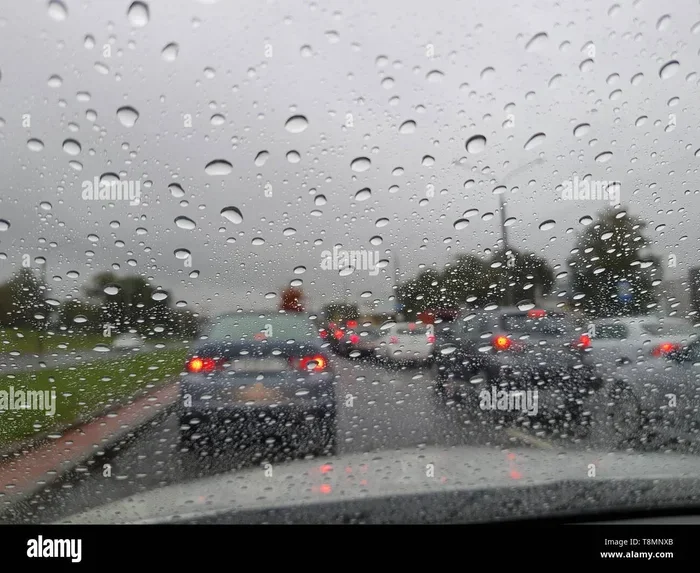
Posted speed limits are based on ideal driving conditions. When it rains, snows, or fogs, you should slow down below the limit. Wet roads reduce tire grip and increase stopping distance. Speed-related accidents spike during bad weather. Always drive at a speed that feels safe for the conditions, even if it is under the legal speed.
Watch for Speed Limit Signs
Speed limit signs are placed at regular intervals along every road. They tell you the current speed zones you are entering. Make a habit of checking these signs frequently. Limits can change quickly, especially near schools, towns, and highway exits. Stay alert and never assume the limit stays the same.
Use Cruise Control Wisely
Cruise control is a great tool for long highway drives. It helps you maintain a steady vehicle speed. However, do not rely on it blindly. Always monitor the posted speed limits and be ready to adjust. Cruise control should assist you, not replace your attention and judgment.
Take a Speed Awareness Course
If you have received a speeding ticket, consider taking a speed awareness course. Many states offer these programs as an alternative to points on your license. These courses teach you about speed regulation and the consequences of speeding. They can also lower your insurance costs and make you a more confident, safer driver.
Practice Defensive Driving
Defensive driving means always being aware of your surroundings. Watch for pedestrians, cyclists, and other drivers who may not follow speed limits. Leave plenty of following distance. Anticipate potential hazards before they become emergencies. Defensive driving is the foundation of traffic safety.
Common Mistakes Drivers Make with Speed
Even careful drivers sometimes make mistakes. Here are some common errors to avoid.
- Ignoring speed limit signs in unfamiliar areas. Always look for posted limits, especially in new neighborhoods or towns.
- Speeding up to beat a yellow light. This is dangerous and often leads to running red lights or speed-related accidents.
- Assuming the limit is higher than it is. Some roads have lower limits than you might expect, especially on rural highways at night.
- Following too closely at high speeds. This leaves no room to stop safely if traffic slows suddenly.
- Not adjusting for weather. Driving at the legal speed on a wet or icy road can still be too fast.
Expert Insights on Speed and Safety
Traffic safety experts agree that speed limits are among the most effective tools for reducing accidents. According to the National Highway Traffic Safety Administration, speeding is a factor in nearly one-third of all traffic fatalities. Speed enforcement and public education are key strategies for bringing this number down.
Experts also emphasize that speed awareness is a shared responsibility. Drivers, pedestrians, cyclists, and road designers all play a role. When everyone respects speed and legal limits, the entire transportation system becomes safer. Communities with strong speed regulation programs see fewer injuries and lower crash rates.
Technology continues to play an evolving role in speed regulation. From speed governors in commercial vehicles to smart speed cameras, innovation is helping enforce posted speed limits more effectively. The future of traffic safety will likely include even more advanced tools to keep vehicle speed in check.
Conclusion
Speed and legal limits are not just rules on a sign. They are carefully designed protections for every person on the road. When you respect speed limits, you protect yourself, your passengers, and others sharing the road. The speeding penalties for breaking these rules are serious, but the real cost is measured in lives and injuries.
Understanding highway speed limits, residential speed limits, and speed zones empowers you to drive with confidence. Use speed limit signs as your guide. Adjust for conditions. Stay aware of speed enforcement tools around you. Every time you slow down and follow the legal speed, you make the road a little safer for everyone.
Take these lessons to heart. Share them with new drivers in your life. Speed and legal limits exist because safety matters. Let them guide your every trip, no matter how short or how far.
Frequently Asked Questions
What happens if I get a speeding ticket?
You will typically receive a fine and points on your driving record. The exact speeding penalties depend on how fast you were going and your local laws. Repeated violations can lead to license suspension and higher insurance rates.
Are speed limits the same in every state?
No, speed limits vary by state and even by city. While highways in one state might have a 70 mph limit, another state may set it at 65 mph. Always check the posted speed limits wherever you are driving.
Can speed cameras issue tickets in my name?
Yes, speed cameras capture the license plate of the speeding vehicle. The registered owner usually receives the speeding ticket by mail. Some areas also use speed enforcement cameras in school zones and work zones.
What should I do if I am driving in bad weather?
Slow down below the legal speed when conditions are poor. Rain, snow, fog, and ice all reduce traction and visibility. Speed-related accidents increase dramatically in bad weather, so adjust your vehicle speed accordingly.
Is speeding ever worth the risk?
No. The few minutes you might save are never worth the speeding penalties or the danger to yourself and others. Speed limits are set to keep everyone safe. Arriving a few minutes later is always better than not arriving at all.
How can I improve my awareness of speed limits?
Use a GPS app with speed limit alerts and pay close attention to speed limit signs on the road. Taking a speed awareness course can also help you build better habits and stay within speed zones safely.