Are Toyota Highlanders Good on Gas for Daily Driving
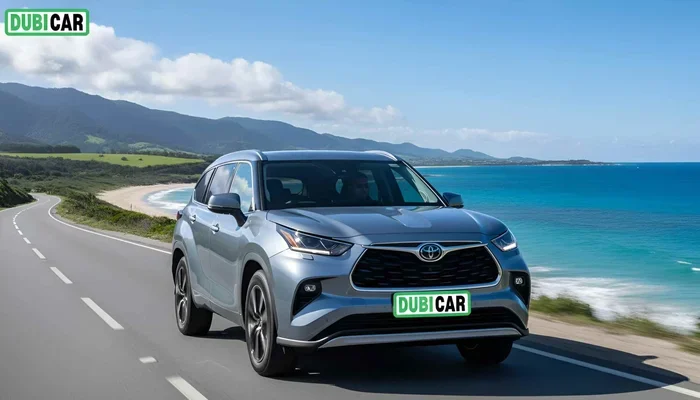
The Toyota Highlander delivers solid fuel economy for a three-row SUV, especially when you choose the hybrid model. Most drivers see 28-36 MPG combined, making it a practical choice for daily commuting and road trips alike. Whether you go with the gas or hybrid powertrain, the Highlander balances power and efficiency remarkably well.
Are Toyota Highlanders good on gas? That is the question on every buyer’s mind when they are shopping for a reliable three-row SUV. The short answer is yes, and the long answer is even more encouraging. The Toyota Highlander has built a strong reputation for delivering competitive fuel economy in the midsize SUV segment. Whether you are commuting to work or heading out on a weekend road trip, this vehicle handles daily driving with impressive efficiency.
Fuel economy matters more than ever today. Rising gas prices and environmental concerns push buyers toward vehicles that sip rather than guzzle fuel. The Toyota Highlander answers this demand with both gasoline and hybrid powertrain options. Each model brings its own strengths to the table, and understanding those differences helps you make the best choice for your lifestyle.
In this guide, we break down everything you need to know about Highlander fuel economy. We cover MPG ratings, real-world driving results, hybrid vs gas comparisons, and practical tips to squeeze every mile out of each gallon. By the end, you will have a clear picture of how the Highlander performs on gas and whether it fits your daily driving needs.
Key Takeaways
- Hybrid Highlanders lead in fuel economy: The hybrid version delivers up to 36 MPG combined, saving you money at the pump.
- Gas models still offer respectable mileage: The standard V6 engine achieves around 22-23 MPG combined, which is good for a large SUV.
- Daily driving benefits are real: City and highway MPG ratings make the Highlander a versatile commuter vehicle.
- Maintenance plays a role in fuel efficiency: Regular upkeep keeps your Highlander running at peak MPG.
- Cost savings add up over time: Hybrid Highlanders can save thousands in fuel costs over the life of the vehicle.
- Reliability supports long-term ownership: Toyota’s reputation means fewer surprises and consistent fuel performance.
📑 Table of Contents
- Understanding Toyota Highlander Fuel Economy
- City vs Highway MPG: What to Expect
- Hybrid vs Gasoline: Which Highlander Saves More
- Real-World Gas Mileage for Daily Driving
- Tips to Improve Your Highlander’s Fuel Efficiency
- Are Toyota Highlanders Reliable for Daily Use?
- Final Verdict: Is the Highlander Good on Gas?
Understanding Toyota Highlander Fuel Economy
The Toyota Highlander offers competitive fuel economy for its class. Most midsize SUVs struggle to match the efficiency that Toyota has engineered into this popular model. The Highlander achieves this through a combination of smart engineering, aerodynamic design, and advanced powertrain technology.
EPA Ratings: What the Numbers Tell Us
The EPA provides standardized fuel economy ratings that help buyers compare vehicles fairly. For the 2024 Toyota Highlander, the gas model delivers around 22 MPG in the city and 29 MPG on the highway. The hybrid version jumps those numbers significantly, reaching 27 MPG city and 35 MPG highway.
These ratings place the Highlander ahead of many competitors in the three-row SUV category. When you factor in the vehicle’s spacious interior and strong performance, the fuel economy numbers become even more impressive. The Toyota Highlander fuel economy proves that you do not need to sacrifice space for efficiency.
Why Fuel Economy Matters for Daily Driving
Daily driving means you are behind the wheel every single day. That adds up to a lot of miles and a lot of fuel costs over time. A vehicle with poor gas mileage can drain your wallet quickly, especially if you have a long commute. The Highlander’s strong fuel economy keeps those costs manageable.
Consider this: if you drive 15,000 miles per year and gas costs around $3.50 per gallon, the difference between 22 MPG and 35 MPG can mean hundreds of dollars saved annually. Over five years of ownership, those savings really add up. Are Toyota Highlanders good on gas? The numbers say absolutely yes.
City vs Highway MPG: What to Expect
Fuel economy varies depending on where and how you drive. Understanding the difference between city and highway MPG helps you set realistic expectations for your daily routine.
City Driving MPG
City driving involves lots of stops, starts, and lower speeds. This driving pattern typically reduces fuel economy compared to highway driving. The gas model Highlander averages around 22 MPG in city conditions, while the hybrid shines with approximately 27 MPG in stop-and-go traffic.
The hybrid system gives the Highlander a real advantage in city driving. The electric motor handles low-speed operations efficiently, reducing the workload on the gas engine. If your daily commute involves heavy urban traffic, the hybrid version delivers noticeably better fuel economy.
Highway Driving MPG
Highway driving allows the engine to operate at steady speeds, which generally improves fuel efficiency. The gas Highlander achieves around 29 MPG on the highway, while the hybrid reaches up to 35 MPG. These numbers make the Highlander an excellent choice for long-distance travel.
Using cruise control on the highway helps maintain consistent speeds and further improves gas mileage. If you frequently take long road trips, the Highlander’s highway fuel economy will keep your fuel costs low. You can learn more about how cruise control impacts fuel savings in our article Does Cruise Control Save Gas.
Combined MPG: The Real-World Average
The combined MPG rating gives you the most realistic picture of everyday fuel economy. The gas Highlander delivers about 24-25 MPG combined, while the hybrid achieves 30-31 MPG combined. These numbers reflect a balanced mix of city and highway driving that most owners experience in their daily routines.
Real-world results often come in close to these EPA estimates. Many Highlander owners report similar figures, especially when they maintain their vehicles properly. Keep reading for tips on how to maximize your Highlander’s fuel efficiency.
Hybrid vs Gasoline: Which Highlander Saves More
The biggest decision for buyers concerned about fuel economy is choosing between the hybrid and gasoline Highlander models. Both offer excellent value, but they differ significantly in how they use gas.
Gasoline Highlander Overview
The standard Highlander comes with a 2.4-liter turbocharged four-cylinder engine producing 265 horsepower. This engine provides plenty of power for daily driving and highway merging. Fuel economy sits at 22 MPG city and 29 MPG highway, which is competitive for a vehicle of this size.
The gasoline model offers a lower upfront cost compared to the hybrid. If you do not drive enough miles to offset the price difference, the gas version may make more financial sense. However, if fuel savings matter to you, the hybrid pulls ahead quickly.
Hybrid Highlander Overview
The Highlander Hybrid pairs a 2.5-liter four-cylinder engine with two electric motors, producing a combined 243 horsepower. The result is smooth, quiet power with exceptional fuel economy. The hybrid system uses regenerative braking and electric-only driving at low speeds to maximize efficiency.
Hybrid Highlanders deliver up to 36 MPG on the highway, making them among the most efficient three-row SUVs on the market. The upfront cost is higher, but the fuel savings over time can offset that difference significantly. For buyers who prioritize long-term ownership costs, the hybrid is the clear winner.
Side-by-Side Comparison
| Feature | Gasoline Highlander | Hybrid Highlander |
|---|---|---|
| City MPG | 22 | 27 |
| Highway MPG | 29 | 35 |
| Combined MPG | 24-25 | 30-31 |
| Engine Power | 265 hp | 243 hp (combined) |
| Starting Price | Lower | Higher |
| Fuel Savings Over Time | Moderate | Significant |
The comparison shows that the hybrid model offers substantially better fuel economy across all driving conditions. If you drive more than 12,000 miles per year, the hybrid pays for itself through fuel savings within a few years of ownership.
Real-World Gas Mileage for Daily Driving
EPA ratings provide a standardized benchmark, but real-world results can vary based on driving habits, terrain, weather, and vehicle maintenance. Understanding what to expect in everyday driving helps you set realistic fuel economy goals.
Factors That Affect Your Highlander’s MPG
Several factors influence how many miles per gallon your Highlander actually delivers. Driving habits play the biggest role. Aggressive acceleration and hard braking waste fuel. Smooth, steady driving maximizes efficiency.
Terrain matters too. Flat highways allow the engine to cruise efficiently, while hilly roads force the engine to work harder. If you live in a mountainous area, expect slightly lower fuel economy. Weather also plays a role, especially cold temperatures that can reduce engine efficiency during warm-up.
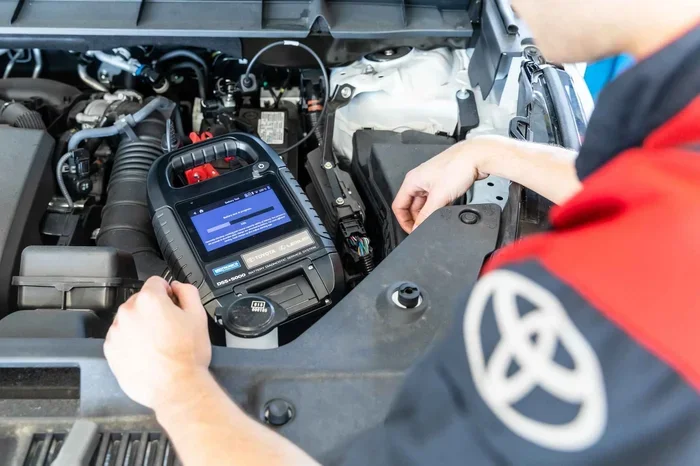
Vehicle maintenance keeps your Highlander running at its best. Fresh air filters, properly inflated tires, and regular oil changes all contribute to optimal fuel economy. Neglecting maintenance can cause your gas mileage to drop noticeably over time.
What Owners Report in Daily Use
Toyota Highlander owners consistently report fuel economy close to EPA estimates. Most gas model owners see between 21 and 24 MPG in mixed driving conditions. Hybrid owners commonly report 28 to 33 MPG in their daily commutes.
Owners who practice fuel-efficient driving habits often exceed these numbers. Gentle acceleration, anticipating traffic flow, and avoiding excessive idling all contribute to better real-world MPG. The Highlander rewards careful driving with impressive fuel savings.
How Your Driving Style Impacts Fuel Economy
Your driving style has a direct impact on gas mileage. Here are some habits that improve efficiency:
- Accelerate gently: Smooth acceleration uses less fuel than rapid starts.
- Maintain steady speeds: Consistency reduces engine workload.
- Use cruise control: On highways, cruise control helps maintain optimal speed.
- Avoid excessive idling: Turn off the engine when stopped for extended periods.
- Plan your routes: Avoid heavy traffic when possible to reduce stop-and-go driving.
Small changes in how you drive can lead to meaningful improvements in fuel economy. Over thousands of miles, these habits save real money at the pump.
Tips to Improve Your Highlander’s Fuel Efficiency
Even with a fuel-efficient vehicle like the Highlander, there are always ways to squeeze more miles out of each gallon. These practical tips help you get the best possible fuel economy from your SUV.
Keep Your Tires Properly Inflated
Underinflated tires create rolling resistance that forces the engine to work harder. Check your tire pressure at least once a month and keep them at the recommended PSI levels listed on the driver’s door jamb. Properly inflated tires can improve fuel economy by up to 3 percent.
Reduce Excess Weight
Extra weight in your vehicle requires more energy to move. Remove unnecessary items from your trunk and cargo area. While the Highlander has plenty of cargo space, carrying heavy loads regularly will reduce your MPG over time.
Use the Right Oil
Using the manufacturer-recommended motor oil reduces engine friction and improves efficiency. Synthetic oils often provide better protection and flow characteristics than conventional oils. Check your owner’s manual for the correct oil specification.
Keep Up with Maintenance
Regular maintenance keeps your Highlander running smoothly and efficiently. Replace air filters, spark plugs, and oxygen sensors on schedule. A well-maintained engine burns fuel more cleanly and efficiently. If you notice your fuel economy dropping, it may signal a maintenance issue that needs attention.
Consider Aerodynamic Modifications
Roof racks and cargo carriers create drag that reduces fuel economy at highway speeds. Remove them when not in use. Keeping your windows closed at high speeds also reduces aerodynamic drag and helps maintain efficient fuel consumption.
For more tips on improving your vehicle’s fuel economy, check out our guide on Does Cruise Control Save Gas for additional highway driving strategies.
Are Toyota Highlanders Reliable for Daily Use?
Fuel economy matters, but reliability determines whether your vehicle will continue to deliver those efficiency numbers over the long haul. Toyota has earned a reputation for building some of the most reliable vehicles on the road, and the Highlander lives up to that standard.
Long-Term Ownership Experience
Highlanders routinely exceed 200,000 miles with proper maintenance. The powertrain is built to last, and the hybrid system adds additional durability through regenerative braking and reduced engine wear. Owners who keep up with scheduled maintenance rarely face major mechanical issues.
Reliability translates directly into fuel economy over time. A well-maintained Highlander continues to deliver its rated MPG for many years, while neglected vehicles see efficiency decline. This makes the Highlander an excellent long-term investment for daily drivers.
How Reliability Affects Fuel Costs
When your vehicle runs reliably, you avoid costly repairs and unexpected downtime. More importantly, a well-maintained engine operates at peak efficiency, burning fuel cleanly and completely. This means consistent MPG throughout the life of the vehicle, which keeps your daily driving costs predictable and manageable.
If you are comparing the Highlander to other SUVs, reliability is a key factor in total cost of ownership. The Highlander’s strong reliability ratings mean fewer repair visits and more miles driven on every gallon of gas. You can read about reliability comparisons in our article Are 2013 Ford F150 Reliable to see how the Highlander stacks up against competitors.
Common Issues That Can Affect Fuel Economy
While the Highlander is highly reliable, certain issues can impact fuel economy if left unaddressed. Check engine lights, faulty oxygen sensors, worn spark plugs, and leaking fuel injectors all reduce efficiency. Regular inspections catch these problems early before they affect your gas mileage.
Staying on top of routine maintenance prevents most fuel economy issues. If you notice a sudden drop in MPG, have your vehicle inspected by a qualified technician. Early detection and repair keep your Highlander running efficiently for years to come.
Final Verdict: Is the Highlander Good on Gas?
So, are Toyota Highlanders good on gas? The answer is a resounding yes. Whether you choose the gasoline or hybrid model, the Highlander delivers competitive fuel economy for a three-row SUV. The hybrid version stands out with up to 36 MPG on the highway, making it one of the most efficient options in its class.
For daily driving, the Highlander excels. It handles city commutes, highway cruising, and everything in between with impressive efficiency. The combination of strong MPG, spacious interior, and Toyota reliability makes it a compelling choice for families and commuters alike.
If fuel economy is a top priority for your next vehicle purchase, the Toyota Highlander deserves serious consideration. The hybrid model offers the best fuel savings, but even the gas version delivers respectable numbers for a vehicle of its size. With proper maintenance and smart driving habits, your Highlander will keep costing you less at the pump for many years to come.
The Toyota Highlander proves that you do not have to choose between space, comfort, and efficiency. It offers all three in a package that has earned the trust of millions of drivers worldwide. Are Toyota Highlanders good on gas for daily driving? Without a doubt, they are.
Frequently Asked Questions
What is the fuel economy of a Toyota Highlander?
The Toyota Highlander achieves 22 MPG city and 29 MPG highway for the gas model, while the hybrid delivers 27 MPG city and 35 MPG highway. Combined MPG ratings range from 24-25 for the gas version and 30-31 for the hybrid, making it one of the more efficient three-row SUVs available.
Is the Toyota Highlander hybrid worth it for fuel savings?
Yes, the hybrid Highlander is worth it if you drive more than 12,000 miles per year. The hybrid saves approximately 6-10 MPG compared to the gas model, which translates to hundreds of dollars in fuel savings annually. Over several years of ownership, the savings can offset the higher upfront cost.
How does the Highlander compare to other SUVs in fuel economy?
The Highlander ranks among the top performers in the midsize SUV segment for fuel economy. Its hybrid option delivers better MPG than many competing three-row SUVs, including models from Ford, Chevrolet, and Nissan. The combination of space and efficiency gives the Highlander a strong advantage.
Can driving habits improve my Highlander’s gas mileage?
Absolutely. Gentle acceleration, maintaining steady speeds, using cruise control on highways, and keeping tires properly inflated all improve fuel economy. Avoiding excessive idling and reducing unnecessary cargo weight also help your Highlander achieve its best MPG.
Does the Toyota Highlander require premium gas?
No, the Toyota Highlander runs on regular unleaded gasoline. Using premium fuel does not improve performance or fuel economy in the standard Highlander. Stick with the recommended octane rating to save money without sacrificing engine health.
How often should I maintain my Highlander to keep fuel economy optimal?
Follow Toyota’s recommended maintenance schedule, which includes oil changes every 5,000-10,000 miles, air filter replacements, and spark plug changes at specified intervals. Regular maintenance ensures your Highlander continues to deliver its rated fuel economy throughout its lifespan.