Does Your Car Insurance Cover Hit-and-Run Accidents
Yes, your car insurance can cover hit-and-run accidents, but it depends on your policy type and the details of the incident. Uninsured motorist coverage and collision coverage are the two main protections that help you recover costs when a driver flees the scene. Filing a police report quickly and documenting evidence are critical steps to get your claim approved.
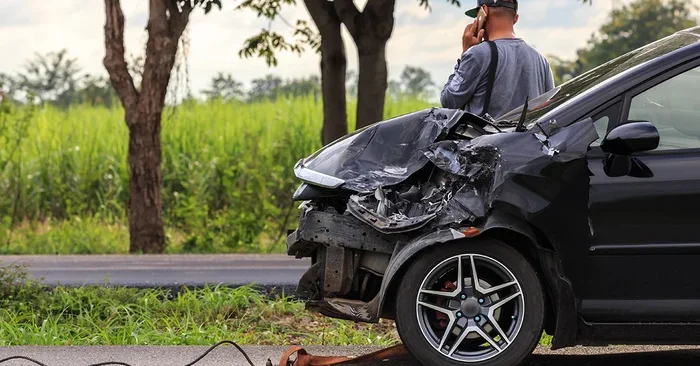
You are walking to your car in a parking lot. You hear a loud crunch. You turn around and see a car speeding away. Your heart sinks. This is a hit-and-run accident, and it is one of the most stressful things a driver can experience. The worst part? The other driver just drove off and left you dealing with the damage.
So what happens next? Does your car insurance cover hit-and-run accidents? The short answer is yes, in most cases. But the details matter a lot. Your coverage type, your policy limits, and the steps you take right after the accident all play a huge role in whether you get compensated. Let us walk through everything you need to know.
Hit-and-run accidents are more common than most people think. According to the AAA Foundation, hit-and-run crashes cause about 2,000 deaths every year in the United States alone. Whether it is a parking lot fender bender or a serious collision on the highway, knowing your insurance rights can make a huge difference. This guide breaks it all down in simple terms so you can protect yourself and your wallet.
Key Takeaways
- Uninsured motorist coverage is your best friend: It is designed to cover hit-and-run scenarios when the other driver cannot be identified.
- Collision coverage pays for your car repairs: Even without the other driver’s info, your own policy can step in.
- File a police report immediately: Most insurance companies require proof of a police report to process a hit-and-run claim.
- Document everything at the scene: Photos, witness statements, and dashcam footage strengthen your case significantly.
- Bodily injury coverage applies too: If you or your passengers are hurt, medical costs may also be covered.
- Deductibles still apply: You will likely pay a deductible before your insurance kicks in for repairs.
- Premiums may increase: Filing a claim can affect your rates, so weigh the cost of repairs against the claim.
📑 Table of Contents
- What Counts as a Hit-and-Run Accident?
- Does Your Car Insurance Cover Hit-and-Run Accidents?
- What to Do Right After a Hit-and-Run Accident
- Common Challenges with Hit-and-Run Claims
- How to Protect Yourself from Hit-and-Run Accidents
- Will Filing a Hit-and-Run Claim Increase Your Premiums?
- What If You Are the Hit-and-Run Driver?
- Frequently Asked Questions About Hit-and-Run Insurance Claims
- Final Thoughts on Hit-and-Run Insurance Coverage
What Counts as a Hit-and-Run Accident?
A hit-and-run accident happens when a driver causes damage or injury and then leaves the scene without stopping. This can occur in many different situations. It might be a parked car that gets hit by another vehicle, and the driver drives away without leaving a note. It could also be a moving collision where both cars are involved, and one driver flees.
Here are the most common types of hit-and-run incidents:
- Parked car damage: Someone hits your parked car and drives off. You might not even see it happen.
- Moving collision: Two cars are driving, one sideswipes the other or rear-ends them, and the at-fault driver speeds away.
- Pedestrian hit-and-run: A driver hits a pedestrian and leaves the scene. This is the most serious type.
- Cyclist or motorcyclist involved: Smaller vehicles or bikes get hit, and the driver takes off.
No matter the type, the key factor is that the other driver did not stay to exchange information or provide aid. In most states, leaving the scene of an accident is a criminal offense. The penalties can include fines, license suspension, and even jail time depending on the severity.
Does Your Car Insurance Cover Hit-and-Run Accidents?
This is the big question, and the answer is not a simple yes or no. It depends on what kind of car insurance you carry and the specifics of the incident. Let us break down the different types of coverage that can help.
Uninsured Motorist Coverage
Uninsured motorist coverage is often the best protection for hit-and-run scenarios. This coverage kicks in when the other driver cannot be identified or does not have insurance. Since the hit-and-run driver is essentially an unidentified and uninsured driver, this coverage is designed to step up and help you.
Most insurance policies offer two types of uninsured motorist coverage:
- Uninsured Motorist Bodily Injury (UMBI): This covers medical expenses for you and your passengers if the at-fault driver is uninsured or unknown.
- Uninsured Motorist Property Damage (UMPD): This covers damage to your vehicle when the other driver cannot be identified.
Not all states require uninsured motorist coverage, but many drivers choose to add it because of how valuable it is in hit-and-run situations. Check your policy to see if you already have this coverage. If you do not, it is worth adding for peace of mind.
Collision Coverage
Collision coverage pays for damage to your car regardless of who caused the accident. This means even if you cannot find the hit-and-run driver, your collision coverage can pay for repairs to your vehicle.
Here is what you need to know about collision coverage and hit-and-run claims:
- You will need to pay your deductible first. The deductible is the amount you pay out of pocket before insurance covers the rest.
- Collision coverage typically has a lower deductible than other types of coverage.
- This coverage applies whether the other driver is identified or not.
- It covers damage from collisions with objects, other vehicles, and in some cases, hit-and-run incidents.
Keep in mind that if the police identify the hit-and-run driver, your insurance may try to recover your deductible through a process called subrogation. This means they go after the other driver’s insurance to get your money back.
Bodily Injury Liability Coverage
If you are injured in a hit-and-run accident, your own bodily injury liability coverage might not apply. This type of coverage pays for injuries you cause to others, not your own injuries. However, if you have uninsured motorist bodily injury coverage, it will cover your medical costs.
Some states also offer personal injury protection (PIP), which covers medical expenses regardless of who is at fault. This can be very helpful in a hit-and-run situation. Check your state laws and your policy details to understand what medical coverage you have.
Comprehensive Coverage
Comprehensive coverage is different from collision coverage. It covers damage from non-collision events like theft, vandalism, fire, and weather damage. In some cases, a hit-and-run that damages your parked car might fall under comprehensive coverage, especially if the damage is from vandalism rather than a moving collision.
However, many insurance companies classify hit-and-run damage to your vehicle under collision coverage instead. It is always a good idea to call your insurance agent and ask them directly how your specific policy handles hit-and-run claims.
What to Do Right After a Hit-and-Run Accident
The moments after a hit-and-run accident are critical. What you do in the first few minutes and hours can make or break your insurance claim. Here is a step-by-step guide to follow.
Step 1: Stay Calm and Check for Injuries
Your safety and the safety of others come first. Check yourself and your passengers for injuries. If anyone is hurt, call 911 immediately. Do not chase the other driver. Chasing a fleeing vehicle is dangerous and could lead to more accidents.
Step 2: Move to a Safe Location
If your car is still drivable and it is safe to move, pull over to the side of the road or a nearby parking area. Turn on your hazard lights. This helps prevent further accidents and keeps you safe while you deal with the situation.
If your car is too damaged to drive, stay where you are if it is safe. Put on your hazard lights and set up flares or reflective triangles if you have them.
Step 3: Call the Police
Always call the police after a hit-and-run accident. Even if the damage seems minor, a police report is essential for your insurance claim. The police can investigate the scene, look for witnesses, and check for security cameras that might have captured the fleeing vehicle.
When the police arrive, give them a clear description of what happened. Include the direction the other car was heading, the color and make of the vehicle if you saw it, and any license plate numbers you might have caught. Every detail matters.
Step 4: Document Everything
Use your phone to take photos of the damage to your vehicle. Take pictures of the surrounding area, any skid marks, and the position of your car. If there are witnesses, ask for their names and contact information. Witness statements can be incredibly valuable when filing a claim.
Also check if there are any dashcams or nearby security cameras that might have recorded the incident. Many parking lots and businesses have cameras that could capture the hit-and-run driver.
Step 5: Notify Your Insurance Company
Call your insurance company as soon as possible. Most policies require you to report an accident within a certain timeframe. The sooner you report, the better. Provide your insurer with the police report number, photos, witness information, and a clear description of what happened.
Your insurance adjuster will guide you through the claim process. They may ask for additional documentation or an official statement. Be honest and thorough in your reporting.
Common Challenges with Hit-and-Run Claims
Hit-and-run claims can be tricky. Insurance companies sometimes scrutinize these claims more closely because the other driver cannot be identified. Here are some common challenges you might face.
Difficulty Proving the Incident
Without the other driver’s information, your insurance company relies heavily on your account and any evidence you can provide. This is why documenting the scene is so important. Dashcam footage, security camera footage, and witness statements all strengthen your claim significantly.
Sometimes, the police cannot find the hit-and-run driver. In these cases, your uninsured motorist coverage or collision coverage becomes your primary source of compensation. Having a solid police report and strong evidence helps your insurer process the claim smoothly.
Insurance Company Disputes
Occasionally, an insurance company might question whether a hit-and-run claim is legitimate. They may investigate more thoroughly or delay the process. This is rare, but it can happen. Having a police report and clear documentation makes it much harder for the insurer to dispute your claim.
When the Other Driver Is Found Later
In some cases, the police identify the hit-and-run driver weeks or even months after the accident. If this happens, your insurance company may shift the claim to the other driver’s insurance. This could mean your deductible gets refunded and your insurance premiums might not increase.
However, if the other driver is found but has no insurance, your uninsured motorist coverage will still be the primary payer. This is another reason why having this coverage is so valuable.
Impact on Your Car’s Performance After Repairs
After a hit-and-run accident, your car might not run the same way it did before. Even after professional repairs, you might notice issues. Sometimes, hidden damage from a collision can cause your car to have no power at all, or it might start turning over but won’t start properly. If you experience any of these problems after a hit-and-run repair, get your car checked by a trusted mechanic right away.
Keep all repair receipts and documentation. If the original damage was caused by the hit-and-run and new issues arise from incomplete repairs, your insurance may cover additional costs.
How to Protect Yourself from Hit-and-Run Accidents
While you cannot prevent every hit-and-run accident, there are steps you can take to protect yourself and make the claims process easier if one does happen.
Install a Dashcam
A dashcam is one of the best investments a driver can make. It records everything happening around your vehicle and can capture the hit-and-run driver’s license plate, make, and model. This evidence can be the difference between a smooth claim and a long, frustrating process.
Park in Well-Lit Areas
Hit-and-run accidents on parked cars are very common. Parking in well-lit areas with high foot traffic reduces the risk. Avoid dark, isolated spots whenever possible.
Add Uninsured Motorist Coverage
If you do not already have uninsured motorist coverage, add it to your policy. It is relatively affordable and provides excellent protection in hit-and-run scenarios. Talk to your insurance agent about the right limits for your needs.
Keep Your Information Updated
Make sure your insurance policy is current and your contact information is up to date. If you need to file a claim quickly after an accident, you do not want to be scrambling to find your policy number or proof of coverage.
Will Filing a Hit-and-Run Claim Increase Your Premiums?
This is a very common concern, and the answer depends on your specific situation. In many cases, filing an uninsured motorist claim for a hit-and-run will not increase your premiums because you were not at fault. Your insurance company cannot raise your rates for something another driver did.
However, if you file a collision claim and your insurer has to pay out, there is a chance your premiums could go up. This varies by insurance company and state laws. Some insurers are more forgiving with hit-and-run claims than others.
The best approach is to talk to your insurance agent before filing a claim. They can explain how a claim will affect your specific policy and rates. In some cases, paying for minor repairs out of pocket might be cheaper than dealing with a premium increase.
What If You Are the Hit-and-Run Driver?
If you accidentally hit a car or person and left the scene, the consequences can be severe. Even if the damage seems minor, leaving the scene is illegal in every state. You could face criminal charges, license suspension, and significant fines.
From an insurance perspective, leaving the scene of an accident can result in your policy being canceled. Future insurance companies may also refuse to cover you. If you realize you were involved in a hit-and-run, the best thing to do is go back to the scene or contact the police immediately. Taking responsibility can significantly reduce the legal and financial consequences.
Frequently Asked Questions About Hit-and-Run Insurance Claims
Can you file a hit-and-run claim without a police report?
Most insurance companies require a police report for hit-and-run claims. Without a police report, your claim is much more likely to be denied. Always call the police after a hit-and-run, even if the damage seems minor. The police report serves as official documentation of the incident and strengthens your case significantly.
How long do you have to file a hit-and-run insurance claim?
The timeframe varies by insurance company and state law. Most insurers require you to report the accident within 24 to 72 hours. Check your policy for the specific reporting requirements. Filing as soon as possible is always the best approach to avoid any complications with your claim.
Does comprehensive insurance cover hit-and-run damage to a parked car?
It depends on how the insurance company classifies the damage. Some comprehensive policies cover hit-and-run damage to parked cars, especially if it is treated as vandalism. However, many companies classify this under collision coverage. Contact your insurer directly to understand how your specific policy handles parked car hit-and-run incidents.
What if the hit-and-run driver is later identified?
If the police find the hit-and-run driver, your insurance company may pursue reimbursement from the other driver’s insurance through subrogation. In this case, your deductible might be refunded, and your premiums may not increase. This is another strong reason to have uninsured motorist coverage as your primary protection.
Can you get compensation for emotional distress from a hit-and-run?
In some cases, yes. If you suffered emotional trauma from a hit-and-run accident, your uninsured motorist bodily injury coverage may cover counseling and therapy costs. The specifics depend on your policy limits and state laws. Keep all medical and therapy records as documentation for your claim.
Is hit-and-run coverage different from regular car insurance?
There is no separate hit-and-run coverage. Instead, hit-and-run accidents are covered by existing coverage types like uninsured motorist coverage, collision coverage, and comprehensive coverage. The key is having the right coverage on your policy before the accident happens. Review your policy regularly to make sure you have adequate protection.
Final Thoughts on Hit-and-Run Insurance Coverage
The answer to does your car insurance cover hit-and-run accidents is generally yes, but the coverage you receive depends on your specific policy. Uninsured motorist coverage and collision coverage are the two main protections that help you recover costs when a driver flees the scene. Without these coverages, you may be left paying for repairs and medical bills on your own.
The best thing you can do is prepare before an accident happens. Make sure your policy includes uninsured motorist coverage and collision coverage. Install a dashcam if possible. Know the steps to take immediately after a hit-and-run. Document everything thoroughly. These simple preparations can save you thousands of dollars and hours of stress.
Hit-and-run accidents are frightening, but you do not have to face them alone. Your insurance policy is designed to protect you in these situations. Understand your coverage, act quickly after an incident, and work closely with your insurance adjuster. You have the power to navigate this process and get back on the road with confidence.