Does Car Insurance Cover Fire Damage And How To File A Claim
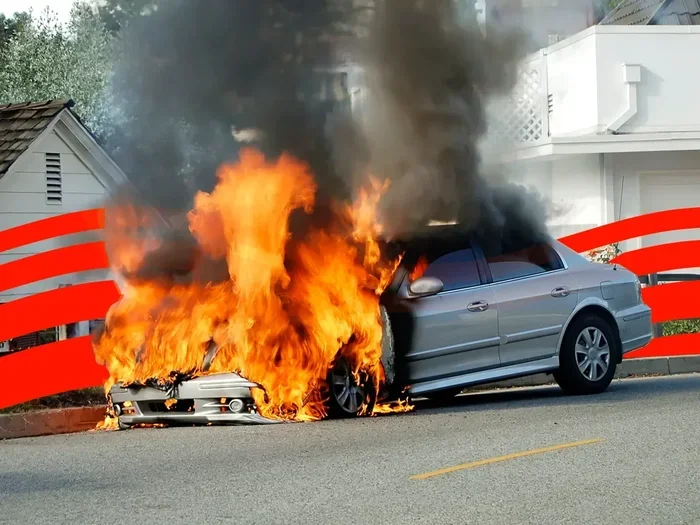
Does car insurance cover fire damage? The answer depends on your policy type and the cause of the fire. Most comprehensive auto insurance policies do cover vehicle fire damage, but you need to understand your insurance claim process to get paid. This guide walks you through everything from filing a fire damage claim to avoiding common mistakes that delay your insurance payout.
Few things are as scary as seeing smoke come from your car. Whether it was a small engine fire or a full blaze that destroyed your vehicle, the aftermath is stressful. One of the first questions on your mind is probably does car insurance cover fire damage. The good news is that in most cases, it does. But there are important details you need to know before you file.
This guide breaks down everything about fire damage coverage and how to file an insurance claim the right way. We will walk you through policy types, the claim process, common pitfalls, and expert tips to help you get the best outcome. Whether your car suffered smoke damage or a total blaze, this article has you covered.
Key Takeaways
- Comprehensive Coverage Is Key: Most standard policies cover fire damage only if you have comprehensive auto insurance included in your plan.
- Filing Quickly Matters: The sooner you file your insurance claim after a fire, the smoother and faster the process will be.
- Document Everything: Photos, police reports, and fire department records are essential proof for your claim.
- Deductibles Apply: You will likely need to pay your insurance deductible before receiving a payout for fire damage repairs.
- Cause of Fire Changes Everything: Whether the fire was caused by an accident, electrical issues, or vandalism affects how your claim is handled.
- Total Loss Is Possible: If the fire damage exceeds your car’s value, your insurer may declare it a total loss vehicle.
📑 Table of Contents
- What Does Car Insurance Cover When It Comes To Fire?
- How Does The Fire Damage Claim Process Work?
- Common Causes Of Car Fires And How Insurance Handles Them
- What Happens If Your Car Is A Total Loss From Fire?
- How To Avoid Common Mistakes When Filing A Fire Damage Claim
- Expert Tips To Strengthen Your Fire Damage Insurance Claim
- Frequently Asked Questions
- Final Thoughts
What Does Car Insurance Cover When It Comes To Fire?
Understanding your auto insurance policy is the first step. Not all coverage types treat fire damage the same way. Let us break down what each type typically covers.
Comprehensive Coverage And Fire Damage
Comprehensive insurance is the main player when it comes to fire damage. This coverage type handles events that are not caused by a collision. Think of things like engine fires, electrical fires, vandalism, and wildfires. If your car catches fire while parked on the street, comprehensive coverage usually steps in to pay for the damage.
Here is what comprehensive fire damage coverage typically includes:
- Engine fires caused by mechanical failure or overheating
- Electrical fires from faulty wiring or short circuits
- Vandalism fires where someone intentionally sets your car on fire
- Wildfire damage from natural disasters
- Smoke damage that ruins the interior of your vehicle
Keep in mind that comprehensive coverage does not cover fire damage caused by a car accident. That falls under collision coverage. We will get into that below.
Collision Coverage And Accident-Related Fires
If your car catches fire after a crash, collision insurance is what pays for the damage. This applies when a fire results directly from an accident you were involved in. For example, if you rear-end another car and the impact causes a fuel leak that leads to a fire, your collision coverage should handle the repairs.
However, there is a catch. If the fire was caused by a pre-existing issue that had nothing to do with the accident, your collision claim might get denied. This is why documenting the cause of the fire is so important. Always let your insurance company know exactly what happened from the very beginning.
Liability Coverage And Fire Damage To Others
Liability coverage works differently. It does not pay for damage to your own car. Instead, it covers fire damage you cause to someone else’s property or vehicle. If your car catches fire and spreads to a garage or another vehicle, your liability insurance helps pay for their losses. Most states require you to carry at least a basic level of liability coverage, so this protection is almost always in place.
How Does The Fire Damage Claim Process Work?
Filing a fire damage insurance claim can feel overwhelming, but it does not have to be. The process is straightforward if you follow the right steps. Here is exactly what to expect.
Step 1: Ensure Safety First
Your safety comes before everything else. If your car is on fire or still smoking, move away from the vehicle immediately. Call 911 if there is any danger of the fire spreading. Do not try to fight a large fire on your own. Once you are safe, call your insurance company to report the incident.
Step 2: Document The Damage
Take as many photos and videos as you can before anything is moved or repaired. Capture the exterior, interior, engine bay, and any areas affected by smoke or heat. These images serve as crucial evidence when you file your claim. The more documentation you have, the stronger your case will be.
Step 3: Get A Police Or Fire Department Report
Most insurers want an official report explaining what caused the fire. Contact your local fire department and ask for a copy of their report. If the fire occurred on a public road or involved another vehicle, a police report is also helpful. These official documents add credibility to your insurance claim and speed up the review process.
Step 4: File Your Claim Promptly
Do not wait. Every insurance policy has a time limit for filing claims. The sooner you submit your fire damage claim, the better. Most companies allow you to file online or through their mobile app. Have your policy number, photos, and official reports ready when you file.
Step 5: Meet With An Insurance Adjuster
After you file, your insurer will assign an insurance adjuster to evaluate the damage. The adjuster will inspect your vehicle, review your documentation, and determine the cost of repairs or whether the car is a total loss vehicle. Be honest and thorough during this inspection. Any inconsistencies can delay or even deny your claim.
Step 6: Receive Your Payout
Once the adjuster finishes their assessment, your insurer will issue a payout. The amount depends on your insurance deductible, your policy limits, and the actual cash value of your car. If you owe money on a loan or lease, the payout may go directly to your lender first.
Common Causes Of Car Fires And How Insurance Handles Them
Not all car fires are the same. The cause of the fire can impact whether your claim gets approved and how much you receive. Let us look at the most common causes and how each is treated.
Engine Fires From Mechanical Failure
Engine fires are one of the most common types of vehicle fires. They often start from oil leaks, overheating engines, or faulty fuel lines. If your car has a comprehensive insurance policy, engine fires are typically covered. However, if the fire was caused by poor maintenance, your insurer might argue that you did not take proper care of the vehicle. Regular oil changes and engine inspections can help prevent this issue and strengthen your claim.
Electrical Fires
Modern cars have complex electrical systems. Wiring problems, faulty sensors, and short circuits can all lead to electrical fires. These are generally covered under comprehensive coverage. One thing to watch out for is aftermarket installations. If you recently added a new stereo, alarm system, or car charger and the fire started there, your insurer might investigate whether the installation was done properly. Using certified professionals for any electrical work on your car is always a smart move.
Wildfires And Natural Disasters
If you live in an area prone to wildfires, your comprehensive coverage should protect you from fire damage caused by natural disasters. This is one of the main reasons comprehensive auto insurance is worth the extra cost. Wildfire damage claims have increased significantly in recent years, especially in California, Oregon, and other western states.
Vandalism And Arson
If someone intentionally sets your car on fire, comprehensive coverage has you covered. Vandalism-related fire damage is treated the same as other non-collision fire claims. Make sure you file a police report right away. This is one of the strongest pieces of evidence you can provide to your insurer. A quick car fire claim with solid documentation usually results in a smooth payout.
Accident-Related Fires
When a fire starts because of a collision, your collision coverage kicks in. This is different from comprehensive coverage. The key difference is that collision covers damage from crashes, while comprehensive covers everything else. If your car catches fire after a fender bender, make sure you report both the accident and the fire to your insurer. Mixing up the details can cause delays.
What Happens If Your Car Is A Total Loss From Fire?
Sometimes the fire damage is too severe to repair. In these cases, your insurance company may declare your vehicle a total loss vehicle. This means the cost of repairs exceeds the car’s actual cash value. Instead of paying for repairs, your insurer pays you the market value of the car minus your insurance deductible.
Here is how the total loss process typically works:
- The adjuster inspects the vehicle and determines repair costs
- The repair costs are compared to the car’s actual cash value
- If repairs cost more than a certain percentage of the car’s value (usually 70% to 80%), it is declared a total loss
- You receive a payout for the car’s market value
- If you still owe money on a loan, the payout goes to your lender first
Getting a fair payout for a total loss vehicle sometimes requires negotiation. Insurance companies often offer a low initial amount. Do not accept the first offer without checking comparable vehicle values in your area. Websites like Kelley Blue Book or Edmunds can help you prove your car’s true market value.
How To Avoid Common Mistakes When Filing A Fire Damage Claim
Mistakes during the claim process can cost you time and money. Here are the most common errors people make and how to avoid them.
Waiting Too Long To Report The Fire
Delaying your claim is one of the biggest mistakes you can make. Insurance companies expect prompt reporting. Waiting even a few days can raise red flags and lead to delays or denials. Report the fire as soon as you are safely away from the vehicle.
Failing To Document Properly
Without proper documentation, your fire damage claim is much weaker. Take photos from multiple angles. Record videos of the damage. Save all receipts for towing and temporary transportation. The more evidence you provide, the easier it is for your insurance adjuster to approve your claim quickly.
Admitting Fault Before Speaking To Your Insurer
Never admit fault or speculate about the cause of the fire before talking to your insurance company. Let the professionals investigate. Making assumptions can hurt your case. Simply report the facts and let the adjuster do their job.
Ignoring Your Policy Details
Every auto insurance policy is different. Some policies have specific exclusions for certain types of fire damage. For example, if you race your car and it catches fire, your insurer might deny the claim. Read your policy carefully and ask your agent questions before you ever need to file a claim.
Not Getting Multiple Repair Estimates
When your insurer offers a repair estimate, do not just accept it. Get your own estimates from trusted mechanics or body shops. If the insurer’s estimate seems low, present your evidence and negotiate. This is your right as a policyholder.
Expert Tips To Strengthen Your Fire Damage Insurance Claim
Getting the most out of your fire damage coverage takes preparation and knowledge. Here are expert-backed tips that can make a real difference.
Keep a file of all communications with your insurance company. Every phone call, email, and letter matters. If there is ever a dispute, this paper trail is your best friend. Ask questions about anything you do not understand. Your policy is a contract, and you deserve to know exactly what is covered.
Consider aftermarket coverage if you have upgraded parts on your car. Standard policies may only cover factory parts. If you have custom wheels, a high-end sound system, or other upgrades, make sure they are listed on your policy. This small step can save you thousands of dollars after a fire.
Review your policy annually. Your needs change, and so should your coverage. If you live in an area with a high risk of wildfires or vandalism, make sure your comprehensive insurance limits are adequate. A few extra dollars per month in premiums can save you from a massive out-of-pocket expense after a fire.
Frequently Asked Questions
Does car insurance cover fire damage if the fire was caused by an electrical short?
Yes, in most cases. Electrical short fires are covered under comprehensive auto insurance. Make sure you report the fire promptly and provide a fire department report. Your insurer will investigate the cause, but electrical failures are generally considered covered events under standard comprehensive policies.
Will my insurance company pay if my car was parked and caught fire for no obvious reason?
Most likely, yes. If your car was parked and caught fire without any collision or obvious external cause, comprehensive coverage typically applies. The key is to document everything, get a fire department report, and file your claim as soon as possible. Insurers need to rule out fraud or negligence, but unexplained fires in parked cars are usually covered.
How long does it take to get a payout for a fire damage claim?
The timeline varies depending on your insurer and the complexity of the claim. Simple claims with clear documentation can be resolved in two to four weeks. More complex cases, especially total loss situations, may take six to eight weeks. Prompt filing and thorough documentation are the best ways to speed up the process.
Does filing a fire damage claim increase my insurance premiums?
It can, but not always. Fire damage claims under comprehensive coverage are sometimes treated differently than accident claims. Some insurers do not raise premiums for non-accident-related comprehensive claims. However, multiple claims within a short period may trigger a rate increase. Check with your specific insurer for their policy on this.
What if my car is financed and the fire damage exceeds the car’s value?
If your car is a total loss vehicle, the insurance payout goes first to pay off any remaining loan balance. If the payout is less than what you owe, you will still be responsible for the difference. This is why gap insurance is so valuable. Gap insurance covers the gap between your car’s actual cash value and what you still owe on the loan.
Can I choose my own repair shop for fire damage repairs?
Yes, you can. Insurance companies often have preferred repair networks, but you are not required to use them. You have the right to choose any licensed repair shop. Just make sure the shop provides detailed estimates and communicates directly with your insurer. Getting multiple estimates helps ensure fair repair costs.
Final Thoughts
So, does car insurance cover fire damage? The short answer is yes, in most situations. Whether your car suffered from an engine fire, electrical malfunction, wildfire, or vandalism, the right coverage can protect you from significant financial loss. The key is understanding your policy, acting quickly, and following the proper claim process step by step.
Do not wait until a fire happens to review your coverage. Take time now to understand what your auto insurance policy includes. Make sure you have comprehensive coverage if you want fire damage protection. Keep your documentation organized and your contact information for your insurer easily accessible.
Filing a fire damage insurance claim does not have to be scary. With the right knowledge and preparation, you can navigate the process confidently and get back on the road. Remember to document everything, report promptly, and never hesitate to ask your insurer questions. Your coverage is there to protect you, and knowing how to use it is the best way to make sure it does.