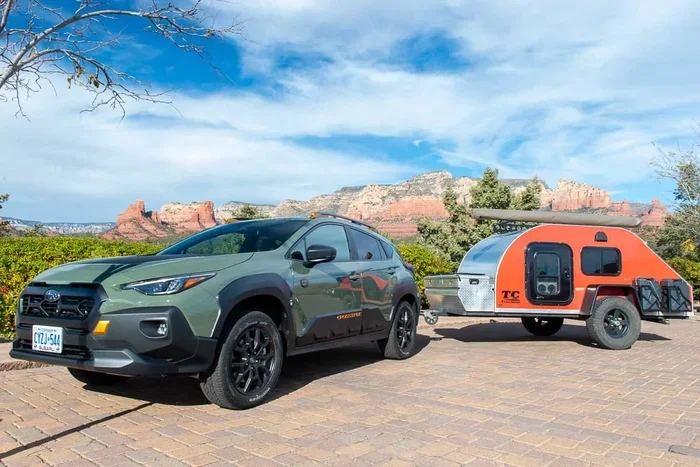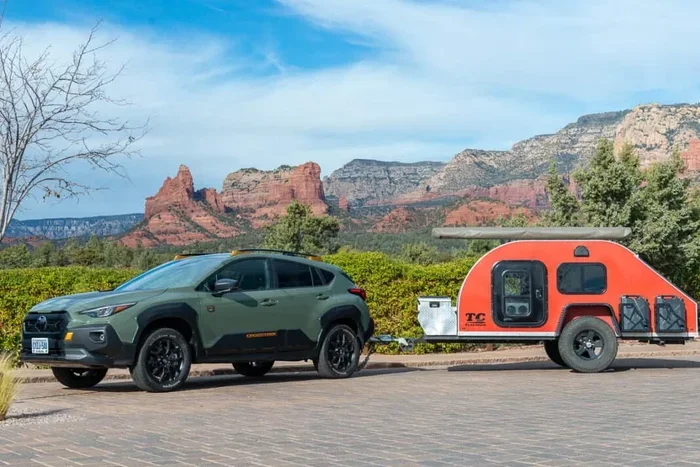
Can a Subaru Crosstrek Tow a Camper and Still Be Comfortable
The Subaru Crosstrek can tow a camper, but the answer depends on your specific model year and how much weight your camper carries. With a towing capacity of around 1,500 pounds, the Crosstrek handles lightweight to mid-size trailers well. You will need the right hitch, proper setup, and smart towing habits to stay comfortable and safe on the road.
So you want to hit the open road with a camper in tow behind your Subaru Crosstrek. Maybe you have a small pop-up trailer or a lightweight camper shell. Maybe you are just starting to explore camping and wondering if your current car can handle the job. Either way, the big question is simple: can a Subaru Crosstrek tow a camper and still be comfortable?
The answer is yes, but with some important caveats. The Subaru Crosstrek is a capable little vehicle. It has all-wheel drive, decent ground clearance, and a surprisingly strong towing capacity for its size. But towing a camper is not the same as driving without one. You need to understand your limits, pick the right gear, and drive with care. This guide covers everything you need to know about towing a camper with a Subaru Crosstrek, from capacity numbers to real-world comfort tips.
Whether you are planning a weekend camping trip or a full cross-country adventure, this article will help you figure out if your Crosstrek is up to the task. We will break down towing specs, equipment needs, setup tips, and common mistakes to avoid. By the end, you will know exactly what it takes to tow a camper safely and comfortably with your Subaru.
Key Takeaways
- Towing Capacity: The Subaru Crosstrek can tow up to 1,500 pounds when properly equipped.
- Hitch Is Essential: You need a compatible hitch receiver and ball mount to tow safely.
- Payload Matters: Your camper weight, cargo, and passengers all count toward the Crosstrek’s limits.
- Comfort Is Achievable: With the right setup, towing a camper with a Crosstrek can be a smooth and enjoyable experience.
- Safety First: Always use towing mirrors, check trailer brakes, and practice safe driving habits.
- Fuel Economy Drops: Expect reduced MPG when towing a camper compared to driving without a trailer.
- Know Your Limits: Staying within the towing and payload limits keeps your Crosstrek running strong.
📑 Table of Contents
- Can a Subaru Crosstrek Tow a Camper? The Short Answer
- Understanding the Subaru Crosstrek Towing Capacity
- Hitch and Towing Equipment You Will Need
- Setting Up Your Crosstrek for Camping Trips
- Real-World Towing Experience and Comfort
- Common Mistakes to Avoid When Towing with a Crosstrek
- Expert Tips for a Comfortable Towing Experience
- Conclusion
Can a Subaru Crosstrek Tow a Camper? The Short Answer
The short answer is yes. Most Subaru Crosstrek models can tow up to 1,500 pounds when equipped with the proper towing package. That is enough to handle a small pop-up camper, a lightweight travel trailer, or a camper shell. However, the exact towing capacity varies by model year and trim level, so you should always check your specific vehicle.
Here is what matters most when asking if a Subaru Crosstrek can tow a camper:
- Model Year: Newer models tend to have updated towing specs and better towing technology.
- Engine Type: The standard 2.5-liter boxer engine provides enough power for light towing.
- Towing Package: Some trims include a factory towing package that adds a hitch receiver and wiring harness.
- Camper Weight: Your fully loaded camper must stay under the 1,500-pound limit.
- Payload Capacity: Your passengers, gear, and cargo all add weight that counts against your limits.
If you keep your camper weight within range and follow proper towing guidelines, your Crosstrek will handle the job well. The key is knowing your numbers before you hit the road.
Understanding the Subaru Crosstrek Towing Capacity
Towing capacity is not just one number. It involves several weight limits that work together. Understanding these numbers helps you stay safe and avoid overloading your vehicle.
Towing Capacity vs. Payload Capacity
Many people confuse towing capacity with payload capacity, but they are different. Towing capacity is the maximum weight your Crosstrek can pull behind it with a trailer. Payload capacity is the maximum weight your Crosstrek can carry inside itself, including passengers, cargo, and the tongue weight of your trailer.
For the Subaru Crosstrek, the payload capacity is typically around 800 to 900 pounds. That means if you have two passengers weighing 150 pounds each and a camper with a tongue weight of 150 pounds, you are already at 450 pounds. Your remaining cargo space is limited. Always factor in both towing and payload when planning a trip.
What the Owner’s Manual Says
Your Subaru Crosstrek owner’s manual is the best place to find your exact towing numbers. Every model year may have slight differences. The manual will also list any requirements for towing, such as using a specific hitch class or adding a wiring harness. Do not guess. Read the manual for your specific year and trim.
Some older Crosstrek models may have a lower towing capacity than newer ones. If you are buying a used Crosstrek specifically for towing, confirm the towing specs before you commit. A 2018 Crosstrek might have different limits than a 2023 Crosstrek.
Hitch and Towing Equipment You Will Need
You cannot just attach a camper to your Crosstrek with a rope. Proper towing equipment is essential for safety and performance. Here is what you need to tow a camper with a Subaru Crosstrek.
Choosing the Right Hitch Receiver
A Class II hitch receiver is the standard for the Subaru Crosstrek. It supports up to 1,500 pounds of towing capacity and can handle a ball mount for most small campers. You can find aftermarket hitch receivers that bolt onto the Crosstrek’s frame without drilling. Many owners install them themselves with basic tools.
When choosing a hitch, look for one that is compatible with your specific Crosstrek model year. Some hitches are universal, while others are designed for specific platforms. A proper fit ensures a secure connection and prevents rattling or swaying on the road.
Ball Mount and Weight Distribution
The ball mount connects your hitch receiver to the camper trailer. Choose a ball mount with the correct drop or rise to keep your camper level when attached. A level camper tows much better than one that is nose-heavy or tail-heavy.
For campers under 1,500 pounds, a standard ball mount usually works fine. If your camper has a heavier tongue weight, consider a weight distribution hitch. This system spreads the load more evenly across all four wheels, improving stability and handling. It is especially helpful on long highway drives.
Wiring Harness and Lights
Your camper needs working brake lights and turn signals. A wiring harness connects your Crosstrek’s electrical system to the trailer lights. Most aftermarket hitch kits include a wiring harness, but make sure it is compatible with your vehicle. A proper wiring setup keeps you legal on the road and keeps other drivers safe.
Setting Up Your Crosstrek for Camping Trips
Towing a camper is only part of the equation. You also need to think about how you will carry your camping gear, whether your Crosstrek can handle the extra load, and what accessories make the experience more comfortable.
Roof Racks and Cargo Storage
The Subaru Crosstrek has decent cargo space in the back, but when you add a camper trailer, you need to be smart about what goes inside the vehicle. A roof rack is a great way to carry extra gear like tents, coolers, and sleeping bags. If your Crosstrek does not have factory roof rails, you can still install a roof rack without rails using clamp-on systems.
Keep in mind that adding a roof rack increases wind resistance, which can slightly affect fuel economy. But the extra cargo space is worth it for most campers. Just make sure your roof rack is rated for the weight of your gear.
Towing Mirrors and Visibility
When you tow a camper, your side mirrors may not give you enough visibility. Extended towing mirrors are a simple and affordable upgrade. They give you a better view of the trailer and the road behind you. In many states, extended mirrors are required by law when towing a wide trailer.
Some Subaru Crosstrek owners also add blind spot monitoring to help with towing awareness. While this feature is not a replacement for proper mirrors, it adds an extra layer of safety when changing lanes or merging onto highways.
Packing Tips for Comfort
How you pack your Crosstrek affects both comfort and safety. Place heavier items low and toward the center of the vehicle. Avoid overloading one side, which can cause the car to pull in that direction. Keep frequently used items like snacks, water, and maps within easy reach.
If you are hauling bulky items like a sheet of plywood or lumber for a DIY camping project, you may need to secure it carefully on the roof rack or find a different solution. Overloading the cabin can make the ride uncomfortable and unsafe.
Real-World Towing Experience and Comfort
Now let us talk about the real-world experience of actually towing a camper with a Subaru Crosstrek. This is where theory meets the open road.
Fuel Economy While Towing
Fuel economy drops when you tow a camper. The Subaru Crosstrek gets around 30 to 33 MPG on the highway without a trailer. When towing a lightweight camper, expect that number to drop to around 22 to 27 MPG, depending on the camper weight, driving speed, and road conditions.
Here are some tips to improve fuel economy while towing:
- Keep your speed steady and avoid rapid acceleration.
- Use cruise control on flat highways.
- Keep your tires properly inflated.
- Remove unnecessary weight from both the vehicle and the trailer.
- Plan your route to avoid steep hills when possible.
While the drop in fuel economy is noticeable, most Crosstrek owners find it manageable for weekend trips. The key is planning your fuel stops, especially on long drives through remote areas.
Handling and Stability on the Road
The Subaru Crosstrek handles well when towing, thanks to its all-wheel drive system and low center of gravity. The boxer engine sits low in the engine bay, which helps with balance. On highways, a properly loaded Crosstrek with a small camper feels stable and confident.
However, there are some things to watch for:
- Trailer Sway: Wind or uneven road surfaces can cause your camper to sway. A weight distribution hitch helps reduce this.
- Braking Distance: A loaded Crosstrek takes longer to stop. Keep a larger following distance from other vehicles.
- Turning Radius: Your turning radius increases when towing. Make wider turns and be mindful of your trailer’s swing.
- Crosswinds: The Crosstrek’s tall stance can catch crosswinds. Slow down in windy conditions.
Overall, the Crosstrek is a comfortable tow vehicle for small to medium campers. It is not a full-size truck, so do not expect it to haul a large fifth-wheel trailer. But for the typical camping setup, it handles the job well.
Comfort for Passengers
One of the best things about the Subaru Crosstrek is that it is designed for comfort. The seats are supportive, the cabin is quiet, and the ride quality is smooth. When you are towing a camper, your passengers will still enjoy a comfortable ride, especially on long highway drives.
The Crosstrek also has good visibility, which makes it easier for the driver to stay relaxed. Less driver fatigue means a safer trip. If you are comparing vehicles for towing a camper, the Crosstrek offers a surprisingly comfortable experience for its class.
Common Mistakes to Avoid When Towing with a Crosstrek
Even experienced drivers make mistakes when towing. Here are common errors that can lead to trouble on the road.
Exceeding Towing or Payload Limits
This is the most dangerous mistake. Exceeding your towing capacity or payload limit puts stress on your engine, transmission, brakes, and suspension. It can also cause loss of control. Always stay within your Crosstrek’s rated limits. If your camper is close to the 1,500-pound limit, weigh it on a public scale before you leave.
Skipping the Break-In Period
If you just bought a new Crosstrek, avoid towing during the break-in period. Subaru recommends avoiding heavy towing for the first 600 to 1,000 miles. This allows your engine and transmission to properly seat and break in. Check your owner’s manual for specific guidance.
Ignoring Trailer Maintenance
Your camper trailer needs regular maintenance too. Check tire pressure on the trailer before every trip. Inspect the trailer lights and wiring. Make sure the coupler and hitch connections are secure. A well-maintained trailer tows much more safely than one that has been neglected.
Not Practicing Before the Trip
If you have never towed before, practice in a safe, empty area before your camping trip. Get a feel for how your Crosstrek handles with the trailer attached. Practice backing up, turning, and braking. This preparation will boost your confidence and reduce stress on your actual trip.
Expert Tips for a Comfortable Towing Experience
Here are some expert-level tips that make a real difference when towing a camper with a Subaru Crosstrek:
- Get a professional hitch installation. Even if you can DIY it, a professional ensures the hitch is properly aligned and secured.
- Use a torque wrench. When installing your hitch and ball mount, tighten all bolts to the manufacturer’s torque specs.
- Check your tire pressure. Both the Crosstrek tires and the camper tires should be at the correct pressure before every trip.
- Pack smart. Place your heaviest gear over the axle of the camper to reduce trailer sway.
- Take breaks. On long drives, stop every couple of hours to check your trailer connections and give yourself a rest.
- Know your route. Research road grades and conditions ahead of time. Mountain passes can be tough on a small tow vehicle.
Following these tips will help you tow safely and comfortably. The Subaru Crosstrek is a great platform for camping adventures, as long as you respect its limits and prepare properly.
Conclusion
The Subaru Crosstrek can absolutely tow a camper and still keep you comfortable on the road. With a towing capacity of up to 1,500 pounds, it handles small to mid-size campers with ease. The key is understanding your vehicle’s limits, investing in the right equipment, and driving with care and awareness.
Whether you are a first-time camper or a seasoned road-tripper, the Crosstrek proves itself as a capable and comfortable towing companion. It offers strong all-wheel drive, good fuel economy, a smooth ride, and enough cargo space for your camping gear. Just remember to stay within your towing and payload limits, use proper safety equipment, and plan ahead.
If you are ready to start your camping adventure, your Subaru Crosstrek is more than ready to tow the way. Do your homework, pack smart, and enjoy the journey. The open road and a good campsite are waiting for you.
Frequently Asked Questions
What is the towing capacity of a Subaru Crosstrek?
Most Subaru Crosstrek models can tow up to 1,500 pounds when equipped with the proper towing package. This capacity is enough for a small pop-up camper, a lightweight travel trailer, or a camper shell. Always check your specific model year and trim for the exact towing number.
Do I need a special hitch to tow a camper with a Crosstrek?
Yes, you need a Class II hitch receiver that is compatible with your Crosstrek model year. The hitch should include a ball mount and wiring harness for trailer lights. Many owners install the hitch themselves, but a professional installation ensures the best fit and safety.
Can I tow a camper with a Subaru Crosstrek on a long road trip?
Yes, the Crosstrek handles long road trips well when towing a lightweight camper. However, fuel economy drops compared to driving without a trailer, so plan your fuel stops. Take regular breaks, check your trailer connections, and stay within your towing limits for a safe and comfortable trip.
Will towing a camper damage my Subaru Crosstrek?
Towing within your Crosstrek’s rated limits will not damage the vehicle. Exceeding the towing or payload capacity, however, can strain the engine, transmission, and brakes over time. Always respect your vehicle’s limits and maintain your trailer properly to avoid damage.
What type of camper can a Subaru Crosstrek tow?
The Crosstrek can tow small pop-up campers, lightweight travel trailers, and camper shells that weigh under 1,500 pounds fully loaded. It is not designed for large fifth-wheel trailers or heavy horse trailers. Stick to lightweight camping setups for the best experience.
How does towing affect the Subaru Crosstrek’s fuel economy?
Fuel economy drops when towing a camper. The Crosstrek typically gets around 22 to 27 MPG while towing, compared to 30 to 33 MPG without a trailer. Keeping your speed steady, reducing excess weight, and maintaining proper tire pressure can help improve your MPG while towing.