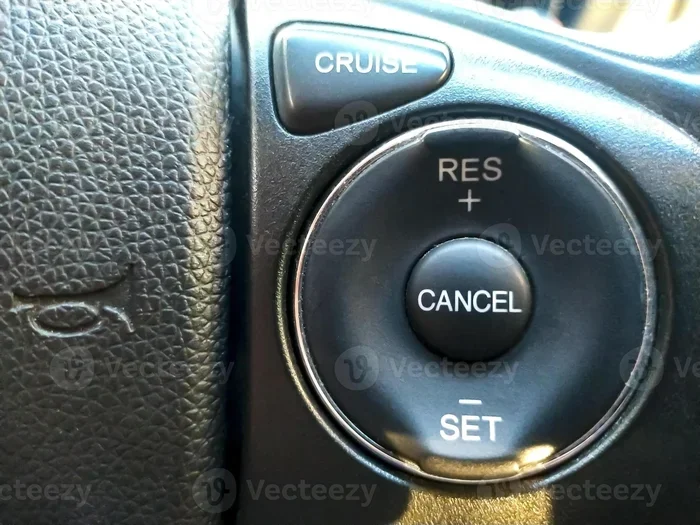
Where Is My Cruise Control Button And Why It Matters
Knowing exactly where your cruise control button is can transform your highway driving experience. This guide shows you the location across every vehicle type and explains why cruise control matters for comfort, fuel savings, and safety. You will learn how the system works, common problems, and expert tips to get the most from your car.
You are cruising down the highway, and your foot gets tired from holding the accelerator. You reach for the cruise control button but freeze. Where is it? You look everywhere. The steering wheel, the dash, the lever near the turn signal. Nothing. If this sounds familiar, you are not alone. Many drivers struggle to find their cruise control button, especially in unfamiliar vehicles. This guide solves that problem once and for all.
We will show you exactly where to find the cruise control button in every type of car. You will also learn how the system works, why it matters, and how to use it safely. Whether you drive a sedan, SUV, or truck, this article has you covered. Let us get you back on the road with confidence.
Key Takeaways
- Cruise control buttons are typically on the steering wheel or stalk: Most modern cars place them on the steering wheel, while older vehicles often use a stalk on the steering column.
- Location varies by vehicle brand and model: Toyota, Honda, Ford, BMW, and other brands each have slightly different placements you should know.
- Understanding your cruise control system improves safety: Knowing how to set, adjust, and cancel cruise control keeps you in charge on the road.
- Adaptive cruise control adds a new level of convenience: This advanced system adjusts your speed based on traffic ahead.
- Common problems are easy to fix: Faulty switches, blown fuses, and sensor issues are the most frequent cruise control problems.
- Using cruise control correctly saves fuel: Steady speeds on highways improve your gas mileage significantly.
- Always stay alert when using cruise control: The system assists but does not replace attentive driving.
📑 Table of Contents
- What Is a Cruise Control Button?
- Where Is the Cruise Control Button Located?
- How Cruise Control Systems Work
- Why Cruise Control Matters
- Common Cruise Control Problems and How to Fix Them
- Cruise Control vs Adaptive Cruise Control
- Expert Tips for Using Cruise Control Safely
- Where to Find Cruise Control Button by Vehicle Type
- Conclusion
What Is a Cruise Control Button?
A cruise control button is a switch that lets you set a steady speed for your vehicle. Once activated, your car maintains the set speed without you pressing the accelerator pedal. This feature is a game changer for long drives. It reduces fatigue and keeps your driving smooth.
The cruise control button is part of a larger cruise control system. This system includes the button, a control module, sensors, and the throttle mechanism. Together, these parts manage your vehicle speed automatically. Most systems let you set, adjust, resume, and cancel the cruise control with simple button presses.
Basic Cruise Control Functions
Most cruise control systems share a few core functions. Understanding these helps you use the system more effectively:
- On/Off: Turns the cruise control system on or off.
- Set: Locks in your current speed so the car maintains it.
- Resume: Returns to the previously set speed after you cancel cruise control.
- Accelerate/Decelerate: Adjusts the set speed up or down in small increments.
- Cancel: Temporarily turns off cruise control without erasing the set speed.
These functions are simple but powerful. Once you memorize them, using cruise control becomes second nature. The key is knowing where the buttons are located.
Where Is the Cruise Control Button Located?
The location of your cruise control button depends on your vehicle make, model, and year. Automakers place these controls in different spots, but there are only a few common locations. Let us walk through each one.
On the Steering Wheel
Most modern cars place the cruise control buttons right on the steering wheel. This is the most common location in vehicles made after 2005. The buttons are usually clustered together on one side of the wheel or spread across both sides.
For example, Toyota and Honda often put cruise controls on the left side of the steering wheel. Ford vehicles frequently place them on the right side. BMW and Mercedes typically use a combination of buttons on both sides. Look for a small panel with raised buttons or a joystick-style controller on your steering wheel.
If you have a newer car with steering wheel controls, you will likely see a dedicated cruise control icon. It often looks like a speedometer with an arrow. Press the On button first, then Set at your desired speed.
On the Steering Column Stalk
Older vehicles and some trucks use a stalk on the steering column to control cruise control. This is a lever similar to the turn signal stalk. You push it forward or pull it back to set or cancel the cruise control.
Many classic Ford trucks and older Chevrolet models use this design. The stalk usually has a few positions: off, on, and set. You pull the stalk toward you to cancel and push it away to resume. While this design feels different from steering wheel buttons, it works just as well.
On the Dashboard or Center Console
In rare cases, cruise control buttons are located on the dashboard or center console. Some older luxury cars and specialty vehicles use this placement. You might find a small panel with buttons near the gear shift or on the instrument cluster.
This location is uncommon today. If your car does have dashboard controls, they are usually well-labeled. Check your owner manual to confirm the location and function of each button.
Quick Reference by Vehicle Brand
Here is a quick guide to help you find your cruise control button based on popular brands:
- Toyota: Steering wheel controls, usually on the left side below the turn signal lever.
- Honda: Steering wheel controls on the left side, often integrated with the turn signal controls.
- Ford: Steering wheel controls on the right side, or a stalk on the steering column for older models.
- Chevrolet: Steering wheel controls on the left side for most models. Older trucks may use a stalk.
- BMW: Steering wheel controls on both sides, often with a thumb joystick or button cluster.
- Chevrolet: Steering wheel controls on the left side for most models. Older trucks may use a stalk.
- BMW: Steering wheel controls on both sides, often with a thumb joystick or button cluster.
- Jeep: Steering wheel or center console, depending on the model year and trim level.
- Ford Truck: Stalk on the steering column for older models; steering wheel buttons for newer ones.
When in doubt, consult your vehicle owner manual. It will show you a diagram of your specific cruise control layout. This is the fastest way to find any button you need.
How Cruise Control Systems Work
Understanding how your cruise control system works makes it easier to use confidently. The system relies on several components working together seamlessly.
The Throttle and Speed Sensors
At the heart of the cruise control system is the throttle mechanism. When you set a speed, the system sends a signal to the throttle to hold that position. Speed sensors monitor your vehicle velocity and send real-time data to the control module.
If your speed drops, such as going uphill, the system opens the throttle to maintain speed. If you speed up going downhill, it may close the throttle slightly. This happens automatically and keeps your driving smooth.
The Cruise Control Module
The cruise control module acts as the brain of the system. It processes inputs from the speed sensors and your button presses. Then it sends commands to the throttle to adjust accordingly.
Modern vehicles use electronic control modules that are very precise. These modules can make tiny adjustments to keep your speed within a narrow range. This is why cruise control feels so smooth and natural to use.
The Brake and Cancel Mechanism
Safety is a top priority in cruise control design. Pressing the brake pedal instantly cancels the cruise control. This ensures you always have full control when slowing down or stopping.
The cancel mechanism also activates if you press the Cancel button on your controls. The system remembers your set speed even after cancellation. You can resume it by pressing the Resume button once you are ready to speed back up.
Why Cruise Control Matters
You might wonder why finding your cruise control button matters so much. The answer goes beyond convenience. Cruise control affects your comfort, safety, and even your fuel economy.
Reduces Driver Fatigue
Long highway drives can exhaust your right foot. Holding the accelerator for hours causes muscle strain and reduces your reaction time. Cruise control takes this burden away. Your foot rests while your car maintains a steady pace.
This is especially important for truck drivers and road trippers. Studies show that fatigue is a leading cause of highway accidents. Using cruise control on long stretches of road helps you stay alert and fresh.
Improves Fuel Efficiency
Steady speeds save gas. When you cruise at a consistent velocity, your engine works less hard than when you constantly adjust your speed. This translates to better fuel economy over time.
According to the Department of Energy, maintaining a steady speed can improve your gas mileage by 7 to 14 percent on the highway. That adds up to real savings at the pump. Using cruise control on flat, open highways gives you the best results.
Enhances Driving Safety
Contrary to what some drivers think, cruise control can improve safety. It prevents unintentional speeding by locking your vehicle at a set limit. This is especially helpful on long highway drives where you might not notice your speed creeping up.
However, you must stay engaged. Cruise control is an assistive feature, not a replacement for attentive driving. Always keep your hands near the wheel and your eyes on the road. The system helps you drive better but does not drive for you.
Smooths Your Driving Experience
Frequent acceleration and braking create a jerky, uncomfortable ride. Cruise control smooths this out. Your car maintains a consistent flow, which makes the ride more pleasant for everyone on board.
This smooth driving also reduces wear on your brakes and accelerator pedal. Over time, this can lower your maintenance costs. A smoother ride means a happier driver and passengers.
Common Cruise Control Problems and How to Fix Them
Sometimes cruise control stops working. Before you panic, know that most problems are easy to diagnose and fix. Here are the most common issues and their solutions.
Cruise Control Button Not Responding
If your cruise control button does not respond, the switch itself may be worn out. Steering wheel buttons endure a lot of use over the years. Dirt, moisture, and wear can cause them to fail.
Try cleaning the buttons with contact cleaner first. If that does not work, the switch may need replacement. A mechanic can diagnose this quickly and replace the faulty switch for a reasonable cost.
Cruise Control Won’t Set
If you press Set but the system does not engage, check a few things first. Are you above 25 mph? Most systems require a minimum speed to activate. Is the brake pedal pressed? The system will not set if the brake is engaged.
Also check your fuse box. A blown fuse in the cruise control circuit can prevent the system from working. Refer to your owner manual to locate the correct fuse.
Cruise Control Cuts Out Frequently
Frequent cancellation often points to a faulty speed sensor. The sensor tells the system your current speed. If it malfunctions, the cruise control may disengage randomly.
Another common cause is a problem with the throttle body. If the throttle is sticky or not responding properly, the system will shut down as a safety measure. Have a mechanic inspect both components if this issue persists.
Cruise Control Warning Light Stays On
A warning light on your dashboard that stays illuminated means the system has detected a fault. This could be a sensor issue, a wiring problem, or a module error.
Do not ignore this light. Have your vehicle scanned with an OBD-II reader to identify the specific error code. This tells you exactly what needs to be fixed and saves time at the repair shop.
Cruise Control vs Adaptive Cruise Control
You may have heard of adaptive cruise control. This is an advanced version of traditional cruise control. Understanding the difference helps you appreciate what your vehicle can do.
Traditional Cruise Control
Traditional cruise control maintains a fixed speed you set. It does not adjust for vehicles ahead of you. If the car in front slows down, you must manually brake and then resume your set speed. This system works best on open highways with light traffic.
Adaptive Cruise Control
Adaptive cruise control uses radar or cameras to detect vehicles ahead. It automatically adjusts your speed to maintain a safe following distance. If the car ahead slows down, your car slows down too. When the road clears, it accelerates back to your set speed.
Adaptive cruise control is a fantastic feature for stop-and-go highway traffic. It reduces the constant adjusting that makes highway driving tiring. Many new vehicles now offer this as a standard or optional feature.
Which Is Right for You?
Traditional cruise control is simpler and works well for steady highway driving. Adaptive cruise control adds convenience and safety in heavier traffic. Both systems use a cruise control button to activate, but adaptive systems have additional controls for adjusting following distance.
If you frequently drive on busy highways, adaptive cruise control is worth the upgrade. For occasional highway trips, traditional cruise control does the job perfectly well.
Expert Tips for Using Cruise Control Safely
Using cruise control the right way keeps you safe and gets the most from the system. Follow these expert tips for the best experience.
Use It on Familiar Roads
Start by using cruise control on roads you know well. This lets you focus on the controls without navigating unfamiliar terrain. Once you are comfortable, you can use it on new routes too.
Adjust Speed for Weather Conditions
Wet or icy roads demand extra caution. Avoid using cruise control in poor weather. Slippery surfaces can cause your wheels to spin at the set speed, reducing your control. Turn the system off when conditions are less than ideal.
Keep Your Hands on the Wheel
Cruise control does not steer your car. Always keep both hands on the wheel and stay ready to take manual control. The system is a helper, not a replacement for your attention.
Use the Resume Function Wisely
After canceling cruise control, the system remembers your last set speed. Use the Resume button to return to that speed quickly. This saves you from manually setting the speed again and keeps your flow steady.
Stay Aware of Speed Limits
It is easy to lose track of your speed when cruise control is doing the work. Keep an eye on your speedometer and adjust your set speed if the limit changes. Some vehicles allow you to fine-tune the speed in small increments for precise control.
Know When to Turn It Off
In heavy traffic, winding roads, or steep hills, cruise control may not be the best choice. Turn it off when the driving conditions demand constant speed adjustments. Your safety always comes first.
Where to Find Cruise Control Button by Vehicle Type
Different vehicle types have different control layouts. Here is a quick breakdown for the most common categories.
Sedan and Compact Cars
Most sedans and compact cars place cruise control buttons on the steering wheel. Look for a button cluster on the left or right side of the wheel. The buttons are usually flat and labeled with icons like a speedometer or arrows.
SUVs and Crossovers
SUVs follow the same steering wheel layout as sedans. However, some larger SUVs may also have cruise control buttons on the center console for easier reach. Check both locations if you cannot find them on the wheel.
Trucks and Heavy Vehicles
Trucks often use a steering column stalk for cruise control. This design is rugged and easy to operate with gloves on. Newer truck models may also have steering wheel buttons similar to cars.
Luxury Vehicles
Luxury cars often feature advanced cruise control systems with multiple controls. You may find buttons on the steering wheel, a joystick on the console, or even voice-activated controls. These vehicles typically include adaptive cruise control and other driver assistance features.
Conclusion
Finding your cruise control button is simpler than you think. Whether it is on the steering wheel, a stalk, or the console, once you know where to look, it becomes second nature. The cruise control button is more than a convenience feature. It is a tool that makes driving safer, more comfortable, and more fuel efficient.
Take a moment today to locate your cruise control button and practice using it. Set it on your next highway drive and feel the difference. Understanding your vehicle’s features builds confidence and makes you a better driver. So go ahead, find that button, and enjoy the ride.
Remember, cruise control assists you but never replaces your attention. Use it wisely, stay alert, and let the technology do the heavy lifting on those long, straight highways. Safe travels!