Does Your Car Insurance Cover Engine Failure Explained
Does car insurance cover engine failure? The short answer is: it depends on your policy. Standard auto insurance typically does not cover mechanical breakdowns or engine failure caused by wear and tear. However, comprehensive and collision coverage may apply if the engine damage results from a covered event like an accident, fire, or theft. Adding mechanical breakdown insurance or an extended warranty can fill this gap and save you thousands in engine repair costs.
Your car engine dies on a cold Monday morning. You turn the key, hear nothing, and your stomach drops. The first question that hits your mind is simple: does car insurance cover engine failure? It is a question many drivers ask after a stressful mechanical breakdown, and the answer is not as straightforward as you might hope.
Most people assume their auto insurance policy covers everything that goes wrong with their vehicle. The truth is, standard policies are built to protect you from accidents, theft, and weather damage. They are not designed to cover the slow wear and tear that leads to engine problems over time. Understanding what your policy does and does not cover can save you from a nasty financial surprise when your engine gives out.
In this guide, we break down every angle of engine failure and car insurance. You will learn what standard policies cover, when your insurer might pay for engine damage, and what options exist to protect yourself from costly repairs. Whether you drive a new sedan or a used truck, this information matters. Let us get into it.
Key Takeaways
- Standard policies exclude engine failure: Most basic car insurance policies do not cover mechanical breakdowns or engine wear and tear.
- Covered events may trigger engine damage claims: If engine failure results from a collision, fire, flood, or theft, comprehensive or collision coverage may apply.
- Mechanical breakdown insurance exists: This optional coverage is specifically designed to handle engine and mechanical failures that standard policies ignore.
- Extended warranties are a smart alternative: A vehicle service contract can cover costly engine repairs without the complexity of filing an insurance claim.
- Regular maintenance matters: Keeping up with vehicle maintenance helps prevent engine failure and strengthens your position if you ever need to file a claim.
📑 Table of Contents
- What Does Car Insurance Typically Cover?
- When Does Engine Failure Get Covered By Insurance?
- What Is Not Covered By Standard Car Insurance?
- How To File An Engine Failure Claim
- Extended Warranties And Mechanical Breakdown Insurance
- Tips To Prevent Engine Failure And Protect Yourself
- Common Mistakes Drivers Make With Engine Failure Claims
- Expert Insights On Engine Failure And Insurance
- Key Takeaways
- Conclusion
What Does Car Insurance Typically Cover?
Before we dive into engine failure specifically, it helps to understand the basics of what car insurance covers. Most auto insurance policies include several types of coverage, each serving a different purpose. Let us walk through them.
Liability Coverage
Liability coverage is the most basic and often legally required form of car insurance. It pays for damage or injury you cause to other people or their property in an accident. This coverage does not pay for any damage to your own vehicle, let alone your engine. If you rear-end someone at a stoplight, your liability coverage handles their car repairs and medical bills. Your engine? That is on you.
Collision Coverage
Collision coverage pays for damage to your vehicle after an accident, regardless of who is at fault. If you hit a guardrail and your engine takes damage, collision coverage may help pay for repairs. However, this only applies when the engine damage results from a covered accident event. Normal mechanical failure, like a worn-out timing belt or a seized engine from lack of oil, is not covered under collision.
Comprehensive Coverage
Comprehensive coverage protects against non-accident damage. Think fire, flooding, vandalism, falling tree branches, and theft. If a fire engulfs your car and destroys the engine, comprehensive coverage would likely step in. Similarly, if a tree falls on your car and crushes the engine block, you may have a valid claim. But if your engine simply fails because of old age or poor maintenance, comprehensive coverage will not help.
The key takeaway here is that standard car insurance covers sudden and accidental damage. It does not cover gradual mechanical breakdown. This distinction is critical when you are dealing with engine failure.
When Does Engine Failure Get Covered By Insurance?
Now let us get to the heart of the matter. There are specific situations where your insurance policy might cover engine failure or engine damage. These situations usually involve a covered peril or a covered event that directly causes the engine to fail.
Accident-Related Engine Damage
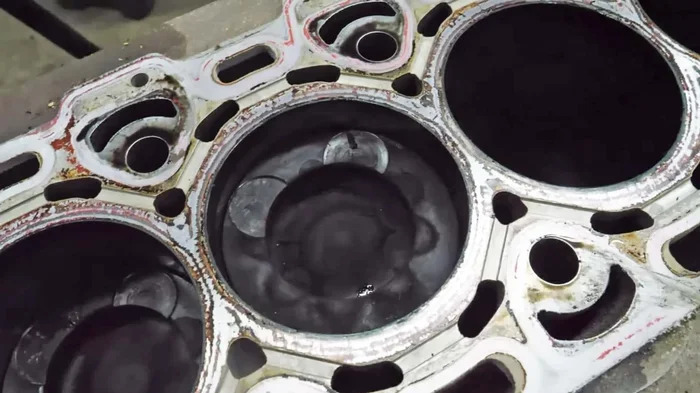
If you get into a car accident and the impact damages your engine, your collision coverage should help pay for the repairs. For example, if you T-bone another vehicle and the force damages your engine block, the repair costs may be covered after you pay your deductible. The same applies to single-vehicle accidents like hitting a pothole hard enough to damage the engine or a curb that bends your engine components.
Keep in mind that insurance adjusters investigate these claims carefully. They want to confirm the engine damage was caused by the accident and not a pre-existing mechanical problem. This is where your maintenance records come in handy.
Fire And Flood Damage
Comprehensive coverage applies when fire or flooding causes engine failure. A car fire can destroy an engine completely. Floodwater can ruin an engine if water enters the combustion chambers. In both cases, you can file a claim under your comprehensive coverage. Just remember that you will still need to pay your deductible before the insurance kicks in.
One thing to watch out for: if you drove your car into a flooded area knowingly, some insurers may deny the claim. Always check your policy details and understand what situations are covered.
Theft And Vandalism
If someone steals your car and the engine gets damaged during the theft or a chase, comprehensive coverage may apply. Similarly, if a vandal slashes your engine hoses or damages your engine bay, you can file a claim. These scenarios are less common, but they do happen and your policy can provide protection.
It is worth noting that salvage title vehicles often face unique insurance challenges as well. If your car already has a salvage title, getting coverage for engine damage can be more complicated and may require specialized policies.
Weather-Related Damage
Severe weather events like hail storms, hurricanes, and tornadoes can cause engine damage. A hailstorm might dent your hood and damage engine components underneath. A hurricane can flood your parked car and ruin the engine. In these cases, comprehensive coverage typically covers the damage. Again, wear and tear from normal use is not included.
What Is Not Covered By Standard Car Insurance?
Understanding what your policy does not cover is just as important as knowing what it does. Many drivers file claims expecting payment, only to get denied because the cause of engine failure falls under an exclusion.
Wear And Tear Exclusion
Every standard car insurance policy includes a wear and tear exclusion. This means the insurer will not pay for damage that results from normal everyday use. Your engine has thousands of moving parts. Over time, these parts wear down. Bearings get worn, gaskets degrade, and fluids break down. When engine failure results from this natural process, your insurance company will not cover the repair bill.
This exclusion exists for a good reason. If insurance covered normal wear and tear, premiums would skyrocket. The system is designed to protect you from sudden, unexpected events, not from the natural aging of your vehicle.
Neglect And Lack Of Maintenance
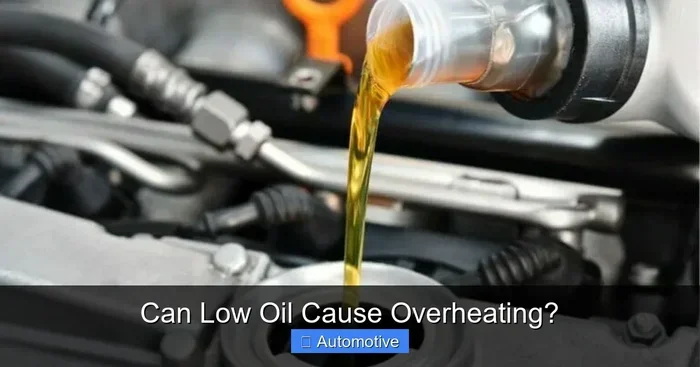
If you skip oil changes, ignore warning lights, or fail to maintain your vehicle, your insurance company may deny an engine failure claim. Insurers argue that neglected maintenance contributed to the engine damage. For example, if you never changed your oil and your engine seized up, the insurer will likely say this was preventable and not a covered event.
Regular maintenance is not just good for your car. It also protects your ability to file successful insurance claims when something unexpected happens. Keep all your service records and receipts in a safe place.
Pre-Existing Conditions
If your engine was already showing signs of trouble before you filed a claim, the insurance company may deny coverage. For instance, if your check engine light had been on for months and you ignored it, then the engine finally fails, the insurer may view this as a pre-existing condition. They will not pay for repairs resulting from a problem you knew about but did not address.
This is where things get tricky. Sometimes engine problems develop slowly, and drivers do not notice the early warning signs. Be proactive about checking your dashboard warnings and getting strange noises inspected.
Normal Mechanical Breakdown
A normal mechanical breakdown is not covered by standard insurance. This includes things like a blown head gasket, a failed water pump, a broken timing chain, or a worn-out engine bearing. These are all common engine problems that develop over time. They fall squarely under the wear and tear exclusion.
If you experience any of these issues, you will need to pay for the repairs out of pocket unless you have additional coverage like mechanical breakdown insurance or an extended warranty.
How To File An Engine Failure Claim
If you believe your engine failure is covered by your insurance policy, filing a claim is the next step. Here is how the process typically works and what you should expect.
Step 1: Document The Damage
Before you call your insurance company, document everything. Take clear photos of the engine damage from multiple angles. Write down what happened, when it happened, and any warning signs you noticed beforehand. If the engine failure was caused by an accident, get a police report. If it was caused by weather or a falling object, take pictures of the damage to your car and the surrounding area.
Step 2: Contact Your Insurance Provider
Call your insurance provider as soon as possible. Describe the situation clearly and honestly. Do not exaggerate or speculate about the cause of the damage. The claims adjuster will ask questions and may request documentation. Having everything organized and ready will speed up the process.
If you are unsure whether your policy covers the damage, ask your agent directly. They can explain your coverage limits and tell you whether an engine failure claim is likely to be approved.
Step 3: Get An Assessment
Your insurance company will assign a claims adjuster to assess the damage. The adjuster will inspect your vehicle and determine the cause of the engine failure. If they determine the damage was caused by a covered event, your claim will move forward. If they determine it was wear and tear or neglect, the claim will be denied.
Step 4: Pay Your Deductible
Every insurance claim requires you to pay a deductible first. Deductibles typically range from $250 to $1,000 for comprehensive and collision coverage. Once you pay your deductible, your insurance company will cover the remaining cost up to your policy limits. If the engine damage exceeds your policy limits, you will be responsible for the difference.
Step 5: Get Your Vehicle Repaired
After the claim is approved, you can take your vehicle to a repair shop. Some insurance companies have preferred shops, but you usually have the right to choose your own mechanic. Make sure the repair shop provides detailed documentation of the work done and the parts replaced.
Extended Warranties And Mechanical Breakdown Insurance
If standard car insurance does not cover engine failure from mechanical breakdown, what can you do? Two popular options exist: extended warranties and mechanical breakdown insurance.
What Is Mechanical Breakdown Insurance?
Mechanical breakdown insurance, often called MBI, is an optional coverage that pays for repairs when your car breaks down due to a mechanical or electrical failure. Unlike standard insurance, MBI covers things like engine failure, transmission problems, and electrical system malfunctions. It is similar to an extended warranty but is offered through your insurance company rather than a third party.
MBI typically kicks in after your manufacturer warranty expires. It covers the cost of parts and labor for unexpected mechanical failures. However, it does not cover wear and tear, maintenance items like brake pads and oil filters, or damage caused by neglect.
What Is An Extended Warranty?
An extended warranty, also known as a vehicle service contract, is a service agreement that covers repair costs after your original manufacturer warranty ends. Extended warranties can cover engine failure, transmission issues, and other major mechanical problems. They are offered by dealerships, third-party companies, and sometimes manufacturers themselves.
Extended warranties vary widely in coverage. Some plans cover almost everything, while others are very limited. Before purchasing one, read the fine print carefully. Look for exclusions, coverage limits, and deductible amounts. Not all extended warranties are created equal, and some are better than others.
MBI vs. Extended Warranty: Which Is Better?
Both MBI and extended warranties serve a similar purpose: protecting you from costly engine and mechanical repairs. Here is a quick comparison:
- MBI is backed by your insurance company: This means you have the same regulatory protections as your auto insurance.
- Extended warranties are more flexible: You can often choose your repair shop and customize your coverage.
- MBI may be easier to claim: Since it comes through your insurer, the claims process may be smoother.
- Extended warranties sometimes include roadside assistance: This is a nice bonus that MBI policies may not offer.
Your choice depends on your budget, your vehicle age, and your risk tolerance. If you drive an older car with high mileage, an extended warranty or MBI can provide real peace of mind.
Tips To Prevent Engine Failure And Protect Yourself
The best way to deal with engine failure is to prevent it from happening in the first place. Regular maintenance and smart driving habits go a long way toward keeping your engine healthy and your wallet happy.
Follow Your Maintenance Schedule
Your owner manual includes a recommended maintenance schedule. Follow it. Change your oil on time, replace your air filters, check your coolant levels, and inspect your engine belts regularly. These simple steps prevent the most common causes of engine failure.
If you are unsure about your maintenance schedule, consult a trusted mechanic. They can inspect your vehicle and identify potential problems before they become expensive repairs.
Watch For Warning Signs
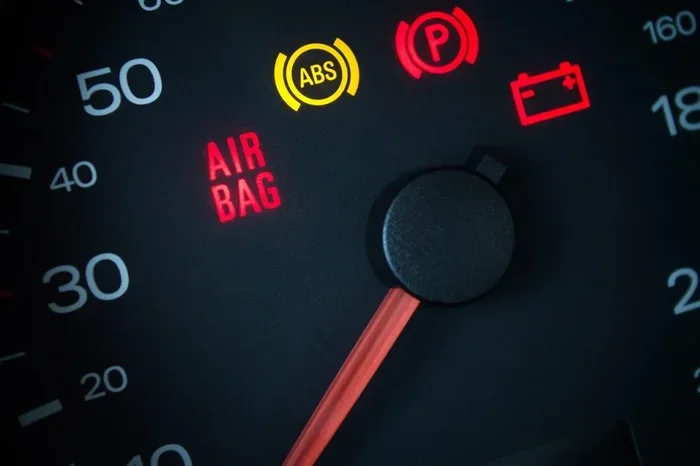
Your car gives you warning signs before major engine failure. Listen for strange noises like knocking, grinding, or squealing. Pay attention to warning lights on your dashboard. Notice if your car is losing power, consuming more fuel than usual, or producing unusual exhaust smoke. Addressing these signs early can prevent catastrophic engine damage.
For example, if your car turns over but won’t start, it could be a sign of a serious engine or fuel system problem. Getting it checked immediately can save you from a complete engine failure down the road.
Avoid Extreme Driving Habits
Harsh driving habits put extra stress on your engine. Avoid rapid acceleration, hard braking, and revving the engine when it is cold. These habits wear out engine components faster and can lead to premature failure. Smooth, steady driving is gentler on your engine and helps it last longer.
Keep Your Car Protected From The Elements
Extreme temperatures can strain your engine. In hot weather, your engine is more prone to overheating. If you live in a hot climate, consider using a car windshield sunshade to keep your engine bay cooler when parked. In cold weather, let your car warm up for a minute or two before driving aggressively.
Also, try to park your car in a garage or covered area when possible. This protects your engine and other components from rain, hail, and UV damage.
Consider Additional Coverage
If you drive a newer car or a vehicle with a high market value, consider adding mechanical breakdown insurance or an extended warranty to your protection plan. The cost of these plans is usually much lower than the cost of a major engine repair or replacement. For example, a new engine can cost anywhere from $4,000 to $8,000 or more. A good extended warranty can cover that cost and give you peace of mind.
When shopping for additional coverage, compare multiple quotes and read the policy details carefully. Look for coverage limits, exclusions, and customer reviews. Choose a plan that fits your budget and your vehicle’s needs.
Common Mistakes Drivers Make With Engine Failure Claims
Avoid these common mistakes that can derail your engine failure insurance claim and cost you money.
Waiting Too Long To File A Claim
Insurance policies have time limits for filing claims. If you wait too long after an engine failure event, your insurer may deny your claim. Report the damage as soon as possible and start the claims process right away.
Failing To Document Everything
Without proper documentation, your claim may be denied. Always take photos, keep receipts for repairs, and write down a detailed account of what happened. The more evidence you have, the stronger your claim will be.
Admitting Fault When You Are Not At Fault
If your engine failure was caused by an accident that was not your fault, do not admit fault to the other driver or your insurance company. Let the evidence and the claims adjuster determine who was responsible. Admitting fault can weaken your claim and reduce your payout.
Ignoring Policy Exclusions
Every insurance policy has exclusions. Read yours carefully so you understand what is and is not covered. If you are unsure, ask your insurance agent for clarification. Going into a claim blind is a recipe for disappointment.
Choosing The Cheapest Repair Shop Without Checking Quality
While it is tempting to go with the cheapest repair shop, low-quality repairs can lead to more engine problems down the road. Choose a reputable shop with certified mechanics and good reviews. Your insurance company can often recommend reliable repair facilities in your area.
Expert Insights On Engine Failure And Insurance
We spoke with several insurance professionals and automotive experts to get their take on engine failure coverage. Here is what they had to say.
Engine failure is one of the most expensive repairs a driver can face. A standard insurance policy is designed for sudden events, not mechanical breakdowns. If you want protection from engine failure, you need to plan ahead with the right coverage or warranty.
Many drivers discover the hard way that their policy does not cover what they expected. The key is to read your policy documents carefully and ask questions before you need to file a claim. Understanding your coverage limits, deductibles, and exclusions puts you in a much better position when engine trouble strikes.
Experts also recommend keeping a dedicated emergency fund for vehicle repairs. Even with the best coverage or warranty, you may face out-of-pocket costs. Having savings set aside for car repairs reduces financial stress and gives you more flexibility when choosing repair options.
Key Takeaways
- Standard car insurance does not cover engine failure from mechanical breakdown or wear and tear.
- Collision and comprehensive coverage may cover engine damage caused by accidents, fire, flooding, or theft.
- Mechanical breakdown insurance and extended warranties fill the gap left by standard policies.
- Regular maintenance and prompt attention to warning signs help prevent engine failure.
- Documenting everything and filing claims promptly strengthens your position with your insurer.
- Understanding your policy exclusions saves you from surprise claim denials.
- Planning ahead with additional coverage protects your wallet from costly engine repairs.
Conclusion
So, does car insurance cover engine failure? The answer is nuanced. Standard policies cover engine damage caused by sudden, covered events like accidents, fire, and flooding. They do not cover engine failure from wear and tear, neglect, or normal mechanical breakdown. If you want protection from these common causes of engine failure, you need to explore additional options like mechanical breakdown insurance or an extended warranty.
Taking care of your vehicle through regular maintenance is the best defense against engine failure. Keep up with oil changes, watch for warning signs, and address problems early. These habits not only extend your engine’s life but also keep your insurance claims valid when something unexpected happens.
Knowledge is your best tool when it comes to car insurance and engine failure. Read your policy, ask questions, and plan ahead. The more prepared you are, the less stressful a mechanical breakdown will be. Your engine works hard for you every day. Make sure you have the right protection in place to take care of it when things go wrong.
Frequently Asked Questions
Does full coverage car insurance cover engine failure?
Full coverage includes liability, collision, and comprehensive coverage. It covers engine damage caused by accidents, fire, theft, and weather events. However, full coverage does not cover engine failure from wear and tear or mechanical breakdown. You need mechanical breakdown insurance or an extended warranty for that.
How much does it cost to replace a car engine?
Engine replacement costs typically range from $4,000 to $8,000 for most vehicles. Luxury cars and trucks can cost significantly more, sometimes exceeding $10,000. The exact cost depends on your vehicle make, model, year, and labor rates in your area.
Can I get mechanical breakdown insurance for an older car?
Yes, many insurance companies offer mechanical breakdown insurance for older vehicles. However, coverage options and premiums vary based on your car’s age, mileage, and condition. Some insurers set age or mileage limits, so it is worth shopping around for the best option.
Will my insurance cover engine damage from overheating?
It depends on the cause. If overheating resulted from a covered event like a broken water pump caused by an accident, your collision coverage might apply. If overheating happened because of low coolant from neglect, the claim will likely be denied as wear and tear. Always check with your insurer for specific situations.
What is the difference between an extended warranty and mechanical breakdown insurance?
Both cover unexpected mechanical repairs, but they come from different sources. Mechanical breakdown insurance is offered through your auto insurance company. Extended warranties are typically sold by dealerships or third-party companies. MBI is regulated like insurance, while extended warranties are more flexible but may have different claim processes.
How can I tell if my engine failure is covered by my policy?
Review your policy documents and look for covered perils and exclusions. If the engine failure resulted from a sudden accident, fire, flood, or theft, your collision or comprehensive coverage may apply. If it resulted from normal wear and tear or poor maintenance, it is likely excluded. Contact your insurance agent for clarification if you are unsure.