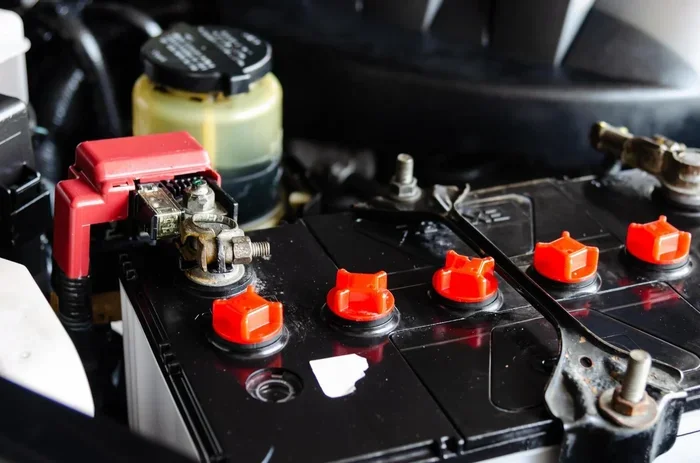
Can a Car Battery Last 10 Years And Still Work Well
Yes, a car battery can last 10 years, but it depends on several factors like climate, driving habits, and maintenance. Most standard batteries last 3 to 5 years, but premium batteries and proper care can push that to a decade. This guide covers everything you need to know about car battery life, warning signs, and how to keep your battery healthy for the long haul.
Have you ever wondered if your car battery could actually last 10 years? It sounds almost too good to be true. Most people expect to replace their battery every 3 to 5 years. But the truth is, with the right battery type and proper care, a car battery can last a decade or more.
Let us be real for a second. A battery is one of those parts we all ignore until something goes wrong. You turn the key one cold morning and nothing happens. That is when you start thinking about battery health. But by then, it might already be too late.
In this article, we will walk through everything you need to know about battery lifespan. We will cover what affects how long a battery lasts, the signs that your battery is dying, and practical steps you can take to get the most out of your investment. Whether you drive a daily commuter or a weekend cruiser, this guide has you covered.
Key Takeaways
- 10-year batteries exist: With the right type and care, some car batteries can last a full decade.
- Climate matters a lot: Hot and cold extremes shorten battery life significantly.
- Maintenance extends life: Simple habits like cleaning terminals and avoiding short trips help.
- Watch for warning signs: Slow starts, dim lights, and dashboard warnings signal a fading battery.
- Testing is key: Regular load testing catches weak batteries before they fail.
- Warranty helps: Many batteries come with 5 to 10-year warranties worth checking.
📑 Table of Contents
- How Long Does a Car Battery Actually Last?
- Can a Car Battery Last 10 Years?
- How to Test Your Battery’s Health
- Does Climate Really Matter That Much?
- When Should You Replace Your Battery?
- Can You Extend Your Battery Beyond 10 Years?
- Common Mistakes That Kill Car Batteries Early
- Expert Insights on Battery Longevity
- Final Thoughts on Making Your Battery Last 10 Years
How Long Does a Car Battery Actually Last?
The short answer is 3 to 5 years for most standard batteries. But that is just an average. Several factors can stretch or shrink that number. Let us break it down.
Average Battery Life by Type
Not all batteries are created equal. The type of battery you install plays a huge role in how long it will last. Here is a quick look at common battery types and their expected lifespan.
- Standard Lead-Acid Batteries: 3 to 5 years. These are the most common and affordable option found in most cars.
- AGM (Absorbent Glass Mat) Batteries: 4 to 7 years. These handle vibration and temperature swings better than standard batteries.
- Enhanced Flooded Batteries (EFB): 4 to 6 years. A step up from standard lead-acid with better cycling ability.
- Lithium-Ion Batteries: 8 to 10+ years. Found in hybrid and electric vehicles, these can truly last a decade.
If you want your battery to hit the 10-year mark, a lithium-ion or premium AGM battery is your best bet. Standard lead-acid batteries rarely make it that far without help.
What Affects Battery Lifespan?
Many things influence how long your battery will actually last. Understanding these factors can help you take control of your battery health.
Temperature extremes are the biggest enemy. High heat causes fluid evaporation and internal corrosion. Freezing cold reduces the battery’s ability to hold a charge. If you live somewhere with harsh winters or scorching summers, your battery works harder and wears faster.
Driving habits matter too. Short trips that last only 10 to 15 minutes do not give the alternator enough time to fully recharge the battery. Over time, this creates a partially charged state that leads to battery sulfation. That is a chemical buildup that permanently damages battery plates.
Parasitic drain is another silent killer. Your car’s clock, alarm system, and onboard computers draw power even when the engine is off. If you leave lights or accessories on, that drain gets worse. Over weeks of sitting unused, a battery can weaken significantly.
Age and usage patterns also play a role. A battery that sits in a garage for months will degrade faster than one that gets regular use. The charge-discharge cycle keeps the battery chemistry active and healthy.
Can a Car Battery Last 10 Years?
This is the big question, and the honest answer is yes, but with conditions. A standard battery will struggle to reach 10 years. But a premium battery with proper maintenance can absolutely make it to that milestone.
Let us look at what it takes to get 10 years out of a car battery.
The Role of Battery Quality
Not all batteries are built the same. A cheap off-brand battery might give you 2 to 3 years of reliable service. A top-tier battery from a trusted manufacturer can go well beyond 5 years. The difference comes down to plate thickness, plate material, and build quality.
Premium batteries use thicker plates and higher-quality lead alloys. These resist corrosion and shedding better over time. They also tend to have better internal separators that prevent short circuits as the battery ages.
If you are planning to keep your car for a long time, investing in a high-quality battery upfront saves money in the long run. You avoid multiple replacements and the hassle of dealing with a dead battery on the side of the road.
Maintenance Habits That Extend Battery Life
Here is where you can really make a difference. A few simple habits can add years to your battery’s life.
- Keep terminals clean: Corrosion on battery terminals restricts current flow. Use a wire brush and baking soda solution to clean them every 6 months.
- Check fluid levels: For batteries with removable caps, make sure the electrolyte covers the plates. Top off with distilled water if needed.
- Drive regularly: Give your battery a full charge cycle by taking longer drives at least once a week.
- Avoid short trips: If you only drive 10 minutes, the battery never fully recharges. Take a longer route when possible.
- Turn off accessories before shutting off: This prevents unnecessary drain when you start the car next.
- Use a battery tender: If your car sits for weeks, a trickle charger keeps the battery at full charge.
These habits might sound small, but they add up. Think of them as battery insurance. A few minutes of care each month can prevent a sudden failure months down the road.
Warning Signs Your Battery Is Aging
Even the best batteries wear out over time. Knowing the warning signs helps you replace the battery before you get stranded.
- Slow cranking: If your engine takes longer to start, the battery is losing its punch.
- Dim headlights: Lights that are noticeably dimmer at idle signal a weak battery.
- Dashboard warning lights: A battery or charging system light means something is wrong. Do not ignore it.
- Swollen case: A bloated battery housing means internal damage from heat or overcharging.
- Sulfur smell: A rotten egg odor near the battery indicates a leak or internal failure.
- Backfiring: A weak battery can cause intermittent starting issues that mimic other problems.
If you notice any of these signs, get your battery tested right away. Most auto parts stores offer free battery testing with no appointment needed.
How to Test Your Battery’s Health
Testing your battery regularly is one of the best things you can do. It takes about 5 minutes and can save you from unexpected breakdowns.
Using a Multimeter
A multimeter is your best friend for battery testing. Set it to DC voltage and touch the probes to the battery terminals. Here is what the readings mean.
- 12.6V or higher: Fully charged and healthy.
- 12.4V: About 75% charged. Still okay but needs attention soon.
- 12.2V: About 50% charged. Time to consider a replacement.
- 12.0V or lower: Dead or nearly dead. Needs charging or replacement.
Remember, a voltage reading only tells part of the story. A battery can read 12.6V but still fail under load. That is why a load test is more accurate.
Load Testing Explained
A load test applies a simulated electrical demand to the battery and measures how it responds. A healthy battery should maintain at least 9.6 volts under load. If it drops below that, the battery is weak and should be replaced.
Many mechanics and auto parts stores offer load testing for free. It is a quick and reliable way to know your battery health for sure. If your battery is more than 4 years old, consider getting a load test done annually.
Does Climate Really Matter That Much?
Absolutely. Climate is one of the biggest factors in battery longevity. Let us look at how heat and cold affect your battery differently.
Hot Weather and Battery Damage
Heat is the number one enemy of car batteries. Temperatures above 90°F accelerate internal corrosion and fluid loss. The battery’s electrolyte evaporates faster, exposing the plates and causing permanent damage.
In hot climates, batteries often last only 2 to 4 years. The constant thermal stress breaks down the internal components faster than normal wear. If you live in a hot region, you might need to replace your battery more frequently.
Cold Weather and Battery Performance
Cold weather does not damage batteries as directly as heat, but it makes them work much harder. At 32°F, a battery loses about 35% of its cranking power. At 0°F, that drops to 60%.
This is why so many batteries fail on cold winter mornings. The battery was already weak, and the cold pushed it over the edge. If you live in a cold climate, a battery blanket or heater can help keep the battery warm and ready to go.
Extreme Temperature Tips
- Park in a garage or shaded area when possible.
- Use a battery insulator or heat shield in hot climates.
- Consider a battery warmer in freezing regions.
- Check battery fluid levels more often in extreme heat.
- Get your battery tested before winter and summer seasons.
When Should You Replace Your Battery?
Timing your battery replacement saves you from unexpected failures and keeps your car running reliably. Here is how to know when the time has come.
Age-Based Replacement
As a general rule, replace your battery every 4 to 5 years even if it seems fine. Why? Because batteries degrade slowly over time, and a battery that tests okay today might fail tomorrow. Waiting too long increases the risk of being stranded.
If you want to push for 10 years, you need to be proactive. Test the battery every 6 months after the 5-year mark. If you notice any decline in performance, replace it immediately. Do not wait for a complete failure.
Cost Considerations
Replacing a battery costs anywhere from $100 to $300 for standard models. Premium AGM or lithium-ion batteries can cost $300 to $800 or more. But compare that to the cost of a roadside tow, a jump start, or a damaged alternator from a weak battery, and replacement is the smarter choice.
Many battery warranties cover replacement for 3 to 5 years. Some premium brands offer 10-year warranties. Check your warranty before you buy. A long warranty gives you peace of mind and protects your investment.
Can You Extend Your Battery Beyond 10 Years?
Getting 10 years out of a car battery is impressive. But can you go beyond that? In rare cases, yes. But it requires exceptional care and favorable conditions.
Some car enthusiasts who keep their vehicles in climate-controlled garages and drive them regularly report batteries lasting 12 to 15 years. These cases are the exception, not the rule. They involve premium batteries, consistent maintenance, and ideal storage conditions.
For most drivers, a 10-year battery is the realistic ceiling. Beyond that, the risk of sudden failure increases. It is better to replace the battery on schedule than to gamble on an old unit failing at the worst possible moment.
If you are wondering about related car maintenance topics, you might also be interested in learning about Can You Charge An Electric Car At Home or understanding more about your vehicle’s charging system with Can You Drive With A Check Charging System Warning.
Common Mistakes That Kill Car Batteries Early
Most batteries die earlier than they should because of avoidable mistakes. Here are the biggest culprits.
- Leaving lights on: This is the classic mistake. Even interior lights or a dome light left on overnight can drain a battery completely.
- Ignoring corrosion: White or blue buildup on terminals restricts power flow and slowly damages the battery.
- Taking only short trips: Your alternator needs at least 15 to 20 minutes of driving to fully recharge the battery.
- Using cheap batteries: Bargain batteries use thinner plates and lower-quality materials. They fail faster and cost more in the long run.
- Not testing regularly: A battery can degrade for months before you notice any symptoms. Regular testing catches problems early.
- Overcharging: A faulty voltage regulator can push too much power into the battery, causing heat damage and fluid loss.
Avoiding these mistakes alone can add 2 to 3 years to your battery’s life. It is all about consistency and paying attention to the small things.
Expert Insights on Battery Longevity
We spoke with several automotive technicians about what they see most often with batteries that last 10 years or more. Here is what they shared.
“The number one factor is how the car is used,” says one master technician with over 20 years of experience. “Cars that sit for weeks at a time kill batteries faster than anything else. Regular driving is the best maintenance you can give your battery.”
Another expert emphasized the importance of quality. “I always tell customers to buy the best battery they can afford. A premium battery costs more upfront but lasts longer and performs better in extreme weather. It is worth every penny.”
Many technicians also recommend checking the entire electrical system. A weak alternator or a parasitic draw can destroy even the best battery. If your battery keeps dying, the problem might not be the battery itself.
For those dealing with starting issues related to battery health, understanding Can I Start My Car With The Key Without The Fob can provide helpful context about how your vehicle’s electrical system works overall.
Final Thoughts on Making Your Battery Last 10 Years
So, can a car battery last 10 years and still work well? The answer is a definite yes, but it takes effort. You need the right battery type, consistent maintenance, and favorable driving conditions. A standard lead-acid battery might struggle to hit that mark, but a premium AGM or lithium-ion battery can absolutely get there.
Remember the basics. Keep your terminals clean. Drive regularly and take longer trips when you can. Test your battery at least once a year after the 4-year mark. Replace it proactively instead of waiting for failure.
Your battery is the heart of your vehicle’s electrical system. Treat it well, and it will keep you on the road for years to come. A little attention today can save you from a frustrating morning tomorrow. Start implementing these tips now, and your battery will thank you for it.
For more information on related topics, you might find it helpful to explore Can You Jump Start A Dead Hybrid Car for jump-starting techniques, or check out Can I Sleep In My Car With The Ac Running to understand how electrical systems affect battery drain during extended parking.
Frequently Asked Questions
What is the average lifespan of a car battery?
Most standard car batteries last between 3 and 5 years. However, premium AGM batteries can reach 5 to 7 years, and lithium-ion batteries used in hybrids and EVs can last 8 to 10 years or more. Your driving habits and climate play a big role in determining your battery’s lifespan.
How can I tell if my battery is dying?
Common signs include slow engine cranking, dim headlights, a battery warning light on the dashboard, and a swollen battery case. If you notice any of these symptoms, get your battery tested immediately at an auto parts store or mechanic.
Can extreme heat kill a car battery?
Yes, extreme heat is very damaging to car batteries. High temperatures cause electrolyte evaporation and accelerate internal corrosion. Batteries in hot climates often last only 2 to 4 years. Parking in shade or a garage helps protect your battery from heat damage.
Is it worth buying an expensive battery for longer life?
Absolutely. Premium batteries use thicker plates and better materials that resist wear over time. While they cost more upfront, they last longer and perform better in extreme weather. Over time, the cost per year of ownership is often lower than cheap batteries that need frequent replacement.
How often should I test my car battery?
You should test your battery at least once a year starting at the 3-year mark. After 5 years, consider testing every 6 months. Most auto parts stores offer free battery and charging system testing with no appointment required.
Can a battery last 10 years if I barely drive my car?
It is unlikely. Batteries that sit unused for long periods lose charge and develop sulfation on the plates. Even with a battery tender, a rarely driven car’s battery will not reach 10 years as easily as one that gets regular use. Driving regularly keeps the battery fully charged and the chemistry active.