Harley-Davidson Street 750 Common Problems and Fixes
The Harley-Davidson Street 750 is a popular cruiser, but it has its share of known issues that owners should be aware of. From engine vibrations and clutch wear to electrical gremlins and cooling system concerns, this guide covers every major problem you might face. We break down each issue with clear, step-by-step fixes so you can get back on the road quickly and safely.
Key Takeaways
- Engine vibrations are the #1 complaint among Street 750 owners and can be reduced with proper tuning and balancer upgrades.
- Clutch slipping and stalling are common at higher mileage and usually require adjustment or clutch replacement.
- Electrical issues like flickering lights often stem from faulty wiring harnesses or weak batteries.
- Oil leaks frequently occur around the oil filter and drain plug due to improper torque or worn gaskets.
- Overheating can be prevented with regular coolant flushes and radiator cleaning.
- Throttle body carbon buildup causes rough idling and can be fixed with simple cleaning.
- Regular maintenance is the best way to avoid most Street 750 problems before they start.
📑 Table of Contents
- Harley-Davidson Street 750 Common Problems and How to Fix Them
- Engine Vibrations and Idle Roughness
- Clutch Problems and Slipping
- Electrical Issues and Wiring Problems
- Oil Leaks and Drivetrain Concerns
- Overheating and Cooling System Issues
- Throttle Body and Fuel System Problems
- Brake System Complaints
- Recall and Known Factory Issues
- Prevention: How to Avoid Street 750 Problems
- When to See a Professional Mechanic
- Final Thoughts on Harley-Davidson Street 750 Common Problems
Harley-Davidson Street 750 Common Problems and How to Fix Them
The Harley-Davidson Street 750 hit the market in 2014 as Harley’s entry-level cruiser. It was designed to attract new riders with its lighter weight and lower price tag. But like any motorcycle, it comes with its own set of quirks. Many owners have reported Street 750 problems that range from minor annoyances to serious mechanical concerns.
If you own a Street 750 or are thinking about buying one, knowing these issues ahead of time is a smart move. Harley-Davidson common issues on this model have been well-documented by riders and mechanics alike. The good news? Most of these problems have straightforward fixes that you can handle at home or with a trusted mechanic.
This guide walks you through every major Street 750 problem you might encounter. We explain what causes each issue, how to spot the warning signs, and exactly how to fix it. Whether you are a first-time Harley owner or a seasoned rider, this article has something valuable for you.
Engine Vibrations and Idle Roughness
Engine vibration tops the list of Harley-Davidson Street 750 common problems. The single-cylinder engine design that gives the Street 750 its character also produces noticeable shaking at idle and low speeds. This is not just an annoyance. Excessive vibration can cause fatigue on long rides and may loosen bolts or fasteners over time.
What Causes the Vibrations?
The Street 750 uses a 749cc Revolution X V-twin engine. Unlike larger Harleys with counterbalancers, the base model does not have a fully balanced crankshaft. This design choice keeps the bike light and affordable but sacrifices some smoothness. Riders often notice the vibration most at idle, around 3,000 to 4,000 RPM.
Another cause is worn engine mounts. These rubber isolators absorb vibration, but they degrade over time. When they crack or harden, the engine shakes more noticeably through the frame and handlebars.
How to Fix Engine Vibrations
Here are the most effective ways to reduce vibration on your Street 750:
- Install a crankshaft balancer kit. Aftermarket balancers add weight to the crankshaft to counteract vibrations. Brands like Dyna and S&S offer compatible options.
- Replace worn engine mounts. Check the rubber mounts for cracks or tears. Replace them with OEM or high-quality aftermarket parts.
- Use a vibration-dampening handlebar grip. Gel grips or rubber isolator grips can absorb some of the shaking before it reaches your hands.
- Adjust the idle speed. A slightly higher idle (around 1,200 RPM) can reduce the perception of vibration at standstill.
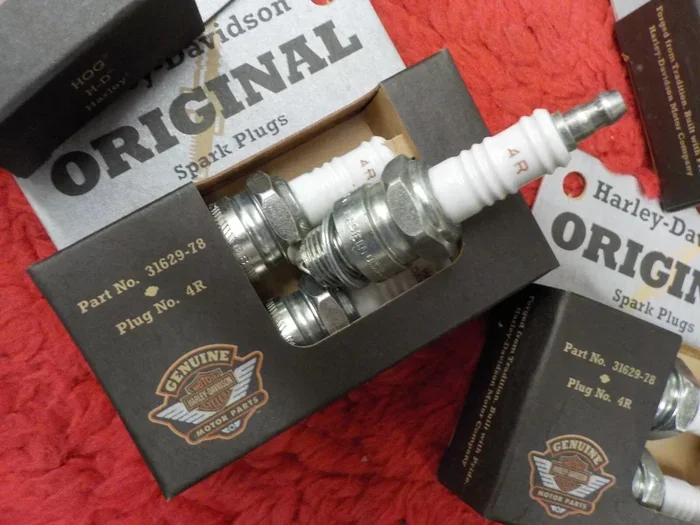
- Check the spark plugs. Worn or fouled spark plugs cause uneven combustion, which worsens vibration.
Many riders report a noticeable improvement after installing a balancer and replacing the engine mounts. These two fixes together address the root cause of most vibration complaints.
Clutch Problems and Slipping
The Harley-Davidson Street 750 uses a wet multi-plate clutch, which is standard for most cruisers. Over time, riders have reported clutch slipping, grabbing, or difficulty shifting gears. These Street 750 clutch problems are especially common after 15,000 to 20,000 miles.
Signs of Clutch Trouble
Watch for these warning signs that your clutch is wearing out:
- The engine RPMs rise but the bike does not accelerate proportionally.
- Shifting gears feels gritty or jerky.
- The clutch lever feels loose or spongy.
- The bike stalls when releasing the clutch at a standstill.
- A burning smell comes from the engine area during rides.
How to Fix Clutch Issues
Start by checking the clutch fluid level. Low fluid is a common culprit for a spongy lever. Bleed the clutch system and top off with the recommended DOT 4 fluid. If the lever still feels off, inspect the clutch cable for stretching or fraying.
For more serious slipping, the clutch plates likely need replacement. This involves draining the oil, removing the engine covers, and swapping out the friction plates and steel plates. Many experienced riders do this as a weekend project. The parts cost around $150 to $300 depending on whether you use OEM or aftermarket components.
Regular Harley-Davidson maintenance includes checking the clutch cable tension every 5,000 miles. A simple adjustment can prevent many clutch problems before they develop.
Electrical Issues and Wiring Problems
Electrical gremlins are among the most frustrating Harley-Davidson Street 750 common problems. Riders have reported flickering headlights, dead batteries, faulty ignition switches, and intermittent instrument panel failures. These issues can be difficult to trace because the wiring in the Street 750 runs through tight spaces under the tank and frame.
Common Electrical Complaints
- Flickering or dimming lights: Often caused by a weak stator or loose ground connections.
- Battery draining quickly: A parasitic draw from the ignition switch or aftermarket accessories is a frequent cause.
- Faulty turn signals: The flasher relay can fail, or the wiring connector under the seat may corrode.
- Instrument cluster glitches: The speedometer or tachometer may reset or display erratically.
How to Fix Electrical Problems
Start with the simplest fixes first. Clean all ground connections with a wire brush and apply dielectric grease to prevent corrosion. Check the battery terminals for corrosion and tighten them securely.
If the battery keeps dying, use a multimeter to test for parasitic draw. Disconnect the negative battery terminal, connect the multimeter in series, and look for draws above 50 milliamps. This points you toward the culprit circuit.
For flickering lights, test the stator output. A failing stator produces inconsistent voltage and should be replaced. The part costs around $200 to $350, and the repair takes a few hours for most home mechanics.
Tip: Always use dielectric grease on electrical connections. It seals out moisture and prevents the corrosion that causes most wiring issues on the Street 750.
Oil Leaks and Drivetrain Concerns
Oil leaks are a frequent complaint among Street 750 owners. The most common leak points are the oil filter, drain plug, and the transmission input shaft seal. Small drips may not seem serious, but they can lead to low oil levels and engine damage if left unchecked.
Where Do the Leaks Come From?
Most oil leaks on the Street 750 trace back to a few specific areas:
- Oil filter housing: The O-ring on the filter housing can harden or pinch during filter changes, causing a slow seep.
- Drain plug gasket: Over-tightening the drain plug strips the threads or compresses the gasket unevenly.
- Transmission seal: The input shaft seal on the transmission leaks oil into the clutch basket, which can cause clutch slipping.
- Engine case gaskets: The left and right engine covers use gaskets that can deteriorate over time.
How to Stop Oil Leaks
For minor leaks, start by cleaning the affected area thoroughly with brake cleaner. Run the engine and watch for fresh drips. This helps you pinpoint the exact source.
Replace the oil filter O-ring every time you change the oil. Use the correct filter and hand-tighten it — no more than three-quarter turns past contact. For drain plug leaks, replace the crush washer and torque to factory specs (typically 15 to 20 ft-lbs).
Transmission seal leaks require more work. You will need to remove the left engine cover and replace the input shaft seal. This is a moderate-level repair that takes about two to three hours. The seal itself costs around $15 to $25.
Quick Tip: Check your oil level before every ride. Catching a slow leak early saves you from costly engine repairs down the road.
Overheating and Cooling System Issues
The Harley-Davidson Street 750 uses a liquid cooling system, which is unusual for a cruiser in this class. While it helps manage engine heat, the cooling system has its own set of vulnerabilities. Overheating is one of the more serious Street 750 problems that riders encounter, especially in hot weather or during stop-and-go traffic.
Why Does the Street 750 Overheat?
Several factors contribute to overheating:
- Clogged radiator: Dirt, bugs, and debris block airflow through the radiator fins, reducing cooling efficiency.
- Low coolant level: Small leaks in the cooling system gradually reduce the coolant volume.
- Thermostat failure: A stuck-closed thermostat prevents coolant from circulating through the radiator.
- Water pump wear: The impeller inside the water pump can corrode or crack over time.
- Riding style: Extended idling in traffic puts more heat load on the cooling system than highway riding.
How to Keep the Engine Cool
Flush the coolant system every two years or 24,000 miles. Use Harley-Davidson’s recommended coolant mix, which is a 50/50 blend of distilled water and ethylene glycol coolant.
Inspect the radiator regularly. Use a soft brush or compressed air to remove bugs and debris from the fins. Never use high-pressure water directly on the radiator, as it can bend the delicate fins and reduce airflow.
Replace the thermostat at the first sign of overheating. The part is inexpensive (around $20 to $30) and the replacement is straightforward. Drain the coolant, remove the thermostat housing, swap the thermostat, and refill the system.
If the water pump is failing, you may notice coolant weeping from the pump weep hole. Replace the water pump assembly promptly. Riding with a failed water pump can cause catastrophic engine damage.
Throttle Body and Fuel System Problems
The Street 750 uses electronic fuel injection with a single throttle body. Over time, carbon buildup inside the throttle body can cause rough idling, hesitation during acceleration, and error codes on the instrument panel. This is one of the most common Harley-Davidson troubleshooting issues for Street 750 owners.
Symptoms of Throttle Body Buildup
- The idle RPM fluctuates up and down when stopped.
- The bike hesitates or stumbles when you twist the throttle.
- The check engine light illuminates with a throttle position sensor code.
- Starting the bike takes longer than usual.
Cleaning and Fixing the Throttle Body
Cleaning the throttle body is a straightforward job you can do at home. Here is the process:
- Remove the air intake duct and the throttle body cover.
- Spray throttle body cleaner on the butterfly valve and the inside walls of the throttle body.
- Use a soft cloth or toothbrush to wipe away carbon deposits gently.
- Do not scrub the throttle bore or the throttle position sensor.
- Reassemble and reset the throttle position sensor using a diagnostic tool or by disconnecting the battery for 15 minutes.
For best results, clean the throttle body every 15,000 to 20,000 miles. This simple maintenance step prevents most fuel system issues on the Street 750.
Brake System Complaints
Riders have reported several Street 750 brake problems over the years. The front disc brake can develop pulsation during hard stops, and the rear brake drum may fade after extended use. These issues affect stopping power and rider confidence.
Common Brake Issues
- Front brake pulsation: Warped brake rotors cause a pulsing feeling through the lever during braking.
- Rear brake fading: The drum brake can overheat during long descents or heavy traffic.
- Spongy brake lever: Air in the hydraulic line or worn brake pads reduce braking feel.
- Brake fluid leaks: The master cylinder or caliper seals can degrade over time.
How to Keep Your Brakes in Top Shape
Replace brake pads every 15,000 to 20,000 miles. Use high-quality pads from brands like EBC or Brembo for better stopping power and longevity.
For pulsation, have the front rotor measured for runout. If it is beyond spec, replace it. Resurfacing is an option for mild warping, but a new rotor is often the better long-term investment.
Flush and replace brake fluid every two years. Brake fluid is hygroscopic, meaning it absorbs moisture from the air, which reduces its boiling point and braking performance.
Recall and Known Factory Issues
Harley-Davidson issued a recall for certain 2014 and 2015 Street 750 models related to the clutch release mechanism. The recall addressed a potential failure of the clutch actuator piston seal, which could cause the clutch to drag or not disengage fully. If you own an affected model, check with your dealer to confirm whether the recall repair was completed.
Beyond the recall, some owners have reported general Harley-Davidson reliability concerns with the Street 750. The motorcycle was discontinued after the 2020 model year, which means parts availability may shift over time. However, the engine and drivetrain share components with other Harley models, so many parts remain widely available through dealers and aftermarket suppliers.
Prevention: How to Avoid Street 750 Problems
The best way to deal with Harley-Davidson Street 750 common problems is to prevent them from happening in the first place. A consistent maintenance routine keeps the bike running smoothly and catches small issues before they become big expenses.
Essential Maintenance Schedule
- Every 5,000 miles: Check and adjust clutch cable tension. Inspect all electrical connections. Clean the throttle body.
- Every 10,000 miles: Change the engine oil and filter. Inspect the brake system. Check the coolant level and condition.
- Every 15,000 miles: Replace spark plugs. Inspect the air filter. Check the drive belt tension.
- Every 30,000 miles: Flush the coolant system. Replace the battery. Inspect the clutch plates and friction discs.
- Every 60,000 miles: Replace the water pump. Inspect the engine mounts. Service the final drive.
Following this schedule dramatically reduces the chances of encountering major Street 750 fixes. It also preserves the resale value of the motorcycle.
When to See a Professional Mechanic
Many of the fixes described in this article are within reach of a competent home mechanic. However, some repairs require professional tools or expertise. If you are not comfortable working on the electrical system, the cooling system, or the engine internals, take your bike to a certified Harley-Davidson mechanic.
A professional diagnosis can save you time and money. What feels like an electrical problem might actually be a grounding issue that takes five minutes to fix. An experienced technician can quickly identify the root cause and get you riding again.
Final Thoughts on Harley-Davidson Street 750 Common Problems
The Harley-Davidson Street 750 remains a fun and accessible entry point into the Harley-Davidson lineup. While it has its share of common problems, most issues are manageable with the right knowledge and a bit of preventive maintenance.
Engine vibrations, clutch wear, electrical gremlins, oil leaks, overheating, throttle body buildup, and brake concerns are the main areas where Street 750 owners need to stay vigilant. But none of these problems are deal-breakers. With regular care and timely repairs, your Street 750 can deliver many miles of enjoyable riding.
Knowledge is your best tool. Understanding what can go wrong means you can spot problems early and address them before they escalate. Keep this guide handy, follow the maintenance schedule, and your Street 750 will stay reliable and fun to ride for years to come.
Whether you are a first-time Harley owner or a rider looking to buy a used Street 750, being informed about these Harley-Davidson common issues puts you ahead of the curve. Ride smart, maintain regularly, and enjoy the open road.
Frequently Asked Questions
What are the most common Harley-Davidson Street 750 problems?
The most frequent issues include engine vibrations at idle, clutch slipping or stalling, electrical problems like flickering lights, oil leaks around the filter and drain plug, overheating due to cooling system issues, and throttle body carbon buildup causing rough idling. Most of these problems have well-known fixes that are manageable for home mechanics.
Is the Harley-Davidson Street 750 reliable for long-distance riding?
The Street 750 can handle long rides, but its single-cylinder engine produces significant vibration over extended distances. Many riders add a crankshaft balancer and upgraded engine mounts to improve comfort. With proper maintenance and these upgrades, the Street 750 is a capable long-distance cruiser for riders who prefer lighter, more agile bikes.
How often should I service my Harley-Davidson Street 750?
Follow the manufacturer’s maintenance schedule. Change the oil every 5,000 miles, replace spark plugs every 15,000 miles, and flush the coolant every 24,000 miles. Regular checks of the clutch cable, brake system, and electrical connections should happen at every service interval. Consistent maintenance is the single best way to prevent most Street 750 problems.
Are there any recalls for the Harley-Davidson Street 750?
Yes, Harley-Davidson issued a recall for certain 2014 and 2015 Street 750 models involving the clutch release mechanism. The recall addressed a potential failure of the clutch actuator piston seal. If you own an affected model, contact your Harley-Davidson dealer to confirm whether the recall repair has been completed on your bike.
Can I fix electrical problems on my Street 750 myself?
Many electrical issues on the Street 750 can be resolved with basic tools. Start by cleaning ground connections and checking the battery. Use a multimeter to test for parasitic draw if the battery keeps dying. For more complex wiring or stator replacement, consider consulting a professional mechanic, especially if you are not experienced with motorcycle electrical systems.
Why does my Street 750 overheat in traffic?
The Street 750’s liquid cooling system relies on airflow through the radiator. In stop-and-go traffic, airflow is reduced, which can cause the engine to run hotter. Other causes include a clogged radiator, low coolant, a failing thermostat, or a worn water pump. Regular cooling system maintenance and avoiding extended idling in hot weather help prevent overheating.