Can You Fit a 4×8 Sheet of Plywood in a Transit Connect
Yes, you can fit a 4×8 sheet of plywood in a Transit Connect, but it requires some planning and smart loading techniques. The Ford Transit Connect offers surprisingly generous cargo space that can accommodate full sheets of plywood, especially in the Max cargo version. In this guide, we walk you through the exact dimensions, loading methods, and pro tips to make hauling plywood safe and easy.
You have a big project coming up, and you need to haul a full sheet of plywood. Maybe you are building shelves, laying a subfloor, or working on a deck. The question on your mind is simple: can you fit a 4×8 sheet of plywood in a Transit Connect? The short answer is yes. But the full answer involves a few important details that can save you time, money, and a lot of frustration.
The Ford Transit Connect is one of the most popular cargo vans on the road today. It is compact, fuel-efficient, and surprisingly capable when it comes to hauling materials. Many contractors, DIY enthusiasts, and homeowners rely on this van for their day-to-day jobs. But fitting a full 4×8 sheet of plywood inside is not always straightforward. You need to know the dimensions, understand the different configurations, and use the right loading technique.
In this article, we will walk you through everything you need to know about fitting a 4×8 sheet of plywood in a Transit Connect. We will cover the exact cargo dimensions, compare the standard and Max versions, share practical loading tips, and highlight common mistakes to avoid. By the end, you will feel confident about hauling full sheets of plywood safely and efficiently.
Key Takeaways
- Full Sheet Compatibility: A 4×8 sheet of plywood can fit inside a Transit Connect with the right approach and some creative positioning.
- Max Cargo Version Helps: The Transit Connect Max offers extra cargo length that makes fitting full sheets much easier and more practical.
- Diagonal Loading Works: Angling a plywood sheet diagonally across the cargo area is the most effective way to fit full sheets.
- Proper Securing Is Essential: Always strap or tie down plywood to prevent shifting during transport and protect the sheet from damage.
- Avoid Common Mistakes: Overloading, improper measurement, and skipping edge protection are the top errors people make when hauling plywood.
- Racking Systems Add Value: Investing in a cargo rack or organizer makes loading and unloading plywood much simpler and safer.
- DIY Projects Become Easier: Once you know how to transport full sheets, your woodworking and home improvement projects become far more manageable.
📑 Table of Contents
- Can You Fit a 4×8 Sheet of Plywood in a Transit Connect? Understanding the Cargo Space
- How to Fit a 4×8 Sheet of Plywood in a Transit Connect: Proven Loading Methods
- Best Ways to Load a 4×8 Sheet of Plywood in a Transit Connect
- Common Mistakes When Hauling Plywood in a Transit Connect
- Expert Tips for Transporting Plywood Safely
- Final Verdict: Can You Fit a 4×8 Sheet of Plywood in a Transit Connect?
Can You Fit a 4×8 Sheet of Plywood in a Transit Connect? Understanding the Cargo Space
The Ford Transit Connect comes in two main cargo configurations: the standard Transit Connect and the Transit Connect Max. Both vans offer cargo space, but the Max version provides significantly more room. Understanding these differences is the first step in figuring out how to fit a 4×8 sheet of plywood inside your van.
Transit Connect Cargo Dimensions
The standard Transit Connect offers a cargo area that is roughly 48.8 inches wide and 54.3 inches tall. The cargo floor length varies depending on the wheelbase configuration. The short wheelbase version provides about 40.6 inches of cargo floor length, while the long wheelbase version extends that to approximately 58.8 inches.
Now, here is the challenge. A standard sheet of plywood measures 4 feet by 8 feet, which is 48 inches by 96 inches. The cargo floor of a standard Transit Connect is nowhere near 96 inches long. So how do you fit a full sheet inside? The answer lies in understanding the vertical and diagonal space available in the cargo area.
The height of the cargo area is a major advantage. With over four feet of vertical clearance, you can stand a sheet of plywood on its edge. This opens up several loading possibilities that we will explore in detail later in this article.
Transit Connect Max vs Standard
The Transit Connect Max, sometimes called the L2 or extended version, offers a longer cargo floor. The Max version provides approximately 69.9 inches of cargo floor length on the long wheelbase configuration. That extra length makes a noticeable difference when trying to fit long materials like a full sheet of plywood.
However, even with the Max version, the floor length still falls short of the 96-inch length of a full sheet. This means that whether you have a standard or Max Transit Connect, you will need to use creative loading strategies. The good news is that both versions can accommodate a 4×8 sheet with the right approach.
| Dimension | Transit Connect (Standard) | Transit Connect Max |
|---|---|---|
| Cargo Floor Length | 40.6 in (short) / 58.8 in (long) | 69.9 in (long wheelbase) |
| Cargo Width | 48.8 in | 48.8 in |
| Cargo Height | 54.3 in | 54.3 in |
| 4×8 Sheet Length | 96 in | 96 in |
| Can Fit Full Sheet? | Yes, with diagonal or vertical method | Yes, easier with vertical or diagonal method |
This comparison table shows that both versions can handle a full sheet of plywood. The Max version gives you a bit more flexibility, especially with the diagonal loading method. But even the standard Transit Connect can get the job done with the right technique.
How to Fit a 4×8 Sheet of Plywood in a Transit Connect: Proven Loading Methods
This is the question everyone wants answered. The honest answer is yes, but it depends on how you approach the loading process. A 4×8 sheet of plywood is a large, rigid sheet that does not bend or compress. You cannot simply slide it flat into the cargo area of a Transit Connect. Instead, you need to think vertically or diagonally.
Measuring the Real Interior Space
Before you attempt to load any plywood, take accurate measurements of your Transit Connect cargo area. Do not rely solely on published specifications. Every van is slightly different, and aftermarket modifications can change the usable space. Use a tape measure and check the interior height, width, and length at multiple points.
Pay special attention to the space between the wheel wells. The wheel arches can reduce the effective width and create obstacles when trying to slide or angle a sheet of plywood. Measure the clearance at the narrowest point between the wheel wells to understand your true working space.
The Diagonal Loading Method
The diagonal method is the most popular way to fit a 4×8 sheet of plywood in a Transit Connect. Here is how it works. You angle the plywood sheet diagonally across the cargo area, with one corner near the front seats and the opposite corner reaching toward the back of the van.
This technique takes advantage of the diagonal space, which is always longer than either the length or width of the cargo area. The tall cargo height of the Transit Connect gives you extra vertical room, making the diagonal approach even more effective.
To execute this method properly, lower the front seats if possible. This creates a more open path for sliding the plywood in at an angle. You may need two people to accomplish this safely. One person guides the top edge while the other manages the bottom. Go slowly and watch for any contact with the wheel wells or the van walls.
Standing the Sheet Vertically
Another effective method is to stand the plywood sheet on its edge inside the cargo area. With a cargo height of over 54 inches, a 48-inch wide sheet of plywood fits perfectly when stood upright. The 96-inch length of the sheet will extend beyond the back of the van, which is where a roof rack or external carrier becomes essential.
This vertical method works best when you have a roof rack system installed. The rack provides support for the overhanging portion of the plywood, keeping it stable during transit. Without a roof rack, the vertical method becomes risky because the sheet can shift, sway, or block your rear visibility.
Best Ways to Load a 4×8 Sheet of Plywood in a Transit Connect
Now that you understand the space available, let us look at the best methods for actually loading and transporting a full sheet of plywood. Each method has its advantages, and the right choice depends on your specific setup, the tools you have available, and the distance you need to travel.
Loading from the Side
Loading from the side is often the easiest approach for a single person. You tilt the plywood sheet on its edge, slide it through the side cargo door, and position it inside the van. The side doors on the Transit Connect are wide enough to accommodate a sheet of plywood when tilted at an angle.
Start by opening the side cargo doors fully. Position the plywood so that one edge goes in first, angled upward. Slide it in gently and adjust its position until it rests securely against the interior walls. Use the wheel wells as natural anchors to keep the sheet from shifting.
Using a Racking System
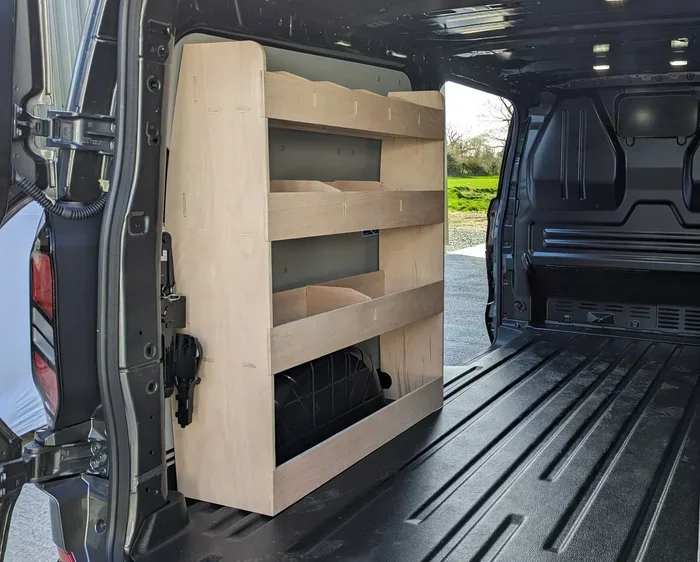
If you regularly haul construction materials, investing in a cargo racking system for your Transit Connect is a smart move. Rack systems mount to the floor and walls of the cargo area, creating a structured space for storing sheets of plywood and other building materials.
A good racking system does more than just hold your materials. It protects the plywood from moisture, dirt, and damage during transport. It also keeps the cargo area organized, making it easier to load and unload quickly. Many rack systems are adjustable, so you can customize the spacing to fit different sheet sizes.
Some popular options include modular rack systems from brands like Ranger Design, LoadMaster, and Unistrut-based setups. These systems bolt into the existing cargo anchor points in the Transit Connect and can be configured to suit your specific needs.
The Roof Rack Approach
For the vertical loading method, a roof rack is practically mandatory. A roof rack distributes the weight of the plywood across the roof of the van, keeping the cargo area clear for other items or passengers.
Make sure your roof rack is rated for the weight of the plywood. A single sheet of plywood weighs between 40 and 60 pounds depending on the thickness. Most roof rack systems can handle this weight easily, but always check the weight capacity before loading.
Secure the plywood with ratchet straps or tie-downs. Attach the straps to the rack and wrap them tightly around the sheet. Double-check that nothing is sticking out beyond the rack rails in a way that could catch on low branches or overpasses.
Common Mistakes When Hauling Plywood in a Transit Connect
Even experienced DIYers make mistakes when loading plywood. Learning from these errors can save you time, money, and potential safety hazards on the road.
Skipping the Measurements
The most common mistake is assuming that a 4×8 sheet will fit without checking your specific van. Transit Connect models from different years may have slightly different interior dimensions. Aftermarket modifications like window tinting, cargo liners, or roof racks can also affect the usable space.
Always measure before you load. This simple step prevents the frustration of getting the plywood halfway in and realizing it will not fit.
Not Securing the Load Properly
A loose sheet of plywood is a dangerous load. During transit, the sheet can shift, slide, or fall, potentially blocking your view or causing an accident. Always use at least two ratchet straps or heavy-duty tie-downs to secure the plywood in place.
Attach the straps to built-in cargo anchor points or the roof rack. Pull the straps tight enough that the plywood cannot move, but not so tight that they damage the sheet surface. Place a piece of cardboard or moving blanket between the strap and the plywood to prevent scratching.
Ignoring Weight Distribution
Plywood is heavy, and placing it all on one side of the van can affect handling. Try to center the load as much as possible. If you are carrying other items alongside the plywood, distribute the weight evenly between the front and rear axles.
Overloading the rear of the Transit Connect can make the steering feel light and unresponsive. This is especially dangerous in wet or windy conditions. Keep the weight balanced for the safest and most controlled ride.
Expert Tips for Transporting Plywood Safely
Here are some proven tips from experienced contractors and van owners who haul plywood regularly in their Transit Connect vans.
Use Edge Protectors
When a sheet of plywood rests against the metal walls of the cargo area, the edges can get scratched or dented. Use foam edge protectors or even old pool noodles cut in half to cushion the contact points. This simple step keeps your plywood looking professional and ready to use.
Keep the Cargo Area Clean
Before loading plywood, sweep out the cargo area. Dirt, debris, and moisture can damage the bottom sheet. Consider laying down a cargo liner or a sheet of plastic to protect the van floor. This also makes cleanup easier after your project is done.
Plan Your Route
If you are hauling plywood on the roof rack, be aware of low-clearance structures like parking garages, drive-throughs, and tree branches. Plan your route to avoid these obstacles. A full sheet of plywood on the roof adds about 4 to 6 feet to your overall vehicle height.
Consider a Slide-Out Helper
For frequent plywood hauling, a cargo slide or rolling platform can be a game-changer. These devices mount to the cargo floor and allow you to slide heavy sheets in and out with minimal effort. They reduce strain on your back and make loading much faster.
Final Verdict: Can You Fit a 4×8 Sheet of Plywood in a Transit Connect?
The bottom line is that yes, you can fit a 4×8 sheet of plywood in a Transit Connect. Whether you have the standard model or the Max version, there are proven methods to transport full sheets safely. The diagonal loading method works well for both configurations, while the vertical method is ideal when paired with a roof rack system.
Investing in a proper racking system and securing your load with quality straps will make the process smoother and safer every time. Take the time to measure your specific van, plan your loading approach, and always secure the plywood before hitting the road.
With the right preparation and technique, your Transit Connect becomes a powerful tool for hauling construction materials and completing your DIY projects. Do not let the size of a full sheet of plywood discourage you. The Transit Connect is more capable than many people realize, and with the tips in this guide, you will be hauling plywood like a pro in no time.
So the next time you need to pick up a sheet of plywood, load it up in your Transit Connect with confidence. You have the space, the methods, and the knowledge to do it right. Happy building!
Frequently Asked Questions
Can a 4×8 sheet of plywood fit flat in a Transit Connect?
No, a 4×8 sheet of plywood cannot fit flat inside a Transit Connect because the cargo floor length is shorter than 96 inches. However, you can fit it by standing it on its edge or loading it diagonally across the cargo area.
Which Transit Connect model has the most cargo space for plywood?
The Transit Connect Max (L2 long wheelbase) offers the most cargo space with approximately 69.9 inches of floor length. This extra length makes fitting a full sheet of plywood easier, especially when using the diagonal loading method.
Do I need a roof rack to haul plywood in a Transit Connect?
A roof rack is highly recommended if you plan to stand plywood sheets upright, as the 96-inch length will extend beyond the back of the van. For diagonal loading, a roof rack is optional but still helpful for carrying additional materials on top.
How much does a sheet of 4×8 plywood weigh?
A standard 4×8 sheet of 3/4-inch plywood weighs approximately 50 to 60 pounds. Thinner sheets like 1/2-inch weigh around 35 to 40 pounds. Always check the weight rating of your roof rack or cargo system before loading.
Can I fit two sheets of plywood in a Transit Connect?
Fitting two full sheets of plywood in a Transit Connect is very difficult and generally not recommended. The cargo area is not large enough to safely accommodate two sheets. Consider making two trips or using a larger van if you need to transport multiple sheets at once.
What is the best way to protect plywood when hauling it in a Transit Connect?
Use a cargo liner or plastic sheet on the van floor to protect against moisture and dirt. Place foam edge protectors or moving blankets between the plywood and metal surfaces. Always secure the sheet with straps and use cardboard or blankets between the straps and the plywood to prevent scratching.
=== CONCLUSION ===
The answer to whether you can fit a 4×8 sheet of plywood in a Transit Connect is a confident yes. With the right approach, the right equipment, and a little planning, your Ford Transit Connect can handle full sheets of plywood with ease. The key is understanding your cargo space, choosing the best loading method, and always securing your load properly.
Whether you use the diagonal method, the vertical approach, or a combination of both, the Transit Connect proves itself as a versatile and capable cargo van. Invest in a good racking system, keep your straps and tie-downs handy, and make plywood transport a routine part of your projects.
Now that you have all the information you need, it is time to put it into practice. Your next trip to the lumber yard will be smooth, safe, and successful. Happy hauling, and good luck with your project!