Can Lightning Hit a Car And Find Out What Really Happens
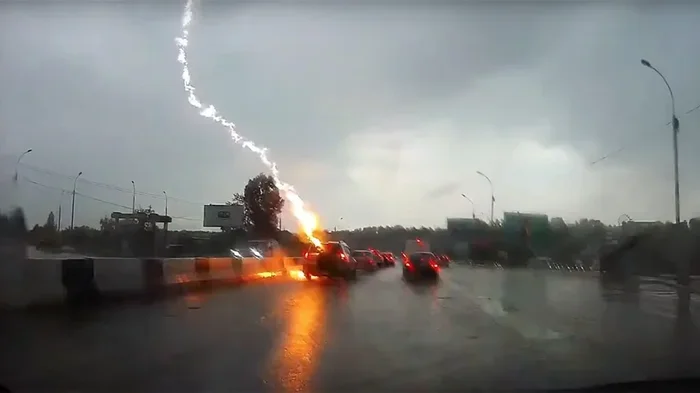
Can lightning hit a car? Yes, it absolutely can, and understanding how it works could save your life. The Faraday cage effect protects passengers inside a metal vehicle, but car damage from lightning can still be severe. Knowing the truth behind common myths and following lightning safety tips makes all the difference when storms roll in.
Key Takeaways
- Yes, lightning can hit a car: vehicles are frequent targets during thunderstorms due to their metal structure and height.
- The Faraday cage effect protects you: the metal shell directs electrical current around passengers and into the ground.
- Rubber tires do NOT protect you: this is a dangerous myth that could lead to risky behavior during storms.
- Convertibles and fiberglass cars offer less protection: the material matters significantly for lightning safety.
- Lightning can still damage your car: electrical systems, tires, and exterior paint can suffer serious harm.
- Stay safe by pulling over: turn off the engine, avoid touching metal parts, and wait out the storm.
- Insurance often covers lightning damage: check your policy and document any damage after a strike.
📑 Table of Contents
How Lightning Works And Why Cars Are Involved
Thunderstorms are powerful forces of nature. They produce lightning that can travel at incredible speeds. Many drivers wonder about can lightning hit a car while cruising down the highway during a storm. The answer is yes, and it happens more often than you might think.
Lightning is essentially a giant discharge of static electricity in the atmosphere. When the charge difference between clouds and the ground becomes too great, a bolt forms. This bolt seeks the path of least resistance to the ground. Tall objects and metal structures attract lightning more easily. Cars often fit this description perfectly.
What Is Lightning Exactly?
Lightning is a massive electrical discharge. A single bolt can carry up to one billion volts of electricity. The temperature inside a lightning bolt can reach 50,000 degrees Fahrenheit. That is five times hotter than the surface of the sun.
When a thunderstorm develops, ice particles collide inside clouds. This creates a separation of positive and negative charges. The negative charges at the bottom of the cloud repel negative charges on the ground. This creates a strong electrical field. Eventually, the air can no longer insulate the charges. A stepped leader descends from the cloud. A streamer rises from the ground. When they connect, a return stroke races back up. This is the bright flash you see.
Cars become part of this process because they are conductive metal objects sitting on the open road. They are taller than the surrounding flat ground in many cases. During a thunderstorm driving situation, your vehicle can become a target for a lightning bolt strike.
The Science Behind Lightning Strikes On Vehicles
The science of why lightning hits cars involves basic physics. Lightning always seeks the easiest path to the ground. Metal is an excellent conductor of electricity. A car sitting on the road presents a convenient conductive path.
The electrical conductivity of a car’s metal body makes it attractive to lightning. The vehicle acts as a natural lightning rod in many ways. The steel frame channels the electrical current from the point of impact down to the tires and into the ground. This process happens in fractions of a second.
Not every car gets struck equally. Factors that affect the likelihood include the vehicle’s height, its metal content, and its position relative to surrounding objects. A tall metal SUV in an open field is at higher risk than a low sedan between buildings. But any car can be hit under the right conditions.
Can Lightning Actually Hit A Car?
The short answer is yes. Can lightning hit a car is not just a theoretical question. It happens regularly around the world. Emergency rooms see injuries from struck by lightning in car incidents every thunderstorm season. Understanding this reality helps drivers take the threat seriously.
Lightning does not choose its targets based on what you might expect. It strikes the tallest or most conductive object in its path. A car on an open road can become that object. This is especially true during summer thunderstorms when storms develop quickly and move rapidly across landscapes.
The Faraday Cage Effect Explained
The reason passengers inside a car often survive a lightning strike is the Faraday cage effect. A Faraday cage is a conductive enclosure that directs electrical current around the outside of the structure. The current flows through the metal shell and exits at the bottom.
When lightning strikes a car, the electrical charge travels through the metal body. It does not pass through the interior where the passengers sit. The metal shell acts as a shield. This is the same principle that protects workers inside a metal aircraft during a storm.
However, the Faraday cage effect only works with a fully enclosed metal vehicle. The current must have a continuous conductive path. Any gaps or non-conductive materials can compromise this protection. This is why the type of car matters significantly.
Why Rubber Tires Don’t Protect You
One of the most persistent myths is that rubber tires protect a car from lightning. This idea is completely false and potentially dangerous. The rubber in car tires is far too thin to insulate against millions of volts of electricity.
Lightning can easily jump through rubber tires. The electrical discharge simply vaporizes the rubber and continues to the ground. The thickness of a car tire is only about one centimeter. A lightning bolt can jump much farther than that. The idea that tires provide insulation comes from a misunderstanding of how electricity works.
Drivers who believe this myth might make dangerous decisions during storms. They might think they are safe and fail to seek proper shelter. Always remember that rubber tires and lightning have no meaningful protective relationship.
What Happens When Lightning Strikes Your Car?
When a bolt of lightning connects with your vehicle, several things happen in rapid succession. Understanding the sequence helps drivers know what to expect and how to respond afterward.
Immediate Effects On The Vehicle
The moment lightning strikes a car, the electrical current enters the metal frame at the point of impact. It then travels through the body of the vehicle. The current exits through the tires and flows into the ground beneath the car.
The exterior of the vehicle often shows visible damage. Paint can melt or bubble. The metal surface may show scorch marks. In some cases, the lightning can dent or puncture the body panels. The point of impact often shows the most obvious damage.
Tires can be destroyed instantly. The extreme heat of the lightning bolt vaporizes the rubber. The tire pressure can cause the tire to explode. This can lead to a sudden loss of vehicle control if it happens while driving.
What Happens To The Passengers Inside
Passengers inside a properly enclosed metal car are generally protected by the Faraday cage effect. The electrical current flows around them rather than through them. However, this protection is not absolute.
Drivers and passengers may still experience secondary effects. The shockwave from the lightning can cause hearing damage. The intense light can temporarily blind occupants. Some people report feeling a tingling sensation throughout the vehicle. In rare cases, the current can enter through windows or gaps in the vehicle’s shell.
It is important to stay calm and avoid touching any metal surfaces inside the car during and immediately after a strike. Keep your hands in your lap. Do not lean against the doors or the center console. Wait at least a few minutes after the storm passes before exiting the vehicle.
Common Myths About Lightning And Cars
Many myths surround lightning and automobiles. These false beliefs can lead drivers to make unsafe choices during storms. Let us bust some of the most common ones.
Myth: Rubber Tires Keep You Safe
We have already addressed this myth, but it deserves emphasis again. Rubber tires do not protect a car from lightning. The electrical charge overwhelms the thin rubber barrier instantly. Never rely on your tires for protection during a thunderstorm.
Myth: Convertibles Offer No Protection At All
This myth is partially true but overly simplistic. Convertibles with metal frames still offer some Faraday cage protection. However, they are less effective than hardtop metal cars. The convertible top is typically non-conductive fabric or vinyl. This means the protective shell is incomplete.
A convertible car lightning strike can still injure occupants more easily than in a hardtop vehicle. If you drive a convertible during a storm, consider pulling over and waiting it out. The risk is higher than in a standard enclosed vehicle.
Myth: You Should Immediately Exit Your Car After A Strike
Many people think they should jump out of the car right away after a lightning strike. This is actually dangerous advice. The vehicle may still be carrying residual electrical charge. Touching metal parts of the car immediately after a strike can expose you to electrical current.
Wait inside the car for at least five to ten minutes after the last thunderclap. Then exit carefully. Do not touch the metal frame of the doors when getting out. Place your hands in your lap or cover your ears to protect against the shockwave sound.
Myth: Lightning Cannot Strike The Same Place Twice
This is one of the oldest and most persistent weather myths. Lightning frequently strikes the same location multiple times. Tall buildings, towers, and trees are often struck repeatedly during the same storm. Your car is no different. If lightning has struck your vehicle before, it can strike it again.
How To Stay Safe During A Thunderstorm
Staying safe during a thunderstorm requires preparation and smart decision-making. Weather and driving safety should always be a priority when dark clouds roll in.
Practical Driving Safety Tips
Follow these practical tips to stay safe when thunderstorms threaten your drive:
- Pull over safely when you see lightning or hear thunder. Find a safe location away from trees, power lines, and tall structures.
- Turn off the engine and turn off all electronics. This reduces the risk of electrical surge damage to your vehicle.
- Do not touch any metal parts inside the car. Keep your hands on your lap and avoid leaning on doors or the steering column.
- Close all windows and sunroofs completely. Open windows can allow electrical current to enter the vehicle.
- Wait at least 30 minutes after the last sound of thunder before resuming driving.
- Avoid parking under trees or near power lines. These are prime targets for lightning and can create dangerous secondary hazards.
What To Do If You Are Struck While Driving
If your car is struck by lightning while you are driving, follow these steps:
- Stay calm and keep your hands in your lap.
- Do not touch any metal surfaces including the steering wheel, gear shift, or door handles.
- Turn on your hazard lights once the vehicle is stopped safely.
- Wait inside the car for several minutes before exiting.
- Check yourself and your passengers for injuries once it is safe to move.
- Call emergency services if anyone is injured or if the vehicle is damaged.
Quick Tips
- Keep an emergency kit in your car that includes a flashlight, first aid supplies, and a phone charger.
- Monitor weather apps on your phone before and during long drives.
- If you feel static electricity tingling on your skin, this may be a sign that lightning is about to strike. crouch low inside the car and avoid touching metal.
- Consider investing in a surge protection car device for your electronics to reduce damage from electrical surges.
Car Damage After A Lightning Strike
Even if the passengers survive unharmed, a lightning strike can cause significant damage to a vehicle. Understanding the types of damage helps with insurance claims and repair decisions.
Electrical System Damage
The most common type of damage affects the car’s electrical system. Lightning can fry the vehicle’s computer modules, sensors, and wiring harnesses. Modern cars contain dozens of electronic control units. A lightning strike can damage or destroy many of these components simultaneously.
You may notice that your dashboard lights flicker or go completely dark. The engine may stall or fail to restart. Power windows, locks, and mirrors may stop working. In some cases, the entire electrical system needs to be replaced, which can be extremely expensive.
Exterior And Structural Damage
The exterior of the car often shows the most visible damage. Paint can be scorched or peeled away entirely. Metal panels may be dented or warped from the intense heat. Windshields can crack or shatter from the shockwave of the lightning strike.
The roof of the car is often the point of impact. This can cause significant structural damage to the roof pillars and supports. In extreme cases, the roof may be partially destroyed.
Tire And Undercarriage Damage
Tires are often the first point where the electrical current exits the vehicle. The extreme heat can melt or completely destroy the tires. The undercarriage may show burn marks or melting of plastic components. Exhaust systems and fuel lines can also sustain damage.
Repair Costs And Insurance Coverage
Repairing a lightning-damaged car can be costly. The electrical system alone may require thousands of dollars in repairs. Body work, tire replacement, and windshield repair add to the total. Comprehensive auto insurance typically covers lightning damage.
Make sure to document all damage with photographs before any repairs begin. File your insurance claim as soon as possible. Keep all receipts for any temporary repairs or towing services. Most insurance companies classify lightning damage as a covered peril under comprehensive coverage.
| Type of Damage | Typical Repair Cost | Covered by Insurance? |
|---|---|---|
| Electrical System | $2,000 – $8,000 | Yes (Comprehensive) |
| Exterior Body Work | $1,500 – $5,000 | Yes (Comprehensive) |
| Tire Replacement | $800 – $2,000 | Yes (Comprehensive) |
| Windshield Replacement | $300 – $1,000 | Yes (Comprehensive) |
| Engine Damage | $3,000 – $10,000 | Yes (Comprehensive) |
| Interior Damage | $500 – $3,000 | Yes (Comprehensive) |
Expert Insights On Lightning And Vehicle Safety
Meteorologists and automotive engineers agree on several key points about vehicle lightning protection. The metal body of a car is the most important protective feature. The Faraday cage effect is real and well-documented in physics.
However, experts also emphasize that no vehicle is completely lightning-proof. The type of vehicle, the intensity of the strike, and the conditions all play a role. The best approach is always prevention. Avoid driving in severe thunderstorms whenever possible. If you must drive, follow the safety tips outlined in this article.
Some automotive manufacturers have begun incorporating lightning safety features into their vehicles. These include enhanced grounding systems and surge protection for electronic components. While these features help, they do not eliminate the need for cautious driving behavior during storms.
Conclusion
So, can lightning hit a car? The answer is a definitive yes. Lightning strikes on vehicles happen regularly during thunderstorms around the world. The good news is that the Faraday cage effect provides significant protection for passengers inside enclosed metal vehicles.
However, the car damage from lightning can be substantial and expensive. The electrical system, exterior, tires, and interior can all suffer serious harm. Understanding the myths and following practical safety tips can keep you and your passengers safe during stormy weather.
Always take thunderstorms seriously when you are on the road. Pull over safely, avoid touching metal surfaces, and wait for the storm to pass. Your vehicle can handle a lightning strike better than you can, but only if you take the right precautions. Stay informed, stay prepared, and stay safe on the road during every storm season.
Frequently Asked Questions
Can lightning go through a car roof?
Yes, lightning can strike through the roof of a car. The metal roof actually helps channel the electrical current around the passengers and into the ground. The Faraday cage effect works through the roof, not against it. The current enters at the top and exits through the tires.
Is it safe to drive in a thunderstorm?
Driving in a thunderstorm is risky but sometimes unavoidable. If you must drive, pull over to a safe location when lightning is nearby. Avoid open fields, tall trees, and power lines. Stay inside your vehicle with your hands in your lap until the storm passes.
What should you do if lightning strikes your car?
Stay calm and keep your hands in your lap. Do not touch any metal surfaces inside the car. Wait at least five to ten minutes before exiting. Once safe to move, check yourself and your passengers for injuries and call emergency services if needed.
Are electric cars safe from lightning?
Electric cars are generally safe from lightning in the same way as traditional metal vehicles. The battery pack and metal frame provide a conductive path for the electrical current. However, the high-voltage battery system adds complexity. After a lightning strike, have the vehicle inspected by a qualified technician before driving again.
Can lightning damage a car’s electronics?
Yes, lightning can severely damage a car’s electronics. The electrical surge can fry computer modules, sensors, and wiring harnesses. Modern vehicles with complex electronic systems are particularly vulnerable. This type of damage is typically covered by comprehensive auto insurance.
Do you need a lightning rod on your car?
No, you do not need a lightning rod on your car. The metal body of the vehicle naturally provides a conductive path for lightning. Adding a lightning rod could actually increase the risk by attracting more strikes to a specific area of the vehicle. The natural Faraday cage effect of the car body is sufficient protection for passengers.
=== CONCLUSION ===
Can lightning hit a car is a question that deserves a clear and honest answer. Yes, lightning can and does hit cars. The Faraday cage effect protects passengers inside properly enclosed metal vehicles, but the vehicle itself can suffer extensive damage. Understanding the science, debunking dangerous myths, and following practical safety tips will help you stay safe during thunderstorms.
Always prioritize safety over convenience when storms approach. Pull over, stay calm, and wait for the weather to clear. Your car can take a lightning strike, but you can take even better care of yourself and your passengers with the right knowledge and preparation.