Everything About 28 Percent Window Tint You Should Know
28 percent window tint offers a balanced mix of style, comfort, and legal compliance for most vehicle owners. With a Visible Light Transmission (VLT) of 28%, this tint level blocks about 72% of light, reducing glare and UV rays while still providing clear visibility. It’s a popular choice for those seeking a subtle, professional look without crossing into overly dark territory. Below, you’ll find everything you need to know about 28% window tint, from benefits and legality to installation and maintenance.
Key Takeaways
- Balanced Light Rejection: 28 percent window tint blocks roughly 72% of visible light, cutting glare and heat without making your car too dark.
- Legal in Most States: Unlike very dark tints, a 28% VLT film often falls within legal limits for rear windows in many U.S. states.
- Strong UV Protection: Quality 28% window tint can block up to 99% of harmful UV rays, protecting your skin and car interior.
- Easy Installation: Both DIY kits and professional services work well with this tint level, making it accessible for any budget.
- Versatile Aesthetic: It offers a sleek, factory-like appearance that enhances your vehicle’s look without looking overly tinted.
- Durability and Low Maintenance: With proper care, a 28 percent window tint can last 5-10 years, resisting peeling and bubbling.
📑 Table of Contents
What Is 28 Percent Window Tint?
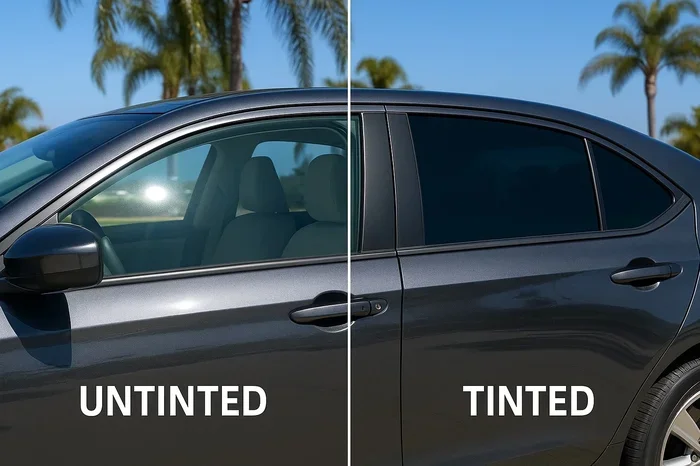
If you’re considering a 28 percent window tint, you’re looking at a sweet spot between style and function. This tint level, also known as 28% visible light transmission (VLT), blocks about 72% of the light that hits your windows. It’s dark enough to reduce glare and heat, yet light enough to keep your view clear. Many car owners choose this shade because it looks sleek and stays within legal limits in most states.
VLT measures the percentage of visible light that passes through your glass. A 28% VLT film allows 28% of light in and rejects 72%. Compare that to factory tint, which typically sits between 70% and 80% VLT. Aftermarket tint films come in many shades, and 28% is a popular middle-ground option. You can find it in ceramic, carbon, dye-based, and metalized formulations. Each type offers different levels of heat rejection and durability.
One quick tip: always check the VLT rating on the film packaging before you buy. Some films are labeled by their darkness level, while others list the exact percentage of light transmission. Knowing this number helps you stay compliant and avoid surprises during inspections.
Top Benefits of Choosing a 28 Percent Window Tint
A 28 percent window tint brings a long list of practical advantages. Let’s break down the biggest reasons car owners make this choice.
- Heat Reduction: A 28% VLT film can reject up to 65% of total solar energy. That means your cabin stays cooler on hot days, and your air conditioning doesn’t have to work as hard.
- UV Protection: Quality window film blocks up to 99% of harmful UV rays. This protects your skin during long drives and prevents your dashboard and seats from fading.
- Glare Reduction: Driving into the setting sun or facing oncoming headlights at night becomes much more comfortable. Less glare means less eye strain and safer driving.
- Privacy and Security: A 28% shade makes it harder for people outside to see into your vehicle. It adds a layer of privacy without making your car look overly dark.
- Subtle Aesthetic: This tint level gives your car a polished, customized look. It enhances the body lines without crossing into the flashy territory of very dark tints.
- Legal Compliance: In many states, 28% VLT is allowed on rear side windows and the rear windshield. This makes it a safe choice if you want a tinted look without risking a ticket.
Key Takeaways
- A 28% window tint balances comfort, style, and legality.
- It blocks heat and UV rays while keeping your view clear.
- It’s a popular choice for both daily drivers and show cars.
How 28 Percent Tint Compares to Other Darkness Levels
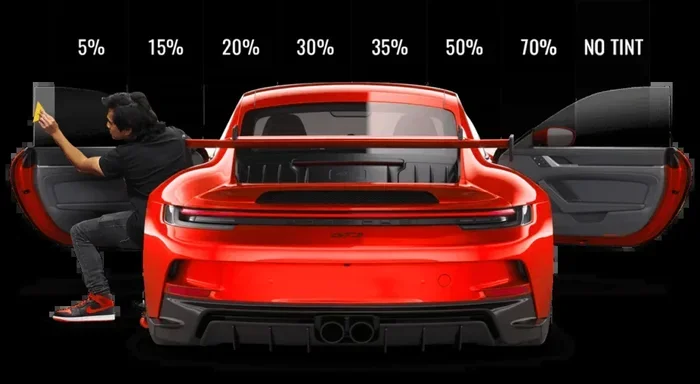
Not all tints are created equal. The darkness level you choose affects how much light enters your car, how much heat you block, and whether you stay on the right side of the law. Here’s how a 28 percent window tint stacks up against other common options.
| Tint Level | VLT Percentage | Light Blocked | Best For | Common Use |
|---|---|---|---|---|
| 5% (Limousine) | 5% | 95% | Maximum privacy, show cars | Rear windshield, luxury vehicles |
| 20% (Dark Tint) | 20% | 80% | Strong heat rejection, privacy | Rear side windows, SUVs |
| 28% (Medium Tint) | 28% | 72% | Balanced style and function | All windows, daily drivers |
| 35% (Light Tint) | 35% | 65% | Subtle look, good heat reduction | Front side windows, sedans |
| 50% (Very Light) | 50% | 50% | Basic UV protection, factory-like feel | Front side windows, legal everywhere |
As you can see, a 28% window tint sits right in the middle. It offers noticeably better heat rejection than a 35% or 50% film, but it’s not as dark as a 20% or 5% tint. For most drivers, this is the ideal balance. You get real comfort benefits without sacrificing visibility or running into legal trouble.
Quick Tip
When comparing tints, always ask for the exact VLT rating. Some manufacturers round numbers, so a “28%” film might actually measure 26% or 30%. The difference can matter for legal compliance.
Legal Limits and Regulations for 28 Percent Tint
Window tint laws vary by state, and they can be confusing. The key thing to know is that most states regulate the front side windows more strictly than the rear side windows and rear windshield. A 28 percent window tint is often legal on the rear windows, but it may not be allowed on the front side windows.
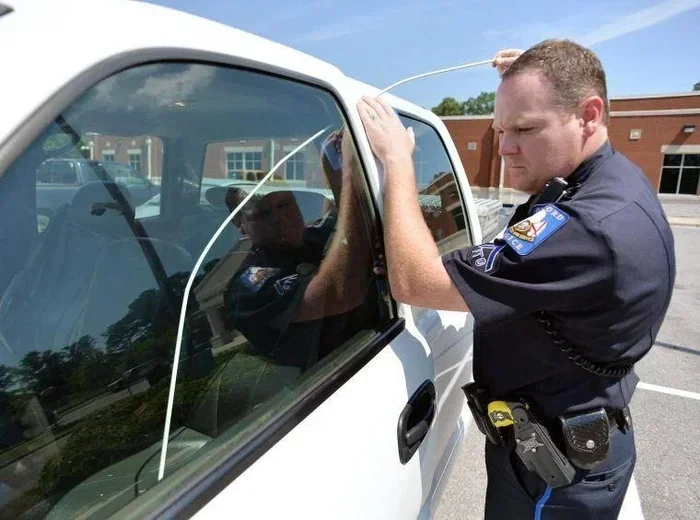
In many U.S. states, the front side windows must have a VLT of 70% or higher. That means a 28% film would be illegal for the driver and passenger front doors. However, some states allow a 28% VLT on front side windows if you have a medical exemption. Other states permit it without any special permission. Always check your specific state’s Department of Motor Vehicles (DMV) website or contact your local tint shop for the latest rules.
Here are a few common scenarios where a 28% tint is generally accepted:
- Rear side windows on sedans, SUVs, and trucks
- Rear windshield (in most states)
- Vehicles with a medical exemption for front side windows
Common Mistake: Assuming that because 28% tint is legal on the rear windows, it’s automatically legal on the front windows. This is not true. The front side window laws are stricter in the majority of states.
Expert Insight
Tint professionals recommend calling your state’s DMV or visiting their website before you purchase any film. Laws change frequently, and what was legal last year might have updated this year. A quick check can save you from a costly ticket or a forced removal.
Installation Process and Tips for 28 Percent Window Tint
Installing a 28 percent window tint is a straightforward process, whether you choose a DIY kit or a professional installer. The steps are similar for most tint films, and getting it right the first time makes a huge difference in how the film looks and lasts.
DIY Installation: What You Need to Know
If you’re handy and enjoy a weekend project, a DIY tint kit can save you money. You’ll need a few basic tools: a tint cutting kit, a squeegee, an application solution, a heat gun, and a razor blade. Most kits come with detailed instructions and a pre-cut film for your specific vehicle model.
Here’s the basic process:
- Clean the window thoroughly. Use a glass cleaner and a lint-free cloth. Any dust or debris will show up as bumps under the film.
- Cut the film to size. If you’re using a pre-cut kit, the pieces are already shaped. If you’re using a roll, leave a small overlap on each edge.
- Spray the window with application solution. This slippery liquid lets you position the film perfectly before it sticks.
- Apply the film, shiny side out. Peel the backing and lay the film onto the wet glass. Use the squeegee to push out water and bubbles from the center outward.
- Trim the edges. Use a razor blade to clean up any excess film around the edges of the window.
- Let it cure. The film needs 3-7 days to fully cure, depending on the type. Avoid rolling down the windows during this time.
Common Mistakes During Installation
- Not cleaning the window well enough. Even a tiny speck of dust creates a visible bump.
- Applying the film in direct sunlight. The heat causes the solution to dry too fast, making it hard to reposition.
- Using too little application solution. This leads to hard-to-remove bubbles.
- Cutting the film too small. Leave a little extra to wrap around the edges.
Quick Tip
If you’re doing a DIY install, keep a hair dryer or heat gun handy. Gently heating the film after application helps it shrink and conform to curved window edges. This reduces the chance of bubbling or peeling.
Key Takeaways
- Clean, dry glass is the foundation of a perfect tint job.
- Use plenty of application solution and squeegee out every bubble.
- Let the film cure fully before rolling down the windows.
- When in doubt, hire a professional installer. A good installation lasts for years.
Maintaining Your 28 Percent Window Tint
Once your 28 percent window tint is installed, proper care will keep it looking great for years. The good news is that maintaining tinted windows is simple and doesn’t require any special products.
For the first 30 days after installation, avoid rolling down the windows. This gives the film time to cure and bond fully to the glass. After that curing period, you can clean your tinted windows normally. The most important rule is to avoid ammonia-based glass cleaners. Ammonia can break down the tint adhesive and cause bubbling or peeling over time.
Instead, use a mild, ammonia-free glass cleaner or a simple mix of water and a few drops of dish soap. Always wipe with a soft microfiber cloth. Avoid rough sponges or paper towels, which can scratch the film surface.
Here are a few extra tips to extend the life of your tint:
- Park in the shade when possible. Less direct sun exposure reduces fading and keeps the adhesive strong.
- Use a sunshade on the windshield. This protects the tint from extreme heat buildup when your car sits in the parking lot.
- Check the edges regularly. If you notice any lifting or peeling at the edges, have it repaired quickly. Small issues can grow into bigger problems.
- Keep your warranty card safe. Many quality tint films come with a 5- to 10-year warranty. A professional installer will provide the registration details.
With these simple habits, a 28% window tint can easily last 5 to 10 years, and some high-quality ceramic films can last even longer. The film may fade slightly over a decade, but the performance and appearance will remain excellent.
Conclusion
A 28 percent window tint is a smart upgrade for any vehicle. It balances style, comfort, and legality in a way that very few other tint levels can match. You get meaningful heat and UV rejection, better glare control, and a sleek look that turns heads without breaking any rules. Whether you choose a DIY kit or hire a professional, the key is to pick a high-quality film, follow the installation steps carefully, and care for it properly afterward. Take your time, do your research on local laws, and enjoy the ride with a perfectly tinted car.
Frequently Asked Questions
Is 28% window tint legal on the front side windows?
In most states, 28% tint is not legal on the front side windows because the VLT is too low. Front side windows usually need a VLT of 70% or higher. However, a few states allow 28% on front side windows with a medical exemption. Always double-check your state’s specific window tint law before you buy.
How much does a 28% window tint cost?
The cost varies depending on the film type, your vehicle size, and whether you DIY or hire a pro. A DIY kit for a standard sedan typically costs $50 to $150. Professional installation for a full car can range from $200 to $500. Ceramic and carbon films, which offer the best performance, tend to be on the higher end of that range.
Can you see through 28% tint at night?
Yes, you can see through a 28% tint at night, though it’s slightly darker than factory tint. The view remains clear, especially on well-lit streets. If you drive in very dark or rural areas, you might notice a small reduction in visibility, but it’s not enough to cause safety issues for most drivers.
What’s the difference between 20% and 28% tint?
A 20% tint blocks 80% of light and looks noticeably darker than a 28% tint, which blocks 72%. The 20% tint offers more privacy and heat rejection, but it’s also more likely to be illegal for front side windows. The 28% tint is a better middle-ground choice for those who want a dark look without crossing legal limits in most states.
Does 28% window tint block UV rays?
Yes, a quality 28% window tint can block up to 99% of harmful UV rays, regardless of its visible light transmission level. The UV protection comes from the film’s metallic or ceramic particles, not the darkness of the tint. This means even a lighter tint like 28% can offer excellent skin and interior protection.
How long does 28% window tint last?
With proper care, a 28% window tint typically lasts between 5 and 10 years. Dye-based films may fade after 3 to 5 years, while ceramic and carbon films can maintain their performance for a decade or more. Keeping the film away from harsh chemicals and cleaning it with a microfiber cloth will help extend its lifespan.