Keep Your Car at Full Form in Car with These Simple Tips
Keeping your car at full form in car is easier than you think. With regular maintenance, smart driving habits, and simple care routines, your vehicle stays reliable and looks great for years. This guide covers everything you need to keep your car running at its best, inside and out.
Your car is one of the biggest investments you will ever make. It takes you to work, runs your errands, and handles road trips. But over time, every vehicle starts to show its age. The good news? You can keep your car at full form in car with simple, consistent care.
Whether you drive a brand-new sedan or a trusty older truck, basic maintenance makes a huge difference. A well-maintained car runs smoother, lasts longer, and stays safer on the road. This guide walks you through every step to keep your vehicle in top shape.
We will cover everything from engine care to interior cleaning. You will find practical tips you can start using today. No expensive tools needed. No mechanic degree required. Just straightforward advice that really works.
So let us dive in. By the end of this guide, you will know exactly how to keep your car at full form in car all year round.
Key Takeaways
- Regular Maintenance: Stick to a consistent schedule for oil changes, fluid checks, and inspections to keep your car at full form in car.
- Exterior Care Matters: Washing, waxing, and paint protection preserve your car’s appearance and resale value.
- Engine Health Is Key: Timely spark plug replacements and air filter changes boost performance and fuel efficiency.
- Interior Cleanliness: A clean cabin improves comfort and prevents long-term wear on seats and surfaces.
- Seasonal Preparation: Adjusting your care routine for weather changes prevents costly repairs.
- Avoid Common Mistakes: Skipping oil changes and ignoring warning lights are the biggest car killers.
📑 Table of Contents
Why Keeping Your Car at Full Form Matters
Some people think car care is only for car enthusiasts. That is not true at all. Every vehicle benefits from regular attention. When you keep your car at full form in car, you get real rewards.
First, a well-maintained car is safer. Brakes work better. Tires grip the road properly. Lights shine bright. All of these things protect you and your passengers.
Second, it saves you money. Small maintenance tasks cost very little compared to major repairs. A simple oil change today can prevent a blown engine tomorrow.
Third, your car holds its value better. If you ever want to sell or trade in, a car in great shape commands a higher price. Buyers notice the difference.
Finally, a clean, well-running car just feels better to drive. You enjoy the ride more. That alone is worth the effort.
The Cost of Neglect
Skipping maintenance leads to big problems. A small leak becomes a broken engine. Dirty filters reduce fuel economy. Worn tires become dangerous. These issues add up fast.
Studies show that regular maintenance can extend a car’s lifespan by several years. The average car lasts about 200,000 miles with proper care. Without it, many vehicles break down well before that mark.
Your Regular Maintenance Checklist
A checklist keeps you organized. You never have to guess what needs doing. Here is a simple routine to follow every month.
Monthly Checks You Can Do Yourself
- Tire Pressure: Check all four tires and the spare. Proper pressure improves fuel economy and safety.
- Oil Level: Pull the dipstick and look. Low oil means trouble for your engine.
- Coolant Level: Check the reservoir when the engine is cool. Low coolant causes overheating.
- Lights: Walk around your car. Test headlights, brake lights, and turn signals.
- Windshield Wipers: Worn wipers reduce visibility in rain. Replace them when they streak.
Services to Schedule Every 3,000 to 5,000 Miles
- Oil and Filter Change: This is the single most important maintenance task. Fresh oil keeps your engine running smoothly.
- Tire Rotation: Rotating tires ensures even wear. It also extends their lifespan.
- Brake Inspection: A mechanic checks pad thickness and fluid levels.
Major Services Every 30,000 Miles
- Replace the air filter
- Change the transmission fluid
- Inspect the brake system thoroughly
- Flush the cooling system
- Check the battery and electrical system
Exterior Care Tips to Keep Your Car Looking Great
The outside of your car takes a beating every day. Sun, rain, dirt, and road grime all take a toll. Keeping the exterior in great shape is a big part of keeping your car at full form in car.
Washing the Right Way
Wash your car at least once every two weeks. More often if you live near the coast or drive on salted roads. Here is the best method:
- Rinse the car thoroughly with water first.
- Use a two-bucket method. One bucket for soapy water and one for rinsing your sponge.
- Wash from top to bottom. The lower panels are the dirtiest.
- Rinse completely and dry with a microfiber cloth.
Never use dish soap. It strips away the protective wax layer. Use a dedicated car wash shampoo instead.
Waxing and Paint Protection
Waxing your car every three months protects the paint. It creates a barrier against UV rays, bird droppings, and tree sap.
For extra protection, consider a ceramic coating. It lasts much longer than traditional wax and provides excellent shine.
| Protection Method | Duration | Cost | Best For |
|---|---|---|---|
| Car Wax | 2-3 months | $15-$50 | Regular maintenance |
| Ceramic Coating | 2-5 years | $200-$1,000 | Long-term protection |
| Paint Sealant | 4-6 months | $20-$80 | Synthetic durability |
| PPF (Paint Protection Film) | 5-10 years | $500-$3,000 | Full exterior coverage |
Fixing Small Scratches and Chips
Small chips and scratches get worse over time. Moisture gets inside and causes rust. Use a touch-up pen for minor chips. For deeper scratches, a professional paint correction service works well.
- Never use a household sponge. It is too abrasive and leaves tiny scratches.
- Do not wash in direct sunlight. The soap dries too fast and leaves marks.
- Avoid automatic car washes with harsh brushes. They damage the paint over time.
Engine and Performance Maintenance
The engine is the heart of your vehicle. Taking care of it is the best way to keep your car at full form in car. A healthy engine delivers power, efficiency, and reliability.
Spark Plugs and Ignition System
Spark plugs ignite the fuel in your engine’s cylinders. Over time, they wear out and cause misfires. You may notice rough idling or poor acceleration.
Replace spark plugs every 30,000 to 100,000 miles depending on the type. Copper plugs need replacing more often. Iridium and platinum plugs last much longer.
Air Filter Replacement
A dirty air filter restricts airflow to the engine. This reduces performance and fuel economy. Check your air filter every 15,000 miles. Replace it when it looks dark and clogged.
Changing an air filter is one of the easiest DIY tasks. Most cars have an easily accessible air box. You just open it, pull out the old filter, and drop in a new one.
Fuel System Care
Use quality fuel from reputable stations. Cheap gas can contain contaminants that harm your engine over time.
Consider adding a fuel system cleaner every 10,000 miles. It removes carbon buildup from the injectors and intake valves. Your engine runs smoother and more efficiently.
Timing Belt and Serpentine Belt
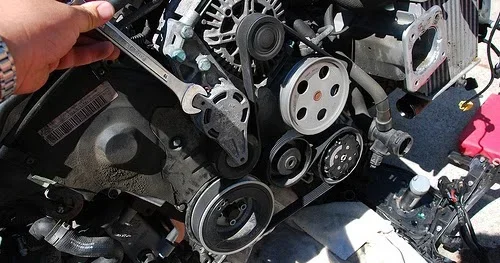
The timing belt synchronizes your engine’s camshaft and crankshaft. If it breaks, it can cause catastrophic engine damage. Replace it according to your manufacturer’s schedule, usually between 60,000 and 100,000 miles.
The serpentine belt drives your alternator, power steering, and air conditioning. Inspect it regularly for cracks and wear. A squealing noise often signals a loose or worn belt.
Interior Care for a Fresh Cabin
People often forget the inside of their car. But the interior affects your daily comfort and the overall value of the vehicle. A clean cabin is part of keeping your car at full form in car.
Seats and Upholstery
Vacuum your seats and carpets at least once a week. This removes dirt and crumbs that grind into the fabric over time.
For leather seats, use a dedicated leather cleaner and conditioner every two months. This prevents cracking and keeps the leather soft and supple.
For fabric seats, a fabric protector spray helps resist stains. Apply it after a thorough cleaning for the best results.
Dashboard and Surfaces
Wipe down the dashboard and center console with a microfiber cloth. Use an interior cleaner designed for automotive surfaces.
Do not use household cleaners on plastic and vinyl. They can cause fading and cracking over time. A UV protectant spray helps shield surfaces from sun damage.
Keeping It Smelling Fresh
Bad smells in a car are hard to get rid of. The key is finding the source, not just masking it.
- Check for food debris under seats and in crevices.
- Replace the cabin air filter if it smells musty.
- Use an odor eliminator spray, not just a perfume freshener.
- Baking soda sprinkled on carpets absorbs odors overnight.
Organizing Your Interior
A cluttered car feels cramped and stressful. Use seat-back organizers for kids’ items. Keep a small trash bin in the car and empty it regularly.
Store emergency supplies in the trunk. A flashlight, first aid kit, and blanket take up little space but provide peace of mind.
Seasonal Car Care Tips
Every season brings different challenges for your vehicle. Adjusting your care routine keeps your car at full form in car no matter the weather.
Spring and Summer Care
- Air Conditioning Check: Test your AC before summer hits. Recharge the refrigerant if it is not blowing cold air.
- Coolant System: Summer heat puts extra stress on your cooling system. Ensure the coolant level is correct and the system is leak-free.
- Tire Pressure: Heat causes tire pressure to rise. Check pressures monthly and adjust to the recommended level.
- Sun Protection: Use a windshield sunshade when parked. It keeps the interior cooler and protects the dashboard from UV damage.
Fall and Winter Care
- Battery Health: Cold weather weakens car batteries. Have a mechanic test your battery before winter arrives.
- Tire Type: Consider winter tires if you live in an area with snow and ice. They provide much better traction than all-season tires.
- Windshield Washer Fluid: Use winter-grade washer fluid that does not freeze. Keep the reservoir full at all times.
- Defroster and Heater: Test these systems early in fall. You do not want to find out they do not work on a cold morning.
Seasonal Care Comparison
| Task | Spring/Summer | Fall/Winter |
|---|---|---|
| Tire Pressure | Check monthly | Check weekly |
| Battery Check | Inspect terminals | Test charge level |
| Fluids | Top off coolant | Use winter washer fluid |
| Wipers | Replace if streaking | Install winter blades |
| Emergency Kit | Sunshade, water | Blanket, ice scraper |
Common Mistakes That Hurt Your Car
Even well-meaning car owners make mistakes that shorten their vehicle’s lifespan. Knowing what to avoid is just as important as knowing what to do.
Ignoring Warning Lights
That check engine light is not just decoration. It alerts you to problems early. Ignoring it can turn a small repair into a major one.
If a warning light comes on, get your car checked as soon as possible. Most auto parts stores will read the error codes for free.
Skipping Oil Changes
Oil is the lifeblood of your engine. It lubricates moving parts and reduces friction. Old oil breaks down and loses its effectiveness.
Do not push oil changes too far past the recommended interval. Even if you do not drive many miles, oil degrades over time.
Driving on Empty
Running your car on low fuel can damage the fuel pump. Sediment settles at the bottom of the tank and gets sucked into the engine when fuel is low.
Try to keep your tank at least a quarter full at all times. It also saves you from the stress of finding a gas station when you are running late.
Overloading the Vehicle
Every vehicle has a maximum weight capacity. Exceeding it strains the suspension, brakes, and transmission. Check your owner’s manual for the payload limit.
Final Thoughts on Keeping Your Car at Full Form
Your car works hard for you every single day. It deserves the same care and attention in return. Keeping your car at full form in car is not about being obsessive. It is about being smart with your investment.
Start with the basics. Check your fluids regularly. Stay on top of oil changes. Wash and wax your car. Replace worn parts before they cause bigger problems.
These simple habits add up to big results. Your car will run better, last longer, and keep you safer on the road. Plus, a well-cared-for car is simply more enjoyable to drive.
You do not need to be a mechanic. You do not need expensive equipment. You just need consistency and a little bit of know-how. The tips in this guide give you everything you need.
So pick one thing from this article and start today. Maybe it is checking your tire pressure. Maybe it is scheduling that overdue oil change. Whatever it is, take action now. Your car will thank you for it.
Remember, a car at full form is a car that takes care of you right back. Drive safe, drive smart, and enjoy the ride.
Frequently Asked Questions
How often should I wash my car to keep it at full form?
Washing your car every two weeks is a good baseline. If you live near the ocean or in areas with road salt, wash it weekly. Regular washing prevents dirt buildup and protects the paint from corrosion.
What is the most important car maintenance task?
Regular oil changes are the single most important maintenance task. Oil keeps your engine lubricated and cool. Skipping oil changes is the fastest way to cause serious engine damage.
Can I maintain my car at full form without a mechanic?
Absolutely. Many maintenance tasks are simple and DIY-friendly. Oil changes, air filter replacements, tire pressure checks, and windshield wiper swaps can all be done at home with basic tools.
How do I know if my car needs a major service?
Watch for warning signs like unusual noises, reduced fuel economy, vibrating while driving, or dashboard warning lights. Following your manufacturer’s service schedule also helps you stay ahead of major needs.
Does keeping my car clean really affect its value?
Yes, it does. A clean, well-maintained car holds its value significantly better than a neglected one. When it is time to sell, buyers and dealers notice the condition immediately.
What should I keep in my car for emergencies?
Keep a basic emergency kit that includes a flashlight, first aid supplies, jumper cables, a blanket, water bottles, and an ice scraper in winter. These items can make a big difference in an unexpected situation.