Why Is My Car Overheating All of a Sudden And What To Do
Your car can overheat all of a sudden due to several common reasons like a coolant leak, broken thermostat, or faulty water pump. Ignoring an overheating engine can lead to serious and expensive damage. This guide walks you through the most common causes, what to do right when it happens, and how to prevent it from happening again. You will learn simple steps to keep your cooling system working properly and your car running cool.
There is nothing quite like the sinking feeling when you glance at your dashboard and see the temperature warning light glowing red. Or maybe you see steam curling up from under the hood. Either way, a car overheating all of a sudden can turn a normal drive into a stressful event. You might feel panicked, but the most important thing is to stay calm and act quickly.
Understanding why your car is overheating all of a sudden can help you respond the right way and avoid costly damage. This article breaks down the most common causes, tells you exactly what to do in the moment, and gives you practical tips to keep your engine running cool. Whether you are on the highway or stuck in traffic, knowing the basics of your car’s cooling system can make all the difference.
We will cover everything from low coolant and broken thermostats to radiator problems and water pump failure. You will also learn about warning signs you should never ignore and simple maintenance steps that can prevent overheating before it starts. By the end, you will feel more confident about handling this situation if it ever comes up.
Key Takeaways
- Low coolant is the #1 cause: A leak in the cooling system is the most common reason cars overheat suddenly.
- Act fast when your car overheats: Pull over safely, turn off the AC, and turn on the heater to protect your engine.
- Know the warning signs: Steam from the hood, a rising temperature gauge, and strange smells all point to overheating.
- Regular maintenance helps prevent problems: Checking coolant levels and inspecting hoses can save you from a breakdown.
- Some fixes are DIY-friendly: Topping off coolant or replacing a radiator cap are simple tasks most car owners can do.
- Don’t ignore the problem: Driving an overheating car can destroy your engine and lead to thousands in repair costs.
📑 Table of Contents
- What Happens When Your Car Overheats
- Common Reasons Why Your Car Overheats All of a Sudden
- What To Do Right When Your Car Starts Overheating
- Warning Signs Your Car Is About to Overheat
- How To Prevent Your Car From Overheating
- Comparing Common Overheating Causes
- Common Mistakes People Make When Their Car Overheats
- When To Call a Mechanic
- Conclusion
What Happens When Your Car Overheats
Your car engine runs hot. Really hot. It needs a cooling system to keep temperatures in a safe range. When that system fails, the engine temperature rises fast. Within minutes, serious damage can occur.
The Role of Your Cooling System
Your cooling system works hard to keep your engine at the right temperature. It uses a mix of water and coolant that flows through the engine block. A water pump pushes this liquid through hoses and past the radiator, where heat gets released into the air. A thermostat controls the flow, and a cooling fan helps when the car is moving slowly or sitting still.
When any part of this system breaks down, heat builds up. The engine temperature climbs. And before you know it, your car is overheating.
Why Sudden Overheating Is Especially Dangerous
Sudden overheating is different from a slow gradual rise in temperature. When the temperature spikes fast, there is less time to react. The engine parts expand quickly under heat. This can cause head gasket failure, warped engine parts, or even a cracked engine block. These are expensive repairs that can easily cost thousands of dollars.
This is why knowing the causes and responding fast matters so much. The sooner you address the problem, the less damage you will face.
Common Reasons Why Your Car Overheats All of a Sudden
Several issues can cause your car to overheat quickly. Let us look at the most common ones. Understanding these helps you figure out what might be wrong and when to call a mechanic.
Low Coolant or a Coolant Leak
This is the number one reason cars overheat. Coolant is the liquid that absorbs heat from your engine. If the level drops too low, there is not enough fluid to carry heat away. Coolant leaks can happen in many places:
- Radiator hoses — These rubber hoses crack and leak over time, especially in hot weather or with age.
- Radiator itself — A hole or crack in the radiator lets coolant seep out.
- Water pump — The pump seal can wear out and start leaking.
- Heater core — A small leak here can slowly drain your coolant.
- Radiator cap — A faulty cap cannot maintain proper pressure, causing coolant to boil and escape.
Even a small leak can cause a big problem if you do not notice it early. Check your coolant level regularly. If you find a puddle of green, orange, or pink fluid under your car, that is a clear sign of a leak.
Broken Thermostat
The thermostat is a small valve that opens and closes to regulate coolant flow. When the engine is cold, it stays closed to help the engine warm up quickly. When the engine gets hot, it opens to let coolant flow through.
If the thermostat gets stuck closed, coolant cannot circulate. Heat builds up fast. This is a very common cause of sudden overheating. Replacing a thermostat is usually inexpensive and straightforward.
Faulty Water Pump
The water pump is the heart of your cooling system. It pushes coolant through the engine and hoses. If the pump fails, coolant stops moving. Heat has nowhere to go. The engine temperature rises rapidly.
Water pump failure can happen because of a worn-out seal, a broken impeller, or a leaking bearing. A whining or grinding noise from the front of the engine can be a sign that the water pump is going bad.
Radiator Problems
Your radiator releases heat from the coolant into the air. If the radiator gets clogged, damaged, or blocked, it cannot do its job properly. Dirt, bugs, and debris can block airflow through the radiator fins. Internal sludge can build up and restrict coolant flow.
A damaged radiator can also leak coolant externally. If you notice coolant dripping from the front of your car, the radiator may need repair or replacement.
Cooling Fan Failure
The cooling fan kicks in when your car is idling or moving slowly. It pulls air through the radiator to cool the coolant. If the fan motor fails, the fan relay goes bad, or the fan blades break, your car can overheat quickly in stop-and-go traffic or while sitting at a red light.
Some cars use electric fans, while others use a fan belt driven by the engine. Both types can fail, and both failures lead to overheating if not addressed.
Head Gasket Failure
The head gasket sits between the engine block and the cylinder head. It seals the combustion chambers and keeps coolant and oil from mixing. When a head gasket blows, combustion gases can enter the cooling system. This creates air pockets that block coolant flow and cause sudden overheating.
Signs of a blown head gasket include white smoke from the exhaust, a milky residue under the oil cap, and bubbles in the coolant reservoir. This is a serious repair that needs immediate attention.
Serpentine Belt Issues
The serpentine belt drives the water pump, among other components. If this belt breaks or slips, the water pump stops working. No coolant circulation means rapid overheating. A squealing noise from the engine bay is often the first sign of a belt problem.
Regularly inspect your belt for cracks, fraying, or glazing. Replacing a belt is cheap compared to the damage a broken belt can cause.
What To Do Right When Your Car Starts Overheating
Knowing what to do in the moment can save your engine from serious harm. Here is a step-by-step guide to follow if your temperature gauge starts climbing or you see steam.
Step 1: Pull Over Safely
Do not keep driving. Find a safe spot to pull over as soon as possible. Turn on your hazard lights and stop the car. Continuing to drive with an overheating engine can cause catastrophic damage.
Step 2: Turn Off the Air Conditioning
The AC puts extra load on the engine. Turning it off reduces the heat your engine has to deal with. This small change can make a big difference while you figure out the problem.
Step 3: Turn On the Heater
This might feel counterintuitive, but turning on the heater full blast pulls heat away from the engine and into the cabin. It is a quick trick that can help lower the engine temperature temporarily while you wait for help.
Step 4: Let the Engine Cool Down
Do not open the hood right away. The steam and hot coolant can cause severe burns. Wait at least 10 to 15 minutes for the engine to cool down. Keep an eye on the temperature gauge. Once it starts dropping, you can carefully open the hood.
Step 5: Check the Coolant Level
Once the engine is cool, check the coolant reservoir. If the level is low, you can add a mix of coolant and water or just water as a temporary fix. Never open the radiator cap when the engine is hot. The pressure inside can cause hot coolant to spray out and burn you.
Step 6: Call for Help or Head to a Mechanic
If the coolant level is fine and you do not know what is wrong, call a tow truck or a mobile mechanic. Driving an overheating car, even a short distance, can turn a small repair into a major engine replacement.
Quick Tips for Overheating Emergencies
- Keep a bottle of coolant and a gallon of water in your trunk during hot months.
- Know where your hood release is located before you need it in an emergency.
- Never pour cold water directly onto a hot engine. This can cause the engine block to crack.
- Keep a pair of gloves and a rag in your car for safe coolant checks.
- If you see steam, do not stand directly over the hood when you open it.
Warning Signs Your Car Is About to Overheat
Your car usually gives you warning signs before it fully overheats. Learning to recognize these signals early can save you from a roadside breakdown.
The Temperature Gauge
Your dashboard has a temperature gauge or a warning light. If the needle moves into the red zone or the light comes on, your engine is too hot. Do not ignore this. Pull over and investigate immediately.
Steam or Smoke From Under the Hood
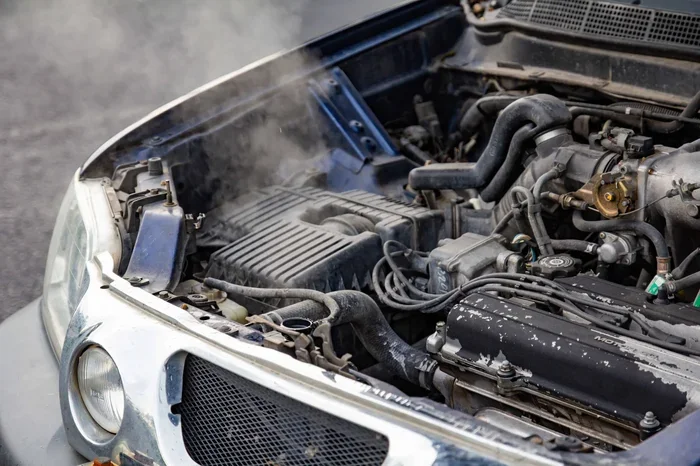
Steam or smoke rising from the front of your car is one of the most obvious signs of overheating. This usually means coolant is leaking onto hot engine parts and boiling off. If you see this, pull over safely and turn off the engine.
Unusual Smells
A sweet, syrupy smell often means coolant is leaking onto hot engine surfaces. A burnt or hot metal smell can mean oil is overheating. Both are serious warning signs that should not be ignored.
Strange Sounds From the Engine
Some overheating issues cause unusual noises. A gurgling or bubbling sound from the engine bay can mean air pockets in the cooling system. A ticking or knocking noise can mean the engine is running too hot and the metal parts are expanding.
Loss of Power or Engine Stalling
If your car feels sluggish, loses power, or stalls unexpectedly, overheating could be the cause. When the engine gets too hot, it cannot run efficiently. You may notice rough idling or hesitation when you press the gas pedal.
How To Prevent Your Car From Overheating
Prevention is always better than repair. A little regular maintenance can keep your cooling system working properly and help you avoid the stress of sudden overheating.
Check Coolant Levels Regularly
Make it a habit to check your coolant level once a month. The coolant reservoir is easy to access under the hood. Look for the minimum and maximum marks on the side of the tank. If the level is low, top it off with the correct type of coolant for your vehicle.
Always use a 50/50 mix of coolant and distilled water unless your vehicle manual says otherwise. This mixture provides the best protection against both overheating and freezing in cold weather.
Inspect Hoses and Belts
Look at the hoses that connect your radiator to the engine. Feel for soft spots, cracks, or bulges. Squeeze the hoses gently. If they feel hard or brittle, it is time to replace them. Check the serpentine belt for wear, cracks, or glazing as well.
Most hoses last about five years, but they can fail sooner in hot climates or with heavy use. A quick visual inspection takes only a few minutes and can catch problems early.
Replace the Thermostat on Schedule
The thermostat is a small part that does a big job. Over time, it can wear out and stick open or closed. Most mechanics recommend replacing the thermostat every 50,000 to 100,000 miles as a preventive measure. It is a cheap part and an easy fix that can prevent overheating problems down the road.
Keep the Radiator Clean
Your radiator needs good airflow to work properly. Over time, bugs, dirt, and debris can build up on the front of the radiator and block air from passing through. Rinse the radiator gently with a hose during car washes. Never use a pressure washer directly on the radiator fins, as this can bend them and reduce airflow.
Flush the Cooling System
Old coolant loses its effectiveness over time. It can become acidic and start eating away at the inside of the cooling system. Flushing the system and replacing the coolant at the intervals recommended by your vehicle manufacturer keeps everything running smoothly.
Most cars need a coolant flush every 30,000 to 50,000 miles. Check your owner’s manual for the specific recommendation for your vehicle.
Watch Your Temperature Gauge While Driving
Make it a habit to glance at your temperature gauge while driving. Do not wait for the warning light to come on. If you notice the needle creeping up, take action early. Pull over safely, turn off the AC, and turn on the heater. This can help you catch a small problem before it becomes a big one.
Comparing Common Overheating Causes
Not all causes of overheating are the same. Some are simple and cheap to fix, while others are more serious and expensive. Here is a comparison of the most common causes.
| Cause | Severity | Typical Repair Cost | DIY Friendly? |
|---|---|---|---|
| Low Coolant / Coolant Leak | Moderate | $50 – $300 | Yes (topping off) |
| Broken Thermostat | Moderate | $100 – $300 | Yes |
| Water Pump Failure | High | $300 – $750 | No |
| Radiator Problem | Moderate to High | $200 – $900 | Sometimes |
| Cooling Fan Failure | Moderate | $150 – $500 | Sometimes |
| Head Gasket Failure | Very High | $1,000 – $2,500+ | No |
| Serpentine Belt Break | High | $100 – $200 | Yes |
As you can see, some causes are much cheaper and easier to fix than others. The key is catching the problem early before it escalates into something much worse.
Common Mistakes People Make When Their Car Overheats
When panic sets in, people often make mistakes that make the problem worse. Here are some errors to avoid.
Continuing to Drive
The biggest mistake is keeping the car running when it is overheating. Every minute you drive with a hot engine increases the risk of permanent damage. Even a few more miles can turn a $200 repair into a $3,000 engine replacement.
Opening the Radiator Cap When Hot
The radiator system is pressurized. When the engine is hot, opening the cap can cause superheated coolant to spray out violently. This can cause severe burns. Always wait for the engine to cool down before touching anything under the hood.
Pouring Cold Water on a Hot Engine
Some people think pouring cold water on the radiator will cool things down fast. This is a dangerous idea. The sudden temperature change can crack the engine block or warp the cylinder head. Always let the engine cool naturally.
Ignoring the Problem
Some drivers notice the temperature gauge rising and simply ignore it, hoping the problem goes away. It does not. Overheating is a sign that something is wrong, and it will not fix itself. Address the issue immediately to avoid bigger problems.
Using the Wrong Coolant
Not all coolants are the same. Using the wrong type can cause corrosion and reduce the effectiveness of your cooling system. Always use the coolant type recommended in your vehicle owner’s manual.
Expert Insight
According to automotive professionals, most sudden overheating cases come down to one of three things: low coolant, a stuck thermostat, or a failed water pump. Regular maintenance checks can catch all three of these issues early. A simple 10-minute inspection under the hood every month can save you from a roadside breakdown and thousands of dollars in repairs.
When To Call a Mechanic
Some overheating issues are simple enough to handle yourself. But there are times when you need professional help. Here are situations where you should call a mechanic right away:
- You have topped off the coolant, but the temperature keeps rising.
- You see steam or fluid leaking from under the car.
- The temperature gauge goes into the red zone and stays there.
- You hear unusual knocking or ticking sounds from the engine.
- White smoke comes from the exhaust along with overheating.
- The check engine light is on along with the temperature warning.
Do not try to be a hero with serious overheating problems. A qualified mechanic has the tools and experience to diagnose the issue correctly and fix it safely.
Conclusion
Finding out that your car is overheating all of a sudden can be scary, but it does not have to be a disaster. Now you know the most common causes, from low coolant and broken thermostats to water pump failure and head gasket problems. You also know exactly what to do in the moment and how to prevent it from happening again.
The key is to take the warning signs seriously. Do not ignore a rising temperature gauge, steam from the hood, or strange smells coming from the engine. Acting quickly can protect your engine and save you from expensive repairs. Regular maintenance like checking coolant levels, inspecting hoses, and flushing the cooling system goes a long way in keeping your car running smoothly.
Remember, your car’s cooling system works hard every time you drive. Give it the attention it deserves, and it will keep your engine cool and your trips worry-free. Stay proactive, stay informed, and do not let sudden overheating catch you off guard again.
Frequently Asked Questions
Can I keep driving if my car is overheating?
No. You should stop driving immediately and pull over to a safe location. Continuing to drive with an overheating engine can cause serious and permanent damage to the engine block, head gasket, and other internal parts. Turn off the engine and let it cool down before investigating the problem.
How much does it cost to fix an overheating car?
The cost depends on the cause. Simple fixes like topping off coolant or replacing a thermostat can cost between $50 and $300. More serious repairs like a water pump or head gasket replacement can range from $300 to over $2,500. Getting the problem diagnosed early is the best way to keep costs down.
Can low oil cause a car to overheat?
Yes, low oil can contribute to overheating. Oil helps lubricate and cool engine parts. When the oil level drops too low, friction increases and heat builds up. Always check your oil level regularly and keep it at the proper amount to help your engine run cool.
How long can I drive with an overheating engine?
You should not drive at all with an overheating engine. Even a few minutes of driving at high temperatures can cause the head gasket to blow, the engine block to crack, or other serious damage. Pull over safely, turn off the engine, and call for help if needed.
What should I put in my car if it overheats and I have no coolant?
If you do not have coolant available, you can add plain water as a temporary measure. This will help lower the engine temperature enough to get you to a mechanic. However, water does not protect against freezing or boiling as well as coolant does. Flush and refill the system with proper coolant as soon as possible.
Is it safe to drive after the car has cooled down?
Only if the overheating was caused by a simple issue like low coolant and you have topped it off. If the temperature gauge returns to normal and there are no leaks, you can drive carefully to a nearby mechanic. However, if the overheating keeps coming back or you are unsure of the cause, call a tow truck and have the car transported safely.