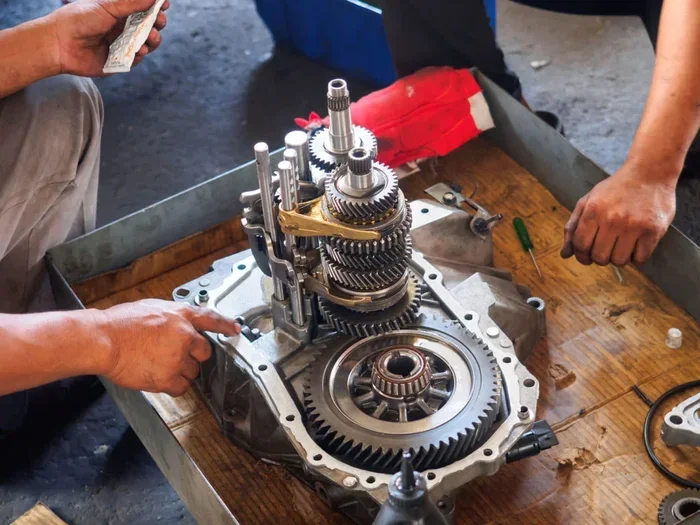
Can a Dealership Really Fix Your Transmission Issue
Yes, a dealership can fix your transmission, but the cost and timeline depend on the damage level and your vehicle type. Dealerships use OEM parts and certified technicians, which often means a more reliable repair. However, independent shops may offer lower prices for the same work.
Your car’s transmission is one of the most complex and expensive systems to repair. When it starts acting up, you might wonder whether a dealership is the right place to go. Maybe you’ve heard horror stories about dealership bills. Or perhaps you’re simply not sure what to expect. This guide breaks it all down in plain language.
The short answer is yes, a dealership can fix your transmission. But the real question is whether it’s the best option for your situation. There are many factors to consider, from the type of transmission your car has to the age and mileage of your vehicle. Let’s dive into everything you need to know before making that call.
Whether you drive an automatic transmission or a manual transmission, understanding your options saves you time and money. We’ll cover costs, warranties, what to expect during the repair process, and how to decide between a dealership and an independent shop. By the end, you’ll feel confident making the right call for your car.
Key Takeaways
- Dealerships have factory-trained technicians who specialize in your specific vehicle brand and model.
- OEM parts are standard at dealerships, which can improve the longevity of your transmission repair.
- Transmission repair costs vary widely, ranging from a few hundred dollars for a fluid change to several thousand for a full rebuild.
- Warranty coverage may apply if your car is still under the manufacturer’s powertrain warranty.
- Independent shops can be cheaper, but dealerships offer expertise and genuine parts assurance.
- Early diagnosis prevents costly repairs, so don’t ignore warning signs like slipping or grinding.
- Regular maintenance like transmission fluid changes can prevent major issues down the road.
📑 Table of Contents
- What Exactly Does a Dealership Do for Transmission Repair?
- How Much Does It Cost to Fix a Transmission at a Dealership?
- Dealership vs. Independent Shop: Which Is Better?
- What Are the Warning Signs of Transmission Problems?
- How to Prevent Transmission Problems
- What Happens During a Dealership Transmission Repair?
- Common Mistakes People Make With Transmission Repairs
- Final Thoughts: Should You Go to a Dealership for Transmission Repair?
What Exactly Does a Dealership Do for Transmission Repair?
A dealership service center is a bit different from your local mechanic. Dealerships employ technicians who are trained and certified by the car manufacturer. They use specialized tools and software designed specifically for your vehicle. This level of expertise can make a big difference when dealing with complex drivetrain problems.
When you bring your car to a dealership for transmission issues, here’s what typically happens:
- Diagnostic testing: The tech hooks your car up to a computer to read error codes and identify the problem.
- Inspection: They physically inspect the transmission, checking fluid levels, filters, and internal components.
- Repair plan: The service advisor gives you a detailed estimate of what needs to be done and how much it will cost.
- Repair work: Certified technicians perform the fix using manufacturer-approved parts and procedures.
- Follow-up: Many dealerships offer a post-repair inspection to make sure everything works properly.
This process is thorough, but it also takes time. Dealerships often have busy schedules, so you might wait a few days for your appointment. The upside? You’re getting work done by people who know your exact make and model inside and out.
OEM Parts vs. Aftermarket Parts
One major advantage of going to a dealership is the use of OEM parts. OEM stands for Original Equipment Manufacturer. These are parts made by the same company that built your car. They fit perfectly and meet the exact specifications of your vehicle.
Aftermarket parts, on the other hand, are made by third-party companies. They’re often cheaper, but the quality can vary. When it comes to something as critical as your transmission, using OEM parts gives you peace of mind. A poorly fitting aftermarket part could lead to more problems down the road.
If your car is still under warranty, the dealership is required to use OEM parts anyway. This alone is a strong reason to consider a dealership for your transmission repair if you’re within the warranty period.
How Much Does It Cost to Fix a Transmission at a Dealership?
Cost is usually the biggest concern when it comes to any car repair. And let’s be honest, transmission repairs aren’t cheap. But the exact price depends on several factors. Understanding these can help you avoid surprises when the bill arrives.
Here’s a general breakdown of common transmission repairs and their average costs at a dealership:
- Transmission fluid change: $150 to $300. This is a routine maintenance task that keeps your transmission running smoothly.
- Transmission filter replacement: $100 to $250. Often done alongside a fluid change.
- Transmission solenoid replacement: $300 to $800. A solenoid controls the flow of fluid in your transmission.
- Torque converter repair: $500 to $1,200. The torque converter connects your engine to the transmission.
- Transmission rebuild: $1,500 to $4,000. A full rebuild involves disassembling and rebuilding the entire unit.
- Transmission replacement: $3,000 to $8,000. This is the most expensive option and usually reserved for severe damage.
These numbers can vary based on your vehicle’s make and model. Luxury cars and trucks tend to cost more because parts are pricier and the work is more complex. Also, keep in mind that dealerships charge shop rates that are typically higher than independent mechanics. You’re paying for the expertise and the guarantee of genuine parts.
Does My Warranty Cover Transmission Repair?
If your car is still under the manufacturer’s powertrain warranty, transmission repairs may be fully covered. Most powertrain warranties last for five years or 60,000 miles, whichever comes first. Some manufacturers offer longer coverage, so it’s worth checking your specific warranty details.
However, there are exceptions. If the dealership determines that the damage was caused by neglect or misuse, they might deny the claim. For example, if you never changed your transmission fluid and the transmission failed as a result, the warranty might not apply. Always keep records of your maintenance history to support your case.
Also, if your car has a check charging system warning or other dashboard alerts alongside transmission problems, get it checked immediately. These warning lights can signal electrical issues that might affect your transmission’s performance.
Dealership vs. Independent Shop: Which Is Better?
This is one of the most common debates among car owners. Both options have pros and cons, and the right choice depends on your specific situation. Let’s compare them side by side.
When to Choose a Dealership
A dealership is the best choice when your car is still under warranty. Using the dealership ensures your warranty stays intact. They also have access to the latest technical bulletins and recall information from the manufacturer.
Dealerships are also ideal for complex transmission problems. If your car has electronic or computer-controlled transmission issues, the specialized diagnostic equipment at a dealership can pinpoint the problem faster. Plus, if something goes wrong after the repair, the dealership stands behind their work with a service guarantee.
However, there’s a catch. Dealerships can be expensive. If you’re paying out of pocket and your warranty has expired, the cost might be hard to justify. In that case, you might want to explore other options.
When to Choose an Independent Shop
Independent shops often charge lower labor rates than dealerships. If you need a transmission repair and your car is out of warranty, an independent shop can save you a significant amount of money. Many independent mechanics have decades of experience and specialize in specific brands or models.
The downside is that independent shops may use aftermarket parts instead of OEM parts. The quality of the repair depends heavily on the skill and reputation of the mechanic. It’s important to do your research and choose a shop with good reviews and certifications.
If you’re considering an independent shop, you might also want to get a diagnostic test done beforehand. This gives you a baseline understanding of the problem and helps you compare quotes from different shops.
Quick Comparison Table
| Factor | Dealership | Independent Shop |
|---|---|---|
| Labor Rate | Higher ($100-$200/hr) | Lower ($70-$120/hr) |
| Parts Quality | OEM parts guaranteed | OEM or aftermarket |
| Warranty Coverage | Full manufacturer support | Varies by shop |
| Specialized Equipment | Yes, brand-specific tools | Varies |
| Turnaround Time | Longer wait times | Often faster |
| Best For | Warrantied vehicles, complex issues | Out-of-warranty vehicles, budget repairs |
What Are the Warning Signs of Transmission Problems?
Spotting transmission problems early can save you from a massive repair bill. The sooner you catch the issue, the simpler and cheaper the fix will be. Here are the most common warning signs to watch for:
- Slipping gears: Your car unexpectedly changes gears or feels like it’s struggling to stay in gear.
- Delayed engagement: There’s a pause or lag when you shift from park to drive or reverse.
- Burning smell: A hot, burning odor could mean your transmission is overheating. This can happen if you’ve been towing heavy loads or driving in stop-and-go traffic on a hot day.
- Fluid leaks: Red or brown fluid pooling under your car is a red flag. Transmission fluid should never leak.
- Warning lights: The check engine light or a transmission-specific warning light on your dashboard shouldn’t be ignored.
- Grinding or shaking: Unusual noises or vibrations when shifting gears indicate internal damage.
If you notice any of these signs, don’t wait. Driving with a damaged transmission can make the problem worse and more expensive to fix. In some cases, extreme heat from an overworked transmission can cause additional engine problems. If you’ve ever wondered whether your car can overheat on a hot day, the answer is yes, and transmission strain is one of the causes.
Can You Still Drive With Transmission Problems?
Technically, you might be able to drive short distances with a failing transmission. But it’s not recommended. Every mile you drive on a damaged transmission risks turning a repairable problem into a total failure. A small solenoid issue could turn into a full transmission replacement if you keep driving.
If you must drive to a repair shop, keep the trip as short as possible. Avoid highway speeds and heavy loads. And if the car starts making unusual noises or the gears slip, pull over immediately and call for a tow.
Some drivers also ask whether other car systems are affected. For instance, if your steering feels off, you might wonder whether you can drive without steering assist. The answer is usually yes, but it’s harder to control the car safely.
How to Prevent Transmission Problems
Prevention is always better than cure, and this is especially true for transmissions. Regular maintenance can extend the life of your transmission by tens of thousands of miles. Here are the best practices every car owner should follow:
- Change your transmission fluid regularly. Most manufacturers recommend a fluid change every 30,000 to 60,000 miles. Check your owner’s manual for the exact interval.
- Use the right fluid type. Not all transmission fluids are the same. Using the wrong fluid can cause serious damage. Check your owner’s manual or ask the dealership for the correct specification.
- Avoid heavy towing beyond your vehicle’s capacity. Overloading your car puts extra stress on the transmission and can lead to premature failure.
- Warm up your car in cold weather. Give your transmission a minute or two to warm up before driving aggressively in cold temperatures.
- Address small issues immediately. A small fluid leak or a slight delay in shifting today can become a major problem next month.
- Get regular diagnostic checks. Even if nothing feels wrong, routine inspections can catch problems before they become expensive repairs.
Quick Tip: Transmission Fluid Color Test
Want a quick way to check your transmission health? Pull out the dipstick and look at the fluid color. Healthy transmission fluid is bright red and translucent. If it’s dark brown or black, it’s time for a change. If it smells burnt, your transmission may already be damaged. This simple check takes less than a minute and could save you thousands of dollars.
Also, remember that other issues can affect your transmission’s performance. For example, electrical problems in your car’s charging system can indirectly impact how your transmission operates. If you see a warning about your charging system, get it checked alongside your transmission concerns.
What Happens During a Dealership Transmission Repair?
If you decide to go the dealership route, knowing what to expect can reduce a lot of anxiety. Here’s a step-by-step look at the typical process:
Step 1: The Initial Inspection
You’ll book an appointment and bring your car in. The service advisor will ask about the symptoms you’ve noticed and perform a preliminary inspection. This usually includes checking the fluid level and condition and looking for visible leaks.
Step 2: Computer Diagnostics
The technician connects your car to a diagnostic computer. This reads error codes from the transmission control module. These codes give the tech a clear picture of what’s going wrong internally. This step alone can take anywhere from 30 minutes to a couple of hours depending on the complexity.
Step 3: The Repair Estimate
Once the diagnosis is complete, the service advisor will present you with a detailed estimate. This includes the cost of parts, labor, and any additional services recommended. Take your time reviewing this. Ask questions if anything is unclear. You have the right to understand exactly what you’re paying for.
Step 4: The Repair Work
If you approve the estimate, the repair begins. Depending on the scope of work, this could take anywhere from a few hours to several days. A simple fluid change might be done the same day. A full rebuild could take a week or more.
Step 5: Quality Check and Pickup
After the repair is complete, the dealership typically performs a quality check. They’ll test drive the car and run the diagnostics again to make sure everything is working properly. Once you pick up your car, you’ll usually receive a warranty on the repair work itself, separate from your vehicle’s original warranty.
Throughout this process, good communication from the dealership is key. You shouldn’t feel left in the dark about what’s happening with your car. If a dealership is vague or avoids your questions, that’s a red flag worth considering.
Common Mistakes People Make With Transmission Repairs
Even well-meaning car owners make mistakes when it comes to transmission care. Avoiding these common pitfalls can save you time, money, and a lot of headaches:
- Ignoring warning signs: Many people wait too long to address transmission problems. A small repair caught early can save you from a complete replacement.
- Skipping fluid changes: Dirty transmission fluid doesn’t lubricate properly. Over time, this causes wear and tear on internal components.
- Choosing the cheapest option: The lowest quote isn’t always the best deal. Poorly done repairs can lead to repeat visits and even more expense.
- Not asking about the warranty: Always ask what warranty covers the repair work. A reputable dealership or shop will stand behind their service.
- Forgetting to check for recalls: Sometimes transmission issues are caused by known manufacturer defects. Check if there’s a recall for your vehicle before paying for a repair.
Another mistake is assuming every car problem is transmission-related. Sometimes what feels like a transmission issue is actually something else entirely. This is why proper diagnosis is so important. If you’re also dealing with a worn-out key that won’t start your car, that’s a separate issue and shouldn’t be confused with transmission problems.
Final Thoughts: Should You Go to a Dealership for Transmission Repair?
The decision to take your car to a dealership for transmission repair comes down to a few key factors. If your car is under warranty, a dealership is almost always the right choice. You get OEM parts, certified technicians, and warranty protection on the repair itself.
If your warranty has expired, the decision gets more nuanced. Dealerships offer unmatched expertise and genuine parts, but at a higher price. Independent shops can deliver quality work at lower costs, but you need to do your homework to find a reliable one.
One thing is certain: don’t ignore transmission problems. Your car’s transmission is the bridge between your engine and your wheels. Without it working properly, your vehicle simply can’t move the way it should. Whether you choose a dealership or an independent shop, the most important step is taking action as soon as you notice warning signs.
Regular maintenance, early diagnosis, and informed decision-making are your best tools for keeping your transmission healthy for the long haul. Your car works hard for you every day. It deserves the best care you can give it.
Frequently Asked Questions
Can a dealership fix a transmission under warranty?
Yes, if your car is still under the manufacturer’s powertrain warranty, the dealership will typically cover the cost of transmission repairs. Just make sure the issue isn’t caused by neglect or misuse, as that could void the claim. Always bring your maintenance records to the appointment.
How long does a dealership transmission repair take?
It depends on the type of repair. A simple fluid change can be done in an hour. A transmission rebuild might take anywhere from three to seven days. The dealership will give you a timeline estimate before starting the work.
Is dealership transmission repair worth the cost?
For warranted vehicles, absolutely. You get OEM parts, certified technicians, and a warranty on the repair. For out-of-warranty vehicles, it depends on your budget and the car’s value. A dealership repair often lasts longer, which can justify the higher upfront cost.
Can I negotiate the price of a transmission repair at a dealership?
Some dealerships are willing to negotiate, especially if you’re a loyal customer or if you’ve gotten competing quotes from independent shops. It never hurts to ask. Be polite, be firm, and come prepared with evidence of lower quotes from reputable shops.
What’s the difference between a transmission rebuild and a replacement?
A rebuild involves taking the transmission apart, replacing damaged parts, and reassembling it. A replacement means swapping out the entire unit with a new or refurbished one. A rebuild is less expensive but may not be possible for severely damaged transmissions.
How often should I change my transmission fluid?
Most manufacturers recommend changing transmission fluid every 30,000 to 60,000 miles. However, if you drive in severe conditions like heavy traffic or hot climates, you may need to change it more frequently. Check your owner’s manual for the specific recommendation for your vehicle.
=== CONCLUSION ===
A dealership can absolutely fix your transmission issue, and for many car owners, it’s the best option available. You get factory-trained technicians, genuine OEM parts, and the backing of your vehicle’s manufacturer. Whether your car is under warranty or not, understanding the repair process, costs, and alternatives puts you in a strong position to make the right decision.
Don’t let transmission problems linger. The longer you wait, the worse the damage gets and the more expensive the repair becomes. Take your car in for a diagnostic check at the first sign of trouble. Your wallet and your vehicle will thank you for it in the long run.