Can Low Oil Cause Overheating And Serious Engine Damage
Yes, low oil can absolutely cause your engine to overheat and lead to serious, costly damage. When your oil level drops, the engine loses lubrication, friction builds up, and heat spirals out of control. Understanding the signs early can save you from a blown engine and thousands in repairs.
Key Takeaways
- Low oil reduces lubrication: Without enough oil, metal parts grind against each other, creating extreme heat inside the engine.
- Overheating follows quickly: A car running on low oil can overheat within minutes, especially under load or hot weather.
- Permanent damage is real: Continued driving on low oil can warp engine parts, blow head gaskets, or seize the engine entirely.
- Warning signs are easy to spot: Dashboard lights, strange noises, and smoke under the hood all signal trouble.
- Prevention is simple: Regular oil changes and frequent level checks keep your engine cool and running strong.
- Act fast when you notice problems: Pull over immediately if your car overheats to avoid catastrophic engine failure.
📑 Table of Contents
What Happens When Your Oil Level Drops Too Low
Your engine is a complex machine with hundreds of moving parts. These parts spin, slide, and collide at incredibly high speeds. Oil is what keeps them from destroying each other. It acts as a cushion and a coolant all at once.
When your oil level drops below the minimum line, something dangerous starts happening. The engine parts no longer have a proper buffer between them. Metal starts rubbing against metal. This creates friction. And friction creates heat. A lot of it.
Think of it like running your hands together really fast. At first, it feels warm. But if you keep going harder and faster, the heat builds fast. Your engine works the same way. Without enough oil lubrication, the heat builds up fast and things start to go wrong.
Oil also carries away tiny metal particles and debris. When the level is low, those particles settle and cause more wear. Over time, this creates a vicious cycle of damage. The less oil you have, the more heat builds, and the more damage occurs.
Why Oil Level Drops Over Time
Oil levels drop for several reasons. Some are normal. Others are warning signs you should never ignore.
- Normal burn-off: All engines burn a small amount of oil during operation. This is expected and normal.
- Leaks: Worn gaskets, loose oil pans, or damaged seals can cause oil to drip out slowly.
- Faulty PCV valve: A stuck positive crankcase ventilation valve can push oil out through the ventilation system.
- Engine age: Older engines tend to burn more oil as seals wear down and tolerances increase.
- Oil quality: Dirty or degraded oil breaks down faster and may leak past seals more easily.
No matter the cause, the result is the same. Your engine runs with less protection than it needs. This is exactly how low oil cause overheating situations begin.
How Low Oil Leads to Engine Overheating
Most people think of coolant as the main defense against overheating. And they are not wrong. But oil plays a huge role too. In fact, oil helps cool areas that coolant cannot reach.
Your engine has thousands of tiny passages where oil flows. These passages carry oil to places like the crankshaft, camshaft, and valve train. These areas generate a tremendous amount of heat during normal operation. Without enough oil, these hot spots have no way to cool down.
Here is how the process typically unfolds:
- Oil level drops below the safe threshold.
- Oil pressure decreases because there is not enough fluid to maintain proper flow.
- Engine parts begin to make contact without a proper lubricating film.
- Friction increases dramatically, generating excess heat.
- The temperature gauge starts climbing.
- If not addressed, the engine enters a dangerous overheating cycle.
This entire process can happen in just a few minutes of driving. Many drivers do not notice the oil level is low until the overheating engine symptoms become obvious. By that point, damage may already be underway.
The Role of Oil in Engine Cooling
Coolant gets most of the credit for keeping engines at the right temperature. But oil handles a big share of the work too. Oil cools the underside of the pistons, the bearings, and the valve train. These are some of the hottest spots in the entire engine.
When oil levels are low, these areas become heat traps. The coolant system may still be working fine, but it simply cannot cool everything. The oil-starved areas overheat independently. This creates hot spots that can warp metal and damage precision-engineered surfaces.
Compare this to what happens when you deal with car overheating on a hot day. External heat makes the problem worse. But low oil creates internal heat that is just as dangerous, even on a cool day.
Warning Signs Your Engine Is Overheating From Low Oil
Catching the signs early is the difference between a simple oil top-off and a complete engine rebuild. Your car gives you several warning signals before things reach a critical point. The key is knowing what to look for.
Dashboard Warning Lights
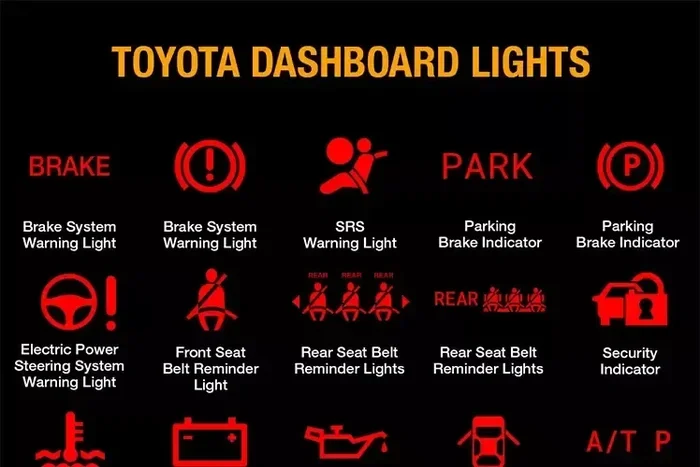
The first sign most drivers notice is a warning light on the dashboard. The check engine light or the oil pressure warning light will illuminate. Some vehicles also have a specific oil level indicator. If you see any of these, do not ignore them.
Also watch for the temperature gauge climbing into the red zone. This is a clear signal that your engine is running too hot. If you also notice a check charging system warning alongside the temperature gauge, your electrical system may be affected by the heat as well.
Unusual Engine Noises
A well-lubricated engine runs quietly and smoothly. When oil is low, you will hear changes. Ticking or tapping noises from the valve train are common. You might also hear knocking sounds from the bottom of the engine. These noises mean metal parts are making contact without proper lubrication.
Do not wait for these sounds to go away. They will not. They will only get louder and more serious as the damage progresses.
Smoke and Smells
Oil that is overheating produces a distinct burnt smell. You might notice smoke coming from under the hood or from the exhaust pipe. Blue or gray smoke is a strong indicator that oil is burning in the combustion chamber.
If you smell anything unusual or see smoke, pull over safely and turn off the engine. Continuing to drive in this condition will only make things worse.
Decreased Engine Performance
Low oil affects how your engine runs in everyday driving. You might notice sluggish acceleration, rough idling, or a general lack of power. These symptoms happen because the engine parts are not operating smoothly. They are fighting friction instead of working in harmony.
Can Low Oil Cause Permanent Engine Damage
The short answer is yes. Low oil can and does cause permanent engine damage. The question is how much damage and how expensive the repair will be. Let us look at the specific types of damage that can occur.
Warped Cylinder Heads
When an engine overheats from low oil, the cylinder head can warp. This happens because the metal expands unevenly under extreme heat. A warped cylinder head ruins the seal between the head and the engine block. This leads to compression loss, oil leaks, and coolant mixing with oil.
Fixing a warped cylinder head is expensive. It often requires removing the head, having it machined or replaced, and then reassembling the entire top end of the engine. In some cases, a full head replacement is needed.
Blown Head Gasket
The head gasket sits between the engine block and the cylinder head. Its job is to seal combustion chambers and keep oil and coolant in their proper channels. When the engine overheats, this gasket can fail.
A blown head gasket is one of the most serious and costly engine repairs. Coolant leaks into the oil, oil leaks into the coolant, and combustion gases escape into the cooling system. The engine loses power, runs rough, and can overheat even more severely.
Engine Seizure
The worst-case scenario is a seized engine. This happens when the metal parts heat up so much that they weld together. The pistons fuse to the cylinder walls. The crankshaft locks in place. A seized engine means the car stops running completely and cannot be restarted.
At this point, the options are very limited. You will need either a complete engine replacement or a full engine rebuild. Both are extremely expensive. In many cases, the cost of repair exceeds the value of the vehicle.
This is why understanding how low oil cause overheating and acting on it immediately is so important. A few dollars of oil can prevent thousands of dollars in engine repairs.
Accelerated Engine Wear
Even if you avoid catastrophic failure, low oil causes accelerated wear over time. Bearings wear out faster. Cylinder walls develop scratches. Valve seats deteriorate prematurely. All of this shortens the overall lifespan of your engine.
A well-maintained engine can last 200,000 miles or more. An engine that regularly runs low on oil may barely reach 100,000 miles before major problems start. The difference is entirely in how you treat it.
How To Prevent Low Oil And Overheating Problems
The good news is that preventing low oil and the overheating that follows is straightforward. A little proactive care goes a very long way.
Check Your Oil Regularly
Get in the habit of checking your oil level at least once a month. Park your car on a flat surface, let the engine cool slightly, and pull the dipstick. Wipe it clean, reinsert it, then pull it out again to read the level.
If the level is between the minimum and maximum marks, you are good. If it is near or below the minimum, add oil right away. Use the grade and type recommended in your owner manual.
Change Your Oil On Schedule
Fresh oil performs better than old oil. Over time, oil breaks down and loses its ability to lubricate and cool effectively. Follow the manufacturer recommended oil change interval. For most modern cars, this is every 5,000 to 7,500 miles.
Do not push oil changes too far past the recommended interval. Old oil becomes contaminated and cannot protect your engine the way it should.
Watch for Leaks
Check under your car regularly for oil spots. Even small drips add up over time. If you notice a puddle of oil where you park, have a mechanic inspect your vehicle as soon as possible.
Common leak points include the oil pan gasket, valve cover gasket, oil filter, and oil drain plug. All of these are relatively inexpensive to fix when caught early.
Pay Attention to Oil Pressure
Oil pressure is just as important as oil level. If your oil pressure gauge drops, it means the system is not delivering oil properly. This can happen even when the oil level looks fine. A failing oil pump, clogged oil passages, or worn bearings can all cause low oil pressure.
If your oil pressure warning light comes on, treat it with the same urgency as an overheating warning. Pull over safely and investigate the cause.
Keep Your Cooling System in Good Shape
While this article focuses on oil, your cooling system works hand in hand with your lubrication system. Make sure your coolant levels are proper and your radiator is functioning well. A healthy cooling system takes pressure off the oil and helps prevent overheating in general.
When To See A Mechanic
There are certain situations where you should not try to handle things on your own. Knowing when to seek professional help can save your engine and your wallet.
If your temperature gauge enters the red zone, pull over and shut off the engine. Do not continue driving. Wait for the engine to cool down, then check the oil level. If the oil is low, add some and see if the temperature comes down. But if the temperature keeps climbing or you notice smoke, call a tow truck.
Also see a mechanic if you notice any of the following:
- Oil pressure warnings that come and go intermittently.
- Oil that looks dark brown or black and smells burnt.
- Unusual noises that persist even after adding oil.
- Oil consumption that seems abnormally high between changes.
- Any combination of overheating and oil level warnings.
Remember, ignoring these signs can lead to the kind of severe engine damage that costs thousands to fix. A simple inspection early on can prevent a major disaster later.
Conclusion
The answer to the question can low oil cause overheating is a clear and definitive yes. Low oil removes the protective layer that keeps your engine running smoothly and at the right temperature. Without that protection, friction builds, heat rises, and damage follows.
The damage can range from minor wear to a completely seized engine. The cost of repair scales with the severity of neglect. A simple oil top-off costs almost nothing. A new engine costs several thousand dollars.
The best approach is prevention. Check your oil regularly. Change it on schedule. Watch for leaks and warning signs. And never ignore the dashboard lights. Your engine works hard for you every day. Taking care of the basics like oil level keeps it running strong for years to come.
Stay proactive, stay informed, and keep your engine properly lubricated. Your car will thank you with reliable performance and a longer life on the road.
Frequently Asked Questions
How long can you drive a car with low oil before it overheats?
It depends on how low the oil is and how hard you are driving the car. In some cases, overheating can begin within just a few minutes of driving on critically low oil. Even driving a short distance on very low oil can cause damage. Never ignore an oil level warning. Top off the oil immediately and address the root cause of the low level before driving further.
What is the first sign of low oil in a car?
The first sign is usually the oil pressure warning light on the dashboard. You may also notice unusual engine noises like ticking or knocking. Some drivers also observe a decrease in engine performance or a slight burning smell. Checking your oil level regularly helps you catch low oil before these warning signs appear.
Can low oil cause overheating even if the coolant level is full?
Yes, absolutely. Oil and coolant are two separate systems that both help regulate engine temperature. Oil cools specific internal components that coolant cannot reach. If oil is low, those hot spots overheat regardless of how much coolant you have. Both systems need to be in good working order for proper engine temperature management.
How often should you check your engine oil level?
You should check your oil level at least once a month. It is also a good idea to check it before long trips. Modern cars often have electronic oil level monitors, but these can sometimes be inaccurate. A manual dipstick check gives you the most reliable reading. Make it part of your regular car maintenance routine.
What should you do if your car overheats and the oil is low?
Pull over safely and turn off the engine immediately. Let the engine cool down for at least 15 to 20 minutes before opening the hood. Check the oil level and add oil if needed. Do not attempt to drive the car until the oil is topped off and the engine has cooled. If the temperature gauge does not drop, call for a tow truck and have the vehicle inspected by a professional.
Does synthetic oil help prevent overheating better than conventional oil?
Synthetic oil generally performs better under extreme heat and maintains its viscosity longer than conventional oil. It flows more smoothly at high temperatures and provides better protection for engine parts. While synthetic oil is not a cure for low oil levels, it does offer superior thermal stability. Switching to synthetic oil can be a smart choice for engines that run hot or are used in demanding conditions.
===
Note: Internal links included:
1. car overheating on a hot day
2. check charging system warning
3. driving without steering assist