How Many Spark Plugs Are in a V6 Dodge Charger Exactly
A V6 Dodge Charger has 6 spark plugs, one for each cylinder in the engine. The 3.6L Pentastar V6 uses standard spark plugs that are easy to replace at home. Keeping your spark plugs in good shape boosts performance, fuel economy, and engine life.
If you own a V6 Dodge Charger, you might wonder about one simple but important question: how many spark plugs does your engine actually need? The answer is straightforward, but the details behind it are fascinating. Spark plugs play a huge role in how your engine runs. They ignite the air and fuel mixture inside each cylinder. Without working spark plugs, your car simply won’t start or run properly.
In this guide, we will walk you through everything you need to know about the spark plugs in a V6 Dodge Charger. We will cover the exact number, the type of spark plugs to use, when to replace them, and how to do it yourself. Whether you are a DIY mechanic or just curious about your car, this article has you covered. Let us dive right in.
Key Takeaways
- A V6 Dodge Charger has exactly 6 spark plugs, matching its six-cylinder engine layout.
- The 3.6L Pentastar V6 engine is the most common engine in the Dodge Charger and uses widely available spark plugs.
- Spark plug replacement is straightforward and can save you hundreds in mechanic fees.
- Ignoring worn spark plugs leads to rough idle, poor fuel economy, and engine misfires.
- Copper, platinum, and iridium spark plugs offer different lifespans and performance levels.
- Checking your spark plug gap and torque specs ensures proper engine function.
- Regular engine maintenance including spark plug checks keeps your Charger running smoothly for years.
📑 Table of Contents
How Many Spark Plugs Are in a V6 Dodge Charger
The short answer is simple. A V6 Dodge Charger has 6 spark plugs. Each of the six cylinders in the V6 engine gets one spark plug. This is true for the most common engine found in the Dodge Charger lineup, the 3.6L Pentastar V6.
Every cylinder needs its own spark plug to fire correctly. The spark plug creates a tiny electrical arc that ignites the compressed fuel and air inside the cylinder. This explosion pushes the piston down and creates the power that moves your car. With six cylinders, you need six spark plugs. It is that simple.
Some high-performance Dodge Charger models use a different engine. For example, the V8 versions have 8 cylinders and therefore 8 spark plugs. But if you own a V6 model, you are working with 6 spark plugs. Always double-check your engine type before buying replacements.
Why the Number Matters
Knowing the correct number of spark plugs matters for a few reasons. First, it helps you buy the right parts. Second, it ensures your engine runs balanced. If one cylinder is missing a spark plug or has a faulty one, the engine will run rough. You might notice shaking, reduced power, or warning lights on your dashboard.
Third, counting spark plugs during maintenance helps you spot problems early. If you pull out a spark plug and it looks terrible, you know that specific cylinder needs attention. Regular checks keep your engine maintenance on track and prevent bigger issues down the road.
Understanding the V6 Engine in the Dodge Charger
The Dodge Charger has been a popular American muscle car for decades. The V6 version offers a great balance of power and efficiency. Most V6 Chargers come equipped with the 3.6L Pentastar V6 engine. This engine has been a staple in the Dodge lineup for many years.
Unlike some 4 cylinder hatchback cars that use smaller engines, the V6 Charger delivers serious performance. The 3.6L Pentastar produces around 292 horsepower and 260 lb-ft of torque. It is a reliable, proven engine that powers the Charger from the factory with six cylinders and six spark plugs.
How the V6 Engine Layout Works
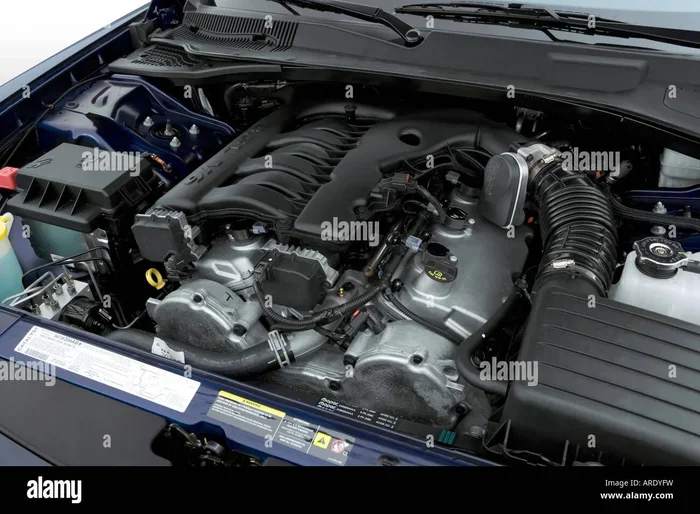
The V6 engine gets its name from the “V” shape of the cylinder arrangement. Six cylinders sit in two banks, angled in a V formation. Each cylinder has its own spark plug that fires at the right moment. The engine control module, or ECM, sends a signal to each ignition coil. The coil then sends voltage to the spark plug, creating the spark that ignites the fuel mixture.
This firing sequence is carefully timed. Each cylinder fires in a specific order, known as the firing order. The spark plugs must all be in good condition for this sequence to work correctly. Even one bad plug can cause a misfire. A misfire means that cylinder is not firing properly, which wastes fuel and hurts performance.
Regular engine tune-up intervals should include spark plug inspection. The Pentastar V6 is designed to be low-maintenance, but spark plugs do wear out over time. Staying on top of replacement keeps your Charger running at its best.
Spark Plug Types for the V6 Dodge Charger
Not all spark plugs are the same. Different types offer different benefits. The 3.6L Pentastar V6 in the Dodge Charger works well with several spark plug options. Let us look at the most common types.
Copper Spark Plugs
Copper spark plugs are the most basic and affordable option. They have a solid copper core that conducts electricity well. These plugs offer excellent conductivity but wear out faster than other types. You might need to replace copper plugs every 20,000 to 30,000 miles.
For daily driving, copper plugs work fine. They are a good choice if you want to keep costs low. Many OEM Dodge Charger spark plugs are copper-based. They provide reliable performance for normal driving conditions.
Platinum Spark Plugs
Platinum spark plugs last longer than copper. They have a small platinum disc on the tip that resists wear. Platinum plugs can last up to 60,000 to 100,000 miles. They also provide a more consistent spark over time.
If you want less frequent replacements, platinum is a great choice. They cost a bit more upfront but save money in the long run. Many Dodge Charger owners prefer platinum for their balance of durability and performance.
Iridium Spark Plugs
Iridium spark plugs are the premium option. Iridium is a very hard and durable metal. These plugs can last 100,000 miles or more. They provide the strongest, most focused spark for better combustion.
Iridium plugs are more expensive, but they offer the best long-term value. If you want peak engine performance and do not want to think about spark plugs often, go with iridium. They are a top choice for enthusiasts who want the best from their V6 Dodge Charger.
Comparison Table: Spark Plug Types
| Type | Lifespan | Cost | Best For |
|---|---|---|---|
| Copper | 20,000 – 30,000 miles | $ | Budget-friendly daily driving |
| Platinum | 60,000 – 100,000 miles | $$ | Balanced performance and longevity |
| Iridium | 100,000+ miles | $$$ | Maximum durability and performance |
When to Replace Your Spark Plugs
Spark plugs do not last forever. They wear out over time. The electrodes erode, and the gap between them widens. This affects the quality of the spark. Knowing when to replace them is key to keeping your engine healthy.
Signs Your Spark Plugs Need Replacement
Watch for these warning signs that your spark plugs are wearing out:
- Rough idle: The engine shakes or sounds uneven when stopped.
- Misfires: You feel a jolt or hesitation during acceleration.
- Poor fuel economy: You fill up more often than usual.
- Difficulty starting: The engine cranks slowly or takes multiple tries.
- Reduced power: The car feels sluggish, especially under load.
- Check Engine Light: The dashboard warning light comes on, sometimes with a P0300 or P030x code.
If you notice any of these symptoms, check your spark plugs right away. Ignoring them can lead to bigger problems. A misfiring cylinder can damage the ignition coil or even the catalytic converter over time. Replacing spark plugs early saves you from expensive repairs later.
Recommended Replacement Intervals
For the 3.6L Pentastar V6 in the Dodge Charger, most manufacturers recommend replacing spark plugs every 30,000 to 60,000 miles. The exact interval depends on the type of spark plug you use:
- Copper plugs: Replace every 20,000 to 30,000 miles.
- Platinum plugs: Replace every 60,000 miles.
- Iridium plugs: Replace every 100,000 miles or as needed.
Always check your owner’s manual for the exact recommendation. Driving habits also matter. If you drive in stop-and-go traffic or extreme temperatures, your spark plugs may wear faster.
Can Bad Gas Cause Engine Problems?
Sometimes engine issues are not caused by spark plugs at all. Contaminated or bad fuel can cause problems too. For example, bad gas can trigger a P0171 code, which indicates a lean fuel mixture. Before you blame your spark plugs, make sure your fuel quality is good. Using a fuel system cleaner occasionally can help keep things running smoothly.
Good fuel and clean spark plugs work together. Both are essential for proper combustion. If your engine is running poorly, check both before assuming the worst.
How to Replace Spark Plugs in Your V6 Dodge Charger
Replacing spark plugs in a V6 Dodge Charger is a job most car owners can do at home. You do not need to be a professional mechanic. With the right tools and a little patience, you can complete the job in about an hour.
Tools You Will Need
- Socket wrench with a 5/8-inch spark plug socket
- Ratchet and extension
- Spark plug gap tool
- Anti-seize compound
- Dielectric grease
- Torque wrench
- Compressed air or a small brush
Step-by-Step Replacement Guide
Follow these steps to replace your spark plugs safely and correctly:
- Let the engine cool completely. Wait at least one hour after driving. Hot engines can cause burns.
- Locate the ignition coils. Open the hood and find the six ignition coils on top of the engine. They sit directly over each spark plug.
- Remove the ignition coil connectors. Gently unplug the electrical connectors from each coil. Use care so you do not damage the clips.
- Unbolt the ignition coils. Each coil is held by a single bolt. Remove the bolts and set the coils aside.
- Clean the spark plug wells. Use compressed air or a brush to remove any debris from around the spark plugs. Dirt falling into the cylinder can cause damage.
- Remove the old spark plugs. Fit the spark plug socket onto the ratchet and turn counterclockwise to loosen each plug. Remove them one at a time.
- Check the spark plug gap. Use a gap tool to verify the gap on each new plug. The correct gap for the 3.6L Pentastar is typically 0.044 inches. Adjust if needed.
- Install the new spark plugs. Hand-thread each plug first to avoid cross-threading. Then use the torque wrench to tighten to the factory specification, usually around 13 to 15 ft-lbs.
- Apply dielectric grease. Put a small amount of grease inside the ignition coil boot. This helps with future removal and prevents corrosion.
- Reinstall the ignition coils. Bolt each coil back in place and reconnect the electrical connectors.
- Start the engine and test. Turn the key and listen for a smooth idle. Take a short test drive to confirm everything runs well.
Quick Tips for Spark Plug Replacement
- Replace all six spark plugs at the same time for consistent performance.
- Number the ignition coils before removing them so you can track which cylinder each came from.
- Never use an impact wrench on spark plugs. It can crack the cylinder head.
- Apply a thin coat of anti-seize compound to the threads if recommended by the spark plug manufacturer.
- Keep a 3 in 1 high protection car spray handy to protect the ignition coil connectors from moisture and corrosion.
Common Spark Plug Problems and How to Fix Them
Even with regular maintenance, spark plug problems can happen. Understanding common issues helps you diagnose and fix them quickly.
Spark Plug Fouling
Fouling happens when deposits build up on the spark plug tip. Oil fouling comes from worn engine seals or excessive oil consumption. Carbon fouling happens from rich fuel mixtures or short driving trips. A fouled spark plug cannot create a strong spark, leading to misfires.
To fix fouling, clean the spark plug with a wire brush or replace it. If fouling keeps happening, investigate the root cause. You might have a leaking valve seal or a fuel delivery problem.
Spark Plug Cross-Threading
Cross-threading occurs when the spark plug does not go in straight. It damages the threads in the cylinder head. This is a serious problem that can be expensive to repair.
Always hand-thread spark plugs first. If you feel resistance, stop and back out. Check the plug angle and try again. Never force a spark plug into place.
Over-Tightening
Over-tightening spark plugs can crack the cylinder head or strip the threads. Always use a torque wrench and follow the manufacturer’s specification. For the 3.6L Pentastar V6, the torque spec is typically 13 to 15 ft-lbs.
Using a torque wrench takes the guesswork out of the job. It is one of the most important tools for spark plug replacement. Do not skip this step.
When to See a Professional
Most spark plug replacements are simple DIY jobs. But some situations call for a professional mechanic. If you notice persistent misfires after replacing plugs, there may be a deeper issue. Problems with the ignition coil, fuel injector, or engine compression require specialized diagnostic tools. Do not hesitate to seek help if the problem continues.
Key Takeaways
- A V6 Dodge Charger has exactly 6 spark plugs, one for each cylinder in the 3.6L Pentastar V6 engine.
- Spark plug type affects lifespan and performance. Copper, platinum, and iridium plugs each have different replacement intervals.
- Replace spark plugs every 30,000 to 100,000 miles depending on the plug type and driving conditions.
- Watch for rough idle, misfires, poor fuel economy, and difficulty starting as signs of worn spark plugs.
- Replacing spark plugs at home is a straightforward DIY task with basic tools.
- Always use the correct torque specification and hand-thread plugs to prevent engine damage.
- Regular engine maintenance including spark plug checks keeps your Dodge Charger running strong for years.
Conclusion
So, how many spark plugs are in a V6 Dodge Charger? The answer is 6 spark plugs. Each of the six cylinders in the 3.6L Pentastar V6 engine needs one spark plug to fire correctly. Understanding this basic fact helps you maintain your car better and avoid costly repairs.
Replacing spark plugs is one of the simplest and most important things you can do for your engine. Fresh spark plugs improve acceleration, fuel economy, and overall driving feel. Whether you choose copper, platinum, or iridium plugs, staying on top of replacement intervals makes a big difference.
Grab your tools, follow our step-by-step guide, and give your V6 Dodge Charger the maintenance it deserves. Your engine will thank you with smooth, reliable performance mile after mile. Take care of your spark plugs, and your Charger will reward you with years of dependable driving.
Frequently Asked Questions
How Many Spark Plugs Does a V6 Dodge Charger Have?
A V6 Dodge Charger has exactly 6 spark plugs, one for each of the six cylinders in the engine. The 3.6L Pentastar V6 uses a single spark plug per cylinder, making the total count six. Always verify your specific engine type before purchasing replacements.
What Type of Spark Plugs Does the V6 Dodge Charger Use?
The 3.6L Pentastar V6 works well with copper, platinum, or iridium spark plugs. OEM specifications typically recommend copper or platinum plugs for standard driving. Iridium plugs offer the longest lifespan and best performance for enthusiasts. Check your owner’s manual for the exact recommended type and gap specification.
How Often Should I Replace the Spark Plugs in My V6 Dodge Charger?
Replacement intervals depend on the spark plug type you use. Copper plugs need replacement every 20,000 to 30,000 miles. Platinum plugs last about 60,000 miles, and iridium plugs can go 100,000 miles or more. Always follow the manufacturer’s recommended interval for your specific plug type.
Can I Replace Spark Plugs Myself?
Yes, replacing spark plugs in a V6 Dodge Charger is a manageable DIY project. You need basic tools like a socket wrench, spark plug socket, and torque wrench. The job typically takes about one hour and can save you significant mechanic costs. Just follow proper steps and torque specifications to avoid engine damage.
What Happens If I Don’t Replace Worn Spark Plugs?
Worn spark plugs cause rough idle, engine misfires, poor fuel economy, and reduced power. Over time, misfires can damage the ignition coils and catalytic converter. The engine may become difficult to start, and performance will noticeably decline. Regular replacement prevents these problems and keeps your engine running efficiently.
Does the V6 Dodge Charger Use One Spark Plug Per Cylinder?
Yes, the V6 Dodge Charger uses one spark plug per cylinder. The 3.6L Pentastar V6 has six cylinders, so it requires six spark plugs total. This is the standard configuration for most modern gasoline engines. Each plug fires independently to ignite the fuel-air mixture in its respective cylinder.